What freezes well — and what does not
Most cooked dishes, soups, stews, sauces, breads, cooked grains and beans, raw meat, and many vegetables (blanched first) freeze beautifully. What struggles are high-water raw vegetables and fruits meant to be eaten crisp (lettuce, cucumber), cream-based sauces that can split, and cooked pasta or potatoes that turn grainy. Knowing the difference saves disappointment.
Freezing does not improve food, but it pauses it — so freeze things at their peak, not when they are already on the way out.
Packaging and labeling
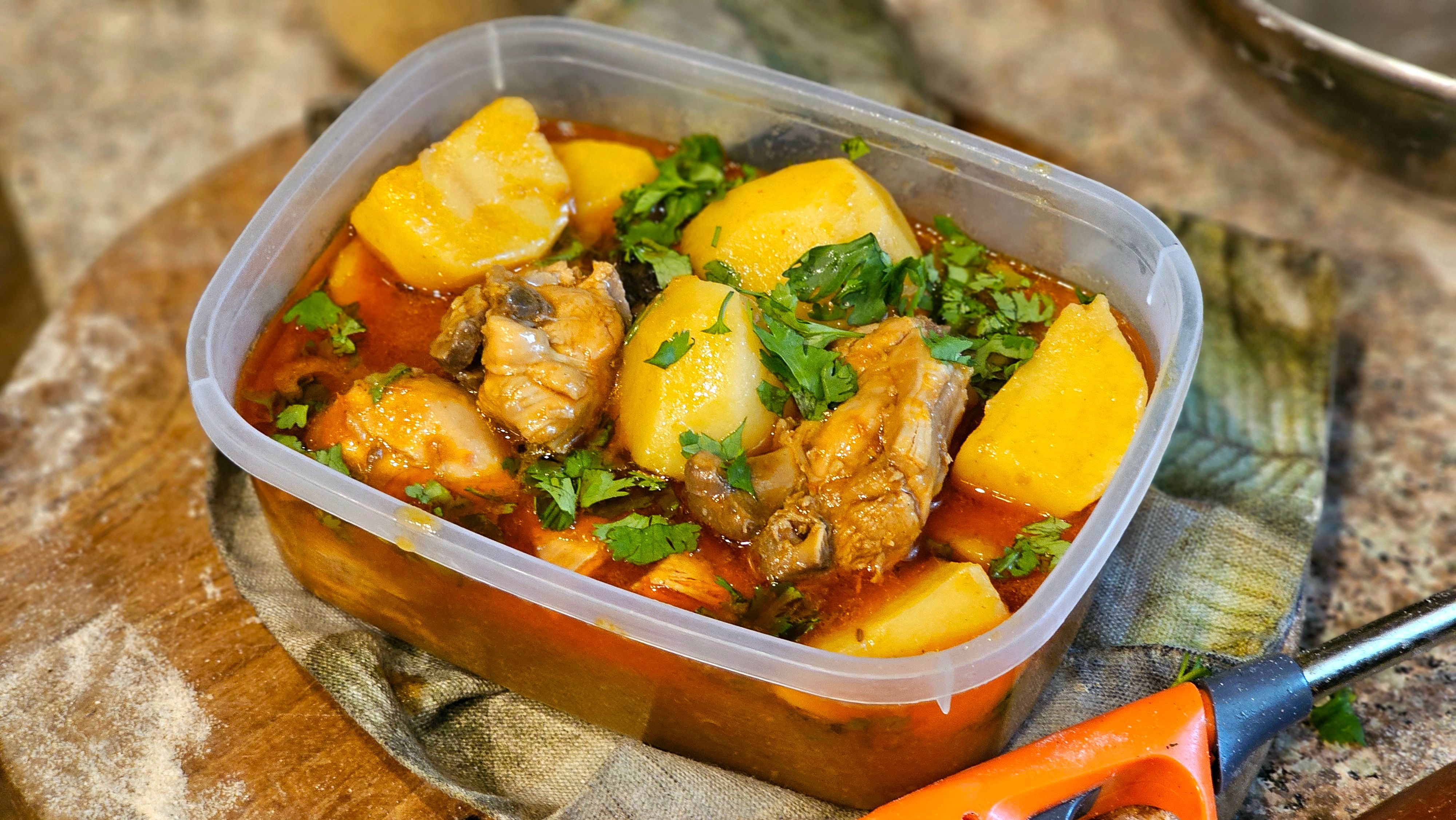
The enemy of frozen food is air, which causes freezer burn. Package food in airtight containers or bags, pressing out as much air as possible, and freeze in portion sizes you will actually use. Freezing flat in bags saves space and speeds thawing. Liquids expand, so leave headroom in containers.
Always label with the contents and date. Frozen food is safe indefinitely but quality declines over months, so a label turns your freezer from a mystery into an organized resource.
Thawing safely
The safest way to thaw is in the refrigerator overnight, which keeps food out of the temperature range where bacteria multiply. For speed, a sealed bag under cold running water works, or use the microwave if you will cook immediately. Avoid thawing on the counter for long periods.
Many soups, stews, and sauces can go straight from freezer to pot. Once thawed, treat food as you would fresh and avoid refreezing raw items that have fully thawed.