The balanced plate
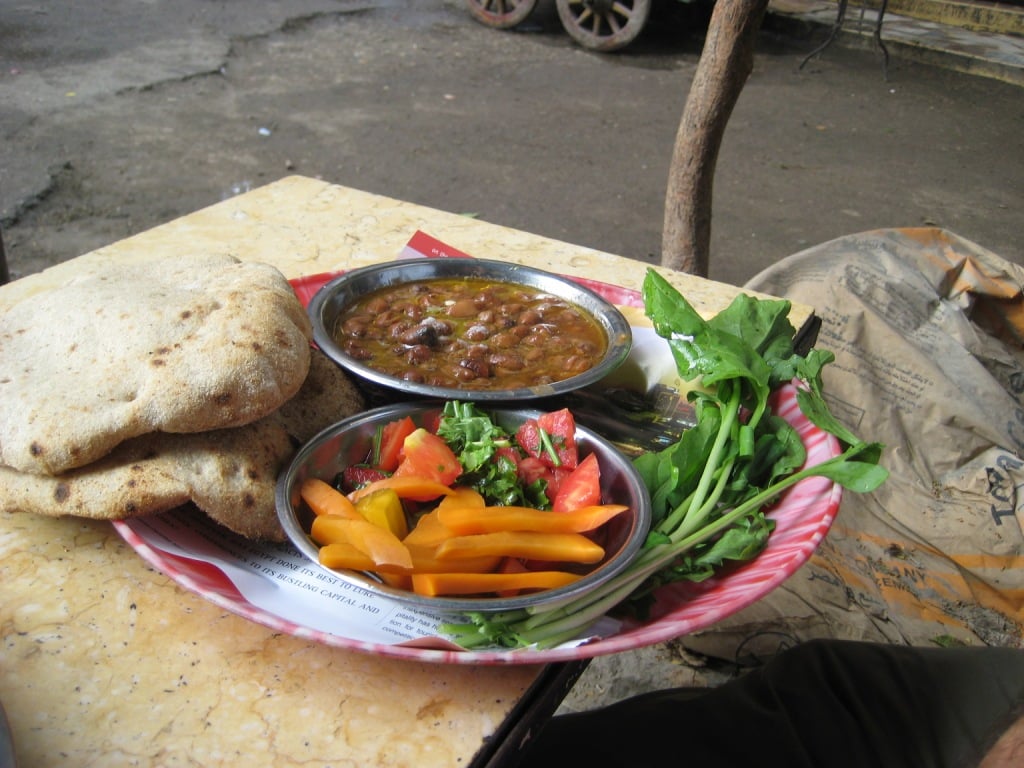
A reliable way to build a nourishing meal is to divide your plate: fill about half with vegetables and fruit, a quarter with protein, and a quarter with whole grains or starchy vegetables, plus a source of healthy fat. This simple visual keeps meals balanced without measuring, weighing, or counting calories. It works across nearly every cuisine, from a grain bowl to a stir-fry to a traditional plate of protein, vegetable, and starch.
The beauty of the framework is its flexibility. It does not dictate specific foods, so you can honor your tastes, budget, and culture while still assembling meals that keep you full and energized.
Fill half with vegetables and fruit
Vegetables and fruit bring fiber, vitamins, minerals, and volume that fills you up for relatively few calories. Variety matters — different colors provide different nutrients — so aim to rotate what you eat rather than relying on the same one or two. Both fresh and frozen count, and cooking methods that preserve texture and flavor, like roasting or a quick sauté, make vegetables something you look forward to rather than tolerate.
Choose quality protein and whole grains
Protein supports muscle, keeps you satisfied, and slows digestion so energy lasts. Draw from a range of sources — legumes, eggs, dairy, fish, poultry, and lean meats — depending on your preferences and diet. Whole grains such as brown rice, oats, quinoa, and whole-wheat products provide steadier energy and more fiber than their refined counterparts, helping you avoid the spikes and crashes that come from refined starch alone.
Rounding the plate out with a healthy fat — olive oil, avocado, nuts, or seeds — improves flavor, satisfaction, and the absorption of certain vitamins.
Adjust for your needs
The framework is a starting point, not a prescription. Active people and growing children may need larger portions or more grains and protein; others may prefer more vegetables and less starch. Listen to your hunger and energy levels, and adjust over time. Balance is measured across days and weeks, not judged by any single meal — consistency and variety matter far more than perfection at any one sitting. This is general nutrition information, not personalized medical advice.