
Milk
A creamy dairy staple that enriches everything from sauces to baking.
Also known as: dairy milk, whole milk, cow’s milk, skim milk, semi-skimmed milk
Overview
Milk is a foundational dairy ingredient that adds richness, moisture, and a gentle sweetness to both sweet and savory cooking. It is the base for béchamel and cream sauces, the liquid that makes pancakes tender and custards silky, and the everyday partner to cereal, coffee, and tea.
Its fat content shapes how it behaves: whole milk brings body and a rounder flavor, while lower-fat milks are lighter but more prone to curdling under high heat or acid. Understanding that balance helps you choose the right milk for creamy soups, baked goods, and slow-simmered puddings.
Culinary Uses
- Simmered into béchamel, cream soups, and cheese sauces.
- Whisked into pancake, waffle, and cake batters for tender crumb.
- Cooked slowly into custards, puddings, and rice pudding.
- Steamed and frothed for lattes, or warmed into hot chocolate.
Flavor Profile
- Mildly sweet, creamy, and rounded, with richness rising alongside fat content.
- Whole milk tastes fuller; skim is thinner and more watery.
- Gentle heat preserves its smooth taste; scorching brings a cooked, slightly caramel note.
Storage
- Keep refrigerated at the back of the fridge, not the door, where it is coldest.
- Reseal tightly and use within the date on the carton once opened.
- Milk freezes for longer storage, though its texture may separate slightly on thawing.
Preparation
- Warm gently over low heat and stir to prevent scorching and a skin forming.
- Temper into eggs slowly for custards to avoid curdling.
- Avoid boiling with acidic ingredients, which can cause it to split.
Nutrition
Milk is a good source of high-quality protein and one of the richest dietary sources of calcium.
It supplies B vitamins and is commonly fortified with vitamin D.
Essential for strong bones and teeth.
Provides complete protein including casein and whey.
Often fortified; aids calcium absorption.
Supports energy metabolism.
Dietary Considerations
- Vegetarian and gluten-free, but not vegan.
- Contains lactose and milk proteins — a concern for lactose intolerance and dairy allergy.
- Plant-based milks can substitute in many recipes, with differences in flavor and behavior.
Nutrition information is educational and approximate; it varies by variety, portion, and preparation, and is not a substitute for professional dietary advice.
Common Pairings
Recipes with Milk
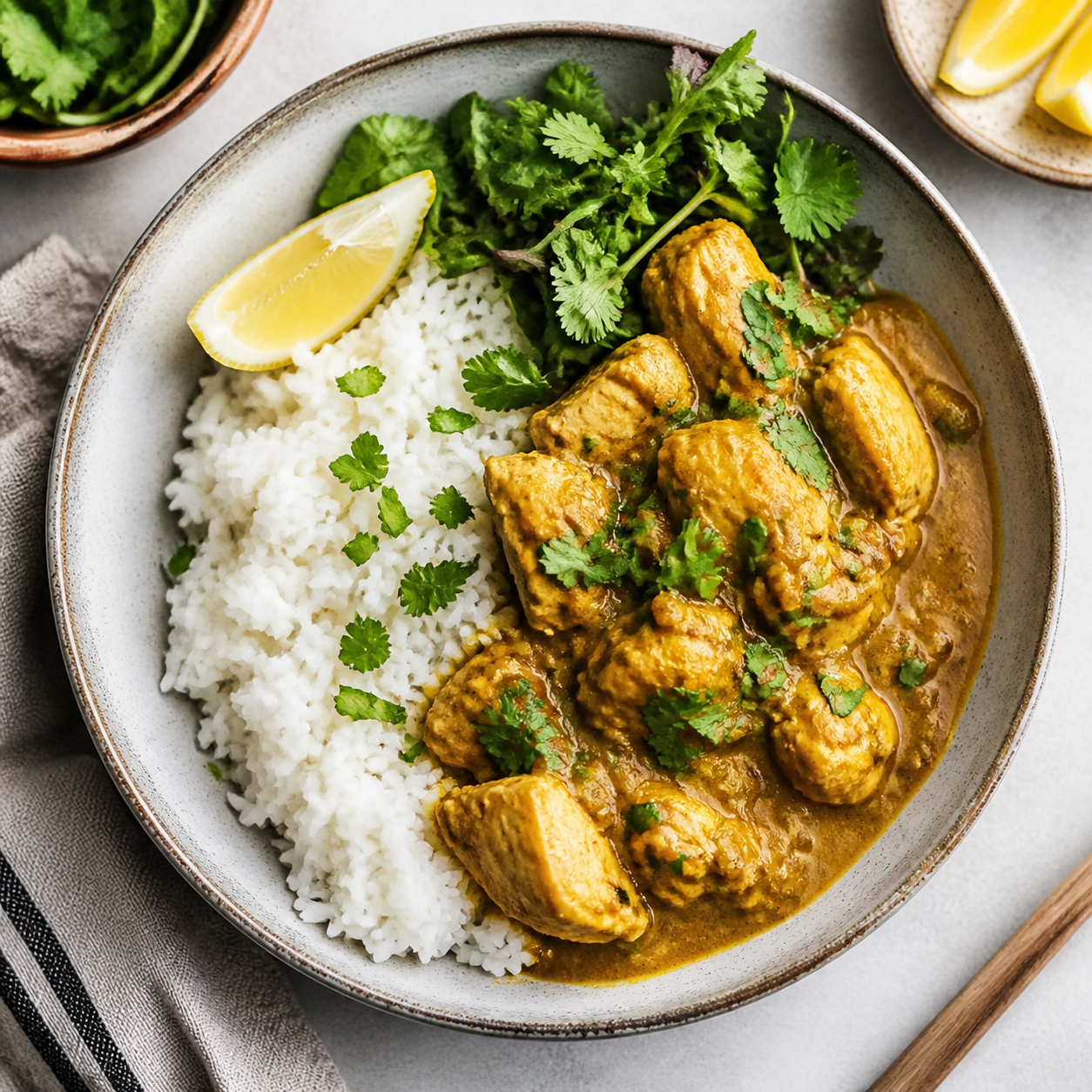
Quick Ethiopian Chicken Curry Rice Bowls
A fragrant, mildly spiced chicken curry inspired by Ethiopian flavors, finished in under an hour and served over fluffy rice for a satisfying weeknight meal.
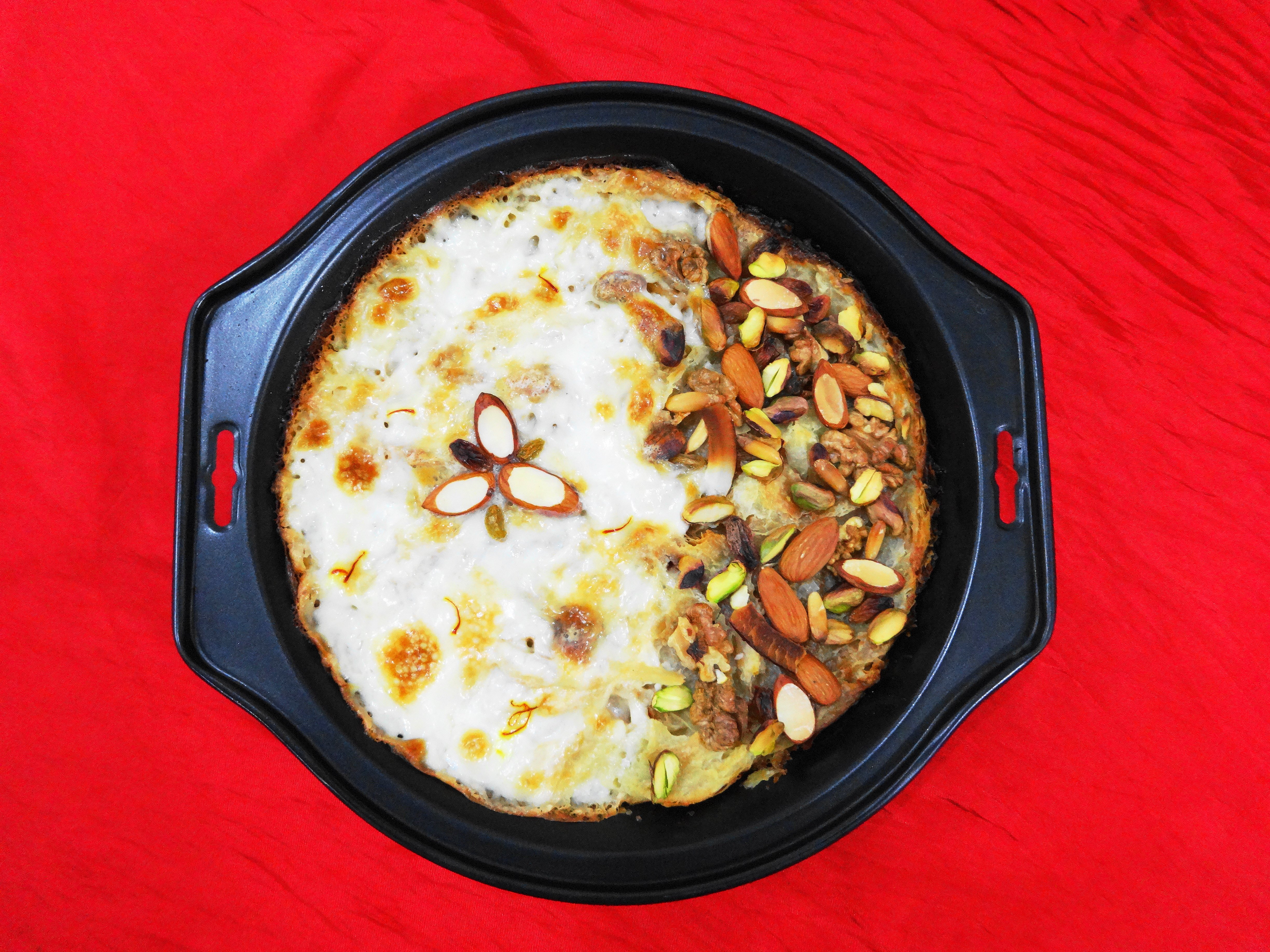
Egyptian Om Ali
Egypt's beloved bread pudding of crisp pastry layered with nuts, coconut, and raisins, soaked in sweetened milk and baked until golden and bubbling, a warm, comforting dessert.
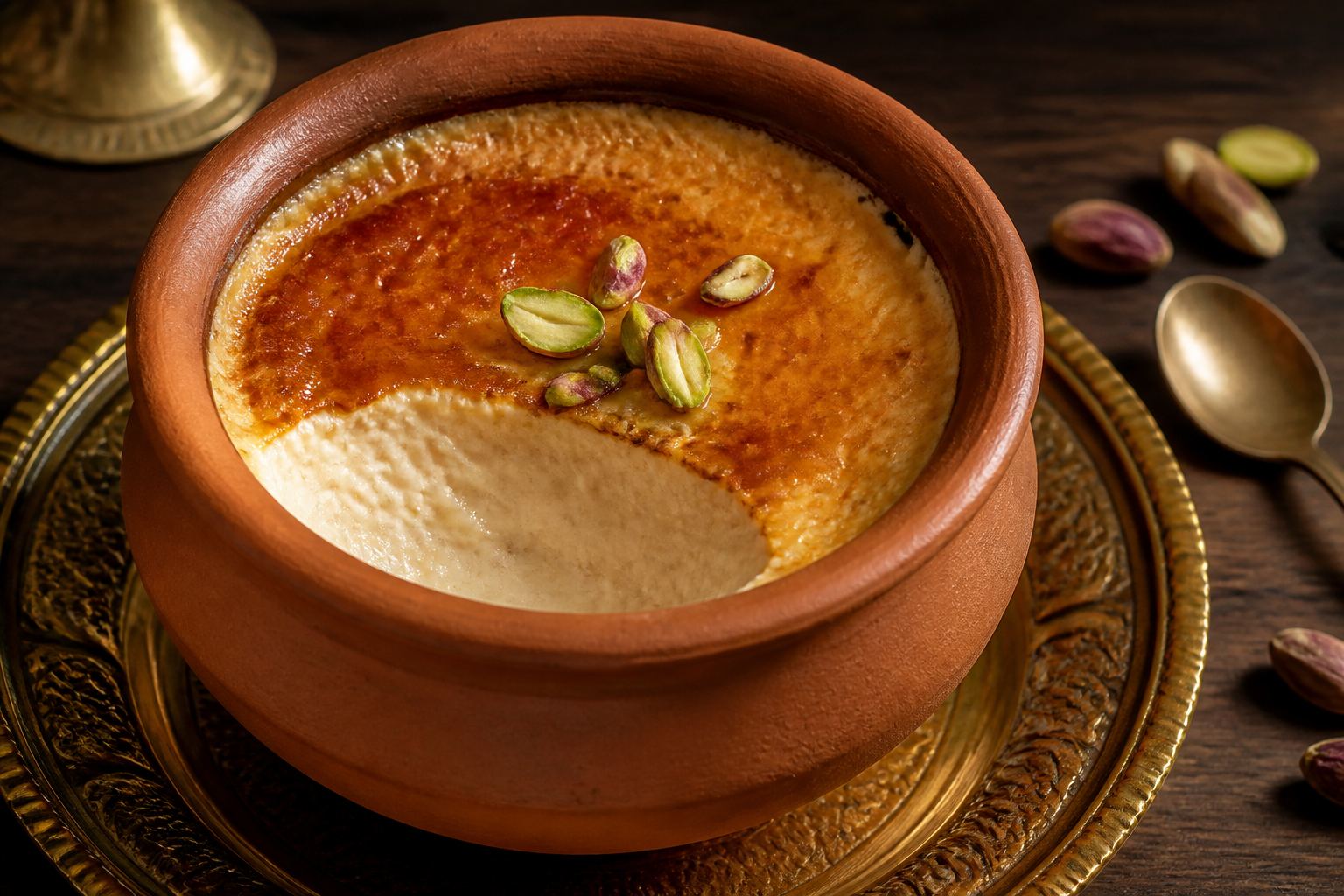
Bengali Mishti Doi
A classic Bengali sweet yogurt dessert of thickened milk sweetened with caramelised jaggery and set until softly firm, offering a gentle caramel note and creamy tang.

Bengali Chingri Malai Curry
An elegant Bengali prawn curry simmered in sweet coconut milk with warm spices and a hint of green chili, rich and aromatic, reserved for special occasions.
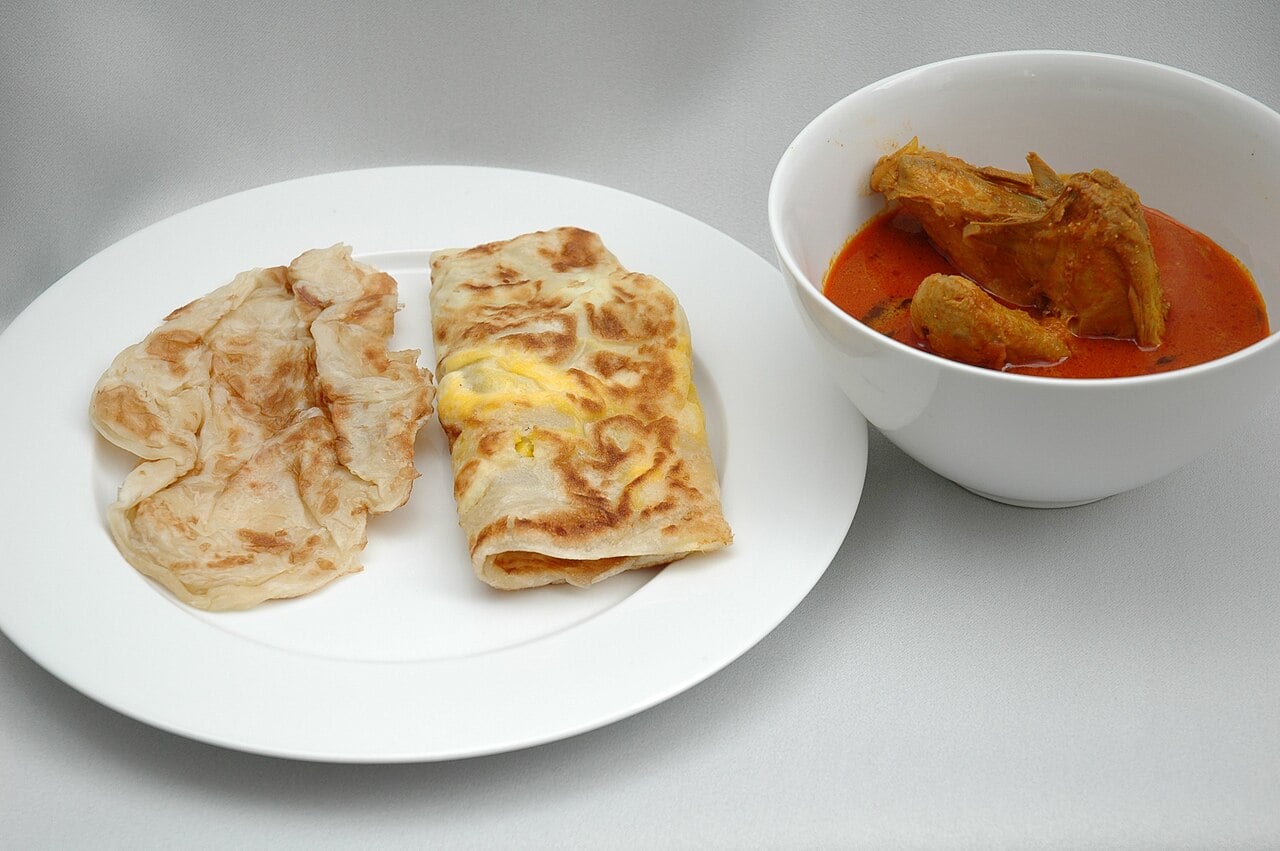
Malaysian Roti Canai
A flaky, layered flatbread stretched paper-thin and griddled until crisp and golden, served with dhal or curry for dipping, a cherished Malaysian breakfast staple.
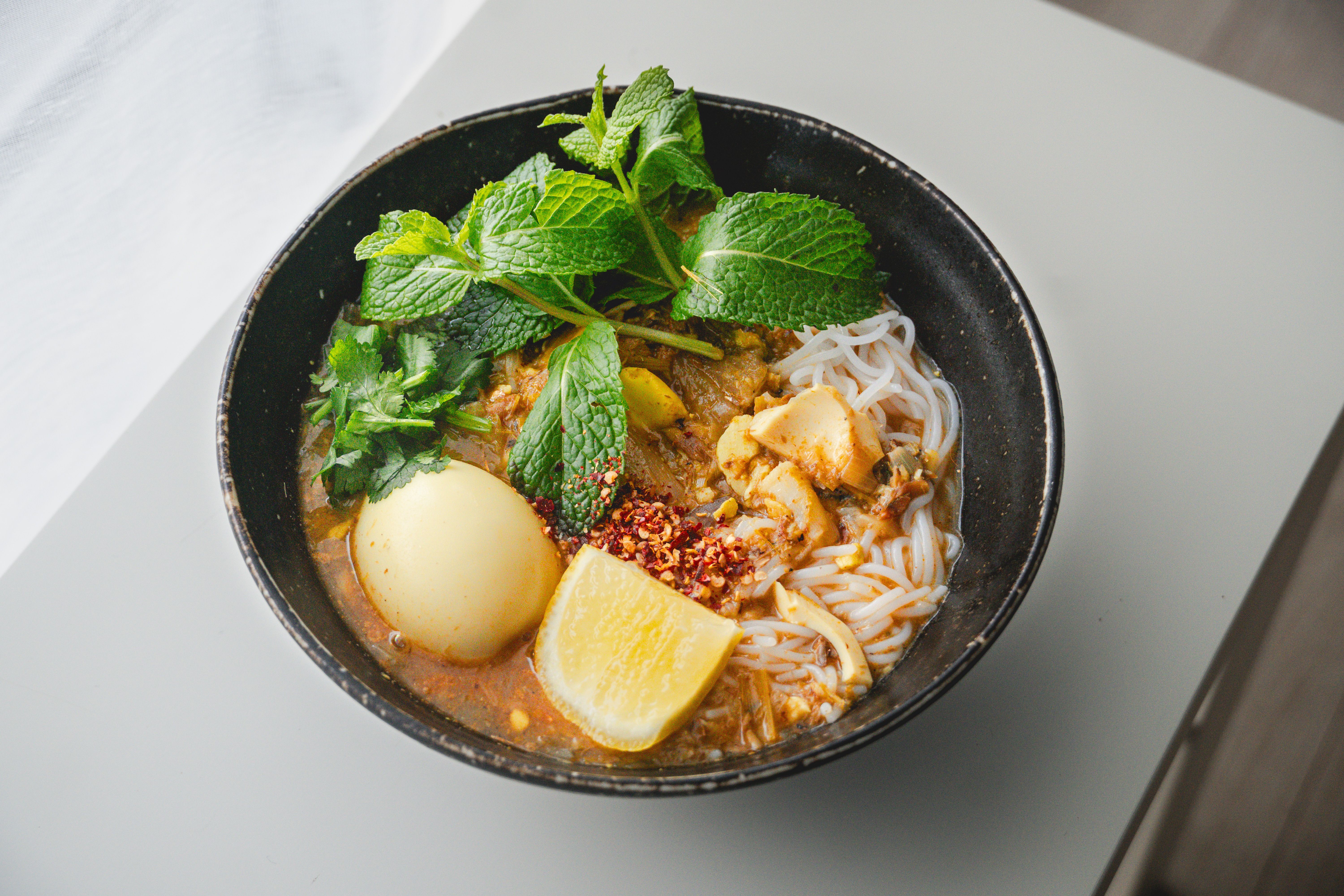
Malaysian Chicken Curry Laksa
A comforting bowl of noodles in a rich, spicy coconut curry broth topped with poached chicken, tofu puffs, bean sprouts, and fresh herbs, a Malaysian hawker favourite.
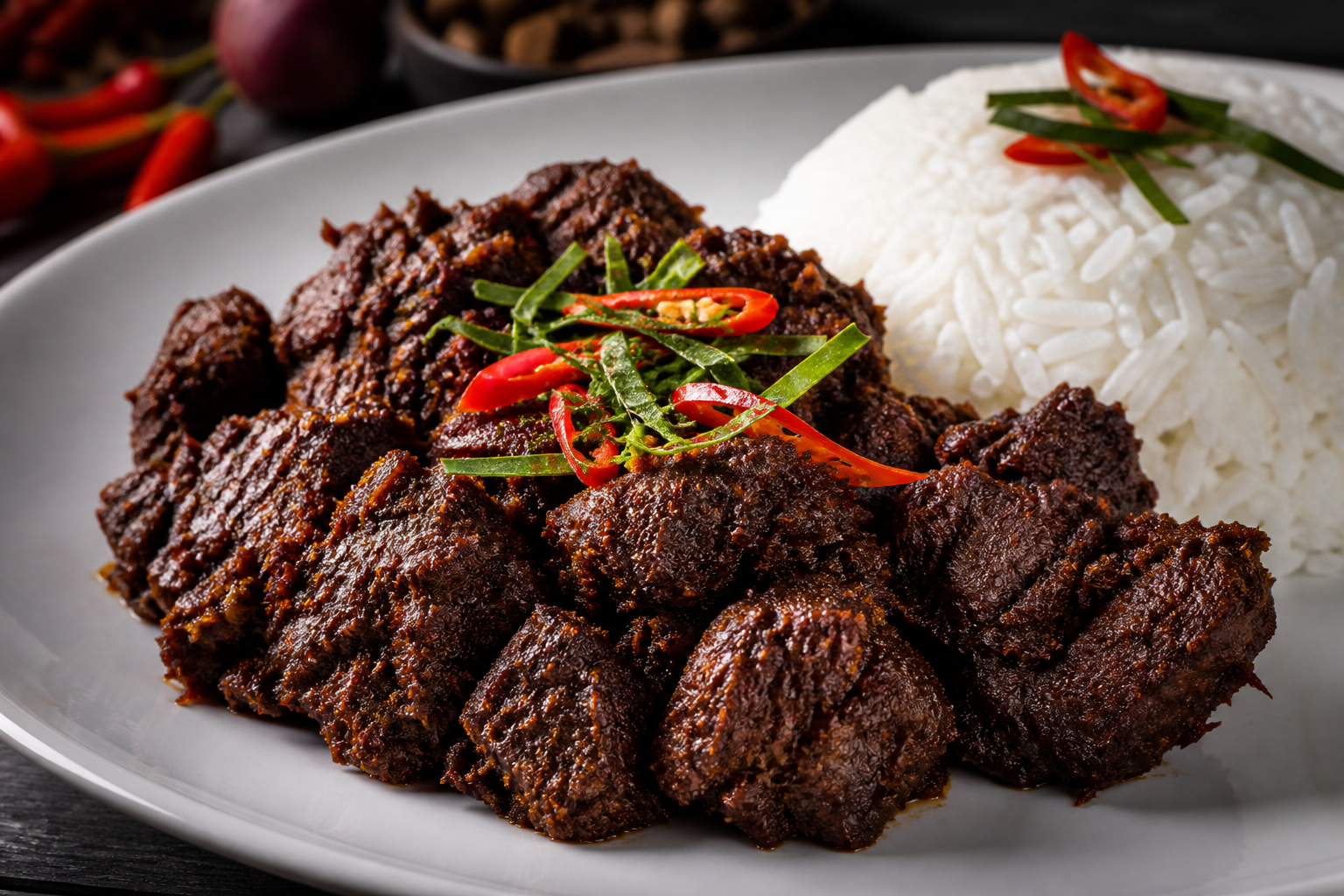
Malaysian Beef Rendang
A rich, dry-style curry of beef slow-simmered in coconut milk and a fragrant spice paste with lemongrass, galangal, and toasted coconut until intensely flavourful and tender.
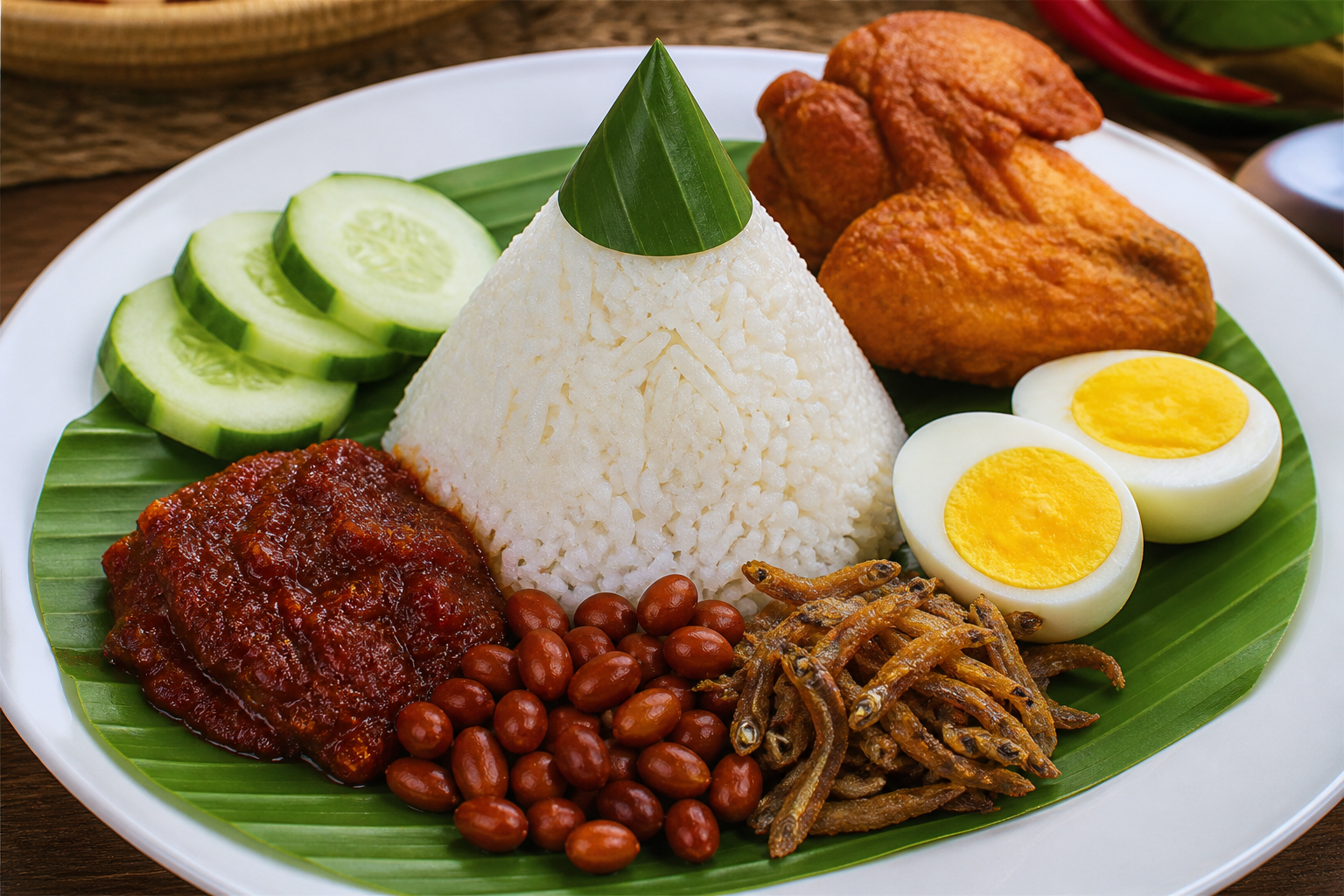
Malaysian Nasi Lemak
Malaysia's beloved national dish of fragrant coconut rice served with spicy sambal, crispy anchovies, roasted peanuts, cucumber, and boiled egg for a balanced, aromatic plate.
Explore Related Cuisines
Related Ingredients

Cooking Guides You May Like
Building Balanced Meals: A Simple Framework
You do not need to count anything to eat well. A simple visual framework does the work for you.
Understanding Food Allergens: A Practical Guide
Cooking for someone with a food allergy calls for awareness, not fear. Here is what every home cook should understand.
How to Read Nutrition Labels With Confidence
A nutrition label tells a clear story once you know how to read it. Here is how to interpret the numbers that matter.