The core carbohydrates and proteins
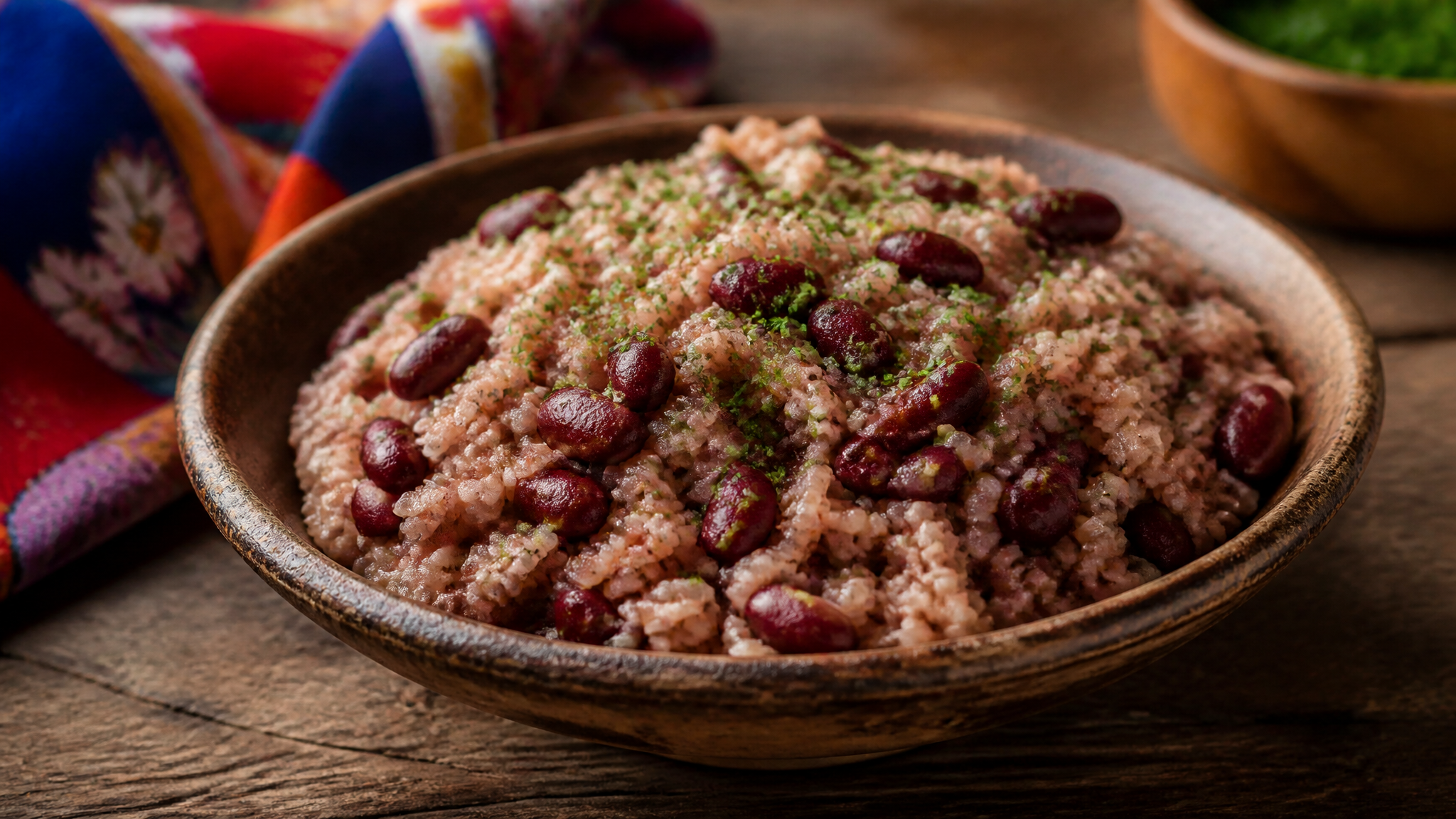
A functional pantry starts with shelf-stable sources of energy and protein you can build meals around. Stock a couple of grains you enjoy — rice, pasta, oats — along with dried or canned legumes such as lentils, chickpeas, and beans. Canned fish and long-life staples like eggs (kept in the fridge) round out affordable protein. With these on hand, you are always one pot of boiling water away from the base of a meal.
Buy quantities you will actually get through. A giant sack of a grain you rarely cook is not a bargain if it goes stale; a modest, well-rotated supply of things you genuinely use is far more valuable than an overflowing but neglected cupboard.
Aromatics, fats, and acids
Flavor lives in a small set of building blocks. Keep onions and garlic almost always — they form the savory base of countless dishes. A good neutral oil for everyday cooking and a bottle of olive oil for finishing cover most fats. Acids brighten and balance food, so keep vinegar and something citrusy on hand; a splash at the end of cooking is often what makes a dish taste finished rather than flat.
Canned tomatoes and a stock concentrate or bouillon are quiet workhorses, turning pantry staples into soups, sauces, braises, and stews with almost no effort. With aromatics, fat, acid, and a tin of tomatoes, you can improvise a meal from almost anything.
A starter spice shelf
You do not need dozens of jars — you need a versatile handful. Salt and black pepper are non-negotiable. Add cumin, paprika, dried chili flakes, cinnamon, and a dried herb blend, and you can lean sweet or savory and travel across several cuisines. Buy small quantities, because ground spices lose their punch within a year, and store them away from heat and light so they last.
As your cooking grows, let your spice shelf grow with it rather than all at once. Buying a new spice for a specific recipe you want to try is a far better strategy than stocking a rack of jars you never open.