The universal idea
Across wildly different cuisines, cooking often begins with the same move: gently cooking aromatic vegetables in fat to build a foundation of flavor. The specific ingredients vary by region, but the principle is universal — this base seasons everything that follows and gives a dish its cultural fingerprint. Learn a handful of these bases and you can cook convincingly across continents.
What unites them is patience. These foundations are usually cooked slowly, softening and sweetening the aromatics without browning them harshly, so their flavor melts into the dish rather than sitting on top.
A tour of the classics
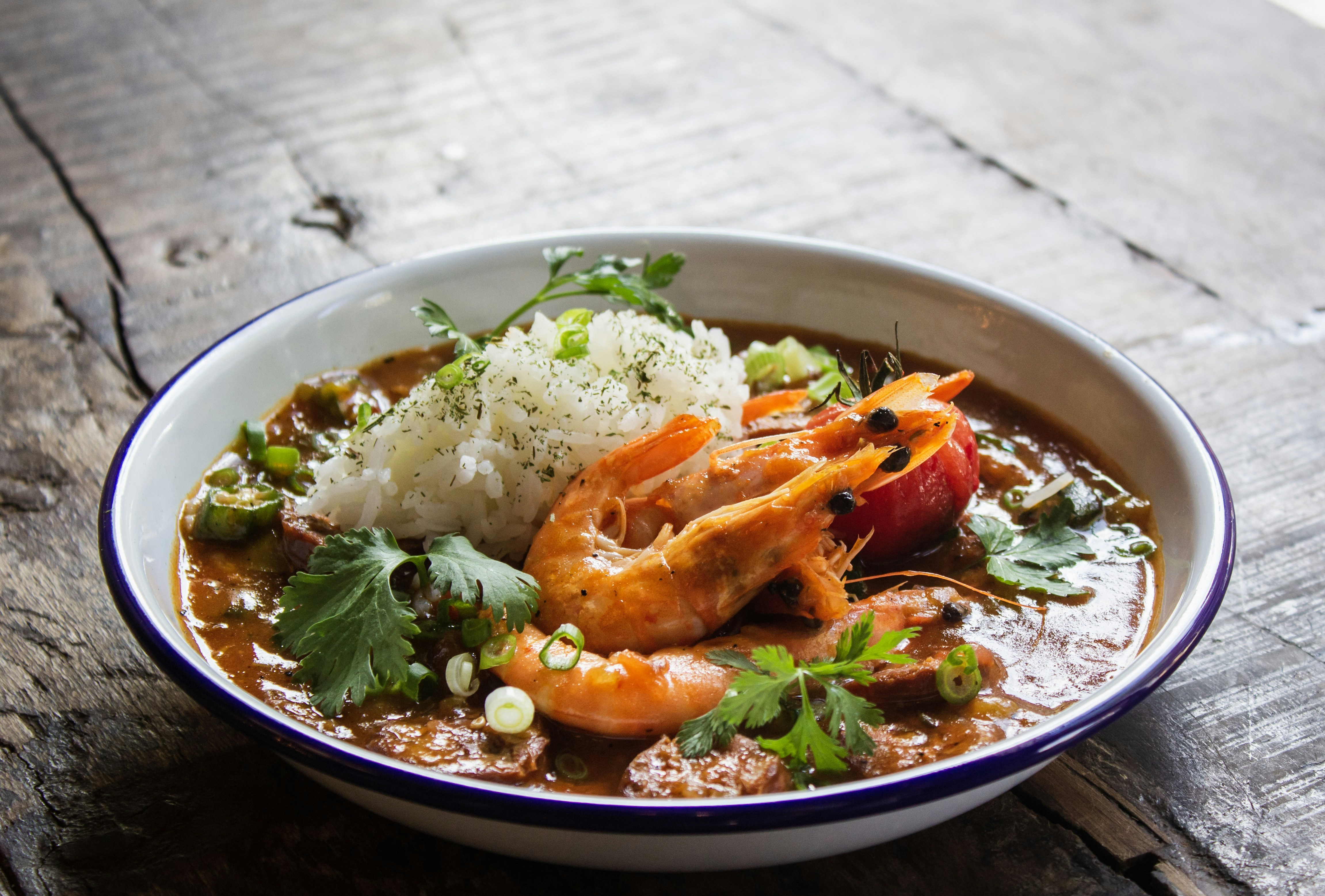
French mirepoix is onion, carrot, and celery, the backbone of stocks and stews. The Cajun and Creole 'holy trinity' swaps carrot for green bell pepper, giving gumbo and jambalaya their character. Spanish and Latin American sofrito builds on onion, garlic, tomato, and peppers, often with cilantro or culantro. The Italian soffritto mirrors the French but leans on olive oil and garlic.
Beyond Europe, Indian cooking often starts with onion, ginger, and garlic bloomed with spices; Chinese stir-fries begin with ginger, garlic, and scallion; and West African dishes frequently build on onion, tomato, and pepper. Each is a doorway into a whole cuisine.
Making them your own
Once you recognize the pattern, you can start a dish anywhere with confidence: choose your aromatics, your fat, and how far to cook them, then build. Many of these bases freeze beautifully, so cooking a batch ahead turns weeknight meals into a head start.
Understanding flavor bases also demystifies recipes — you begin to see the shared architecture beneath dishes that seem worlds apart.