Dry-heat methods: roasting, baking, sautéing, and grilling
Dry-heat cooking uses hot air, hot metal, or radiant heat to cook food, and its signature gift is browning. When the surface of food gets hot enough, the Maillard reaction produces hundreds of new flavor compounds — the savory crust on roasted vegetables, seared meat, and toasted bread. Roasting and baking surround food with hot oven air; sautéing and pan-frying use a hot pan and a little fat; grilling adds smoke and char.
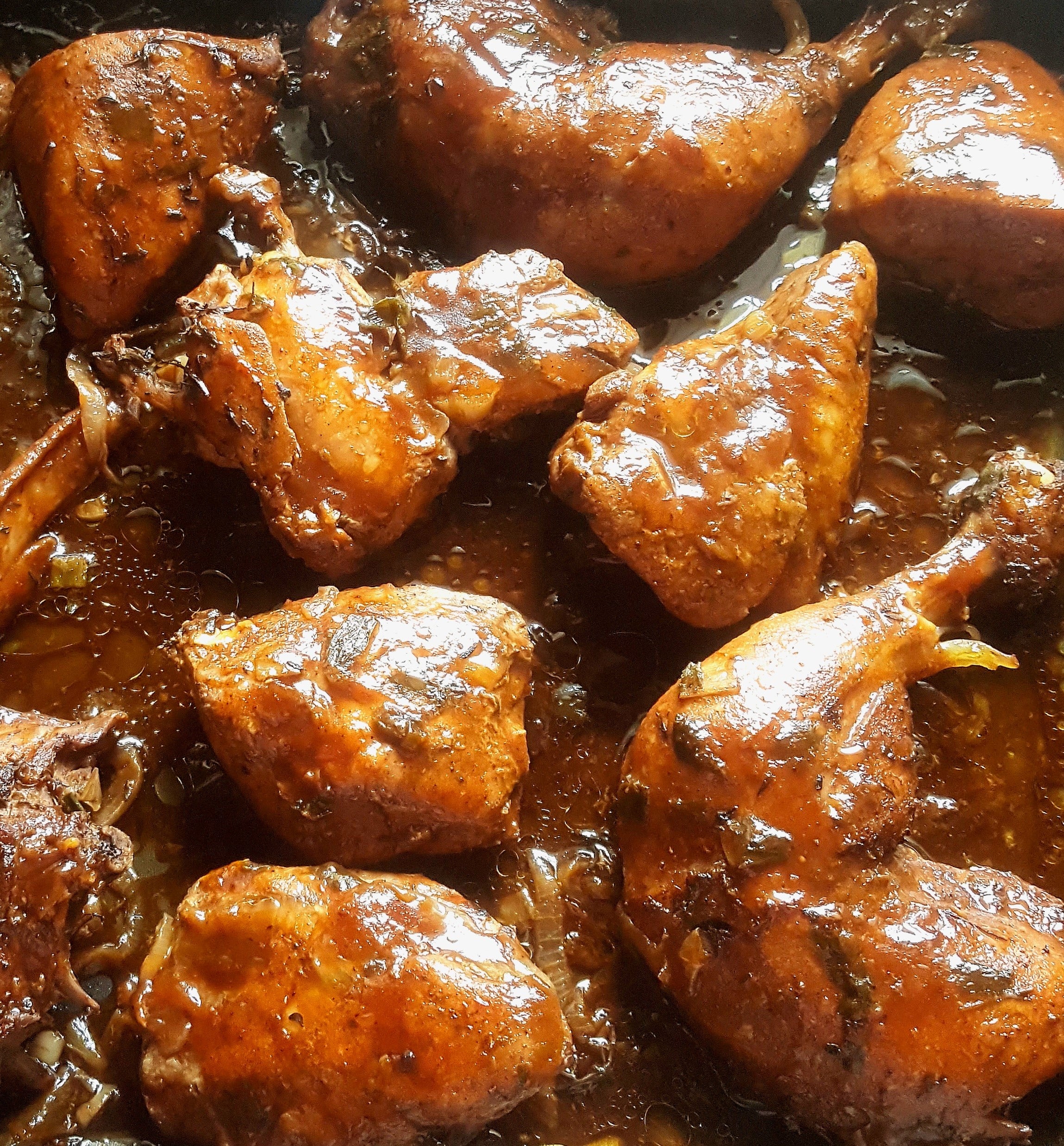
Because dry heat drives off moisture and concentrates flavor, it suits foods you want browned and slightly crisp: root vegetables, chicken thighs, steaks, and firm fish. The trick is enough heat and enough space — crowd the pan or tray and food steams in its own moisture instead of browning.
Moist-heat methods: boiling, simmering, and steaming
Moist-heat cooking uses water or steam to transfer heat. Boiling is fast and vigorous, ideal for pasta and blanching vegetables. Simmering is gentler, keeping delicate foods intact while they cook through — think poached eggs or a pot of beans. Steaming cooks food above the water rather than in it, preserving color, texture, and water-soluble nutrients particularly well, which makes it excellent for vegetables and fish.
Moist-heat methods do not brown food, so they excel when you want tenderness and clean flavor rather than a crust. They are also forgiving and low-fat, since no added oil is required.
Combination methods: braising and stewing
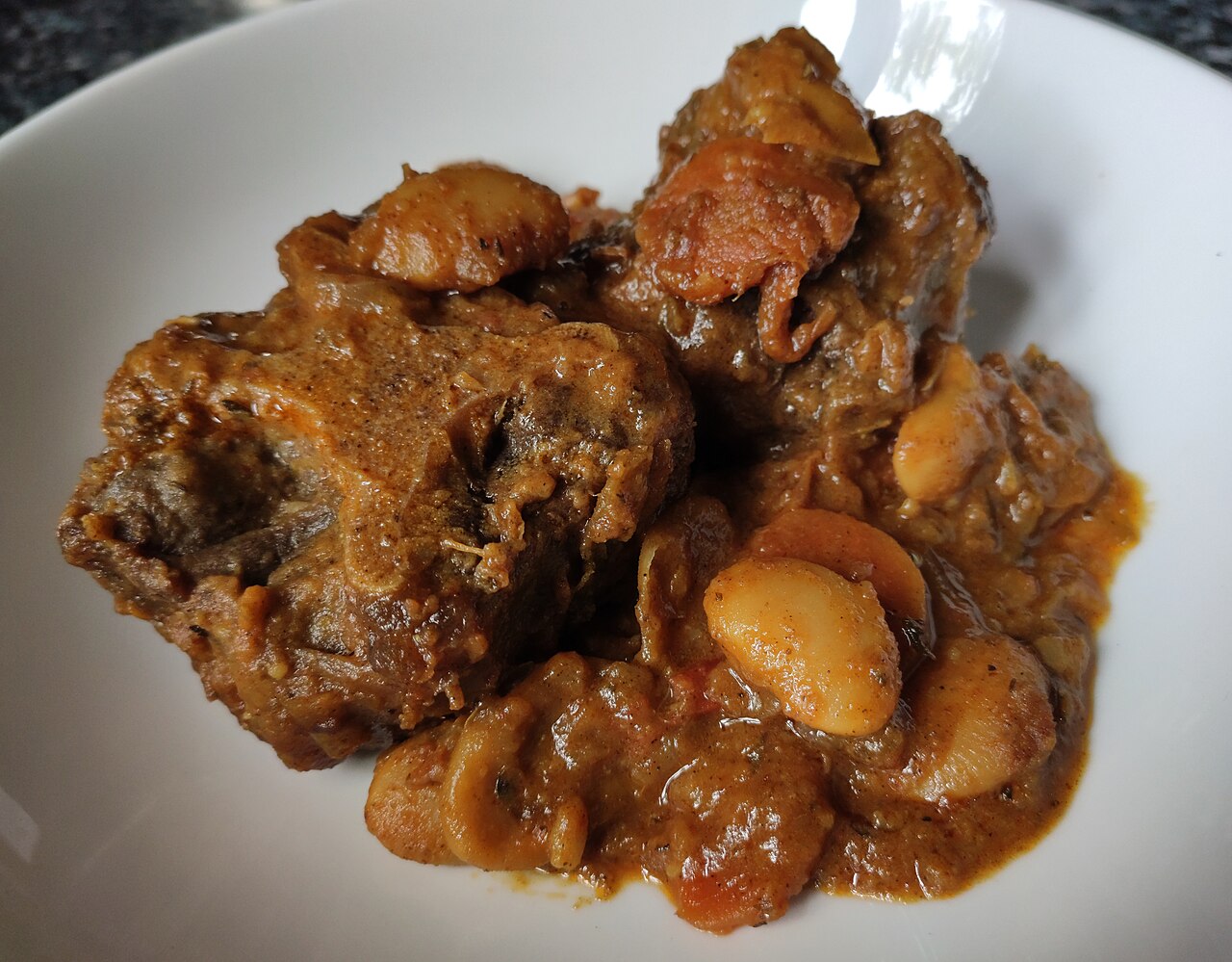
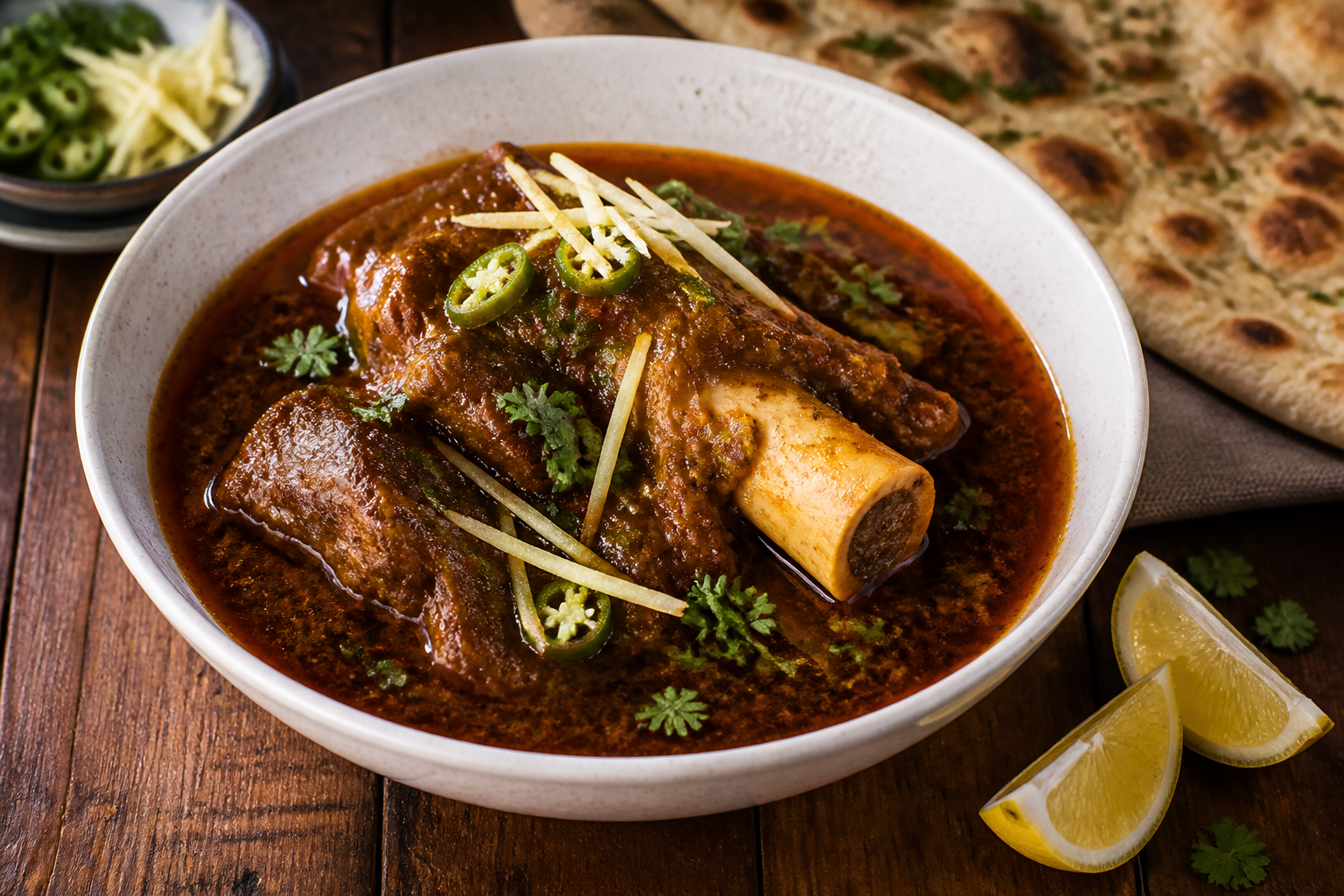
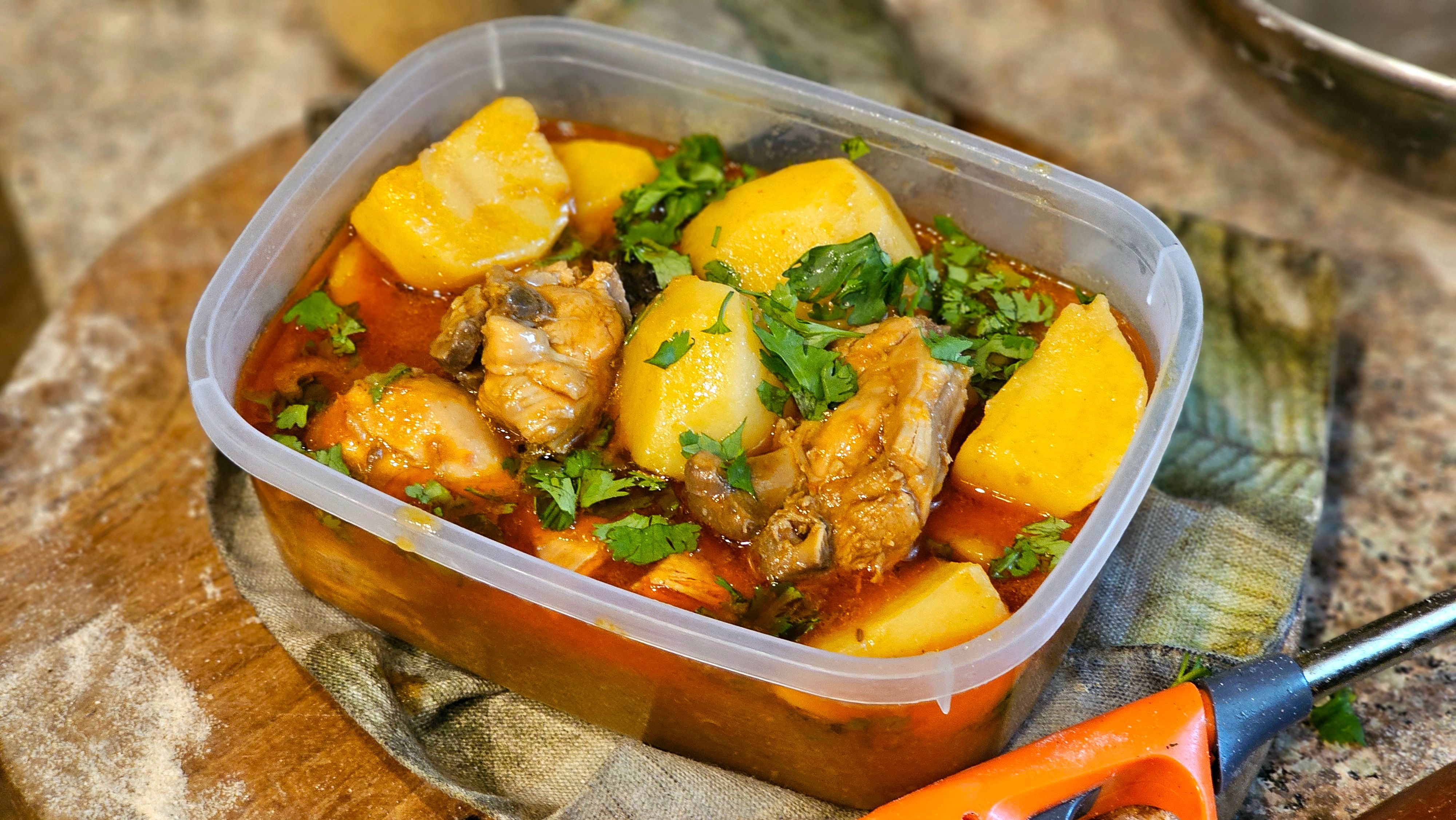
Some of the most satisfying dishes use both dry and moist heat. In braising and stewing, you first brown the food in a hot pan for flavor, then add liquid and cook it slowly, covered, until meltingly tender. This is how tough, inexpensive cuts of meat become fork-tender and how a humble pot of beans or root vegetables turns deeply savory.
The long, gentle cooking dissolves connective tissue into gelatin and lets flavors meld. Because the food cooks in its own liquid, nothing is wasted — the braising liquid becomes a rich sauce.
Choosing the right method
Match the method to the ingredient and the result you want. Tender, quick-cooking foods (fish fillets, tender vegetables, thin cuts) do well with fast dry heat or steaming. Tough, collagen-rich cuts reward slow, moist braising. Starchy staples like grains and pasta need boiling or simmering. Once you understand what each method does, you can cook confidently even without a recipe — you simply choose the method that produces the texture you are after.