Why legumes belong in every kitchen
Legumes — the family that includes beans, lentils, chickpeas, and split peas — are among the most valuable foods you can cook with. They are inexpensive, shelf-stable, rich in plant protein and fiber, and remarkably filling. A pantry stocked with a few kinds of dried or canned legumes is a pantry that can always produce a nourishing meal.
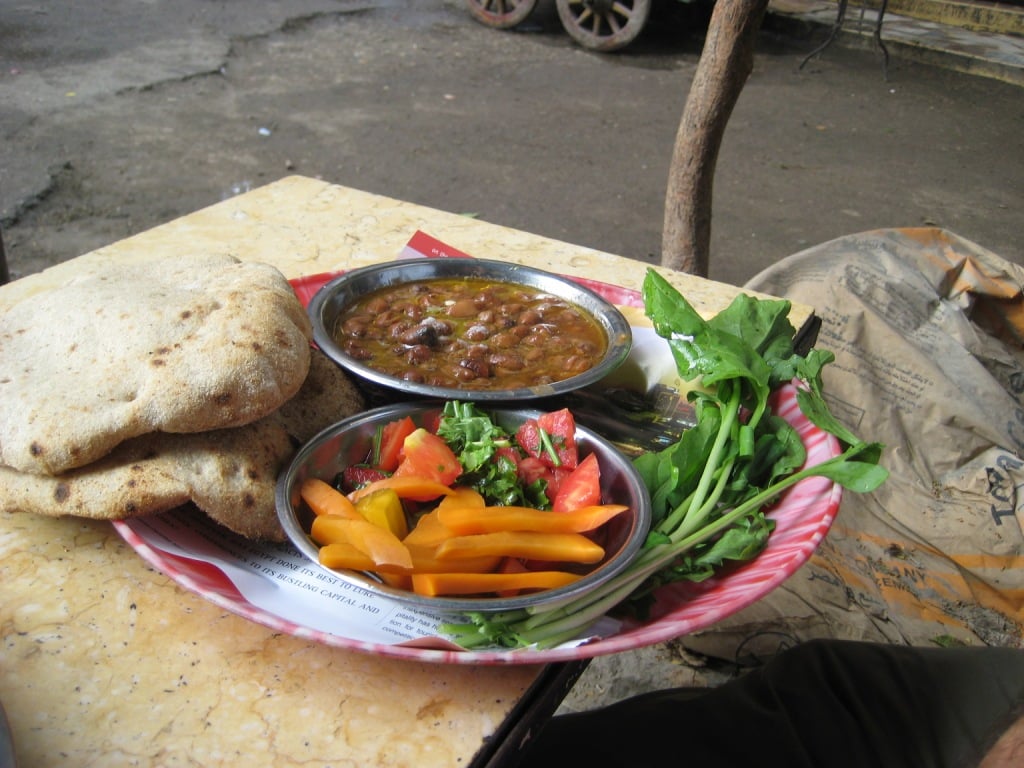
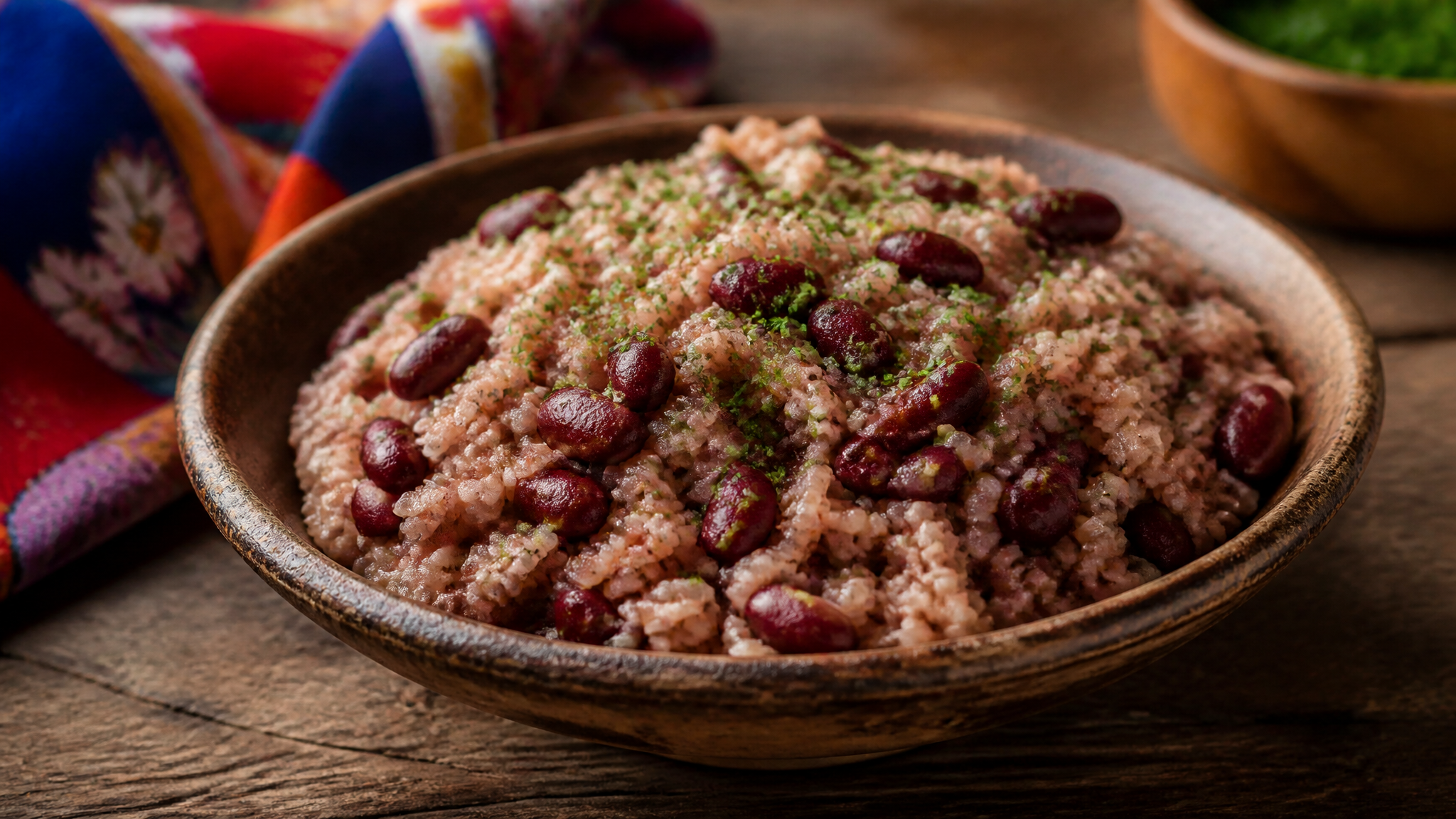
Nutritionally they are a powerhouse: high in protein and fiber, low in fat, and full of iron, folate, and potassium. Pairing them with whole grains gives you a complete protein, which is why rice and beans, hummus and pita, and dal with roti are staple combinations across so many cuisines.
Dried versus canned
Canned legumes are a genuine convenience — already cooked, they need only a rinse and a few minutes of warming. Keep several cans on hand for weeknight speed. Dried legumes are cheaper, offer more variety, and let you control texture and seasoning, at the cost of planning ahead.
Most dried beans benefit from a soak (overnight, or a quick hot soak) to shorten cooking and cook more evenly, though lentils and split peas need no soaking at all. Cook dried legumes gently in plenty of water until creamy, and salt them toward the end or once tender — salting the cooking water is fine and, contrary to old kitchen lore, does not keep them from softening.
Season them well
Legumes are a blank, hearty canvas that rewards bold seasoning. Cook them with aromatics — onion, garlic, bay, a piece of chili — and finish with acid and fat, which transform a pot of plain beans into something crave-worthy. A drizzle of good olive oil and a squeeze of lemon at the end does wonders.
Use them as the base of a meal rather than an afterthought: lentil soups and dals, chickpea curries and stews, bean tacos and chili, hummus and other dips, and hearty salads. Cook a big batch and they will anchor lunches and dinners all week, and they freeze beautifully.