
Black-Eyed Peas
Creamy, quick-cooking legumes at the heart of Southern and West African cooking.
Also known as: cowpeas, black-eyed beans, Vigna unguiculata
Overview
Black-eyed peas are small, cream-colored legumes marked by a distinctive dark spot, botanically a cowpea rather than a true pea. Originating in West Africa, they traveled to become a cornerstone of Southern, Caribbean, and Creole cooking as well.
They cook faster than most dried beans and rarely need soaking, turning tender and creamy while holding their shape. Earthy and subtly sweet, they anchor dishes from Southern Hoppin' John to West African akara fritters and stews.
Culinary Uses
- Simmered with aromatics and smoked meat or spices into stews and Hoppin' John.
- Ground into a batter and fried as akara fritters.
- Tossed into salads and grain bowls for protein.
- Cooked into curries and braises across West Africa and the Caribbean.
Flavor Profile
- Earthy and mildly sweet with a creamy, tender texture.
- Milder than kidney or black beans, taking on seasoning readily.
- Holds its shape well without turning mushy.
Storage
- Store dried peas in an airtight container in the pantry for up to a year.
- Refrigerate cooked peas for up to five days.
- Freeze cooked portions for longer storage.
Preparation
- Rinse and pick over dried peas; a soak is optional and speeds cooking slightly.
- Simmer gently until tender, about 45 minutes to an hour unsoaked.
- Canned peas need only rinsing and a brief warm-through.
Nutrition
Black-eyed peas are rich in plant protein and fiber.
They provide folate and minerals with very little fat.
A satisfying, meat-free protein source.
Supports digestion and steady energy.
Important for cell growth and development.
Dietary Considerations
- Naturally vegan, vegetarian, gluten-free, and dairy-free.
- An affordable, high-protein legume; introduce gradually if new to beans.
Nutrition information is educational and approximate; it varies by variety, portion, and preparation, and is not a substitute for professional dietary advice.
Common Pairings
Recipes with Black-Eyed Peas

Ghanaian Waakye
A hearty Ghanaian one-pot of rice and black-eyed peas cooked with dried sorghum leaves that lend a signature reddish hue — a beloved street-food staple served with sides and pepper sauce.

Nigerian Moi Moi (Steamed Bean Pudding)
A savory Nigerian steamed pudding of blended black-eyed peas, peppers, and onion — protein-rich, naturally gluten-free, and a beloved party and everyday staple.
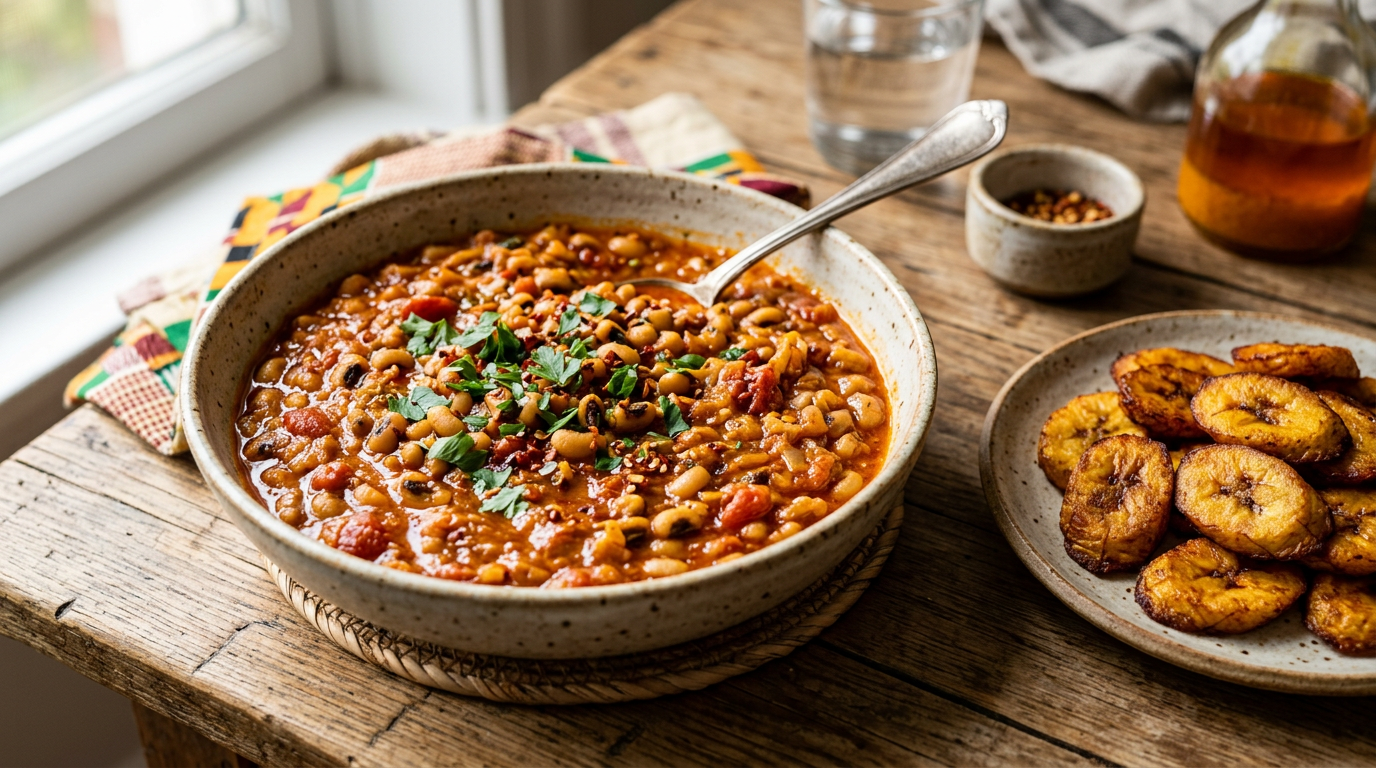
West African Red Red (Black-Eyed Pea Stew)
A Ghanaian favorite of black-eyed peas simmered in a rich red palm-oil and tomato sauce, traditionally served with fried plantains — hearty, naturally vegan, and full of warmth.
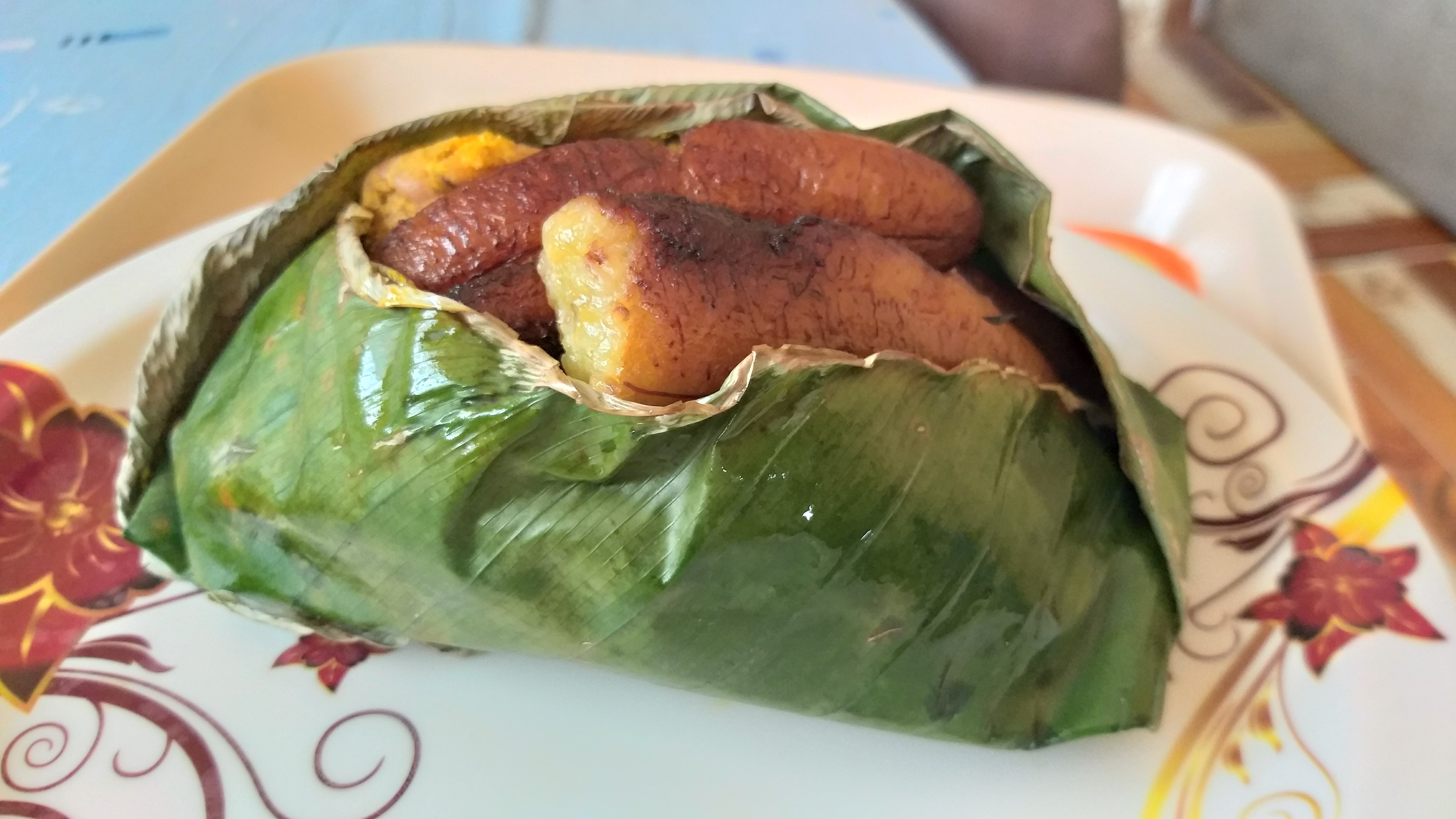
Ghanaian Red Red
A hearty Ghanaian black-eyed pea stew simmered in a red palm-oil and tomato base — smoky, rich, vegan, and made for batch cooking. Traditionally served with fried plantain.
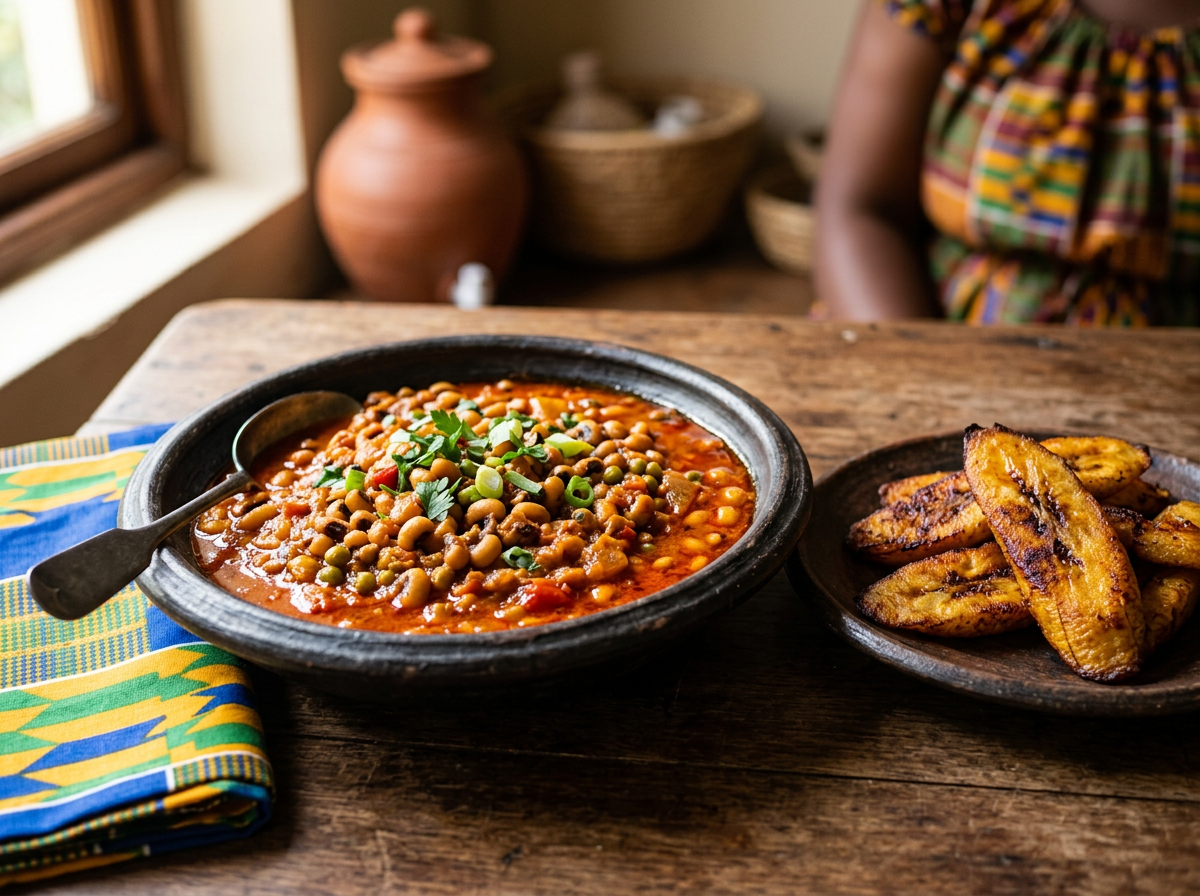
Ghanaian Red Red (Black-Eyed Pea Stew)
A beloved Ghanaian street-food classic of black-eyed peas simmered in a vivid red palm-oil and tomato sauce, served with sweet fried ripe plantains. Naturally vegan, deeply satisfying, and full of warm West African flavor.
Explore Related Cuisines
Related Ingredients

Cooking Guides You May Like
Cooking with Legumes: A Plant-Based Foundation
Cheap, nourishing, and endlessly versatile, legumes are the most underrated staple in the kitchen. Here is how to cook them well.
Cooking Dried Beans from Scratch
A bag of dried beans is one of the best values in the kitchen. Cooking them well is easier than you think.