The philosophy of using it all
Root-to-stem (for produce) and nose-to-tail (for meat) cooking share a simple principle: use as much of an ingredient as possible rather than discarding perfectly good, flavorful parts. It is both an ethical stance against waste and a practical way to stretch a food budget — and, happily, many of the overlooked parts are delicious.
This approach reconnects cooking with an older, thriftier tradition, where broccoli stems, carrot tops, and cheaper cuts were never thrown away but transformed into something worth eating.
Getting more from vegetables
Broccoli and cauliflower stems are sweet and tender when peeled and roasted or shaved raw. Carrot and beet tops become pesto, chimichurri, or a soup base. Herb stems carry huge flavor and belong in stocks and blended sauces. Vegetable scraps — onion skins, celery ends, mushroom stems — can be saved in a freezer bag and simmered into a free, flavorful stock.
Even peels, when clean, can be roasted into crisps or added to stock, turning what looks like trash into genuine ingredients.
Making the most of meat
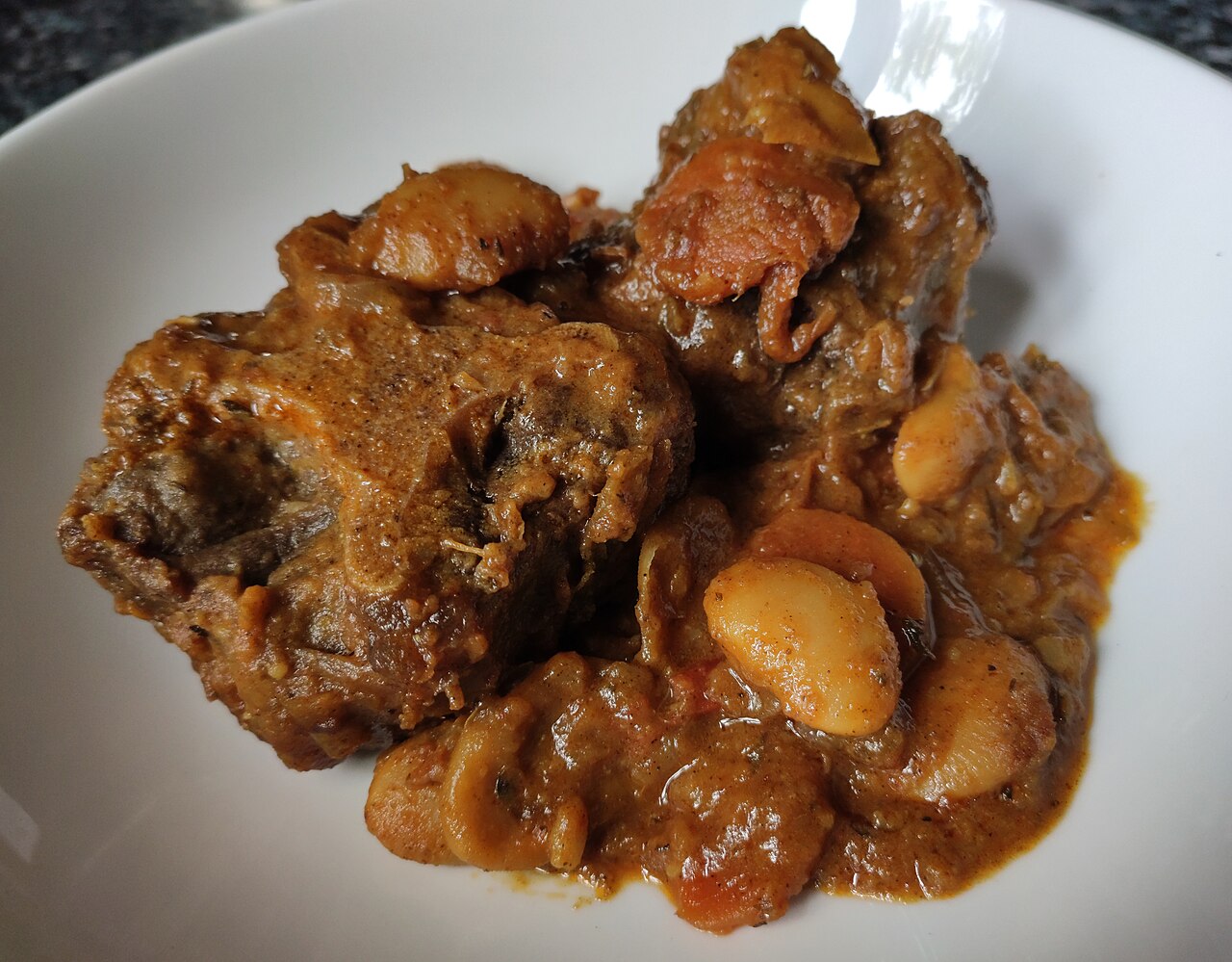
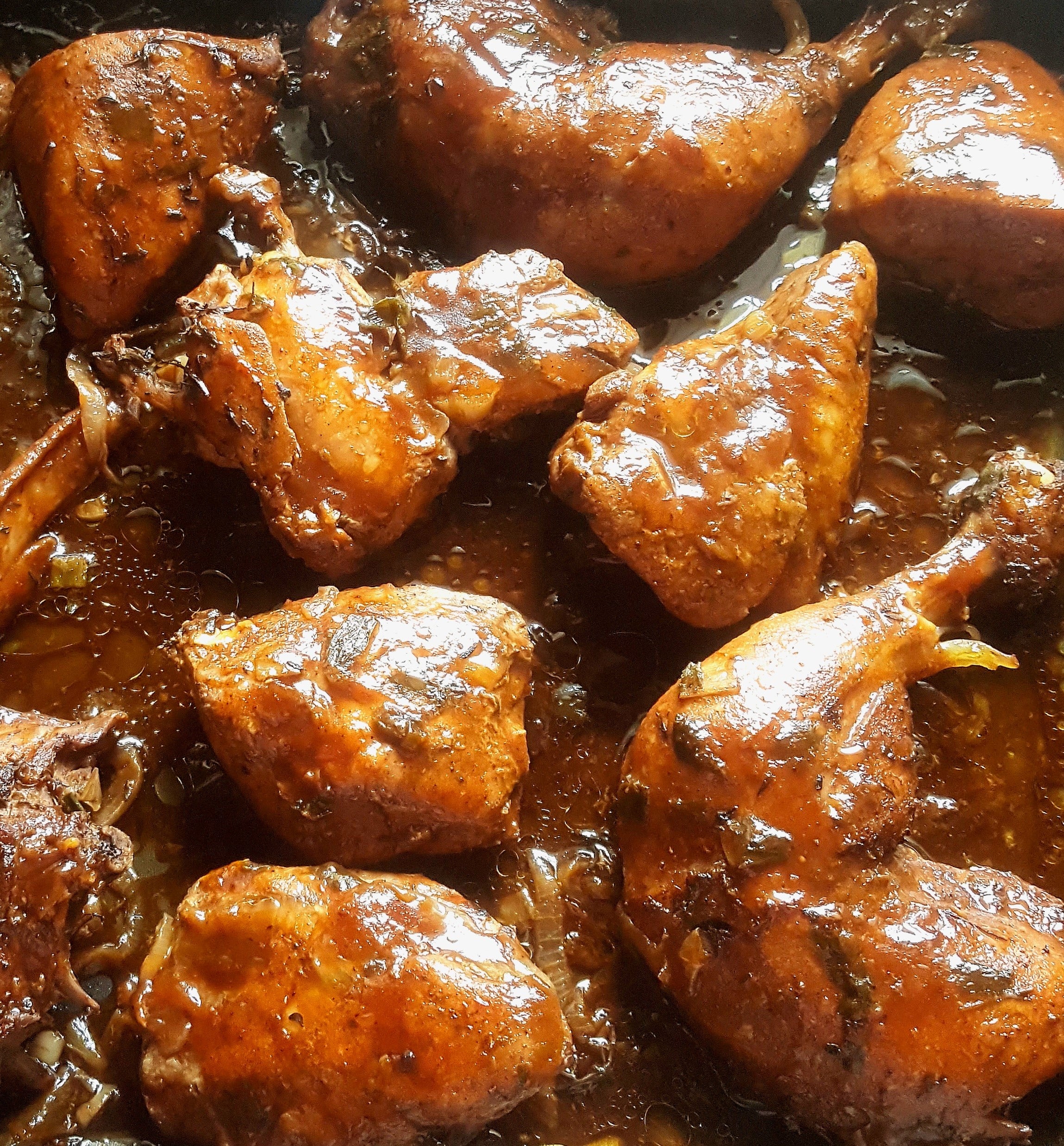
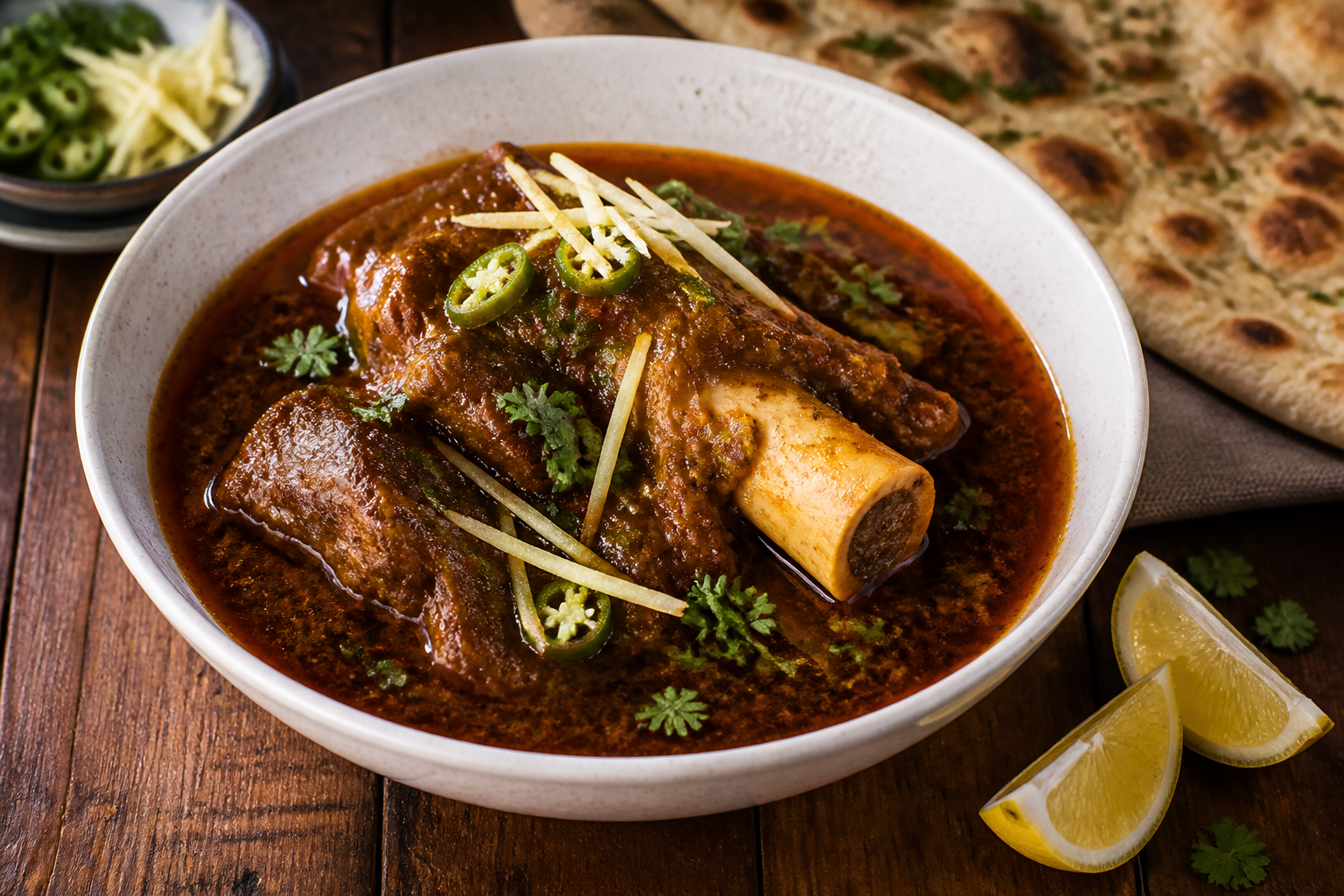
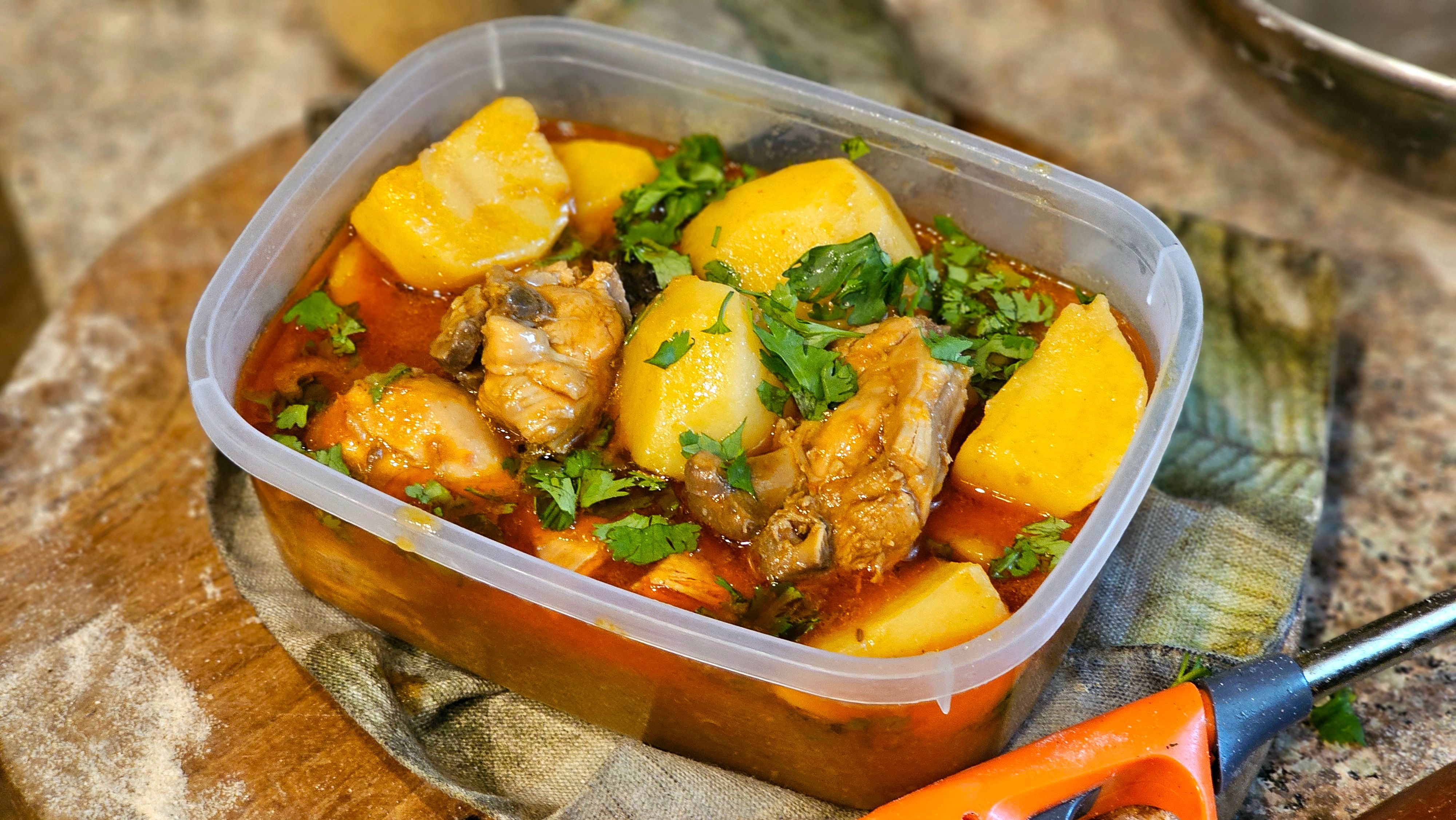
Cheaper, tougher cuts — shoulder, shank, cheeks — reward slow braising with deep flavor and tenderness, often surpassing pricier cuts. Bones make rich stock; a roast chicken carcass alone yields liters of it. Rendered fat becomes cooking fat, and less glamorous parts shine in stews and slow cooks.
You do not have to embrace every part to benefit. Simply buying whole chickens, saving bones for stock, and choosing braising cuts already cuts waste and cost meaningfully.