Why cheap cuts are worth it
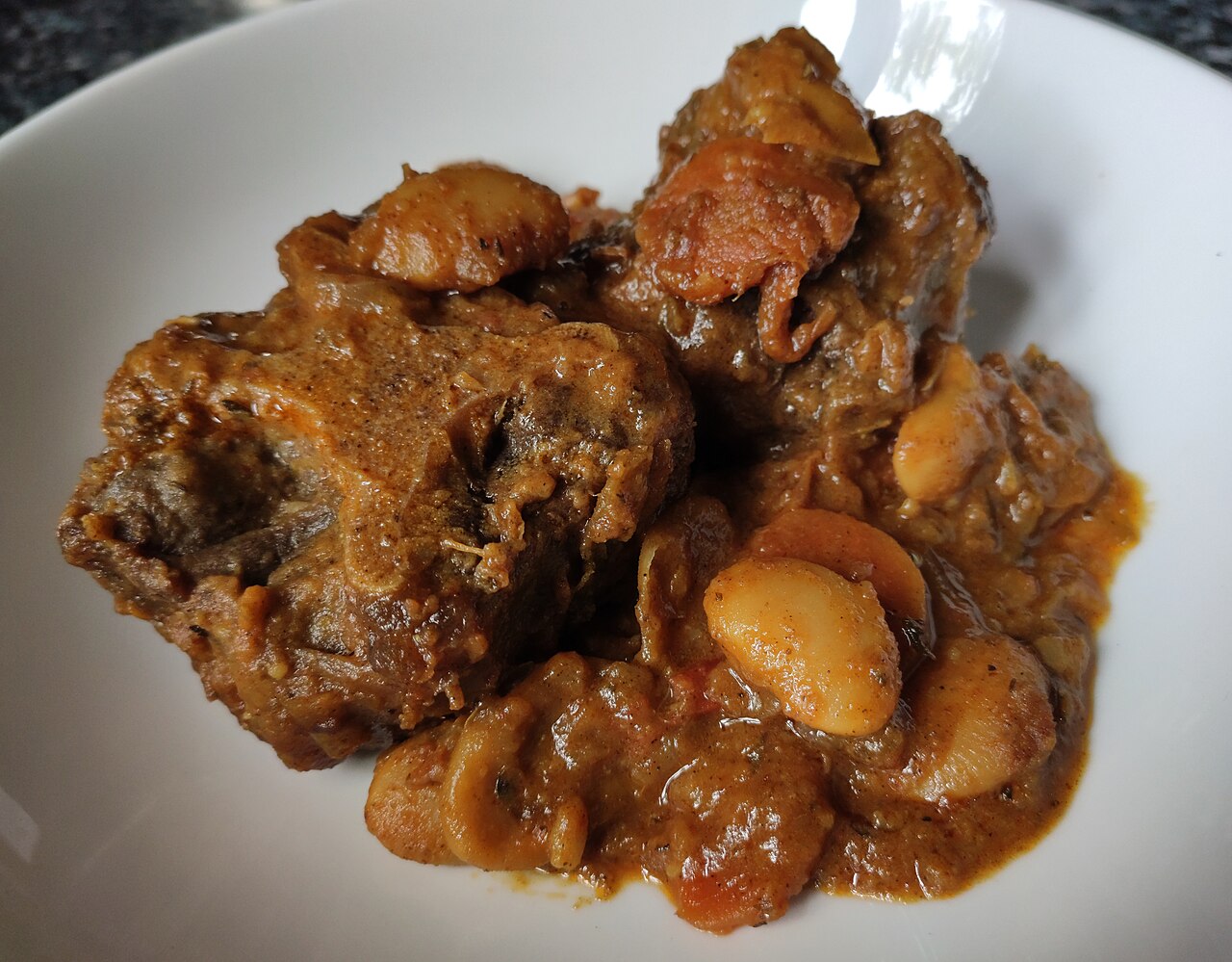
The most affordable cuts — chuck, brisket, shank, shoulder, thighs, and the like — come from hard-working muscles rich in connective tissue and fat. Cooked quickly they are tough, which is why they are cheap, but cooked low and slow that connective tissue melts into gelatin, giving meltingly tender meat and deeply flavored sauces that premium cuts cannot match.
In other words, these cuts reward technique over spending. A little know-how turns a bargain into a feast.
The techniques that transform them
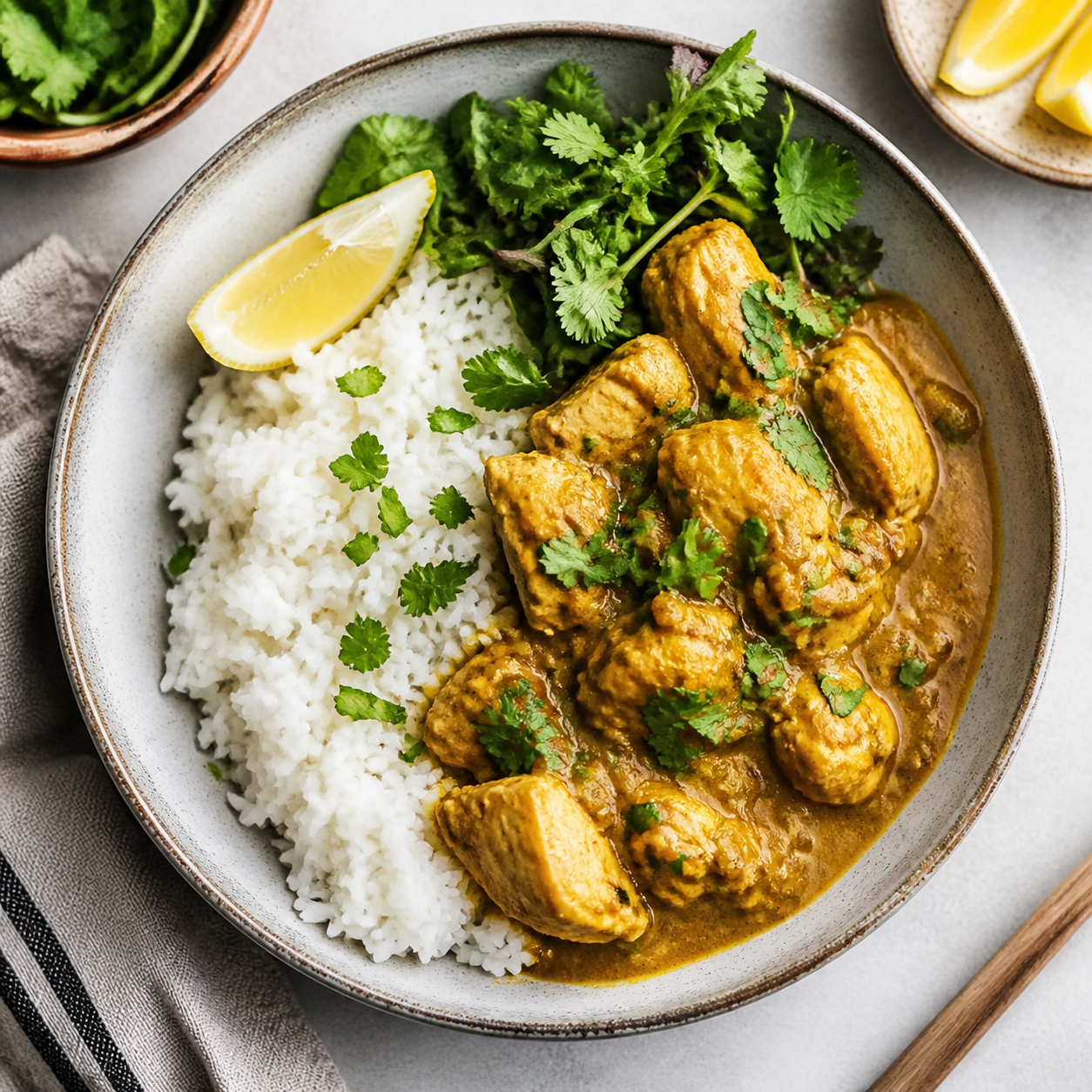
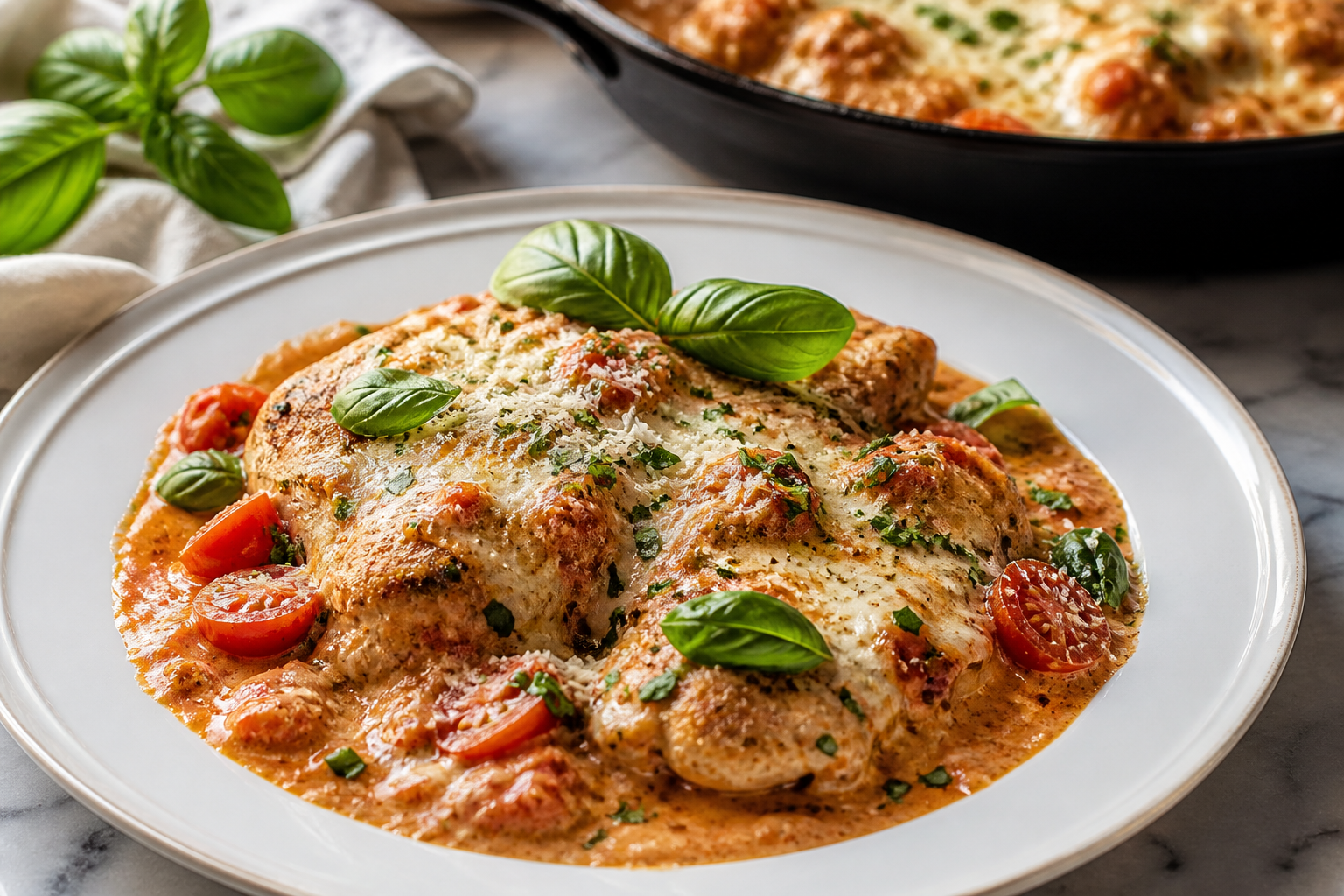
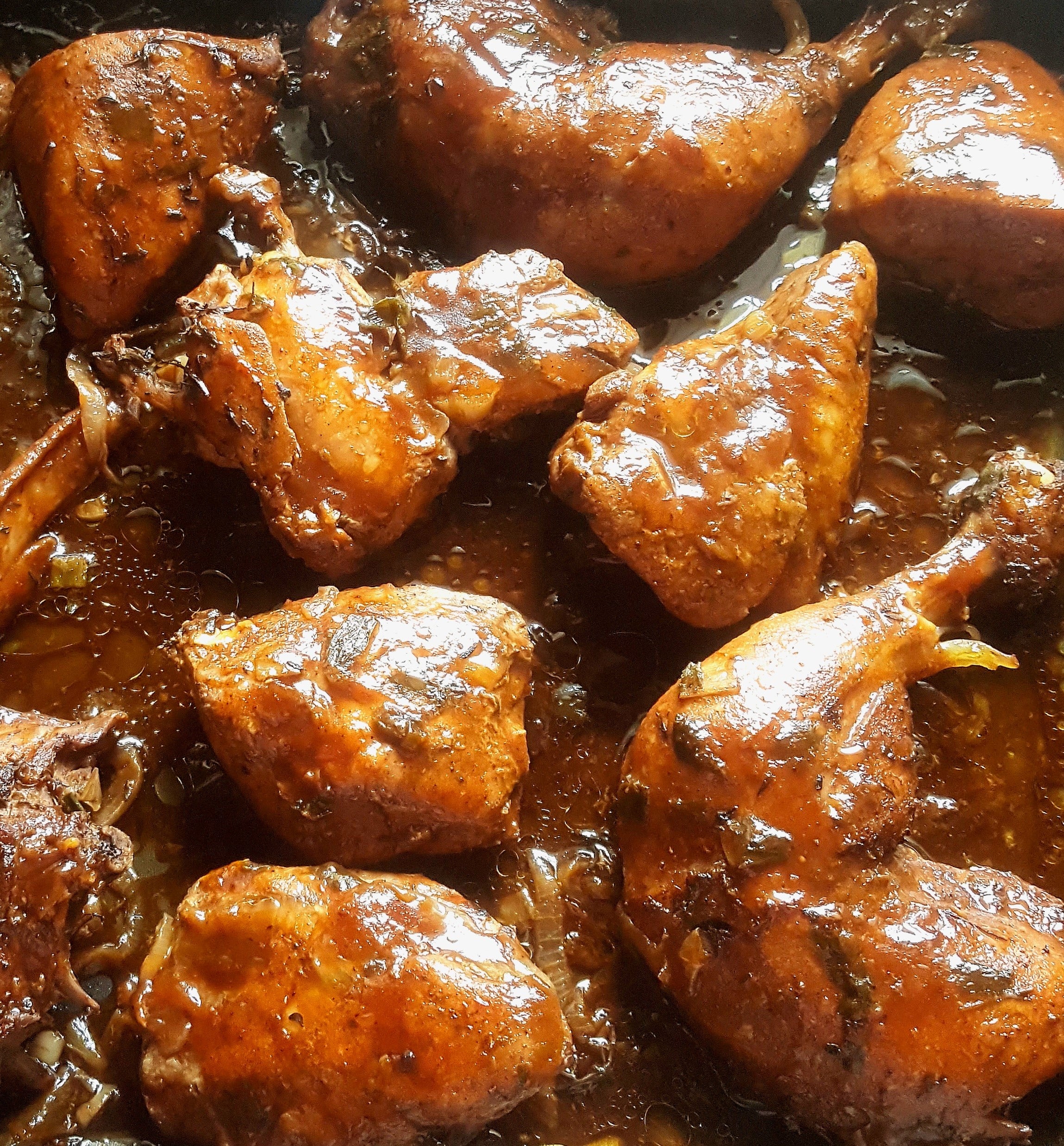
Braising and stewing are the classic answers: brown the meat for flavor, then simmer it gently in liquid, covered, for a long time until it falls apart. Chicken thighs stay juicy where breasts dry out; pork shoulder becomes pulled pork; beef chuck becomes rich stew or ragu. Slow roasting and pressure cooking achieve similar transformations.
Marinades and salting ahead help too, seasoning the meat throughout and, in the case of tougher cuts, improving texture. Patience is the key ingredient — these cuts cannot be rushed.
Buying and planning
Talk to a butcher or read labels to identify braising cuts, and buy larger pieces to portion and freeze. Because these dishes often taste even better the next day and freeze well, cheap cuts are perfect for batch cooking — one long, mostly hands-off braise can yield several meals.
Round out the plate with inexpensive grains, beans, and vegetables, and a modest amount of meat stretches generously while delivering big flavor.