Build meals around cheap, filling staples
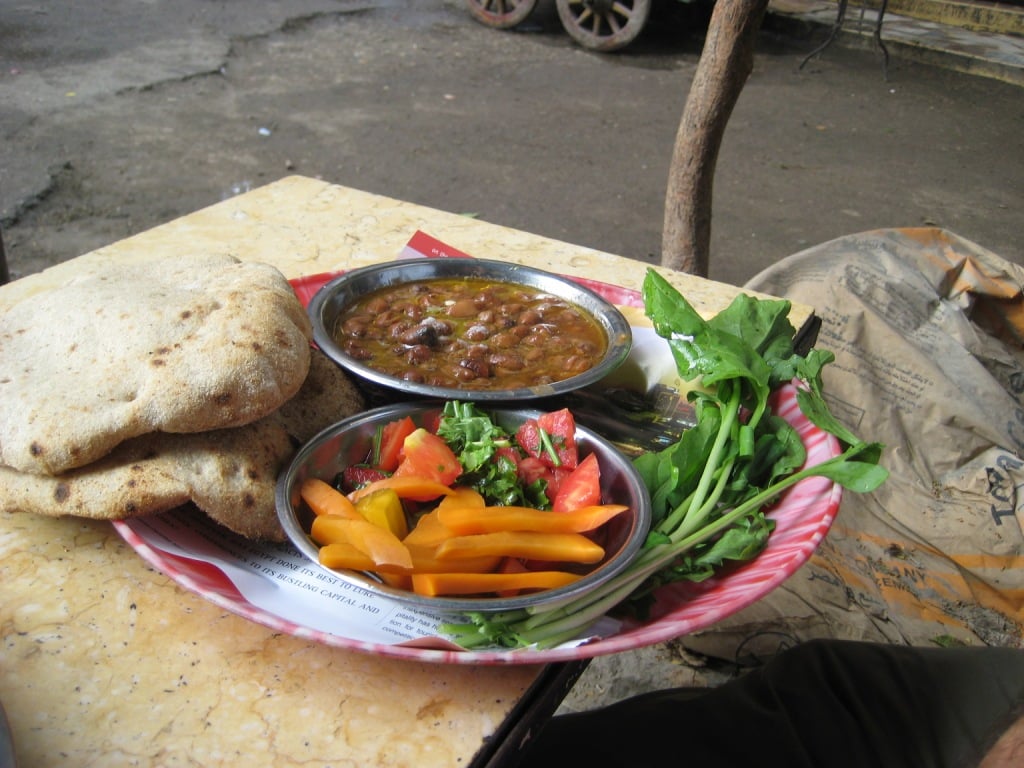
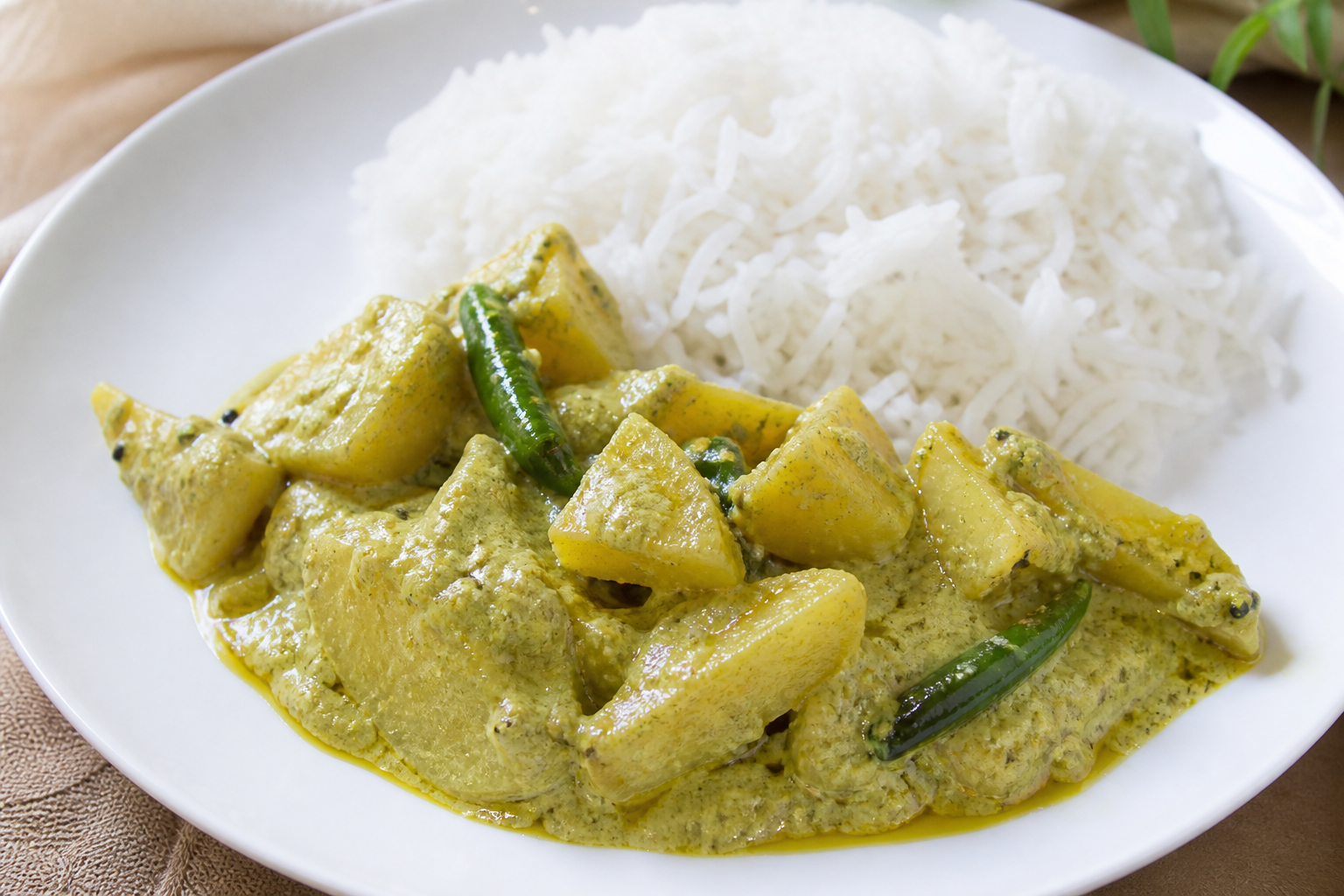
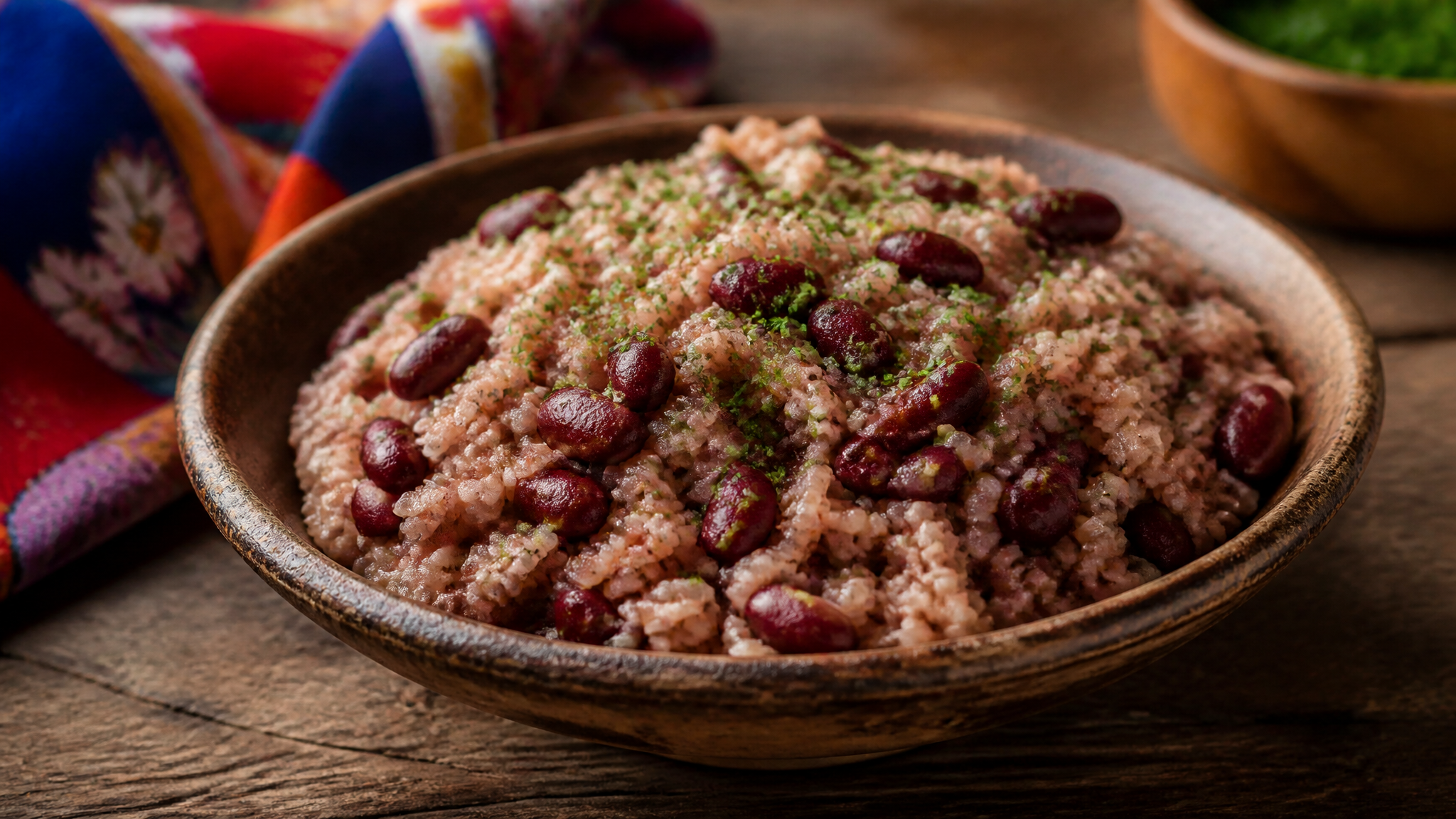
The most reliable way to eat well on a student budget is to anchor your meals to a handful of inexpensive, versatile staples: rice, oats, dried or canned lentils and beans, eggs, pasta, potatoes, and frozen vegetables. These cost very little per serving, keep for weeks or months, and combine into dozens of different meals. A bag of lentils and a few onions can become soup one night, a curry the next, and a filling grain bowl the day after.
Protein is usually the most expensive part of a meal, so lean on the cheapest sources: eggs, canned fish, dried legumes, and tofu deliver plenty of protein for a fraction of the cost of fresh meat. When you do buy meat, treat it as a flavoring rather than the centerpiece — a small amount stirred through a big pot of rice and vegetables stretches much further.
Shop smart and waste nothing
Write a short list before you shop and stick to it — impulse buys are where student budgets quietly disappear. Buy generic or store-brand versions of staples, which are usually identical to name brands at a lower price, and check the unit price rather than the sticker price to compare sizes honestly. Frozen and canned vegetables are just as nutritious as fresh, cost less, and never wilt in the back of the fridge before you use them.
Food waste is money in the bin. Plan a couple of meals that use the same ingredients so nothing is bought for a single recipe and then forgotten. Keep a running "use it up" shelf in your fridge for things nearing their end, and turn odds and ends into fried rice, frittatas, or soup — all of which are designed to absorb whatever you have on hand.
Cook once, eat several times
When you have limited time between classes and work, batch cooking is your best friend. Make a large pot of chili, curry, or pasta sauce at the weekend and portion it into containers for the week; most improve after a day in the fridge and freeze well for later. This costs less per serving than cooking every meal from scratch and spares you the temptation of expensive takeout when you are tired.
A basic set of equipment is enough to get started: one good pot, one frying pan, a sharp knife, a cutting board, and a few storage containers. You do not need gadgets — you need a few reliable recipes you can make almost without thinking.