Why batch cooking saves
Batch cooking concentrates the two scarcest resources in home cooking — time and willpower — into a single session, then spreads the payoff across the week. Cooking in bulk lowers the cost per serving (big bags and cheaper cuts make sense at scale), slashes the 6 p.m. takeout temptation, and dramatically cuts waste because ingredients get fully used rather than half-forgotten. It is the backbone of eating well for less.
It also buys back your evenings. A week where dinner is mostly “reheat and add something fresh” is calmer, cheaper, and far less likely to end in a delivery order.
Cook components, not just meals
The secret to not getting bored is to batch flexible components rather than five identical dinners. A big pot of grains, a tray of roasted vegetables, a batch of cooked beans or lentils, a versatile protein, and a couple of sauces or dressings can be recombined into completely different plates all week — grain bowls, wraps, soups, stir-fries, salads. Same prep, different meals.
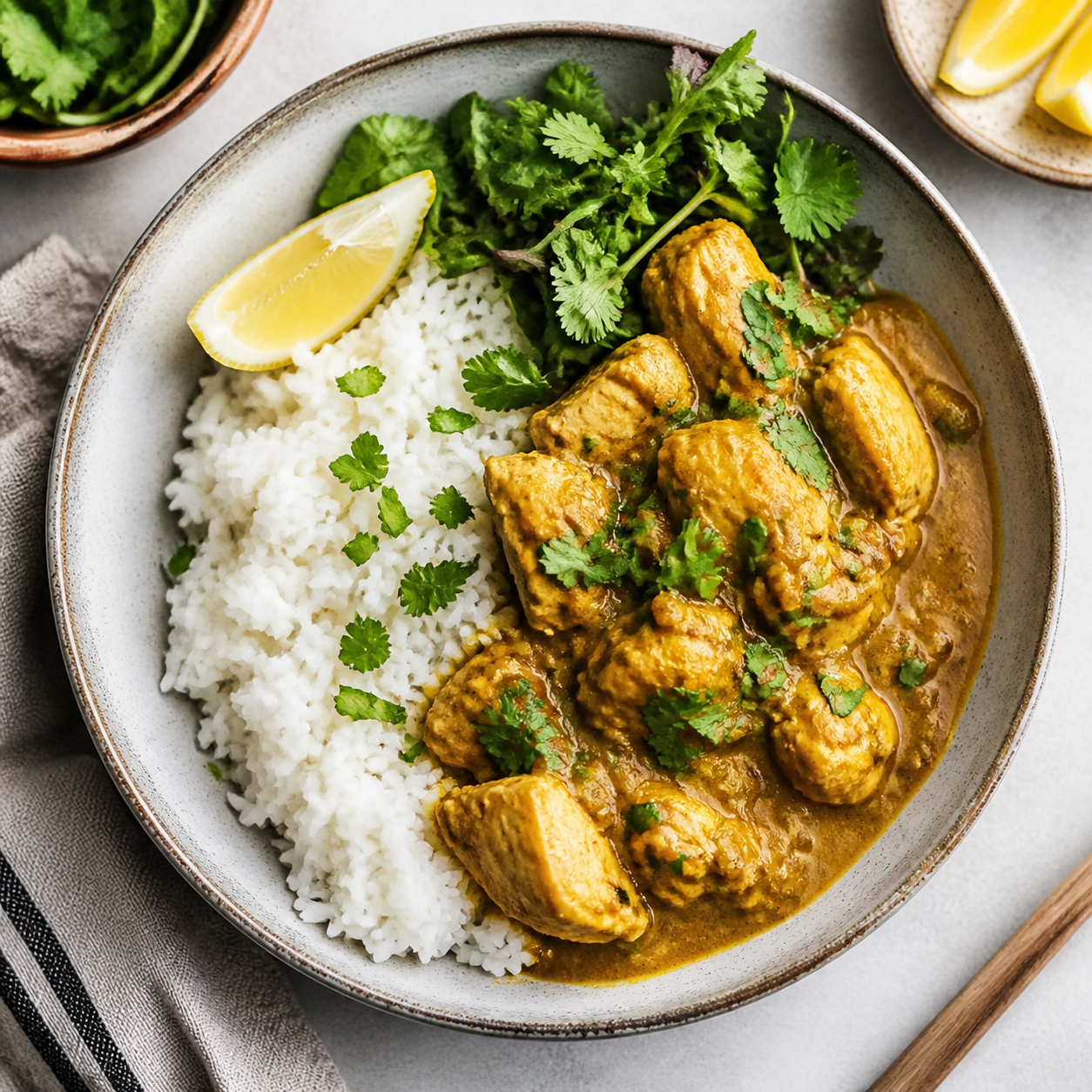
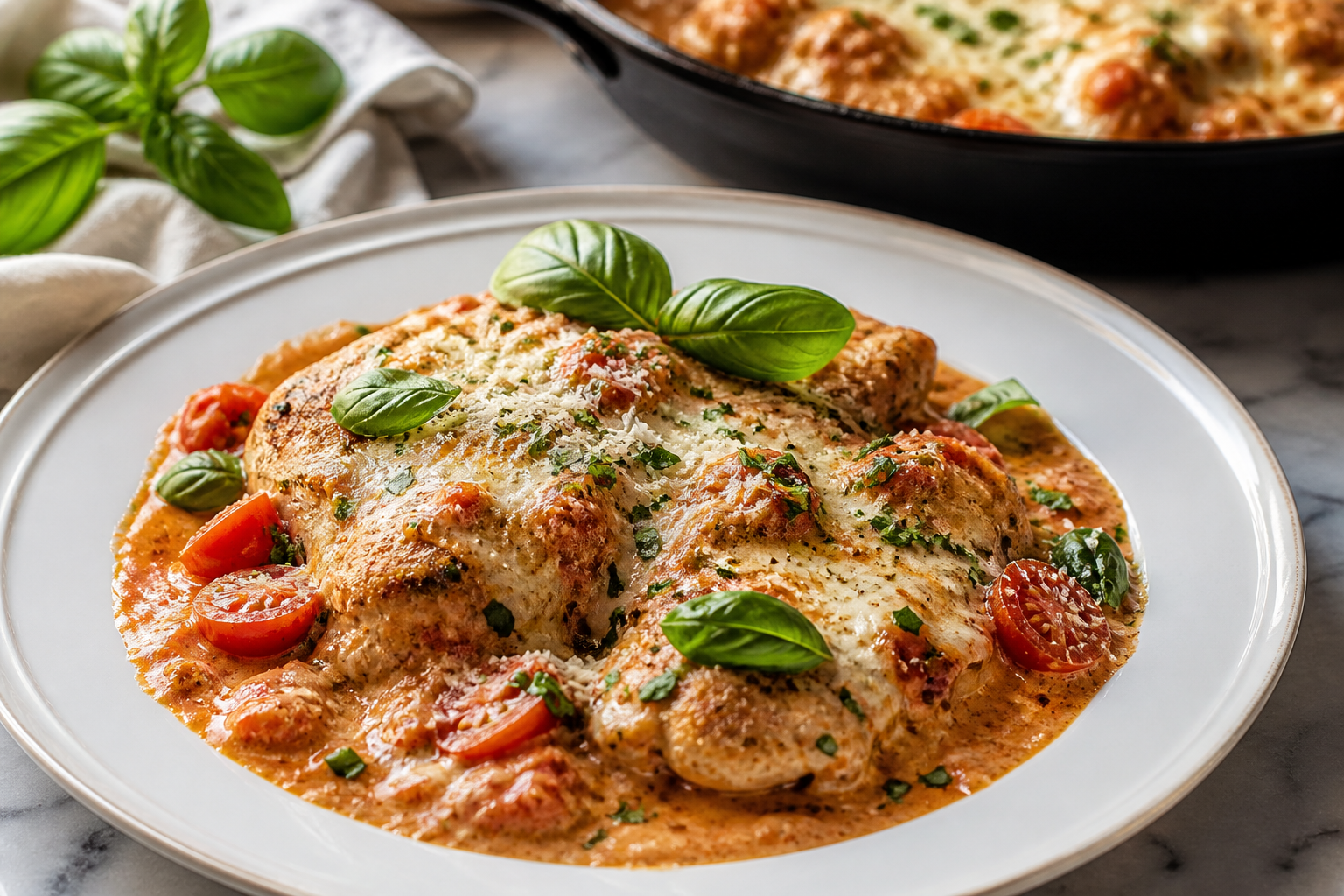
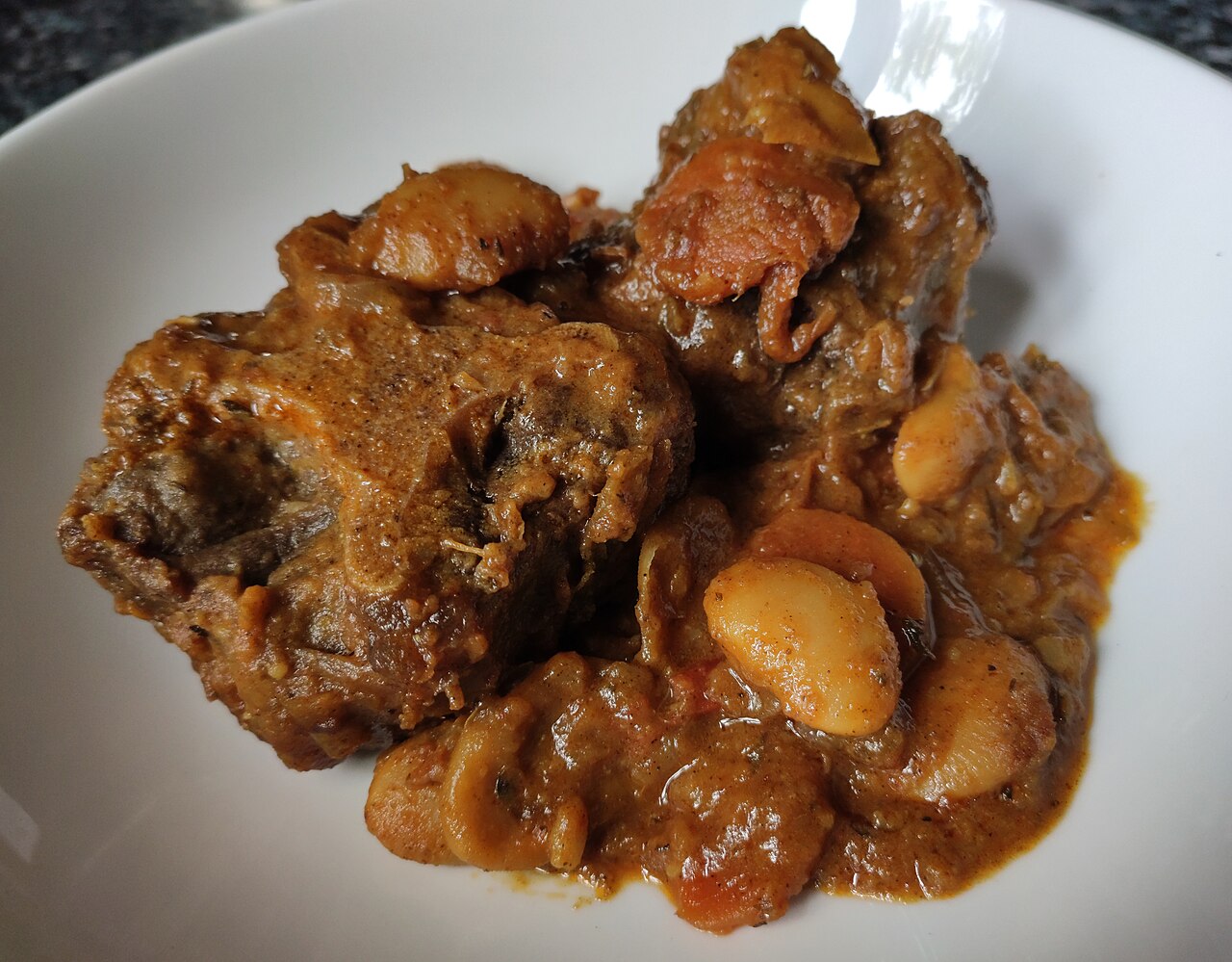
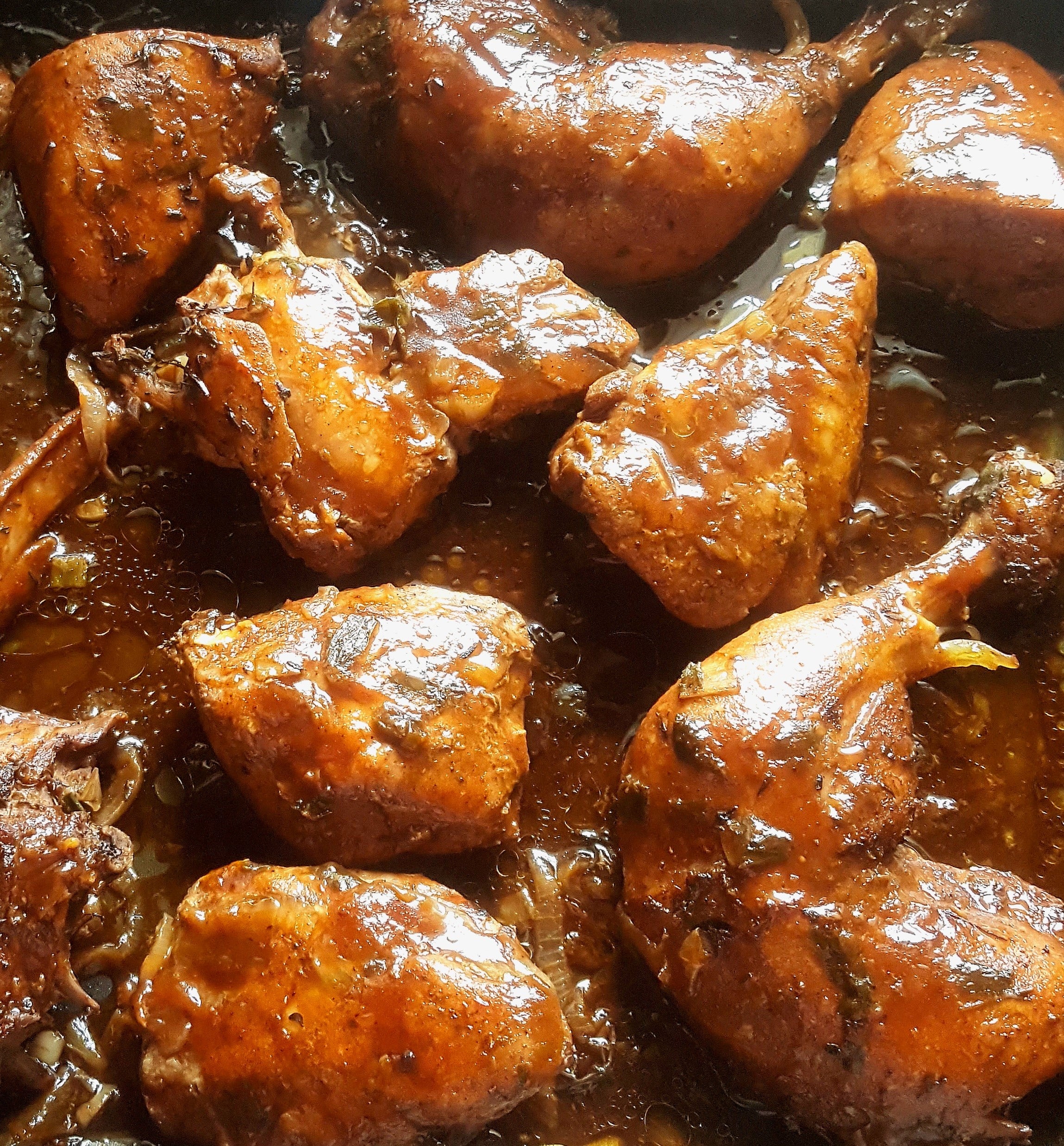
Anchor dishes that genuinely improve as leftovers — chilis, curries, stews, tomato sauces — are perfect for cooking as full meals in double batches, since they only get better by day two.
Store it so it lasts
Cool cooked food promptly and refrigerate in airtight containers; most cooked dishes keep three to four days in the fridge and far longer frozen. Portion into meal-sized containers so reheating is effortless, and freeze anything you will not eat within a few days — label it with the contents and date. Our freezer strategy guide covers this in detail.
Keep components slightly undercooked if you plan to reheat them, so they do not turn to mush the second time around, and store dressings and crisp elements separately until serving.
A simple weekly rhythm
Pick one prep session — many cooks like a weekend afternoon — and cook two anchor meals plus two or three components. Map the week loosely so you know which nights are reheats and which get a quick fresh dish, and build your shopping list from that plan. Within a couple of weeks it becomes a rhythm that saves money almost on autopilot.