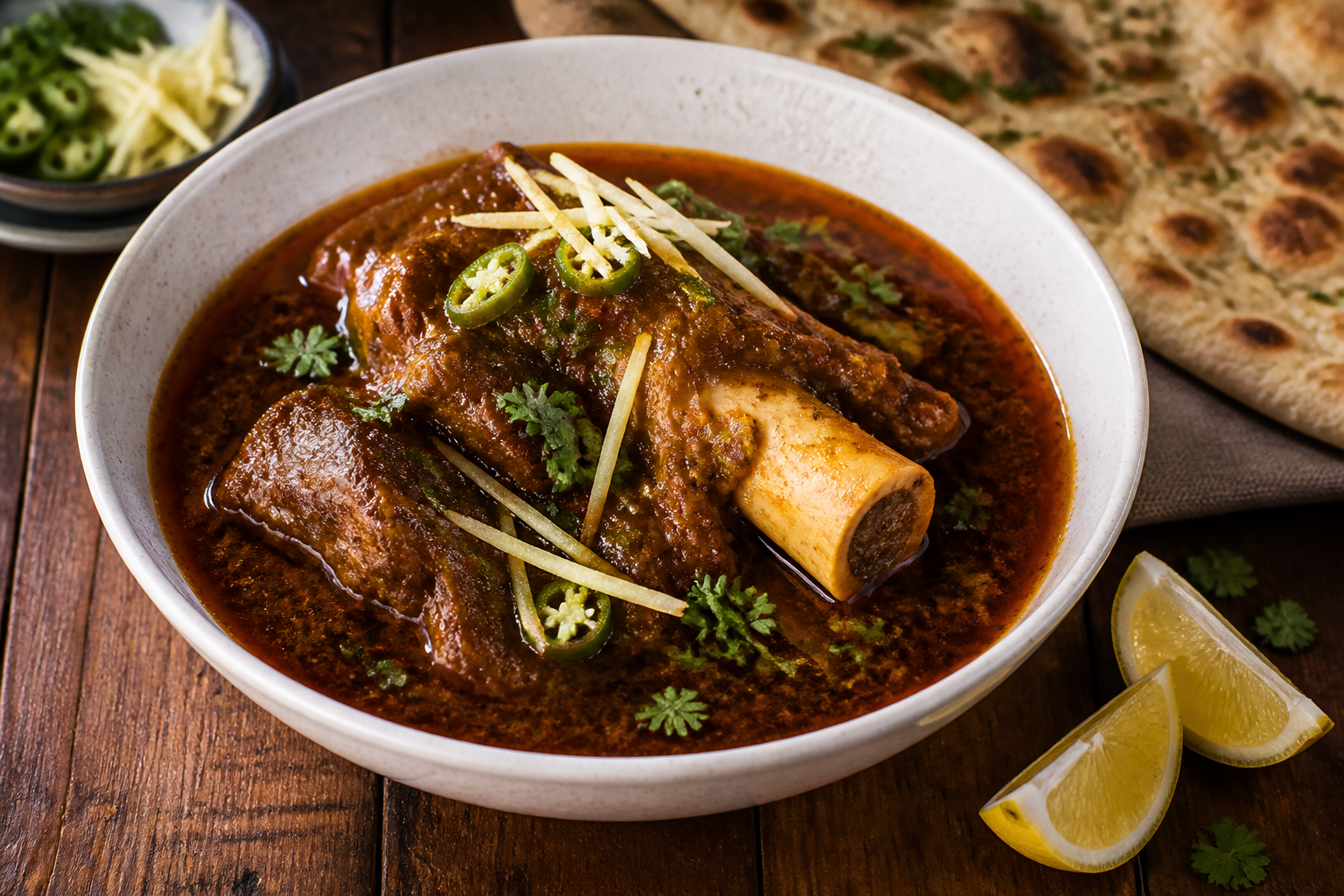
Build meals around affordable staples
Some of the most nutritious foods are also the cheapest. Dried beans and lentils, rice and other grains, eggs, seasonal vegetables, canned tomatoes, and frozen produce deliver enormous value. Building your week around these staples — and treating meat as a flavoring or occasional centerpiece rather than the base of every meal — dramatically lowers your grocery bill while keeping plates satisfying.
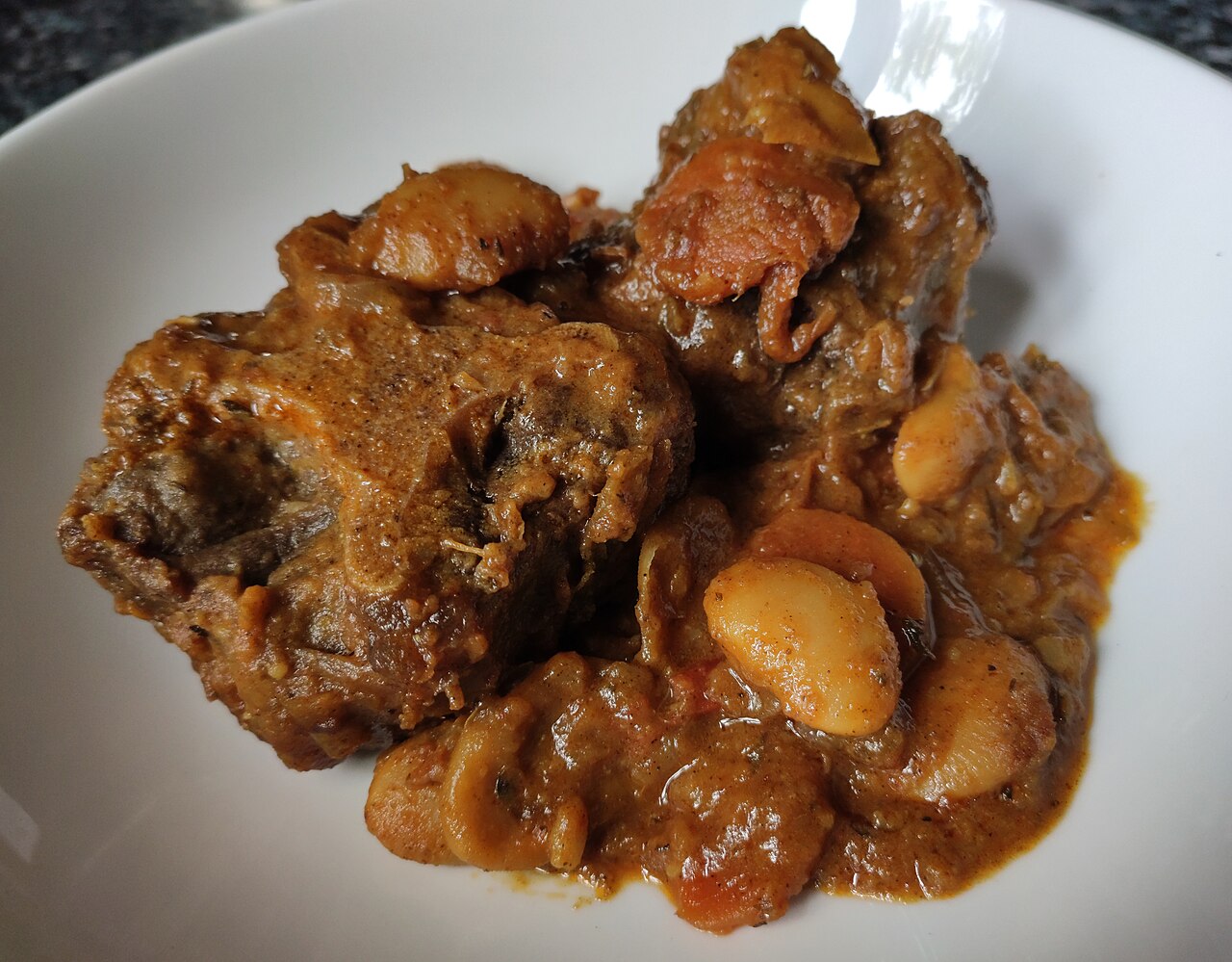
Legumes deserve special mention: a bag of dried beans costs little, stores for months, and provides filling protein and fiber. A pot of well-seasoned beans can anchor several different meals across a week.
Buy strategically
Shop seasonal produce, which is cheaper and better tasting, and buy shelf-stable staples in larger quantities when they are on sale. Frozen fruits and vegetables are picked at peak ripeness, cost less, and never go to waste in the back of the crisper drawer. Compare unit prices rather than package prices, and be willing to swap a recipe ingredient for a cheaper equivalent that is in season.
Store-brand basics are usually identical in quality to name brands for staples like flour, canned goods, and grains. The savings add up quickly over a month.
Waste nothing
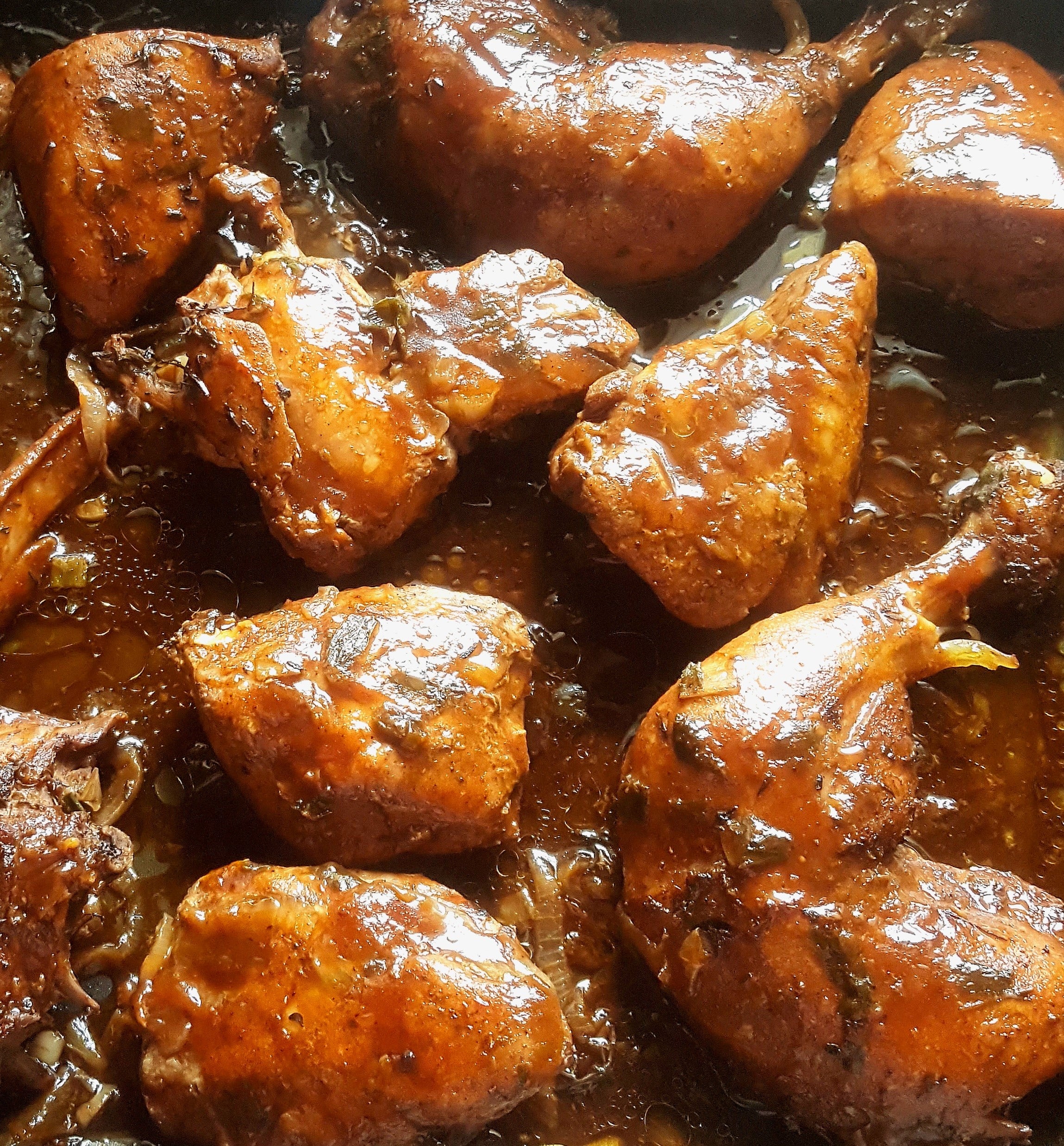
Food waste is money thrown away. Plan meals so ingredients overlap — a bunch of cilantro or a block of cheese used across several dishes rather than half-forgotten. Save vegetable scraps and bones for homemade stock, repurpose leftovers into new meals (roast chicken becomes soup or tacos), and store food properly so it lasts. Learning what freezes well lets you preserve surpluses before they spoil.
A quick weekly "use it up" meal — a fried rice, frittata, soup, or stir-fry that absorbs odds and ends — is the single best habit for cutting waste.
Cook once, eat more than once
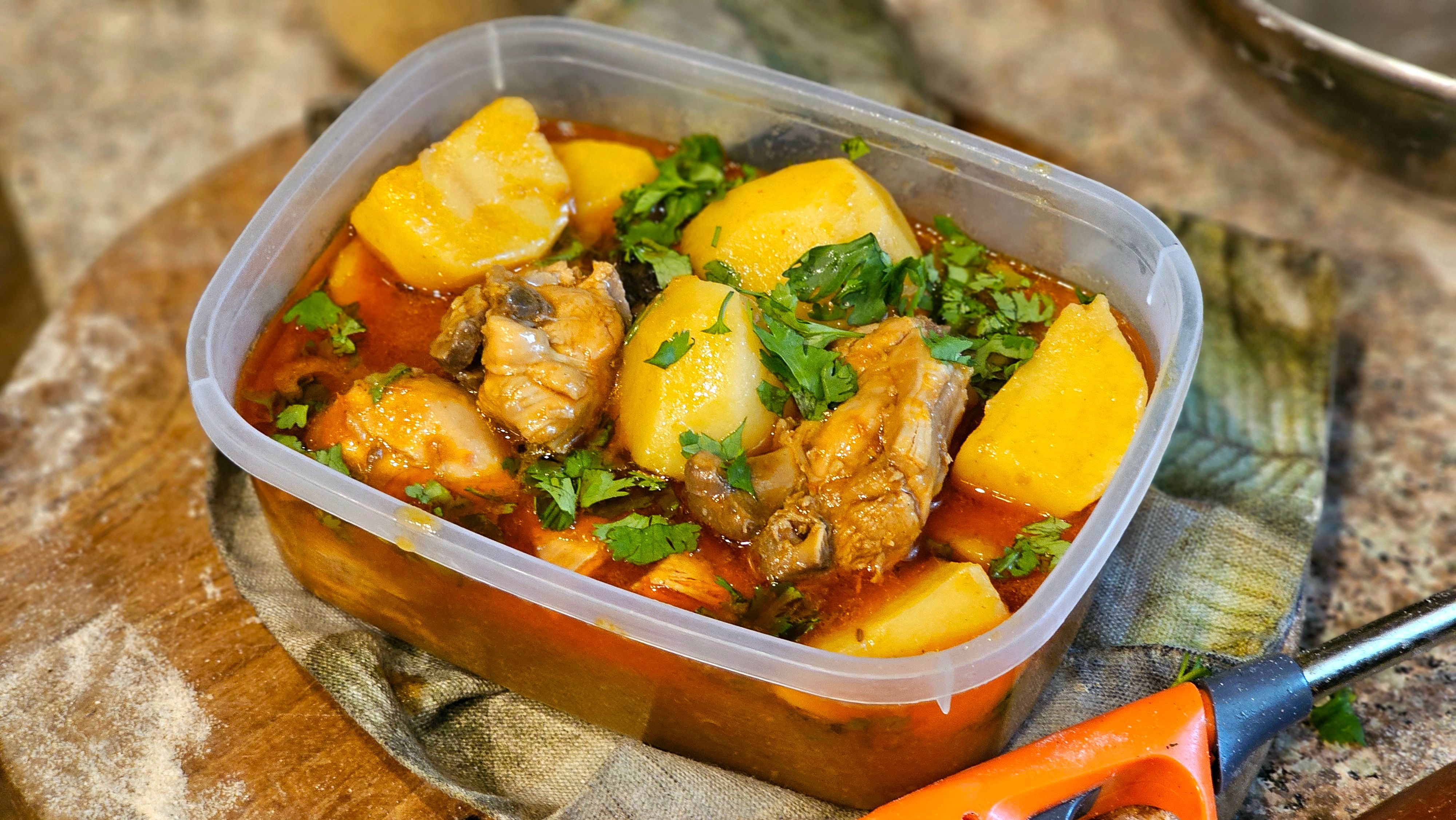
Batch cooking is a budget superpower. Making a large pot of chili, curry, or soup costs little more than a small one but yields several meals, lowering both the cost and the effort per serving. Portion and freeze extras for weeks when time or money is tight, so you always have a home-cooked option instead of an expensive last-minute takeout.