What happens when sugar meets heat
Caramelization is the thermal decomposition of sugar. As sugar is heated past its melting point — around 160°C (320°F) for table sugar — its molecules break apart and recombine into hundreds of new compounds that carry nutty, buttery, and faintly bitter notes, along with the familiar amber color. Unlike the Maillard reaction, no protein is required; sugar alone does the work.
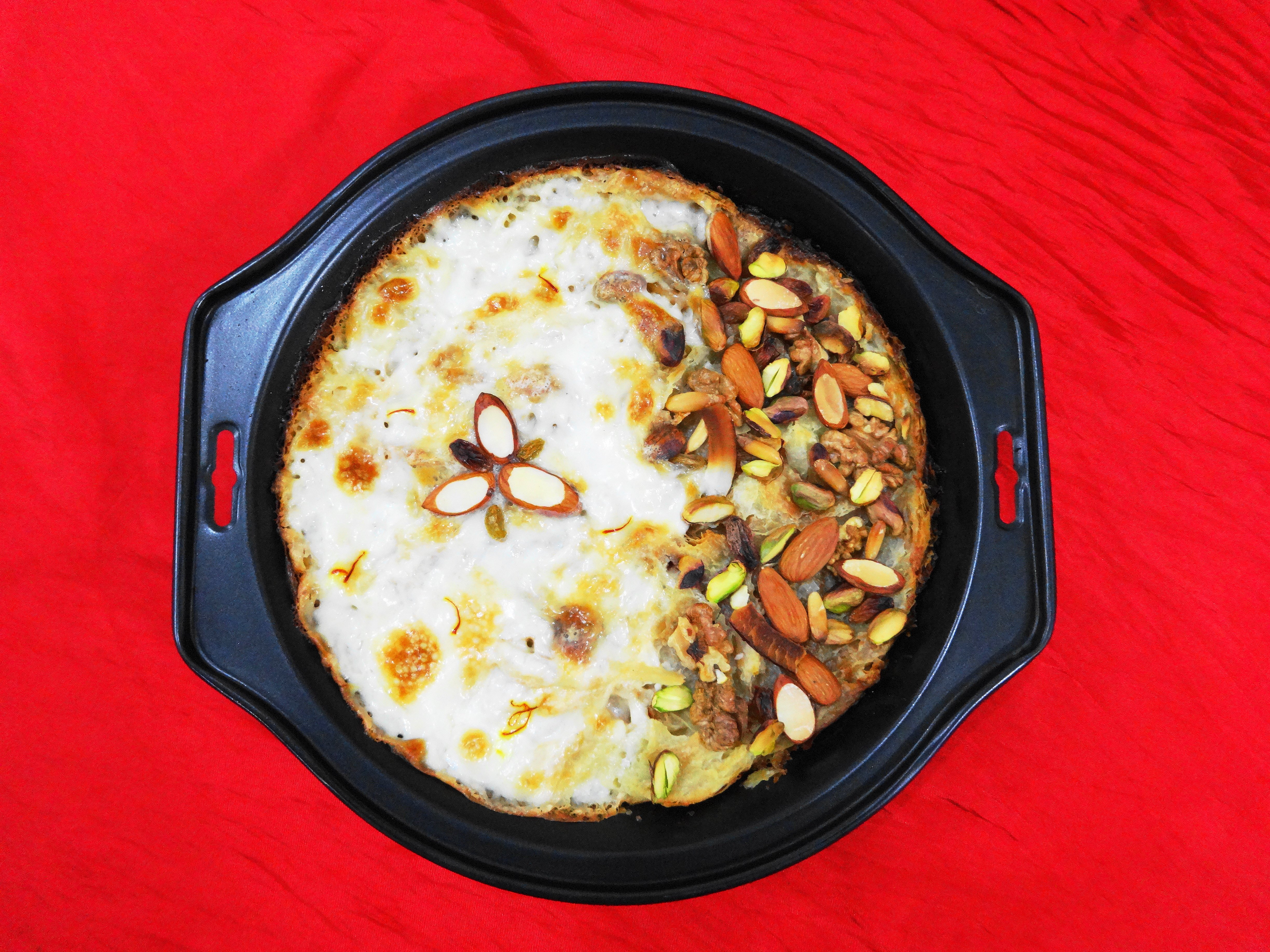
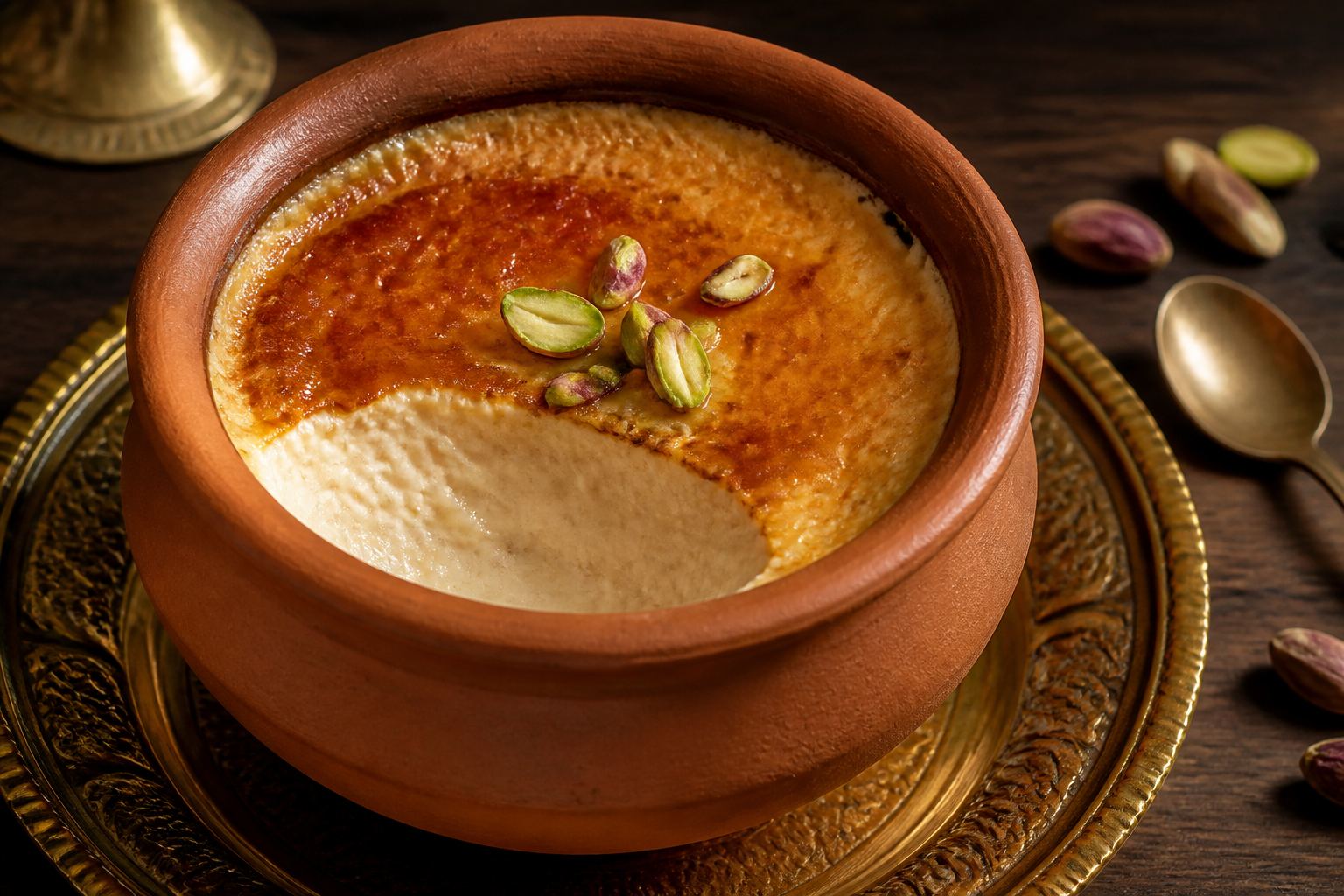
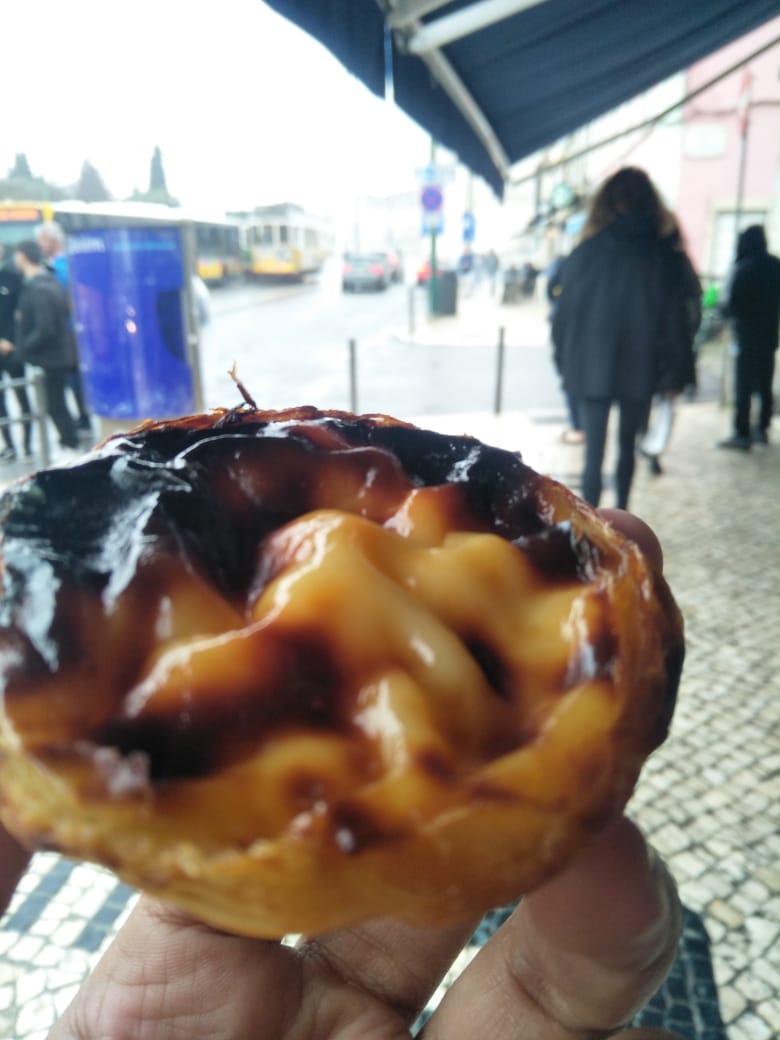
This is why slowly cooked onions turn sweet and jammy, why a bruleed custard has that glassy top, and why roasted carrots or squash taste richer than raw. The natural sugars in vegetables and fruit caramelize just as refined sugar does.
Controlling the process
Caramelization rewards patience and attention. Too little heat and sugars never reach the threshold; too much and they scorch into acrid bitterness in seconds. Moderate, steady heat and a watchful eye give the most control, especially near the end when color develops quickly.
For savory caramelizing — onions, for instance — low and slow with a little fat and the occasional splash of water to deglaze produces deep flavor without burning. A pinch of salt draws out moisture and helps things along.
Using it across your cooking
Caramelization is a lever you can pull in countless dishes: browning tomato paste before building a sauce, roasting vegetables until their edges char, or reducing a glaze until it turns glossy and complex. Each adds a depth that raw sweetness cannot.
Learn to recognize the stages by smell and color, and you can stop precisely where a dish wants to be — golden and mellow, or dark and intense.