Heat is everything
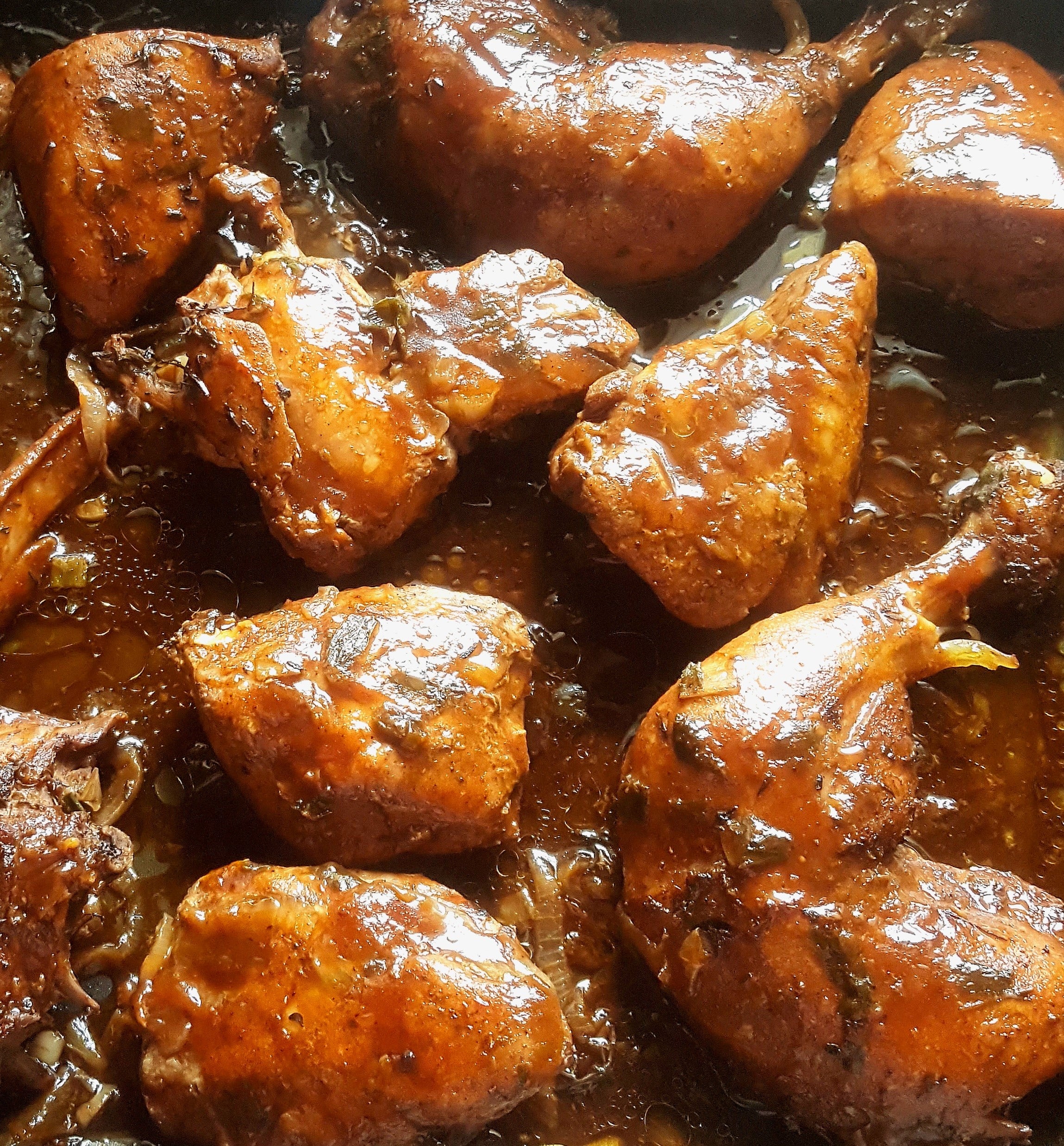
Roasting is dry-heat cooking in the oven, and the most common mistake is using too low a temperature. Most vegetables want a genuinely hot oven — around 220C / 425F — so their surfaces caramelize and crisp before the interior turns to mush. A timid oven just steams food in its own moisture, leaving it pale and soft.
Give food room. Spread pieces in a single layer with space between them; a crowded tray traps steam and prevents browning. When in doubt, use two trays rather than piling everything onto one.
Prep for caramelization
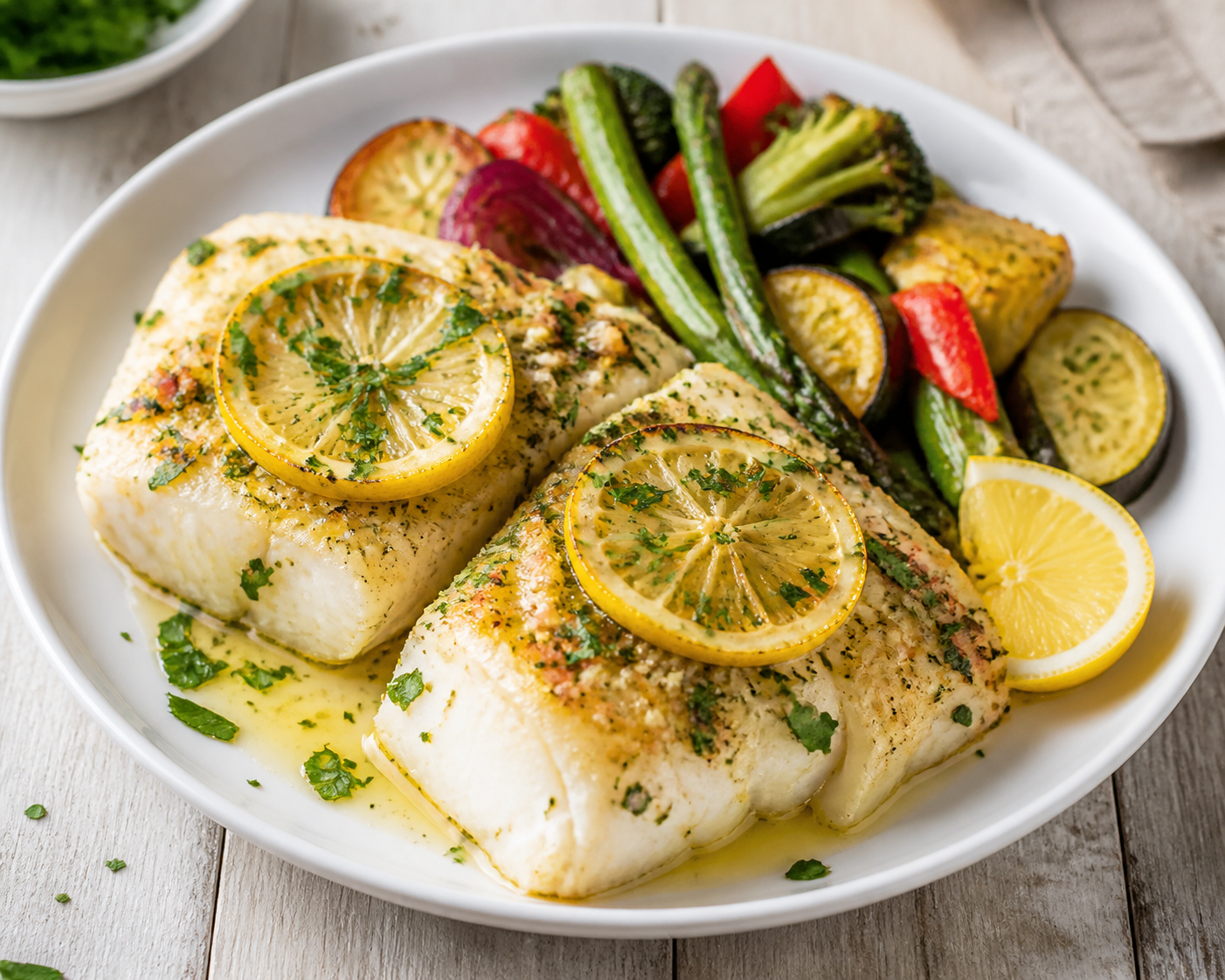
Dry surfaces brown; wet ones steam. Pat vegetables and proteins dry, toss vegetables with just enough oil to coat lightly, and season well with salt. Cut vegetables into uniform pieces so they finish together, and remember that denser vegetables (potatoes, carrots, squash) take longer than tender ones (broccoli, peppers, zucchini) — either cut the dense ones smaller or give them a head start.
A preheated tray, or even a preheated cast-iron pan, jump-starts the browning on the underside of whatever you add, which is a simple trick for extra-crisp roasted potatoes and vegetables.
Roasting proteins and resting
For larger cuts of meat and whole poultry, a reliable approach is to start or finish hot for color and cook the bulk of the time at a moderate temperature for even doneness. Use an instant-read thermometer rather than guessing — it is the single best investment for roasting meat well, and it removes all the anxiety of over- or undercooking.
Always rest roasted meat before carving. As it cooks, juices are driven toward the center; resting lets them redistribute so they stay in the meat instead of spilling onto the board. A few minutes for small cuts and fifteen to twenty for a large roast makes a dramatic difference in juiciness.