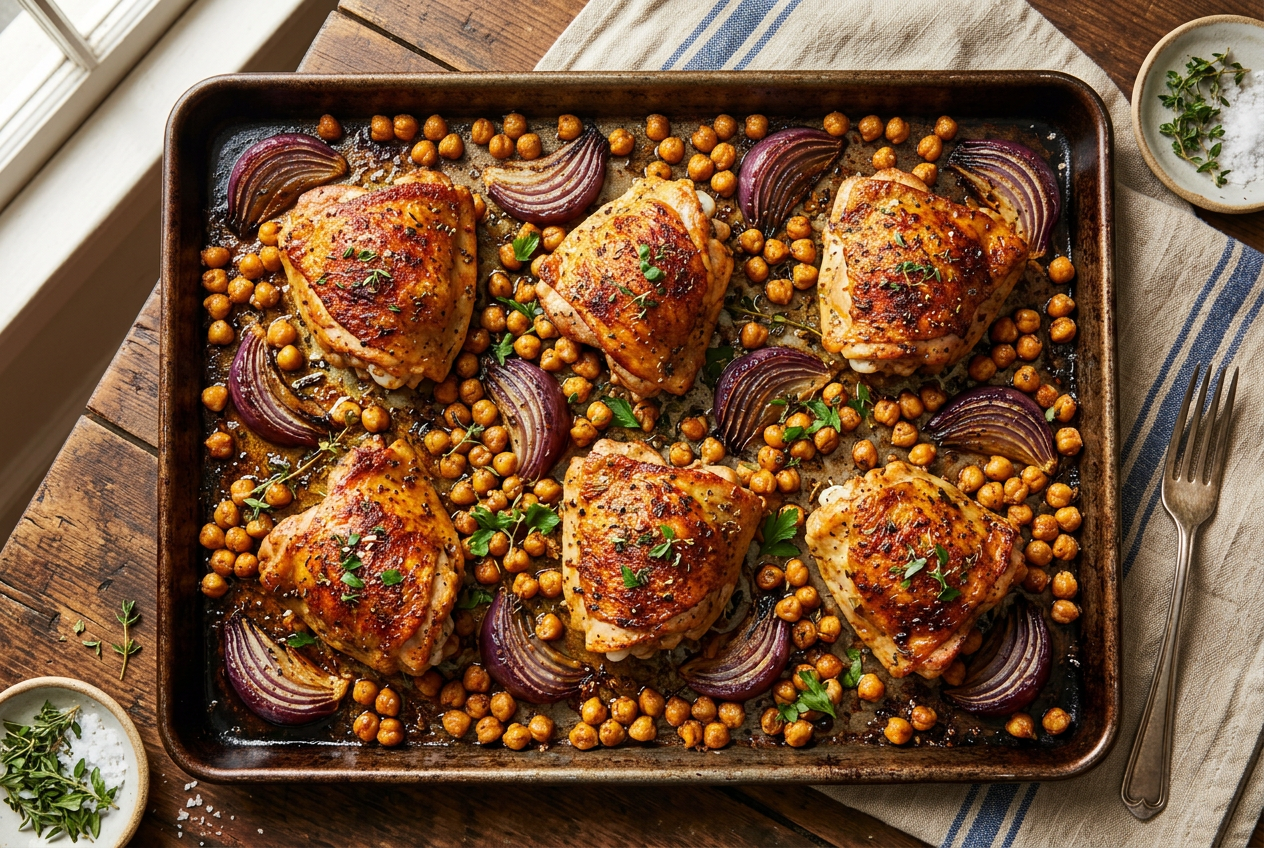
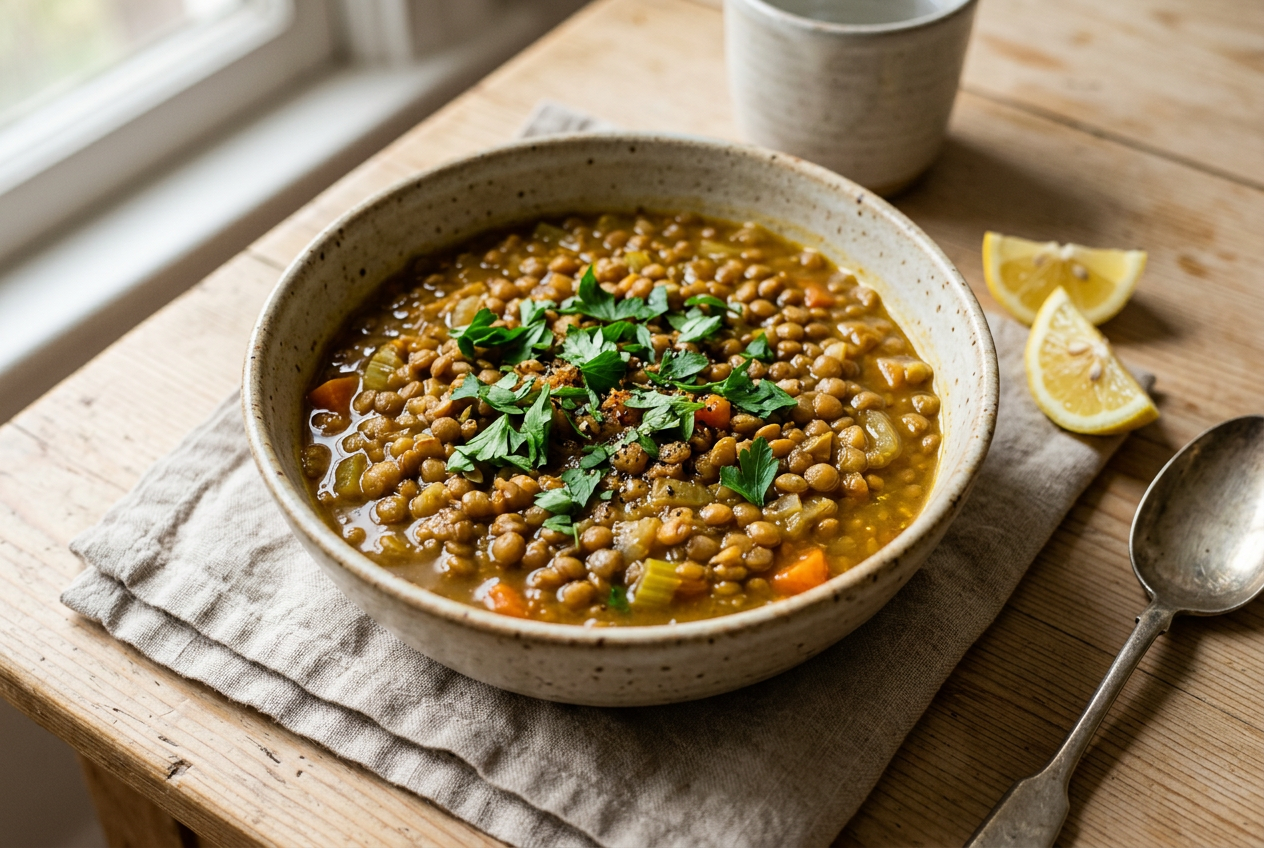
Why Fat Matters in Cooking
Fat is one of the three macronutrients (alongside protein and carbohydrate) and plays irreplaceable roles in cooking: it conducts heat for browning and crisping, carries fat-soluble flavors and aromas, creates tender textures in baking, and provides satiety. Removing fat from cooking does not make food healthier — it makes it less satisfying, which often leads to overeating elsewhere.
The question is not whether to use fat but which fats to use, how much, and for what purpose. The modern understanding of dietary fat is far more nuanced than the 'all fat is bad' messaging of the 1990s.
Types of Dietary Fat
Unsaturated fats (monounsaturated and polyunsaturated) are found in olive oil, avocado oil, nuts, seeds, and fatty fish. They are associated with cardiovascular benefit and are the fats to emphasize in cooking. Olive oil (high in monounsaturated oleic acid) is the most well-studied and consistently recommended cooking fat.
Saturated fats are found in butter, coconut oil, red meat, and full-fat dairy. Current evidence suggests they are not as harmful as once believed but should not dominate the diet. Small amounts of butter and occasional use of coconut oil are reasonable in a balanced diet.
Trans fats (artificially produced through partial hydrogenation) are genuinely harmful and have been largely eliminated from food supplies in many countries. Check labels for 'partially hydrogenated' oils and avoid them.
Cooking Oil Smoke Points
The smoke point is the temperature at which an oil begins to break down, producing acrid smoke and harmful compounds. Choosing the right oil for your cooking method matters: extra-virgin olive oil (375-410°F) for sautéing and moderate-heat roasting; refined avocado oil (520°F) for high-heat searing and stir-frying; butter (350°F) for gentle sautéing and baking.
A common misconception is that extra-virgin olive oil cannot be used for cooking. Research shows it is stable at typical sautéing and roasting temperatures and its antioxidants actually protect against degradation. Save it for everything up to 400°F; use refined oils for screaming-hot wok cooking and deep frying.
Practical Recommendations
Stock 2-3 oils: a good extra-virgin olive oil for everyday cooking and finishing, a neutral high-heat oil (avocado or refined grapeseed) for high-heat applications, and optional specialty oils for finishing (toasted sesame, walnut, or truffle). Butter is a separate category — use it where its flavor is the point (pan sauces, baking, finishing).
Store oils away from light and heat. Extra-virgin olive oil is best used within 12-18 months of harvest (check the harvest date, not the expiration date). Nut oils go rancid faster and should be refrigerated.