A pattern, not a rulebook
The Mediterranean diet is less a prescriptive plan than a way of eating shaped by the traditional habits of countries around the Mediterranean Sea. Its foundation is plants — vegetables, fruits, whole grains, legumes, nuts, and olive oil — with fish and seafood eaten regularly, dairy and poultry in moderation, and red meat and sweets only occasionally. It is consistently ranked among the healthiest eating patterns precisely because it is varied, flavorful, and sustainable.
Just as important as the food is the way it is eaten: meals are shared, unhurried, and built around whole ingredients rather than heavily processed ones. That cultural context is part of why the pattern is so easy to maintain over a lifetime.
The core foods
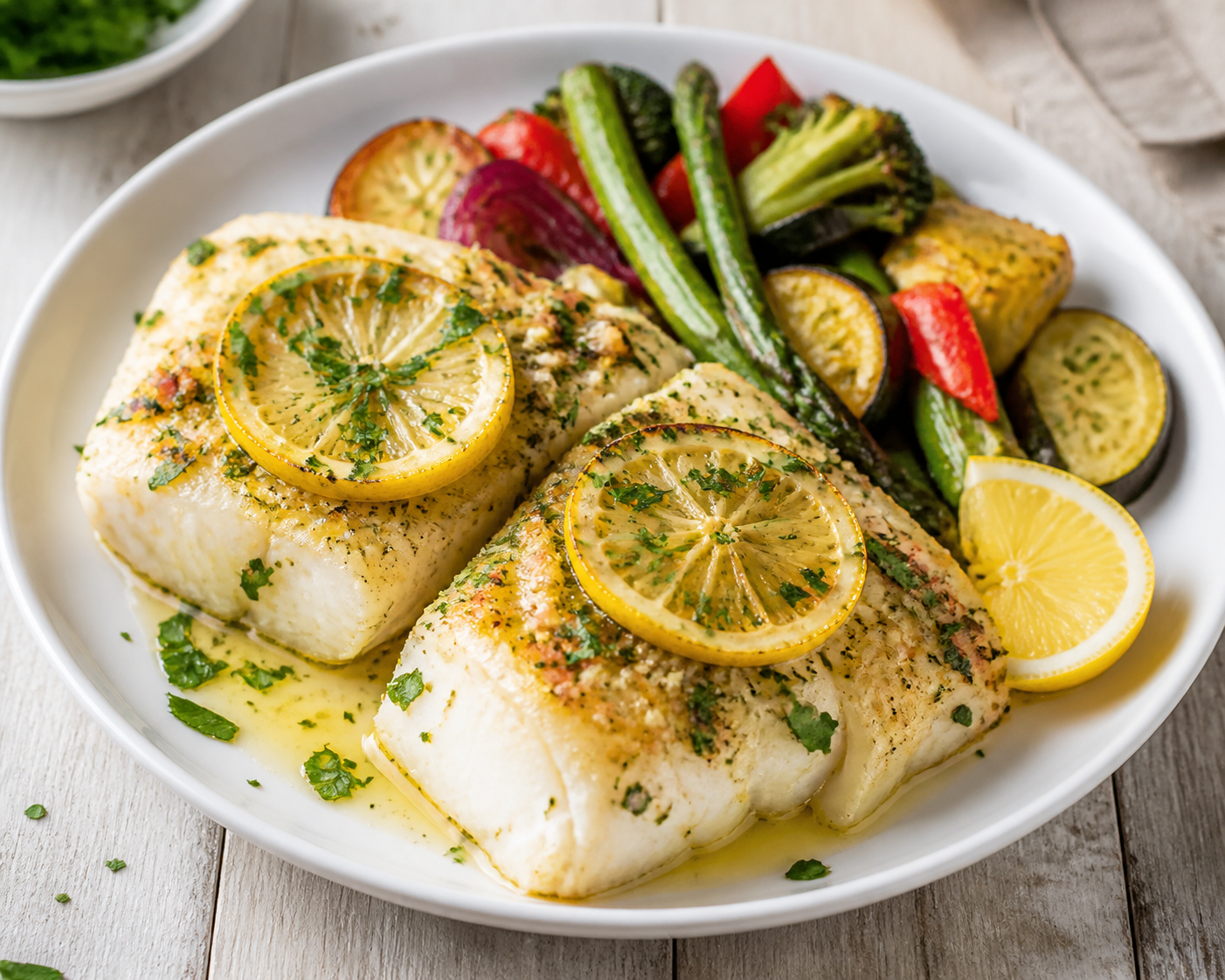
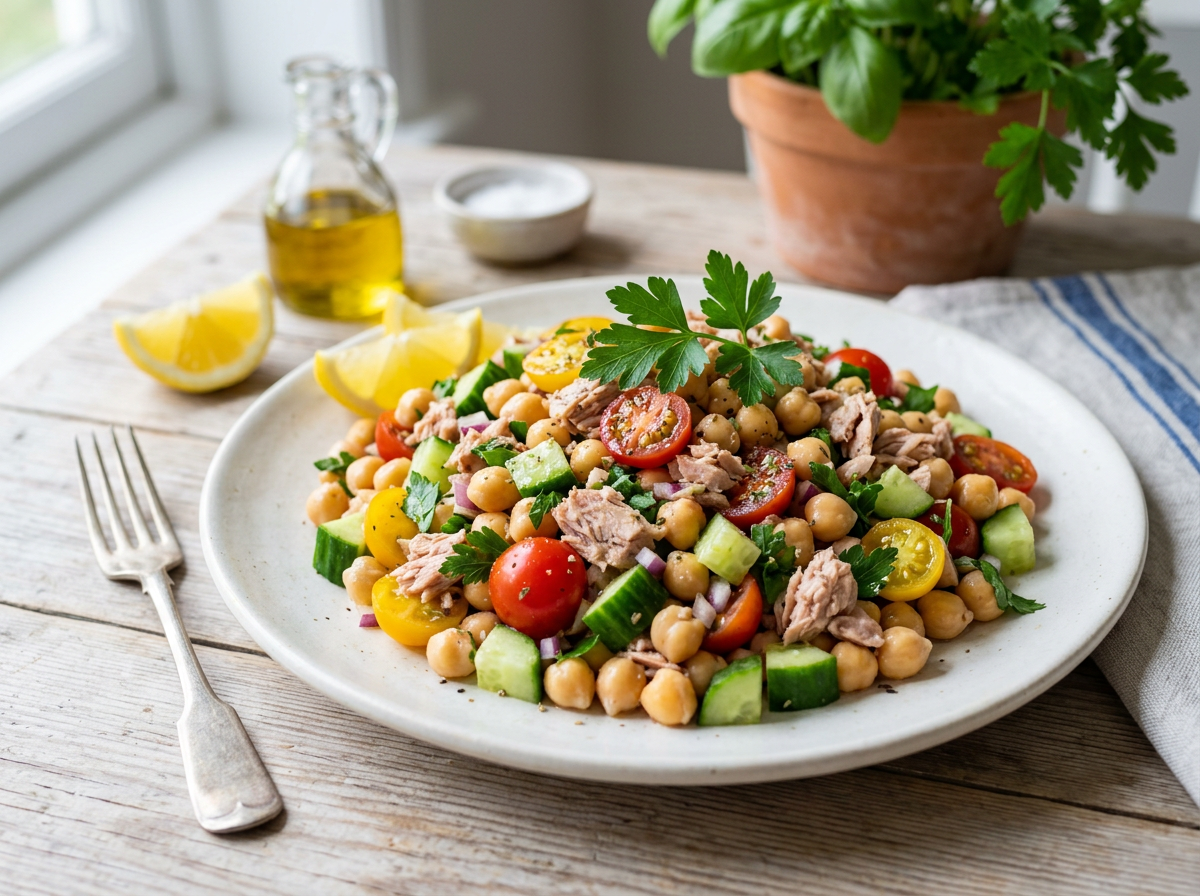
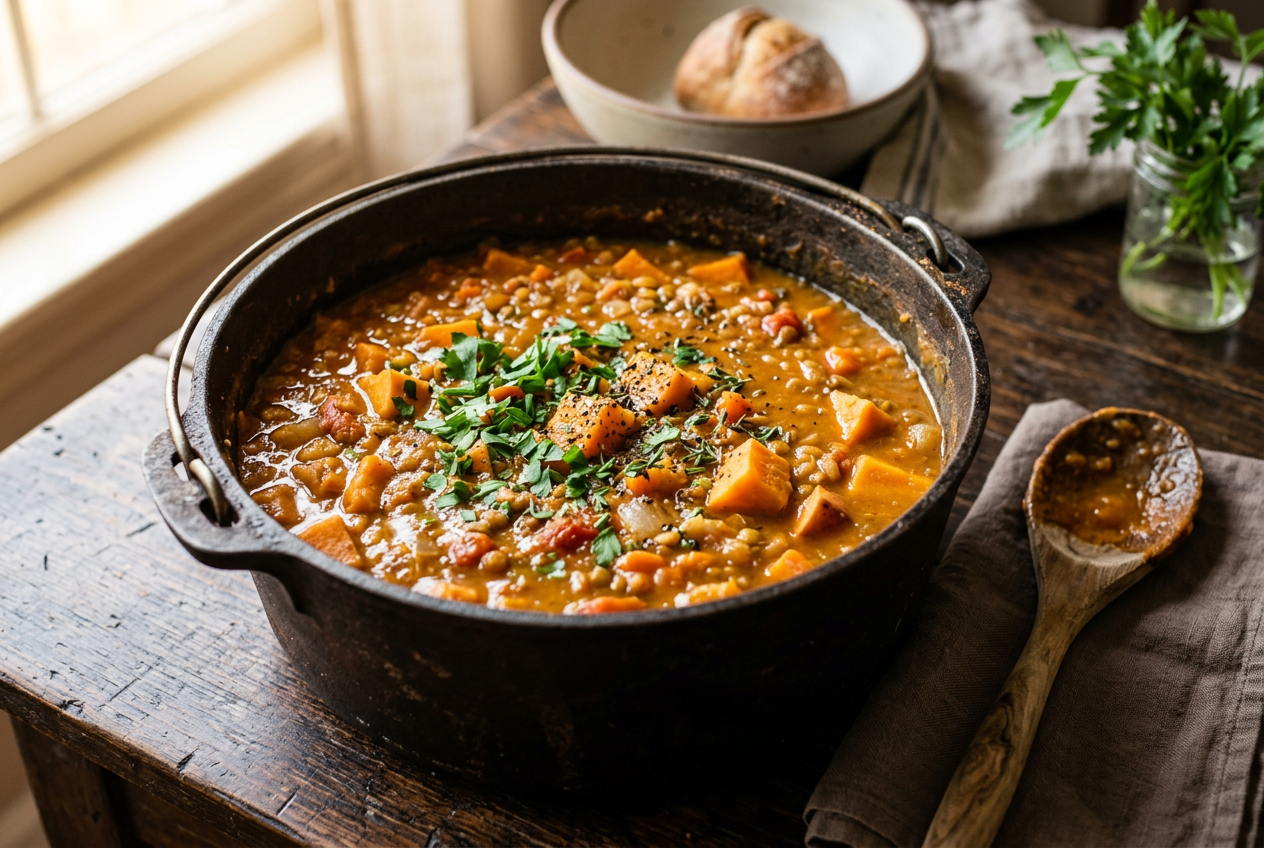
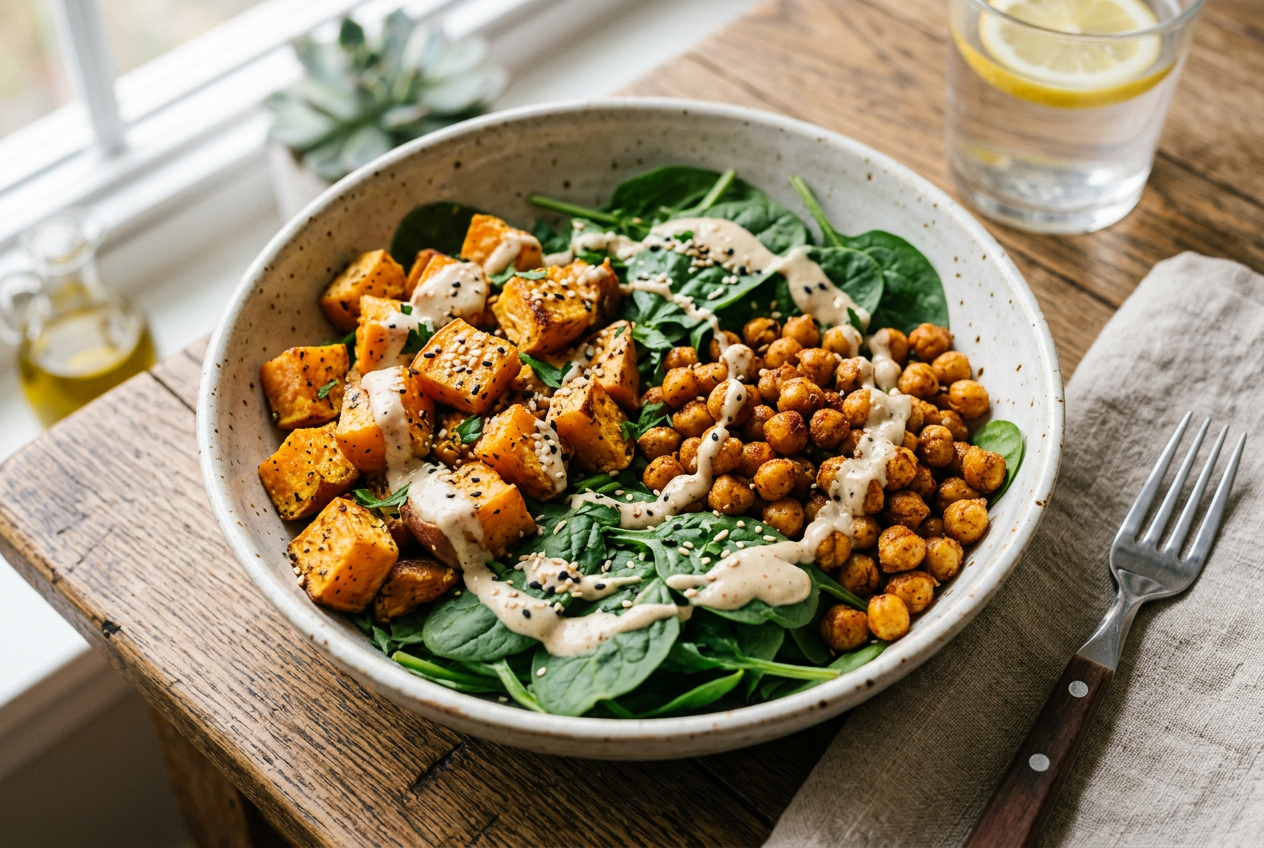
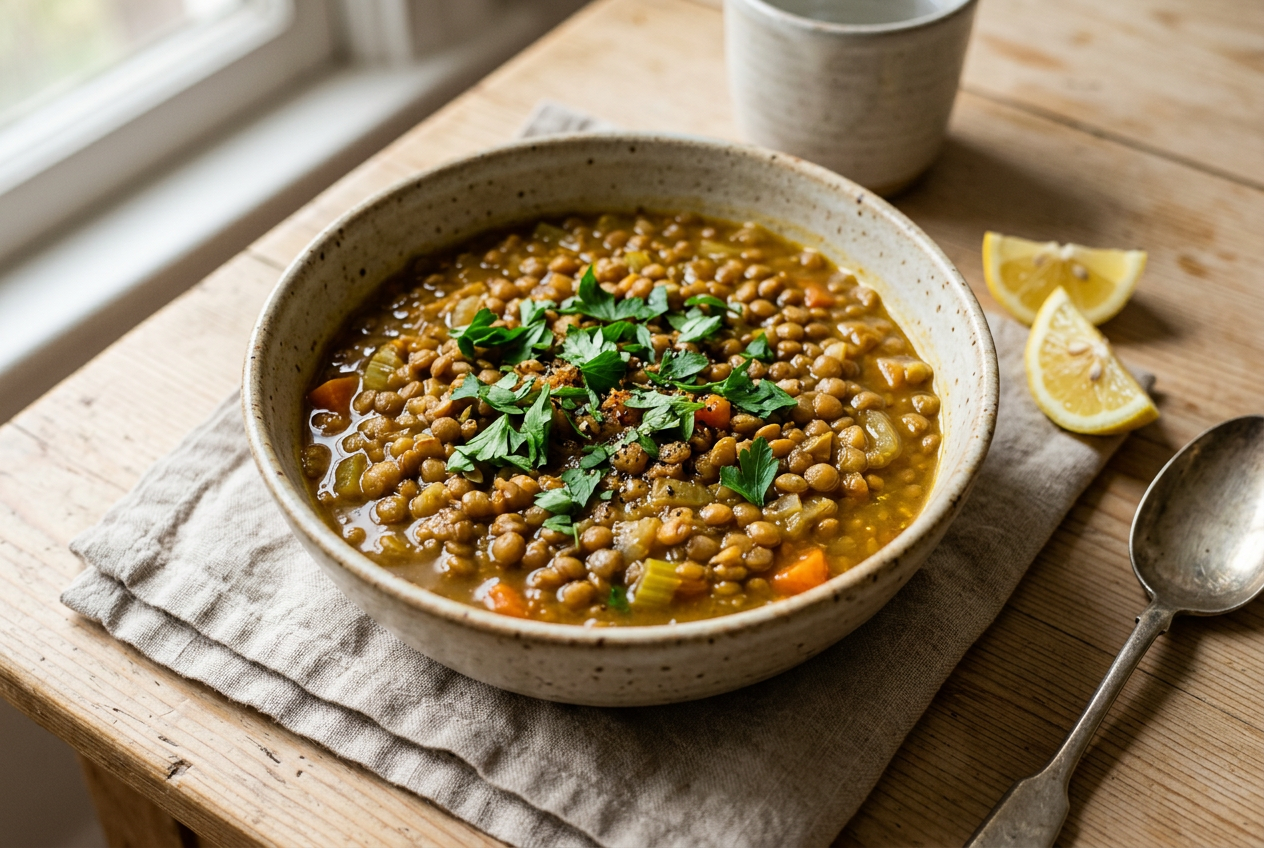
Olive oil is the primary fat, used generously for cooking and finishing. Vegetables and legumes appear at nearly every meal, whole grains replace most refined ones, and fish and seafood take the central place that red meat holds in many other cuisines. Nuts, seeds, herbs, and fruit round out the pattern, and cheese and yogurt provide dairy in modest amounts.
This combination naturally delivers plenty of fiber, healthy monounsaturated fat, and a wide range of vitamins, minerals, and plant compounds, while keeping saturated fat, added sugar, and heavily processed foods low — without anyone having to count a single calorie.
Bringing it to your table
You do not need to overhaul your kitchen to adopt Mediterranean principles. Start by cooking with olive oil instead of butter, adding a vegetable or a handful of legumes to more meals, and swapping refined grains for whole ones. Make fish the center of a couple of dinners a week, treat red meat as an occasional ingredient rather than a default, and reach for fruit and nuts as everyday snacks.
Small, consistent shifts add up. The point is not perfection but direction: nudging your everyday meals toward more plants, more olive oil, and more variety, in a way you genuinely enjoy and can keep up.