
Saffron
The world's most precious spice, lending gold color and honeyed aroma.
Also known as: Crocus sativus, saffron threads, za'faran
Overview
Saffron is the hand-harvested stigma of a particular crocus, and it takes thousands of flowers to yield a single ounce — which is why it is the most expensive spice in the world. A tiny pinch, however, transforms a dish with luminous gold color and a honeyed, floral aroma.
It is the soul of Spanish paella, Persian rice, Milanese risotto, and countless Middle Eastern and South Asian sweets. Because it is so potent and costly, saffron is used in threads measured by the pinch and bloomed in warm liquid to draw out color and flavor.
Culinary Uses
- Bloomed in warm water, stock, or milk, then stirred into rice, risotto, and paella.
- Infused into broths, stews, and tagines for color and aroma.
- Added to breads, custards, and syrups in festive sweets.
- Steeped for saffron tea and warm milk.
Flavor Profile
- Honeyed and floral with earthy, slightly bitter and hay-like notes.
- Deeply aromatic and coloring, so only a pinch is needed.
- Blooming in warm liquid releases its full color and fragrance.
Storage
- Keep threads in an airtight container away from light and heat.
- Properly stored, saffron holds its potency for two years or more.
- Avoid moisture, which degrades the delicate threads.
Preparation
- Steep a pinch of threads in a few tablespoons of warm water, stock, or milk for 10 to 20 minutes.
- Add both the liquid and the threads to the dish for full color and flavor.
- Crush threads lightly first to help them release their pigment.
Nutrition
Saffron is used in minuscule amounts and adds no meaningful calories or macronutrients.
Its role is purely aromatic and coloring.
The carotenoid pigment responsible for saffron's golden color.
The compound behind its distinctive aroma.
Present in the threads, though eaten in tiny amounts.
Dietary Considerations
- Naturally vegan, vegetarian, gluten-free, and dairy-free.
- Very low in sodium and widely tolerated.
Nutrition information is educational and approximate; it varies by variety, portion, and preparation, and is not a substitute for professional dietary advice.
Common Pairings
Recipes with Saffron
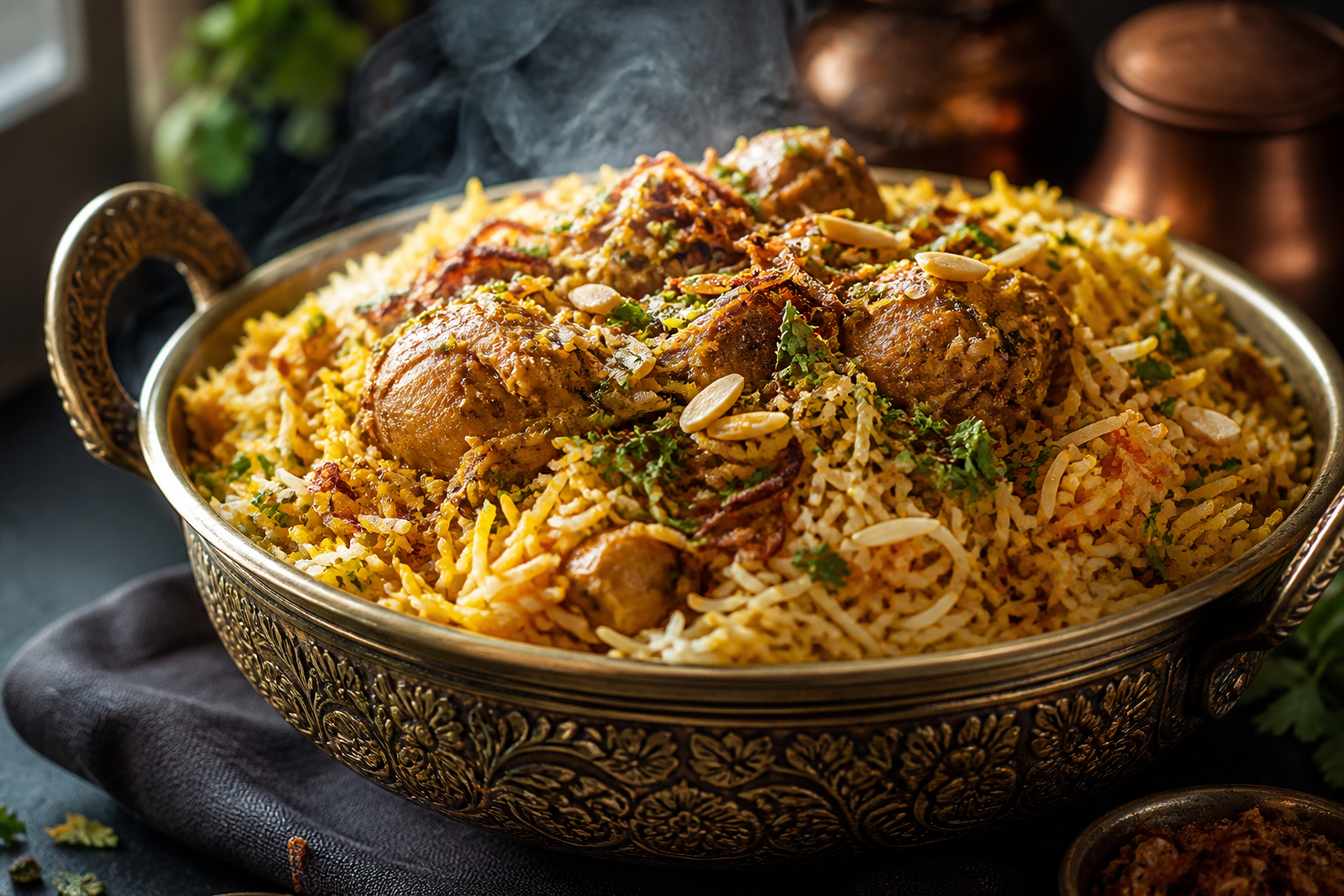
Pakistani Chicken Biryani
A celebrated layered rice dish of marinated chicken, aromatic basmati, and warm whole spices, finished with saffron milk and fried onions for a fragrant, festive centrepiece of Pakistani cooking.
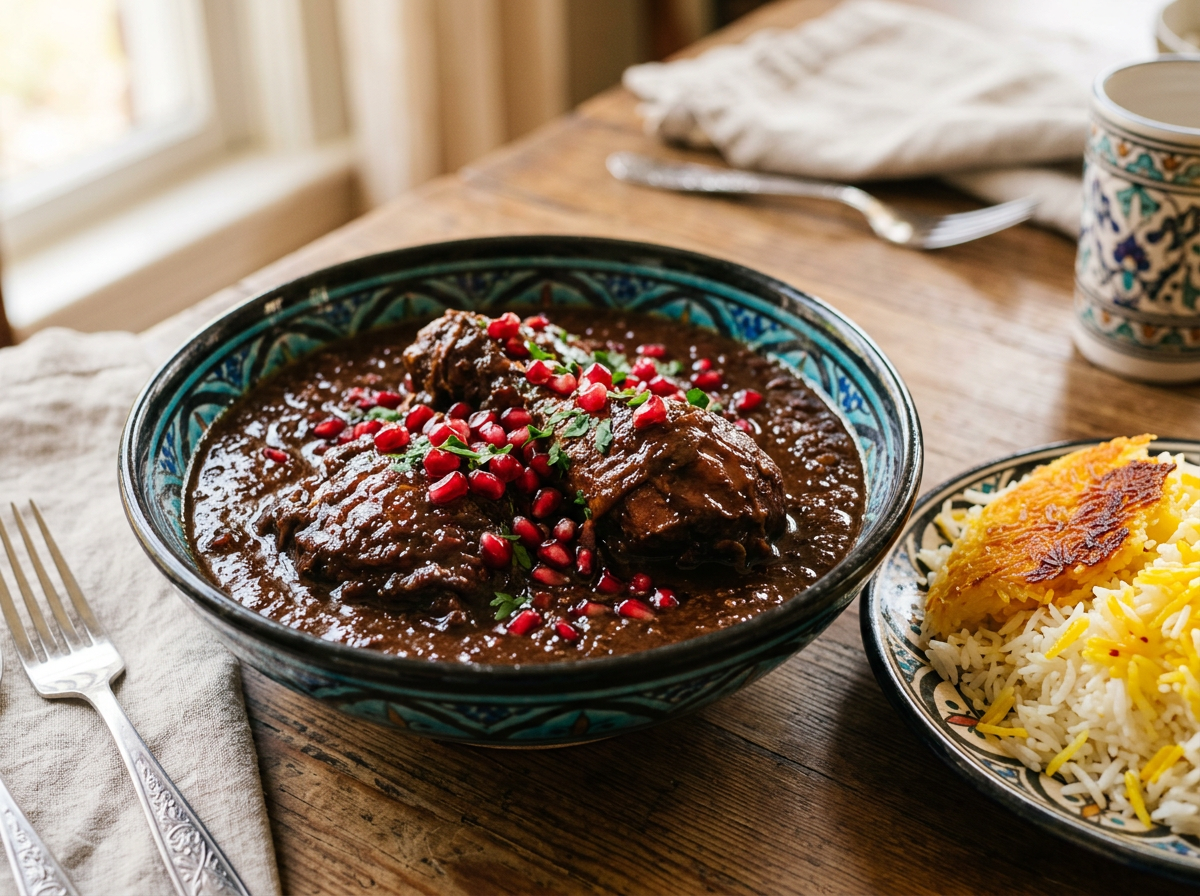
Persian Fesenjan (Walnut & Pomegranate Chicken)
A jewel of the Persian table: chicken gently braised in a velvety sauce of ground toasted walnuts and tart-sweet pomegranate molasses until deep mahogany and luxuriously rich. Served with saffron rice for a special-occasion meal.
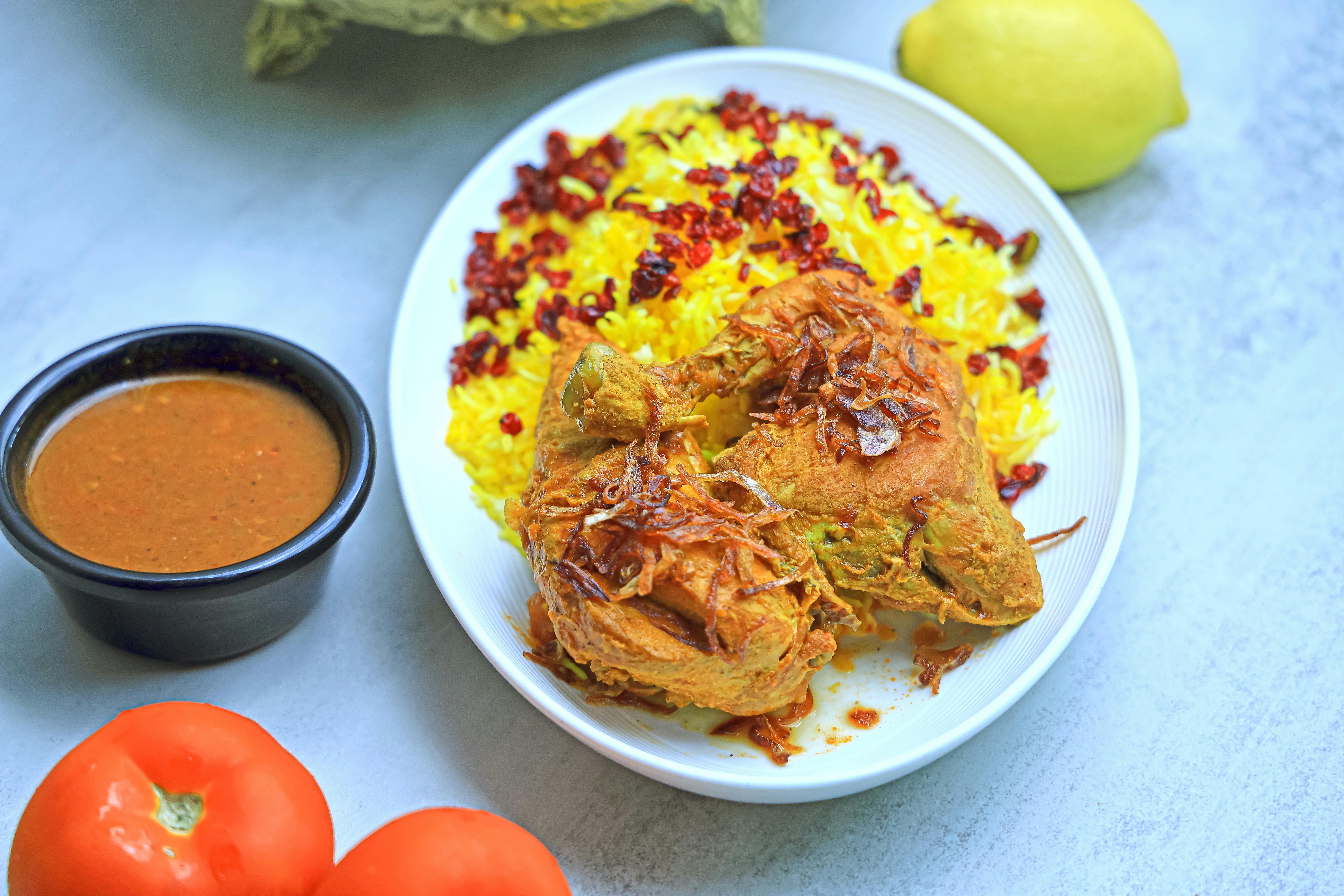
Persian Zereshk Polo (Barberry Saffron Rice)
Fluffy saffron basmati studded with jewel-like tart barberries and a crisp golden tahdig crust — a festive Persian centerpiece.
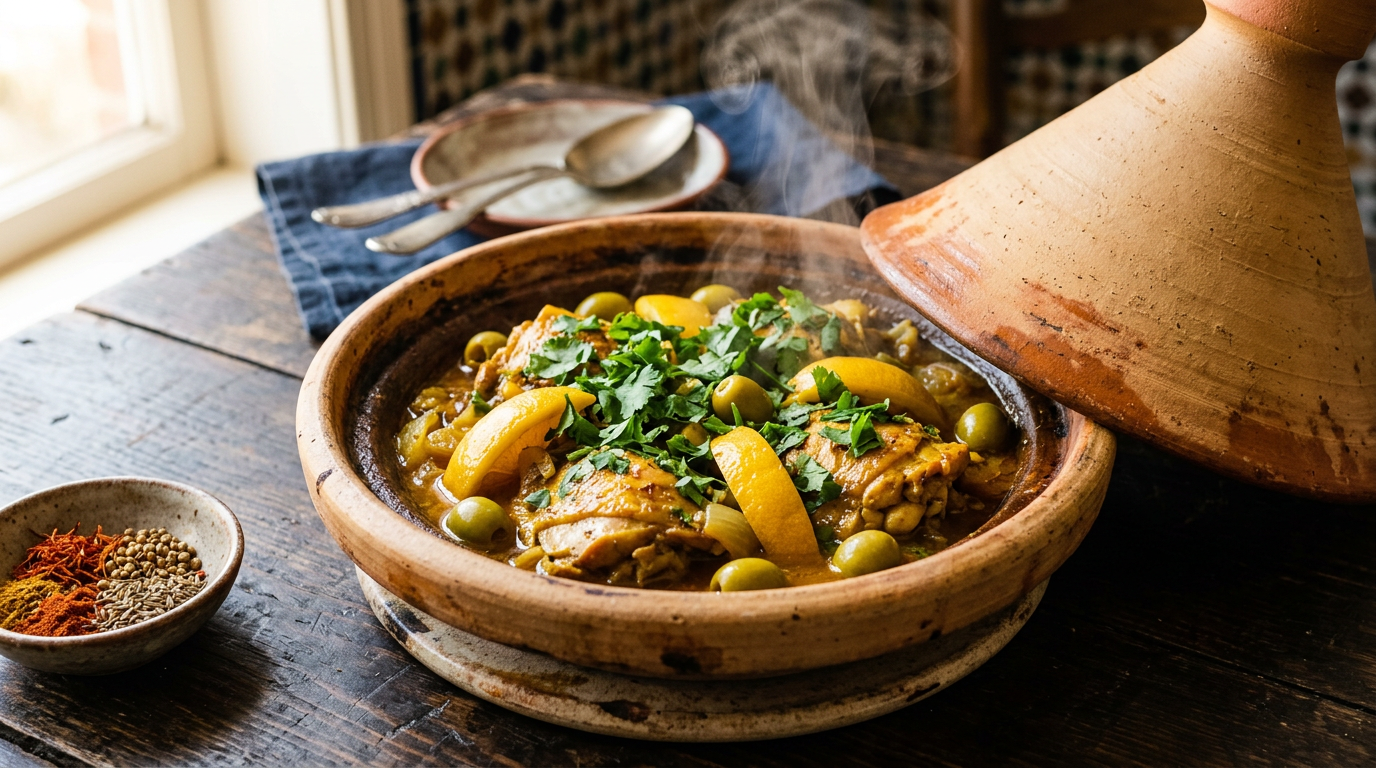
Moroccan Chicken Tagine with Preserved Lemon & Olives
Chicken thighs slow-braised with saffron, ginger, preserved lemon, and green olives until meltingly tender — the signature dish of the Moroccan clay tagine.
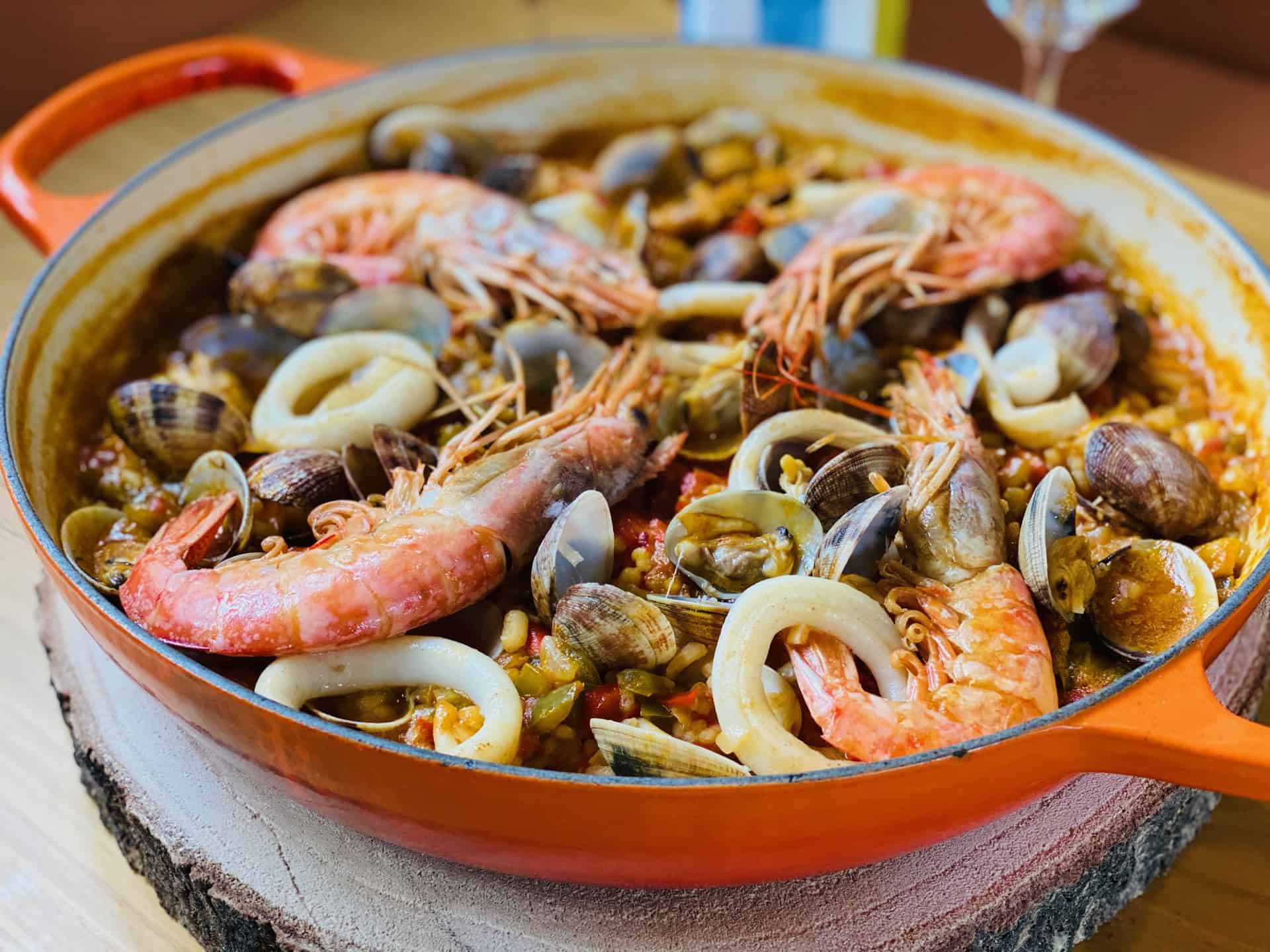
Seafood Paella
Saffron-scented rice cooked with shrimp, mussels, and calamari until it forms the prized crispy socarrat.
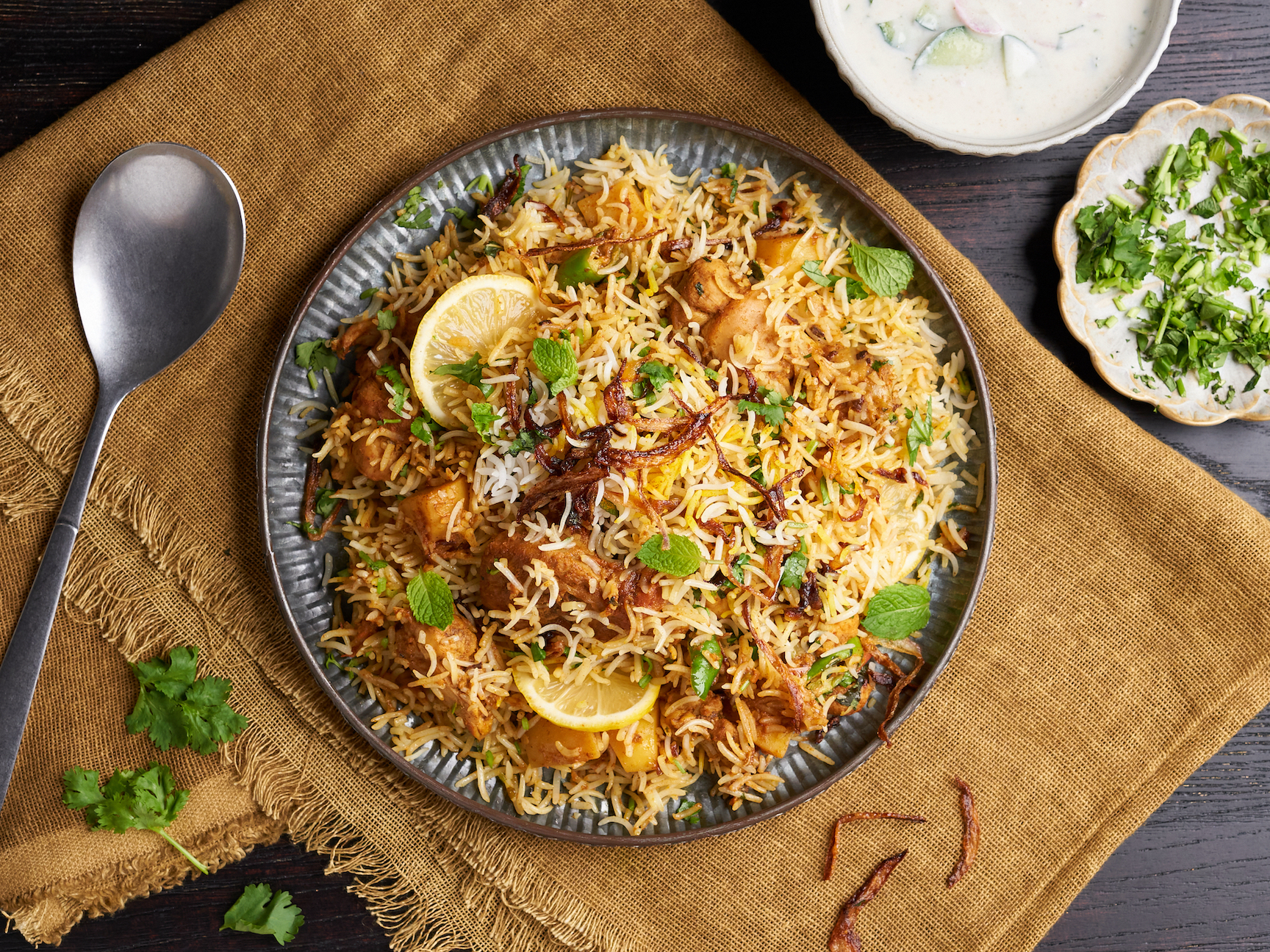
Chicken Biryani
Fragrant basmati layered with spiced chicken, caramelized onions, and saffron, steamed to fluffy perfection.
Explore Related Cuisines
Related Ingredients
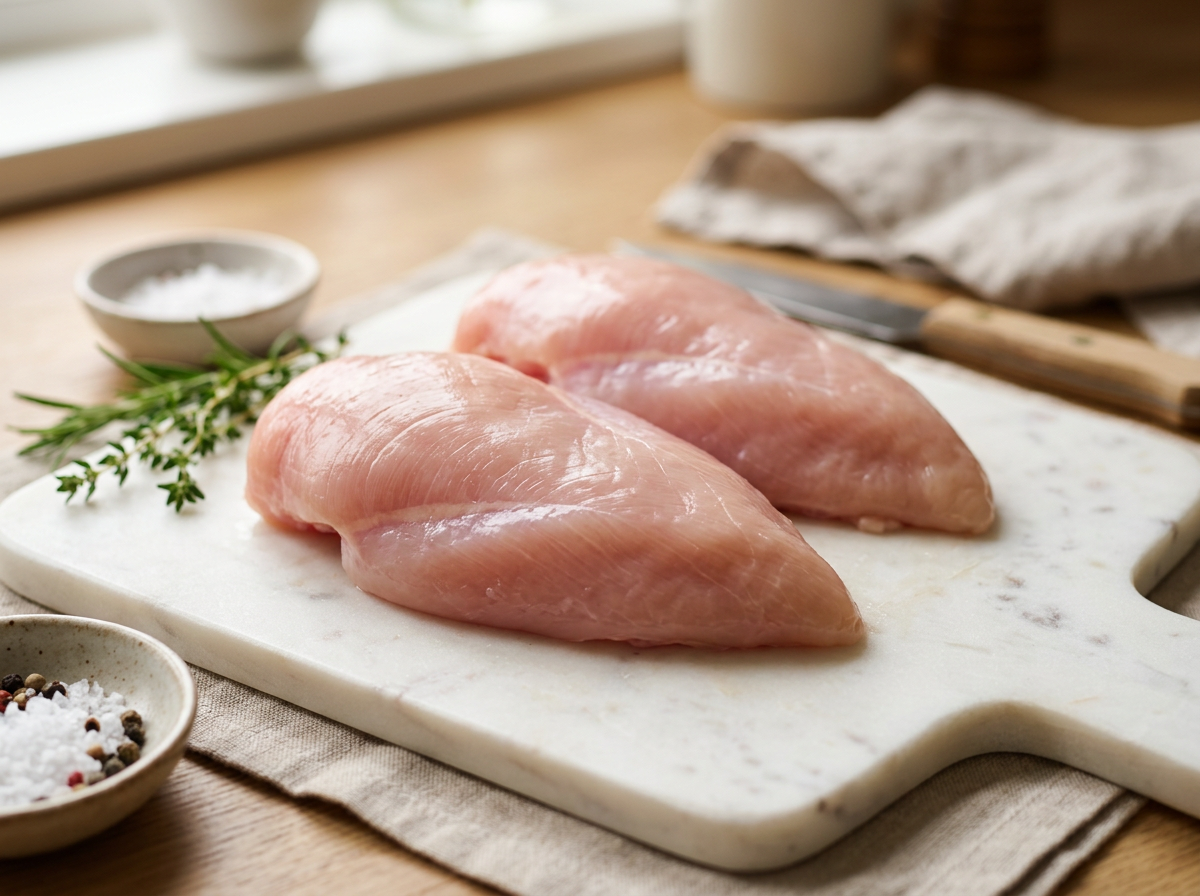
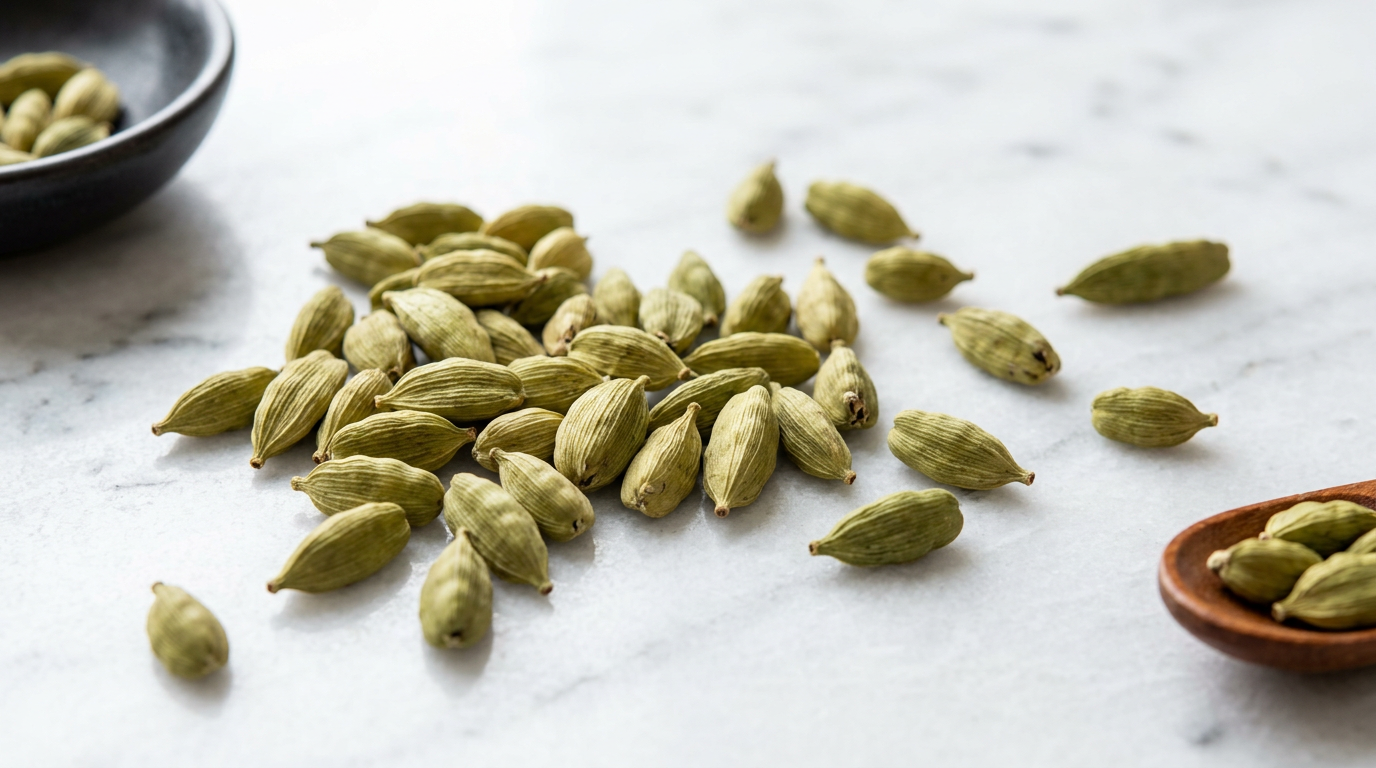
Cooking Guides You May Like
Cooking with Whole Spices
Pre-ground spices are convenient, but whole spices are where real depth of flavor lives. Here is how to use them.
Persian Cuisine: A Guide to Rice, Herbs & the Art of Balance
Elegant and aromatic, Persian cooking pairs fragrant rice with herb-laden stews, dried fruit, and delicate spice. Here is the full picture.