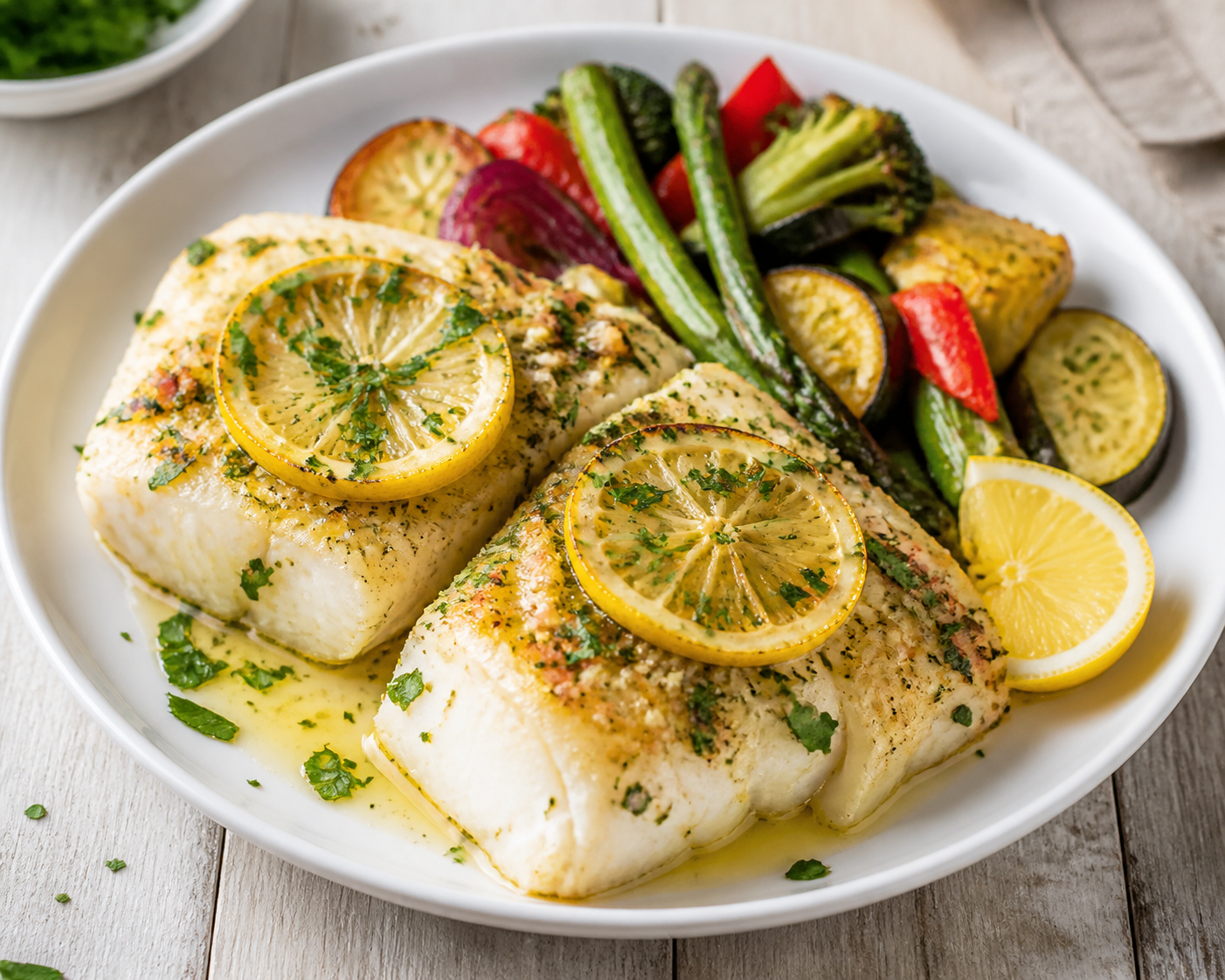
A cuisine shaped by the sea and spice trade
Portugal's long Atlantic coastline and its history as a seafaring nation define its food. Seafood is everywhere — above all bacalhau, salt cod, said to have a different preparation for every day of the year. At the same time, the age of exploration brought spices like piri-piri chili, cinnamon, and black pepper into everyday cooking, giving Portuguese food more warmth and spice than many of its European neighbors.
The result is a cuisine that feels both rustic and worldly, built on humble ingredients treated with care and generosity.
Signature dishes
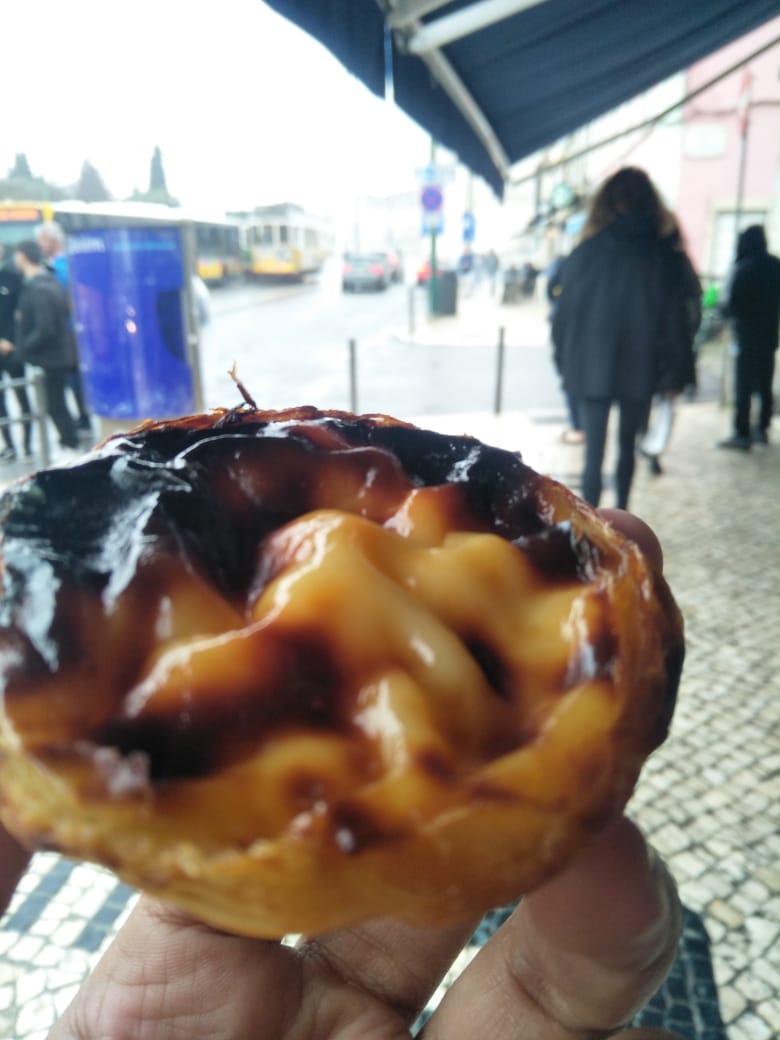
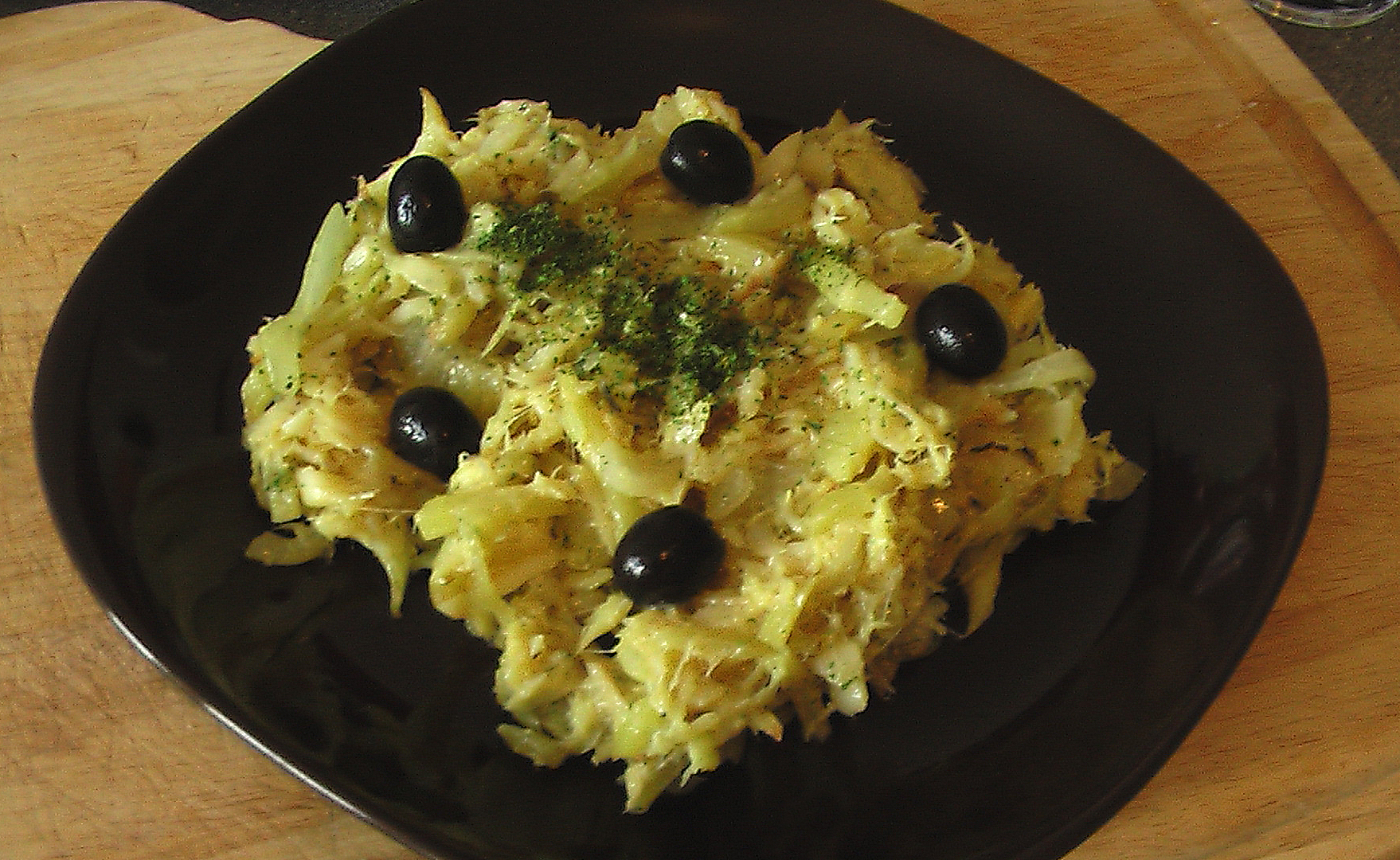
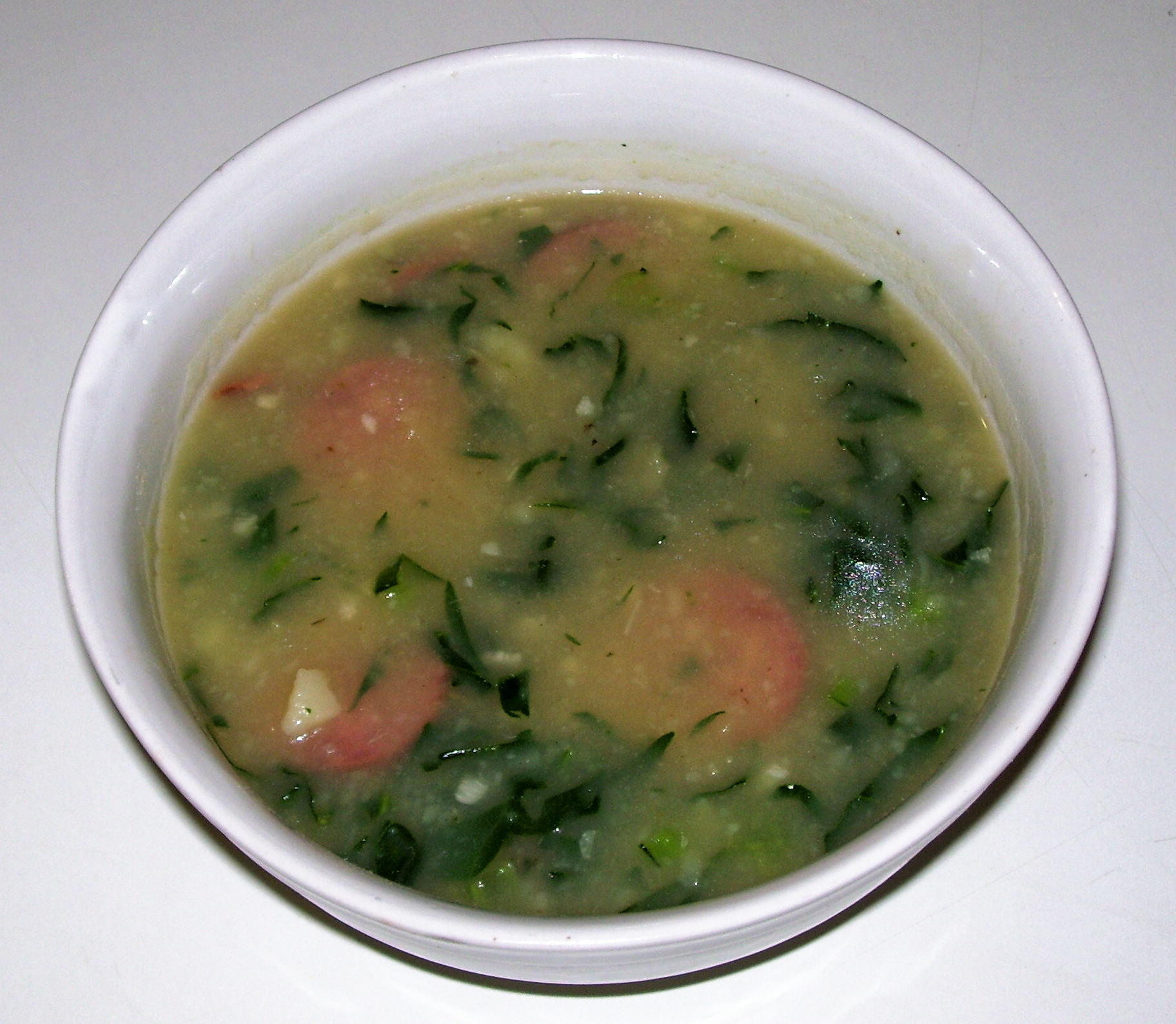
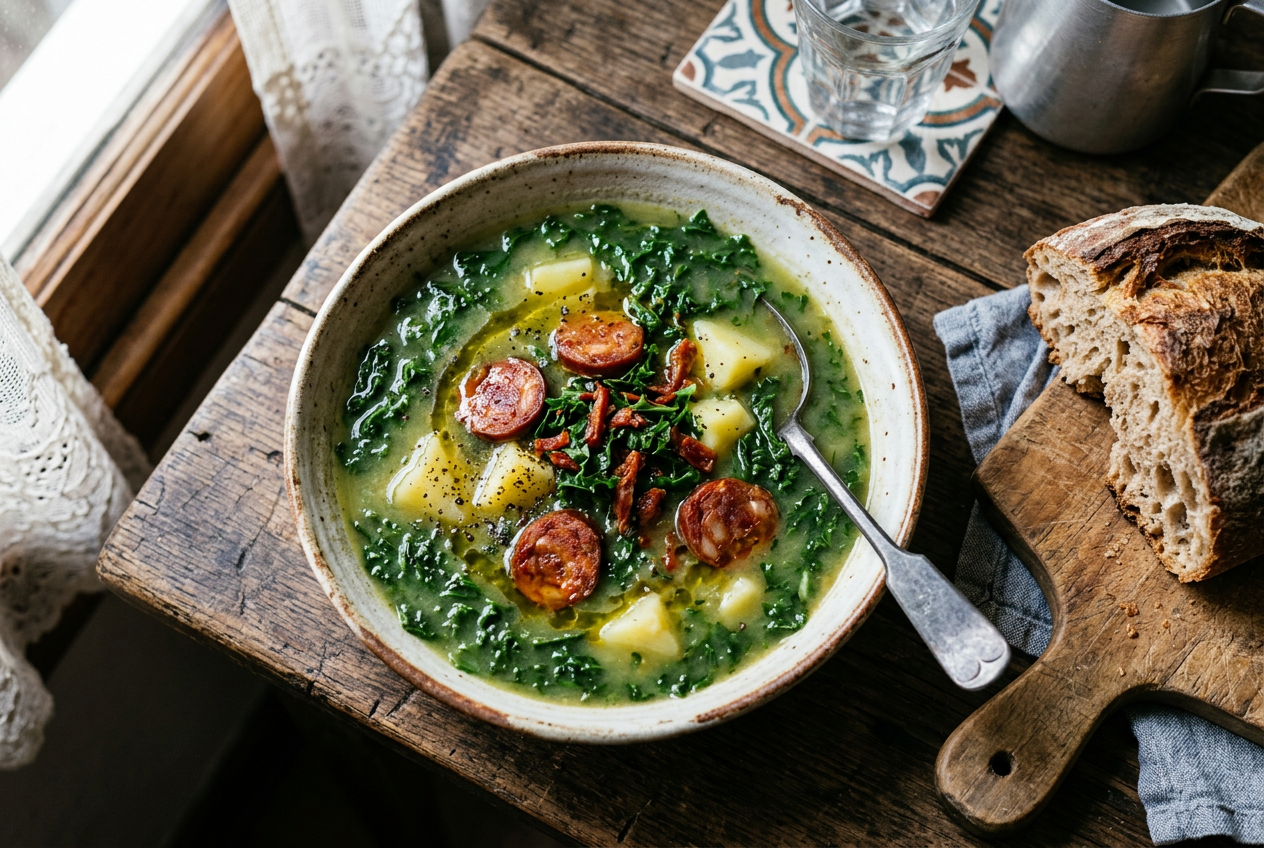
Caldo verde, a simple soup of potato, kale, and sliced sausage, is practically a national dish. Bacalhau à brás scrambles shredded salt cod with onions, straw-thin potatoes, and eggs into something greater than its parts. Piri-piri chicken shows the Portuguese love of chili heat, and pastéis de nata — caramel-topped custard tarts — are among the world's great pastries.
Cured meats, olives, bread, and wine round out a table that prizes conviviality as much as any single dish.
Flavors and techniques
Garlic, olive oil, bay, and fresh cilantro (used more here than almost anywhere else in Europe) form a recurring backbone, often built into refogado, the Portuguese version of a slow-cooked onion-and-garlic base. Grilling over charcoal and slow-simmering hearty stews are both central techniques.
Learning to cook Portuguese food is a lesson in getting maximum flavor from modest ingredients — salt cod, potatoes, greens, and good olive oil — with confident seasoning and a little patience.