The character of the cuisine
German cooking is built for real climates and real appetites: slow-braised meats, sustaining breads, potatoes in countless forms, and the bright counterpoint of vinegar and pickles that cut through richness. It is a cuisine of contrasts — savory and sour, hearty and fresh — shaped by long winters and a deep tradition of preserving.
Regional variety is significant. The south leans on dumplings, spaetzle, and pretzels; the north favors fish and heartier stews; and every region has its own sausages, breads, and festival dishes.
Signature dishes and staples
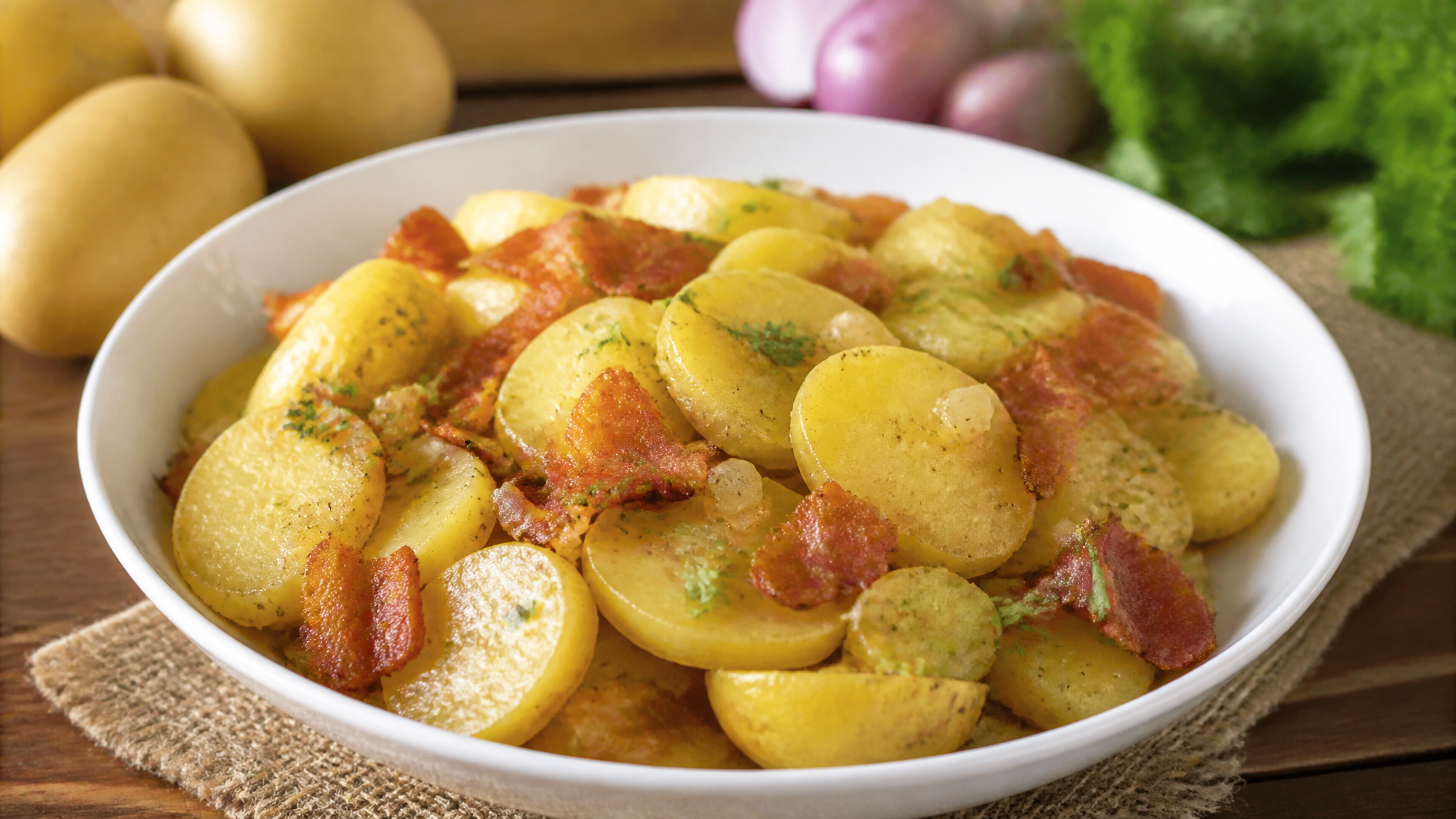
Sauerbraten, a pot roast marinated for days in spiced vinegar before a long braise, showcases the sweet-sour balance at the heart of the cuisine. Spaetzle — soft egg noodles — and its cheesy cousin käsespätzle are beloved comfort foods, while German potato salad, dressed warm with vinegar and bacon rather than mayonnaise, shows the same love of tang.
Cabbage appears fresh, braised, and fermented into sauerkraut; rye and seeded breads anchor the table; and mustard, caraway, juniper, and bay are recurring seasonings.
Techniques worth borrowing
German cooking is a masterclass in braising and in balancing richness with acid. Marinating and slow-cooking tough cuts until meltingly tender, then finishing sauces with a touch of sweetness and sourness, is a technique that improves cooking everywhere.
The tradition of preserving — pickling, fermenting, and baking dense breads — also offers practical lessons in making food last and eating well through every season.