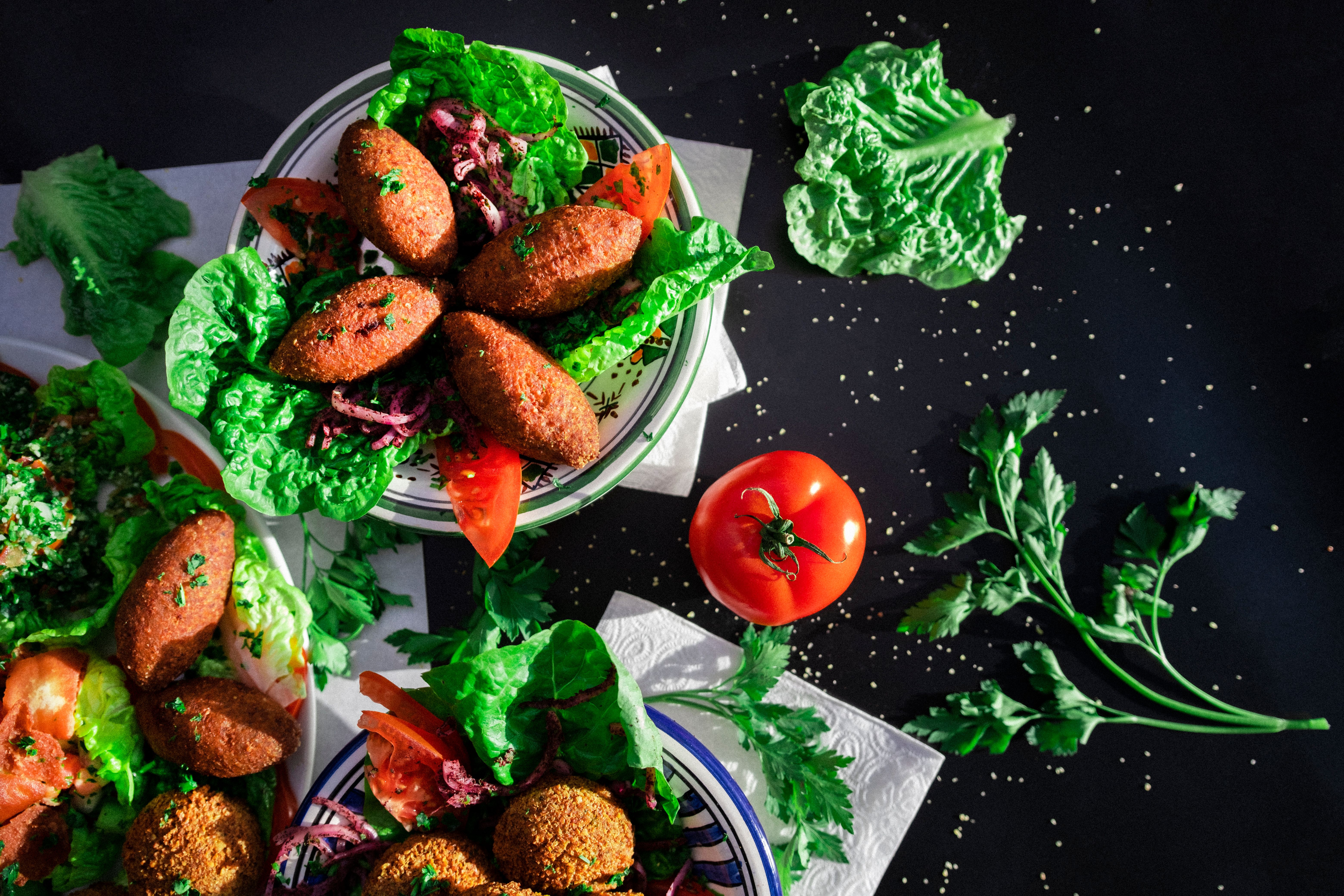
A crossroads cuisine
The food of Israel and the wider Levant sits at a cultural crossroads, drawing on Palestinian, Lebanese, Syrian, and broader Middle Eastern traditions alongside the culinary heritage brought by Jewish communities from across the world. The result is a vibrant, layered cuisine that celebrates vegetables, legumes, grains, and herbs as much as meat.
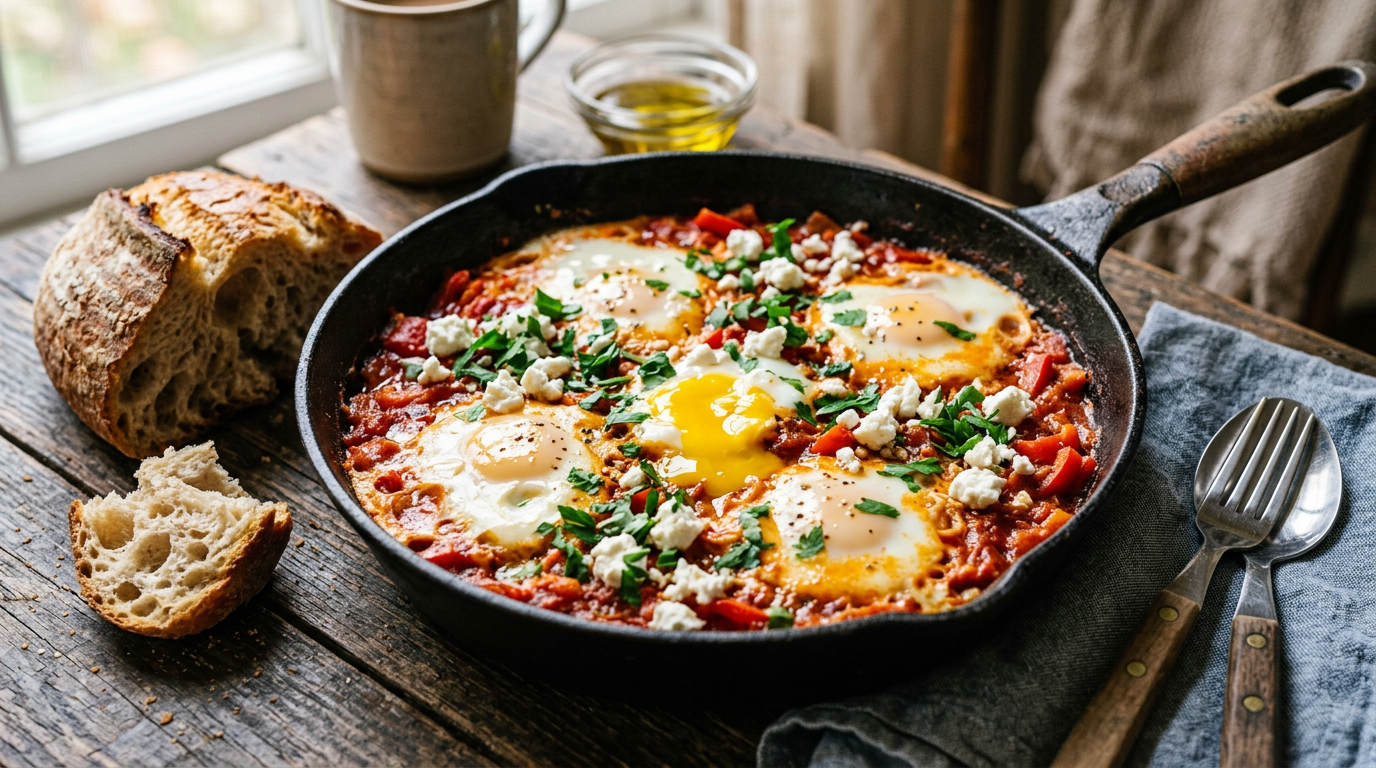
Meals are often built around many small dishes shared at once — a generous, communal style that makes the table feel abundant even when the ingredients are simple.
The building blocks
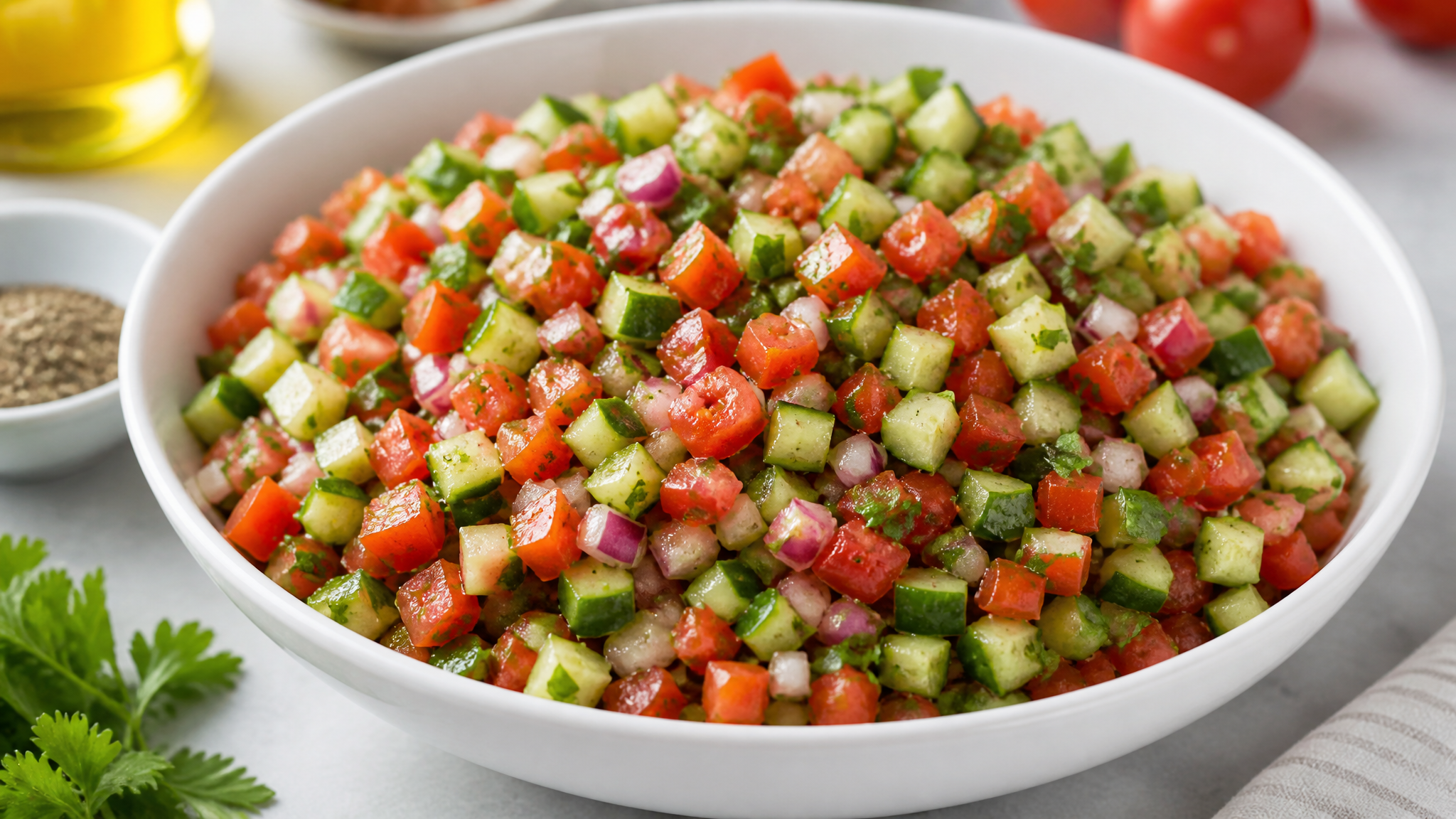
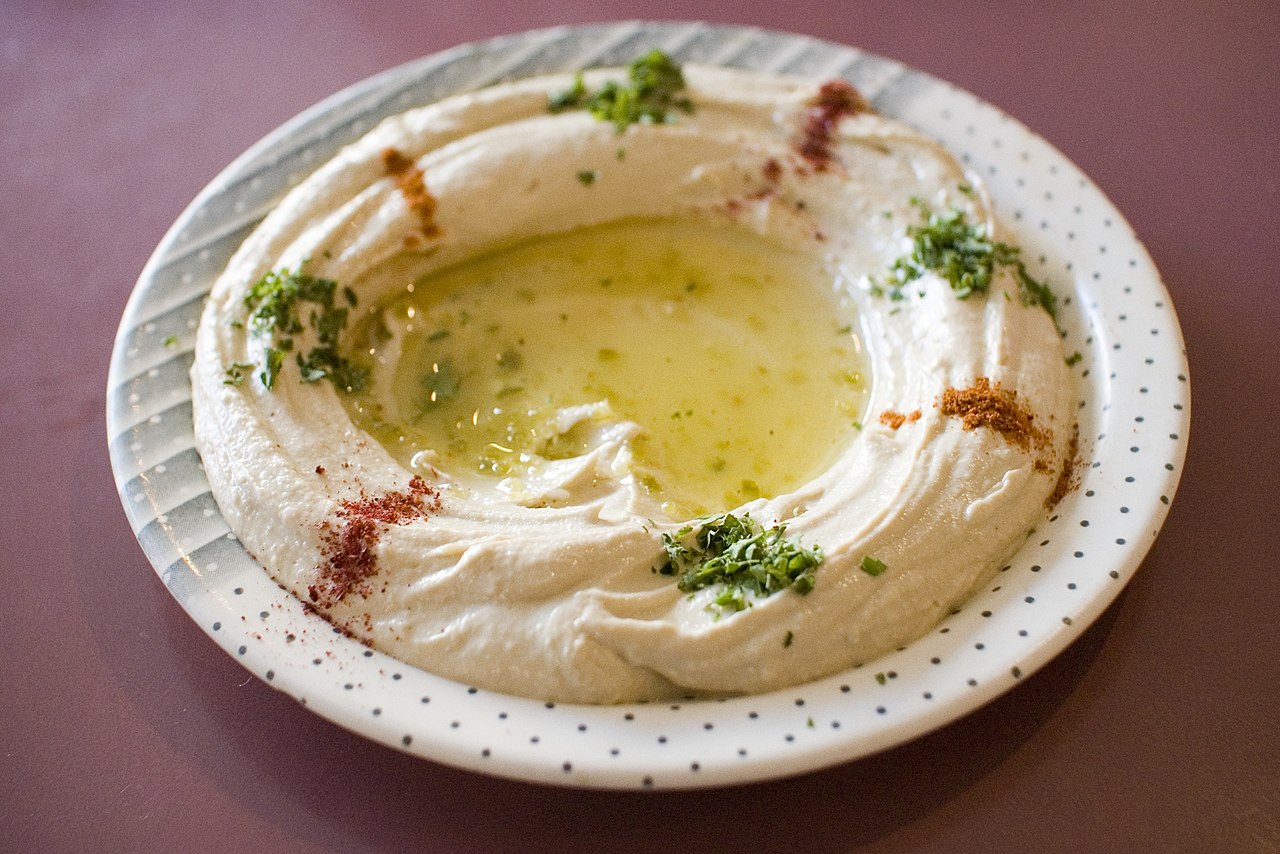
Chickpeas anchor hummus and falafel; tahini enriches sauces and sweets; and eggplant appears charred in baba ganoush and layered into countless dishes. Fresh herbs, lemon, garlic, and spices like cumin, sumac, and za'atar bring brightness and depth. Sabich — pita stuffed with fried eggplant, egg, salad, and tahini — and a finely diced Israeli salad show the cuisine's love of texture and freshness.
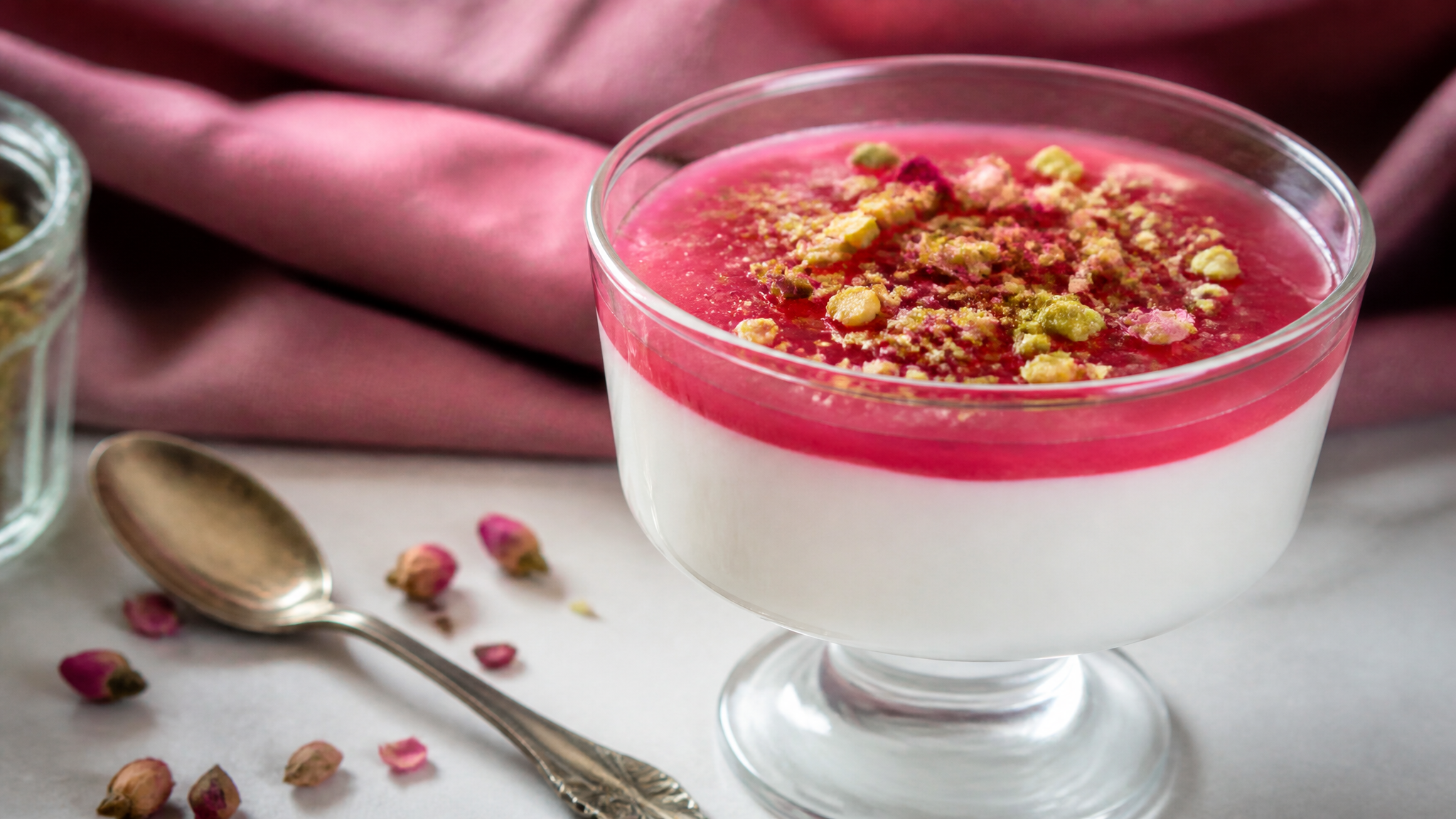
Pomegranate molasses, olive oil, yogurt, and pickles recur throughout, adding the tang and richness that define the flavor profile.
Techniques and spirit
Much of this cooking is about assembly and balance — combining creamy, crunchy, tangy, and fresh elements on one plate — rather than long, complex technique. Learning to make good hummus, a proper tahini sauce, and a well-seasoned chopped salad unlocks a huge range of meals.
Above all, it is food meant for sharing, generous with herbs and acid, and endlessly adaptable to what is fresh and in season.