What braising and stewing do
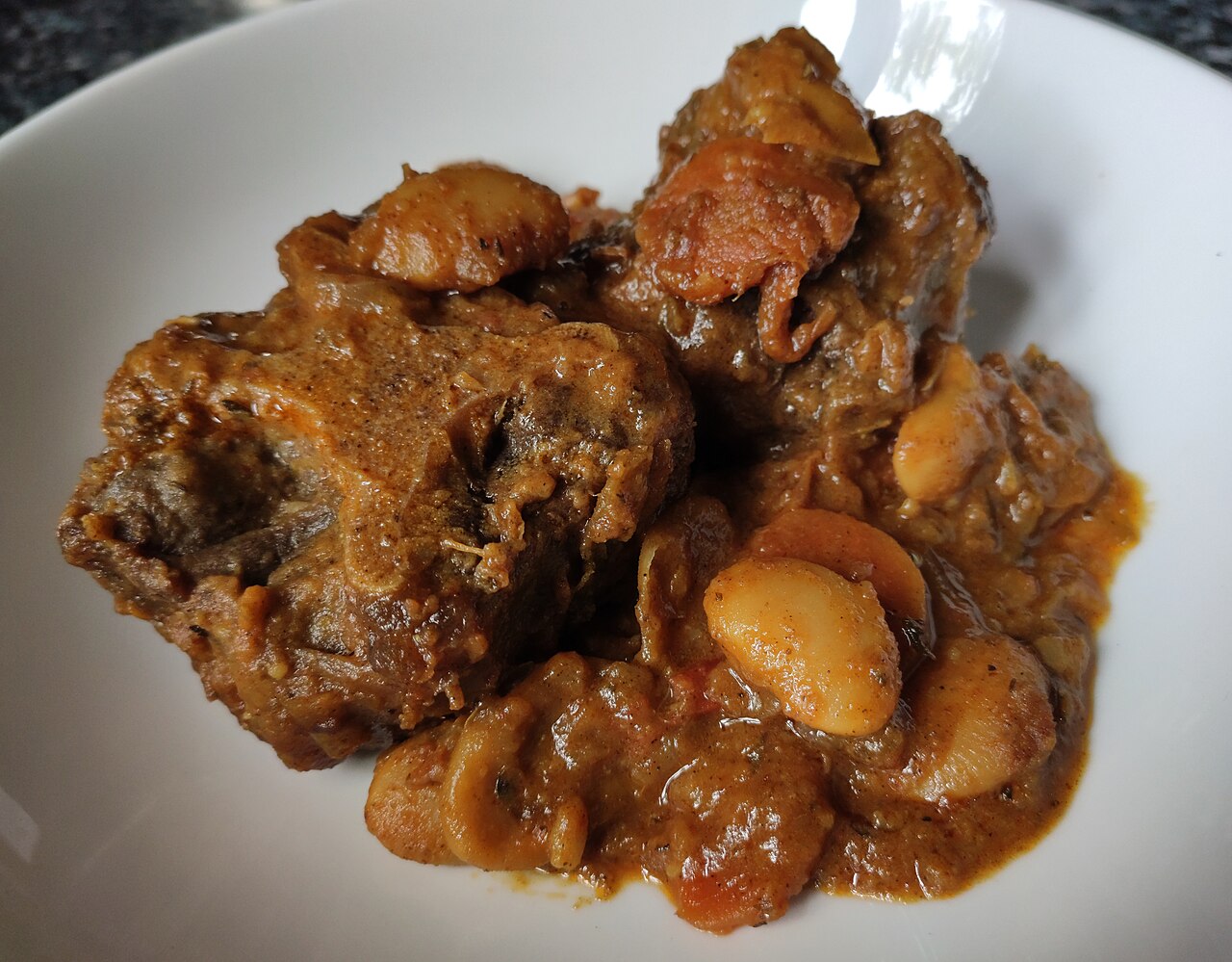
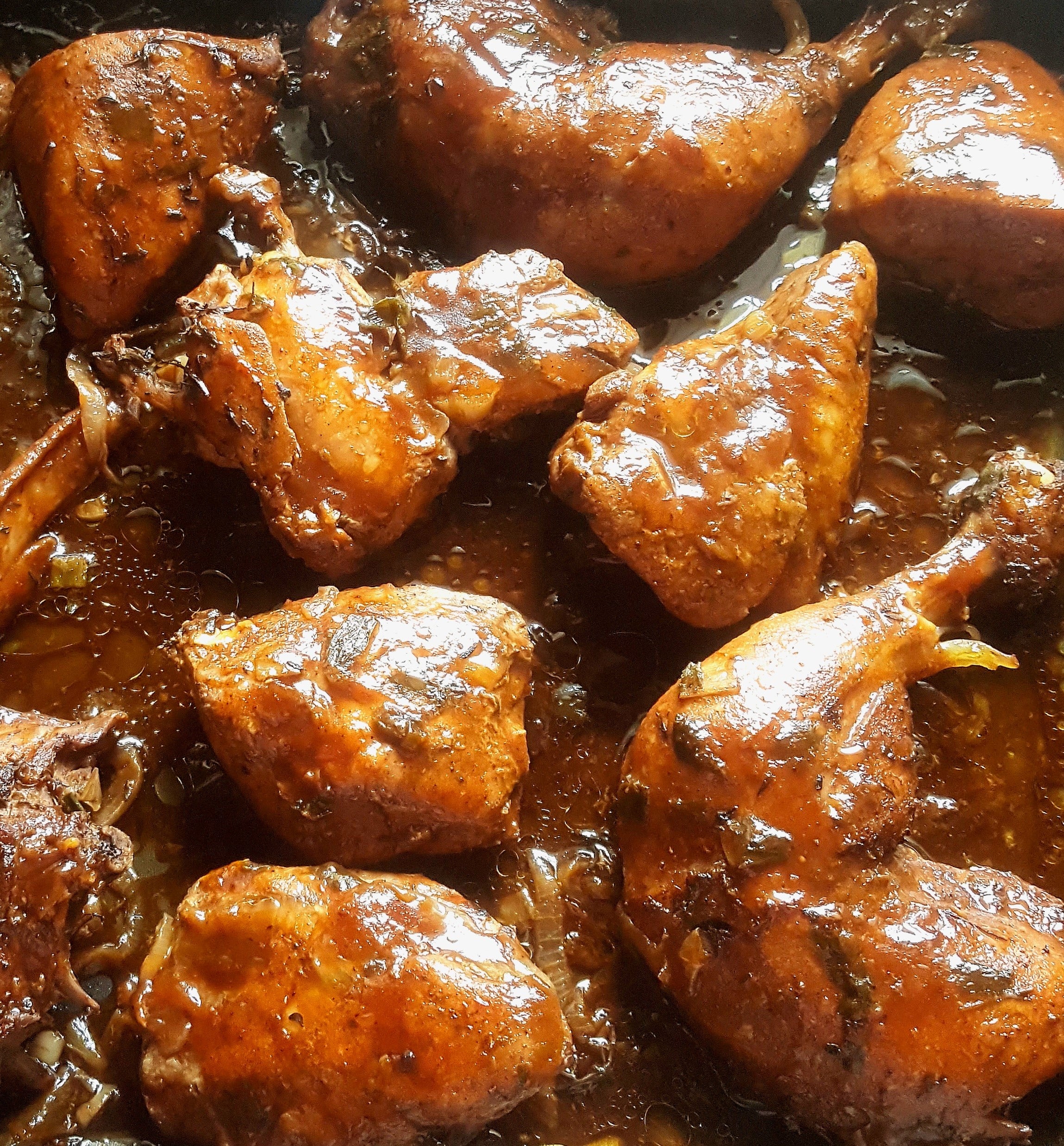
Braising and stewing are moist-heat methods that cook food slowly in liquid at a gentle simmer. The difference is mostly one of size and quantity: braising uses larger pieces partly submerged in liquid, while stewing uses smaller, bite-sized pieces fully covered. Both rely on the same principle — long, low cooking that dissolves the tough connective tissue in hard-working cuts of meat into silky gelatin.
This is why the cheapest cuts — chuck, shin, shoulder, brisket — make the best braises. Lean, tender cuts have little connective tissue to convert and simply dry out, whereas a well-marbled, collagen-rich cut grows more tender and more flavorful the longer it cooks.
Build flavor in layers
A great braise is built in stages. First, sear the meat hard on all sides to develop a deep brown crust — this fond becomes the backbone of the sauce. Remove it, then soften your aromatics (onion, carrot, celery, garlic) in the same pot, scraping up the browned bits. Add liquid — stock, wine, tomatoes, or a mix — return the meat, and bring everything to the barest simmer.
Keep the heat low. A hard boil toughens meat and can make it stringy; you want lazy bubbles breaking the surface, no more. A tight-fitting lid and a low oven (around 150C / 300F) give the most even, hands-off results, holding a steady gentle temperature the stovetop struggles to match.
Timing, and the day-after rule
Braises reward patience. Most take two to three hours, and the meat passes through a stage where it feels tough before it turns tender — do not rush it or add heat. It is done when a fork slides in and twists with almost no resistance.
Nearly every braise and stew tastes better the next day. Cooling and reheating lets the flavors marry and deepen, and it also lets you lift off any excess fat that has risen and set on top. Make them ahead whenever you can.