Cook components, not just finished meals
The trap of small-household batch cooking is making one enormous dish and facing it every night until you never want to see it again. The fix is to batch versatile components rather than complete meals. Cook a big pot of rice or grains, a tray of roasted vegetables, a batch of beans or a protein, and a sauce or two, then combine them differently through the week — a grain bowl one day, a wrap the next, a soup base after that. The same prep yields variety instead of repetition.
This "mix and match" approach also adapts easily to how much you actually feel like eating on a given day, which is harder with a single fixed casserole portioned out in advance.
Portion and freeze intelligently
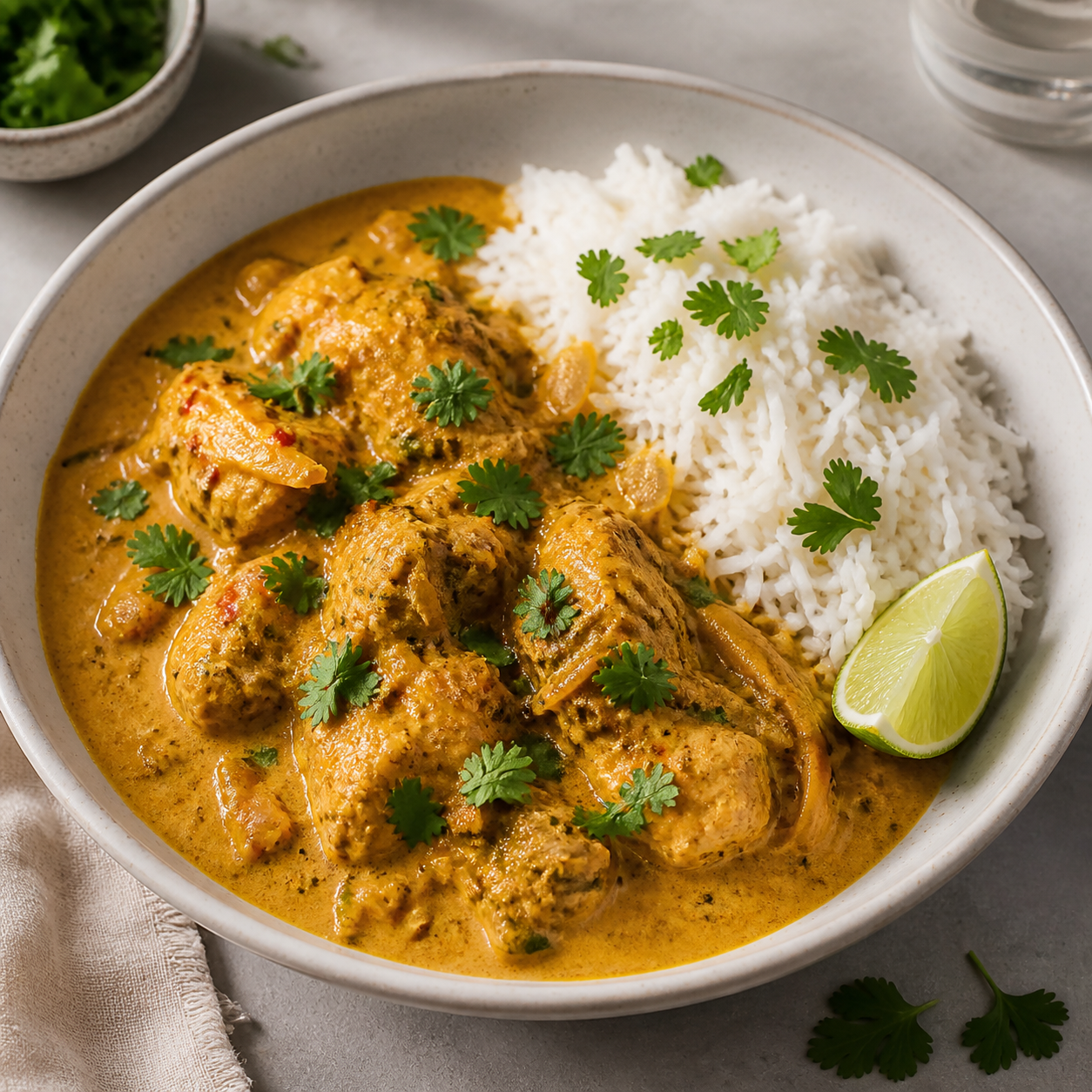
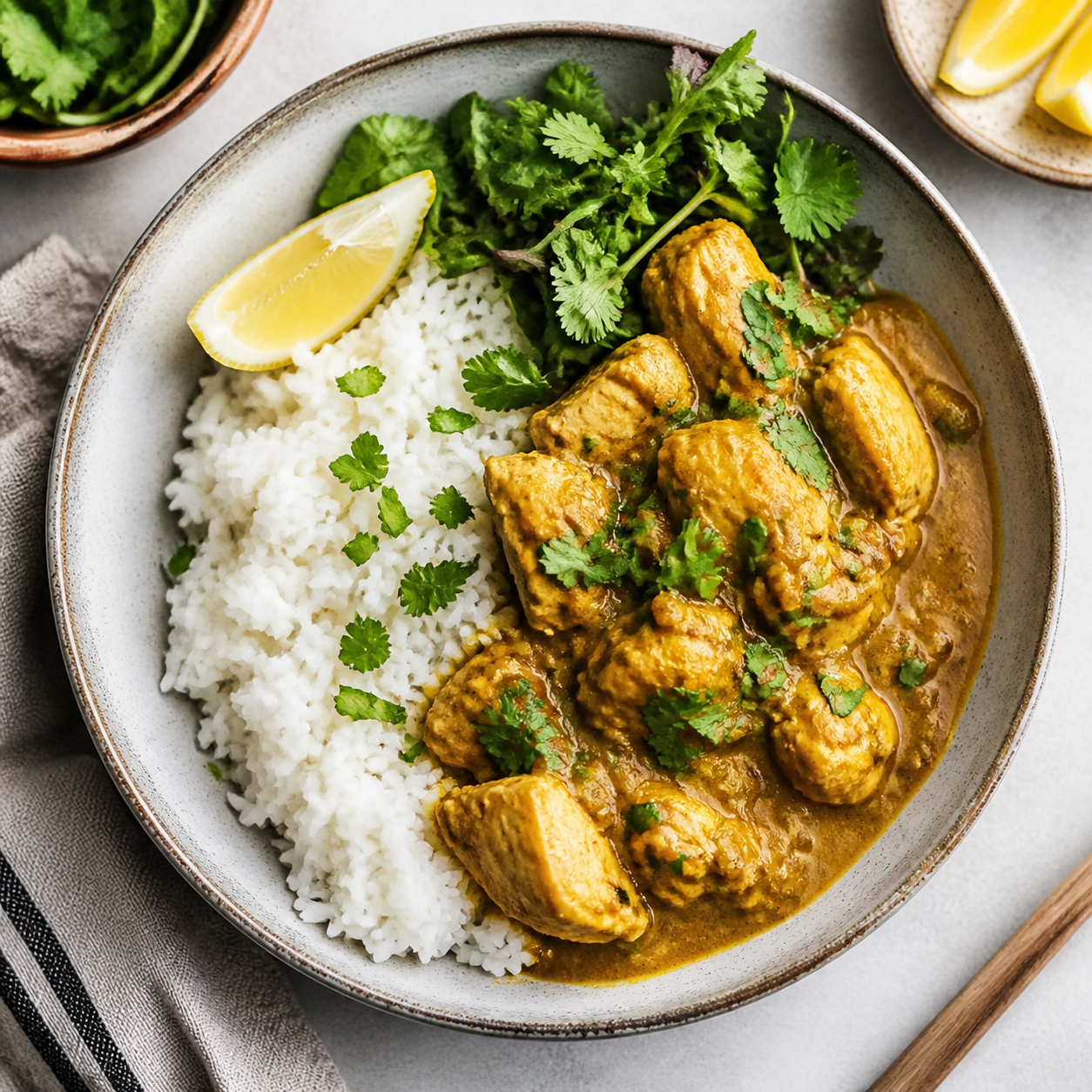
For dishes you do cook in full — stews, curries, sauces, soups — freeze in single or double portions rather than one big block, so you can thaw exactly what you need. Label each container with its contents and date, and keep a rough inventory so your freezer becomes a personal ready-meal shelf rather than a mystery. Freezing at the peak of freshness, right after cooking, preserves the best flavor and texture.
Rotating two or three different frozen meals means you always have a home-cooked option on a tired day without eating the same thing repeatedly. In effect you build your own varied, healthier, and far cheaper alternative to takeout.
Scale recipes and shop to match
Cooking for one or two does not mean you must halve every recipe. Full-size batches of things that keep or freeze well are efficient; it is the perishable fresh elements you scale down. Plan a couple of meals that share ingredients so a bunch of herbs or a head of cabbage gets fully used rather than half-wasted, and buy loose produce in the exact quantity you need rather than pre-packed amounts sized for larger households.
A little planning at the shop is what makes small-household cooking economical. Buying with your week’s components in mind means less waste, less money spent, and less time cooking overall.