Plan around your actual week
The most common reason meal plans fail is that they ignore real life. Before choosing a single recipe, look at your week honestly: which nights are rushed, which have time for cooking, and when leftovers would help. Assign quick meals to your busiest evenings and save any involved cooking for the nights you actually have time. A plan that fits your schedule is one you will follow.
Aim for a mix, not perfection: a couple of reliable favorites, one or two quick-assembly dinners, a slow-cooked or batch meal that yields leftovers, and a flexible "clean out the fridge" night. This variety keeps everyone interested without demanding a new project each evening.
Use templates instead of starting from scratch
Themes remove decision fatigue. Many families rotate loose templates — a pasta night, a taco or wrap night, a grain-bowl night, a soup or stew night, a sheet-pan night. Within each template the specific ingredients change, so meals stay varied while planning stays effortless. You are choosing details, not reinventing dinner.
Templates also make grocery shopping predictable, because you buy the same categories of ingredients each week and simply vary the specifics based on what is fresh or on sale.
Batch prep the components
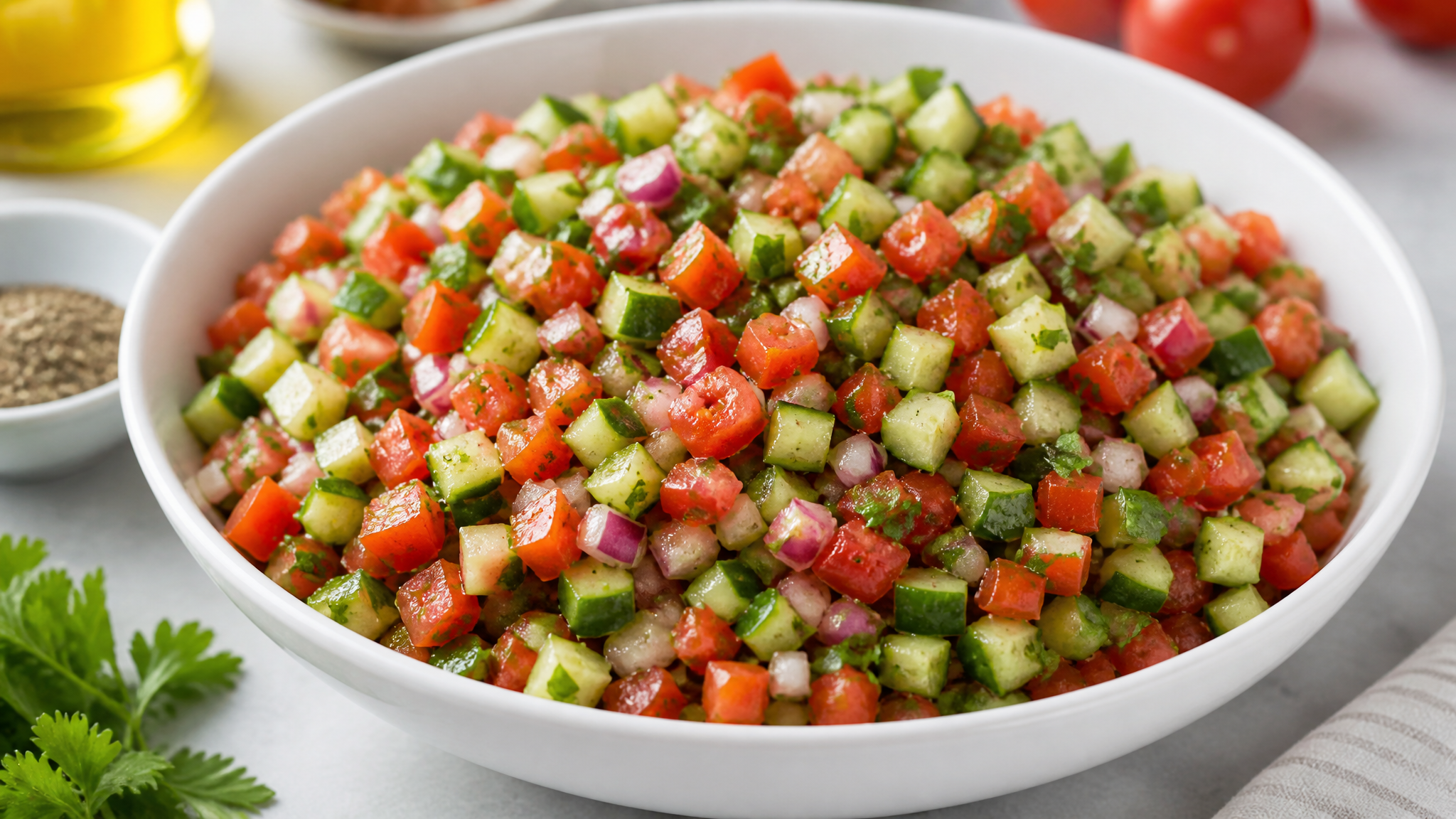
A little weekend preparation pays off all week. Cook a big pot of grains, roast a tray or two of vegetables, wash and chop produce, and make a sauce or dressing. With these components ready, weeknight dinners become assembly rather than cooking — a grain bowl, a quick stir-fry, or a loaded salad comes together in minutes.
Prep proteins too: marinate chicken, cook a batch of beans, or brown ground meat to reheat later. Store components separately so you can mix and match rather than eating the identical meal five nights running.
Get everyone involved
Sharing the work makes it sustainable. Even young children can wash vegetables, set the table, or choose which of two planned meals happens tonight. Older kids can follow a simple recipe. Involving the family builds skills, reduces the mental load on one person, and makes children more willing to eat what they helped make.
Finally, keep a running list of meals everyone likes. When planning feels overwhelming, you can simply pull from a proven list instead of searching for something new.