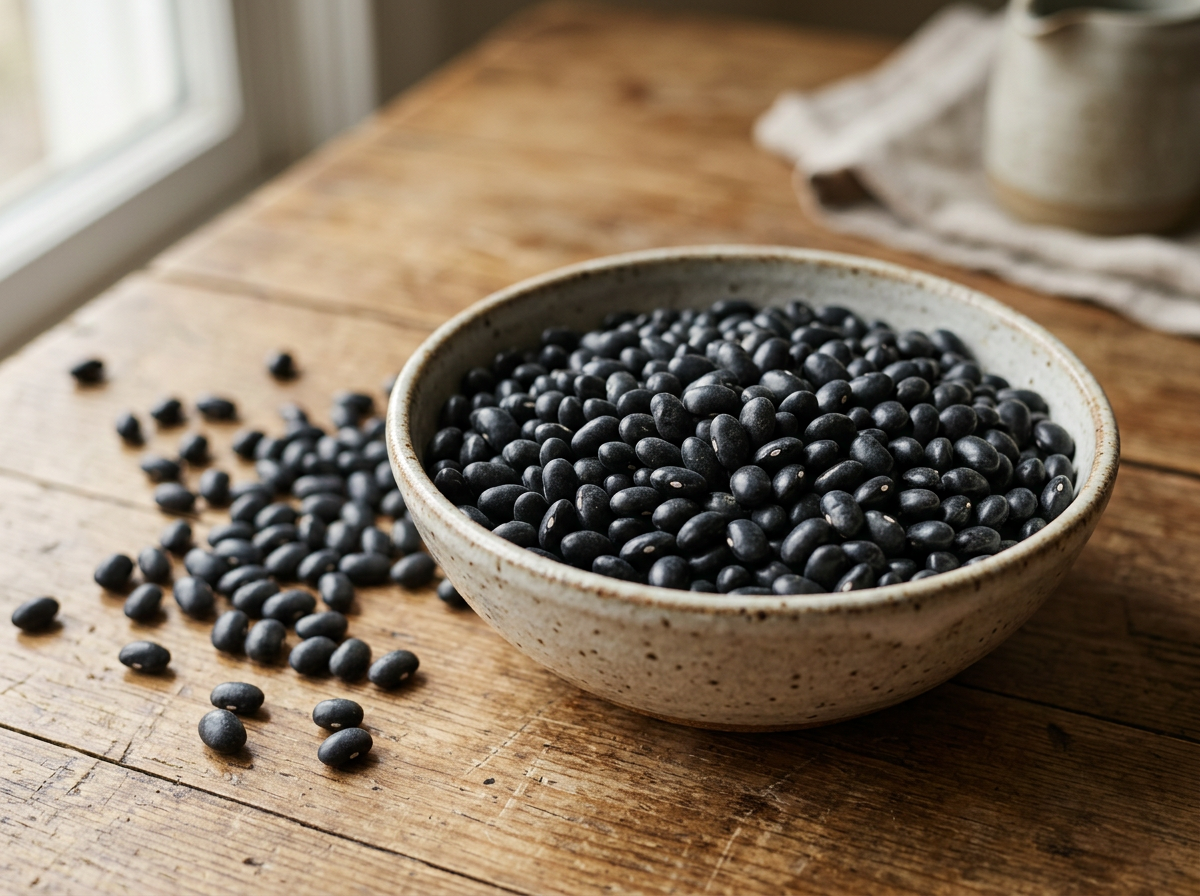
Black Beans
Creamy, earthy beans central to Latin American and Caribbean cooking.
Also known as: Phaseolus vulgaris, black turtle beans, frijoles negros
Overview
Black beans (black turtle beans) are small, dense beans with glossy dark skins and creamy interiors. They are a defining ingredient in Latin American and Caribbean kitchens — think Cuban black beans and rice, Brazilian feijoada, and countless Mexican dishes — and a reliable, affordable plant protein everywhere.
Their mild, earthy flavor makes them exceptionally versatile: they hold their shape in salads, mash beautifully for refried beans and burgers, and lend body to soups and stews. Available dried for the best texture, or canned for speed.
Culinary Uses
- Simmered with aromatics for classic beans and rice, or Brazilian and Cuban stews.
- Mashed into refried beans, dips, and veggie-burger patties.
- Folded into tacos, burritos, enchiladas, and grain bowls.
- Tossed cold into salads with corn, peppers, and lime.
Flavor Profile
- Mild, earthy, and slightly sweet, with a soft, creamy interior.
- They take on cumin, garlic, chili, and citrus especially well.
- Cooking with aromatics and a bay leaf deepens their savory backbone.
Storage
- Keep dried black beans airtight in a cool, dry pantry; the fresher the beans, the better they cook.
- Store cans in the pantry; refrigerate leftovers in liquid and use within a few days.
- Cooked beans keep several days refrigerated and freeze very well in their liquid.
Preparation
- Soak dried beans several hours or overnight, then simmer gently with aromatics until fully creamy.
- Salt once the beans have begun to soften so the skins stay tender.
- Drain and rinse canned beans to reduce sodium and the starchy liquid.
Nutrition
Black beans are an excellent source of plant protein and fiber, with very little fat.
They provide slow-digesting carbohydrate and a rich supply of minerals and antioxidants from their dark skins.
A hearty protein source, complete when paired with rice.
Both soluble and insoluble, supporting digestion and satiety.
Abundant in black beans; supports cell health.
Support energy metabolism and muscle function.
Dietary Considerations
- Naturally vegan, vegetarian, gluten-free, and dairy-free.
- A budget-friendly protein cornerstone; pair with rice for a complete protein.
- High in fiber; rinse canned beans and introduce gradually to ease digestion.
Nutrition information is educational and approximate; it varies by variety, portion, and preparation, and is not a substitute for professional dietary advice.
Common Pairings
Recipes with Black Beans
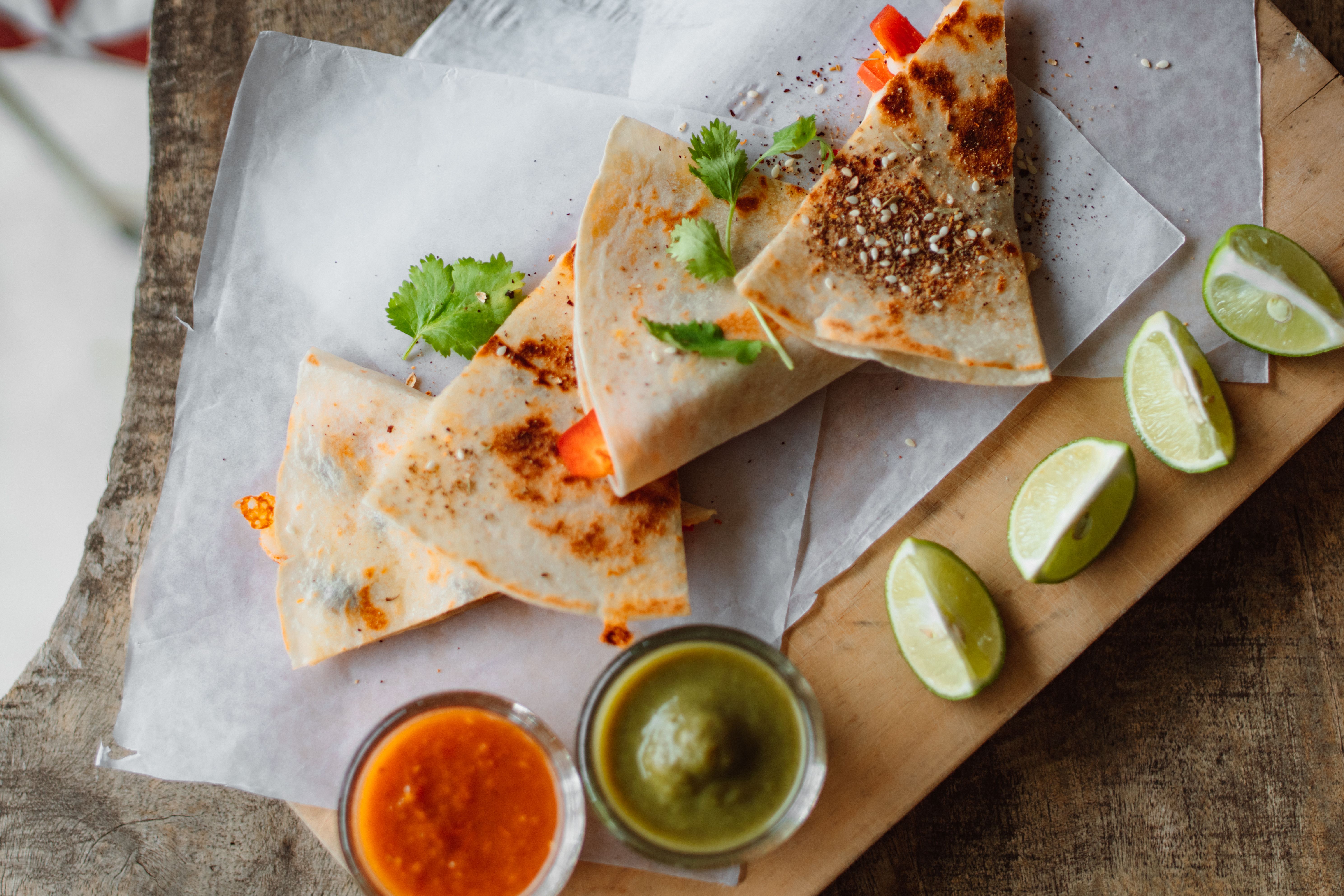
Budget Black Bean Quesadillas
Crispy tortillas stuffed with seasoned black beans, corn, and melty cheese — a five-minute-prep vegetarian dinner kids love and your wallet will too.
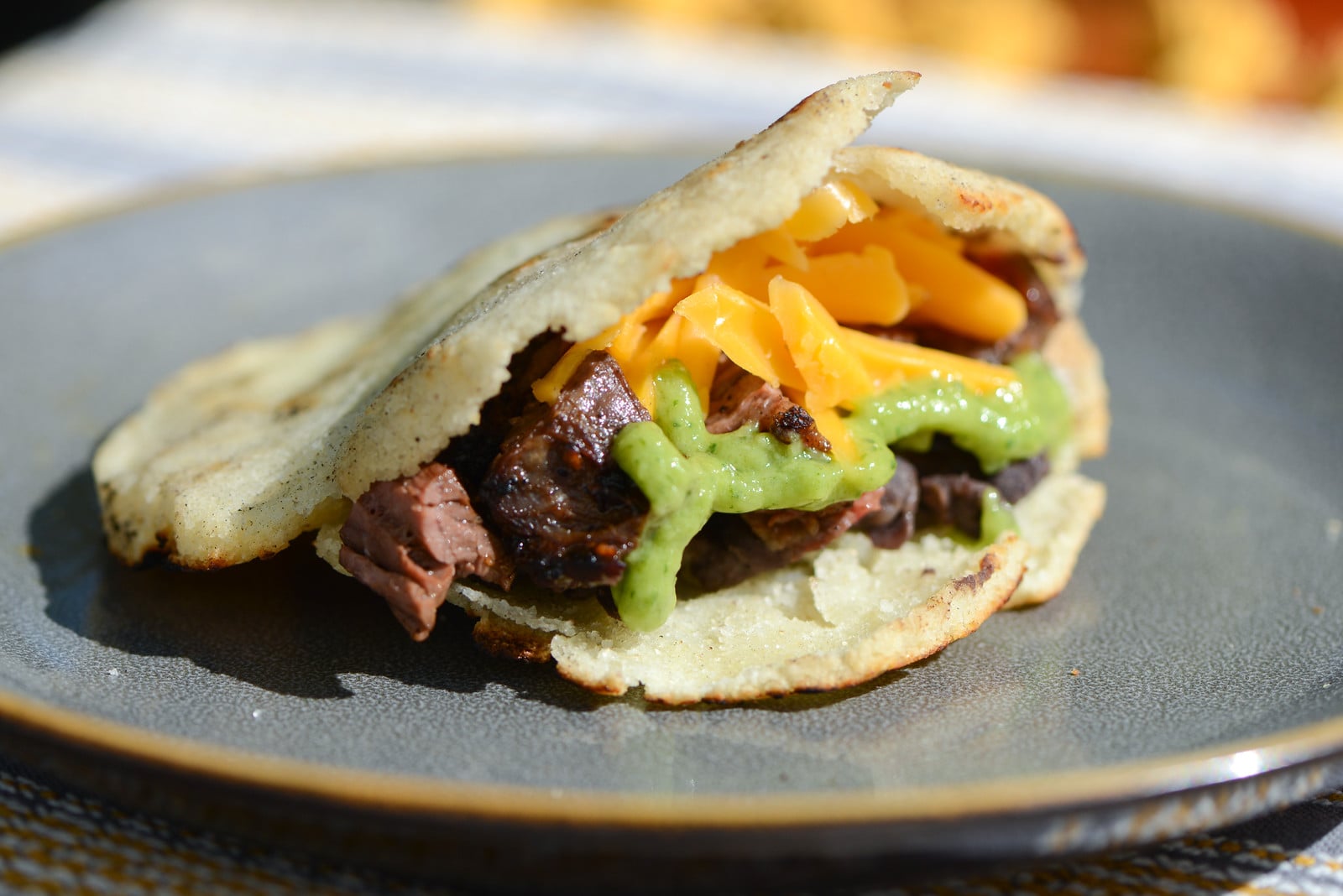
Venezuelan Black Bean Arepas
Golden griddled corn arepas split and stuffed with seasoned black beans — a naturally gluten-free Venezuelan staple that is budget-friendly and endlessly fillable.
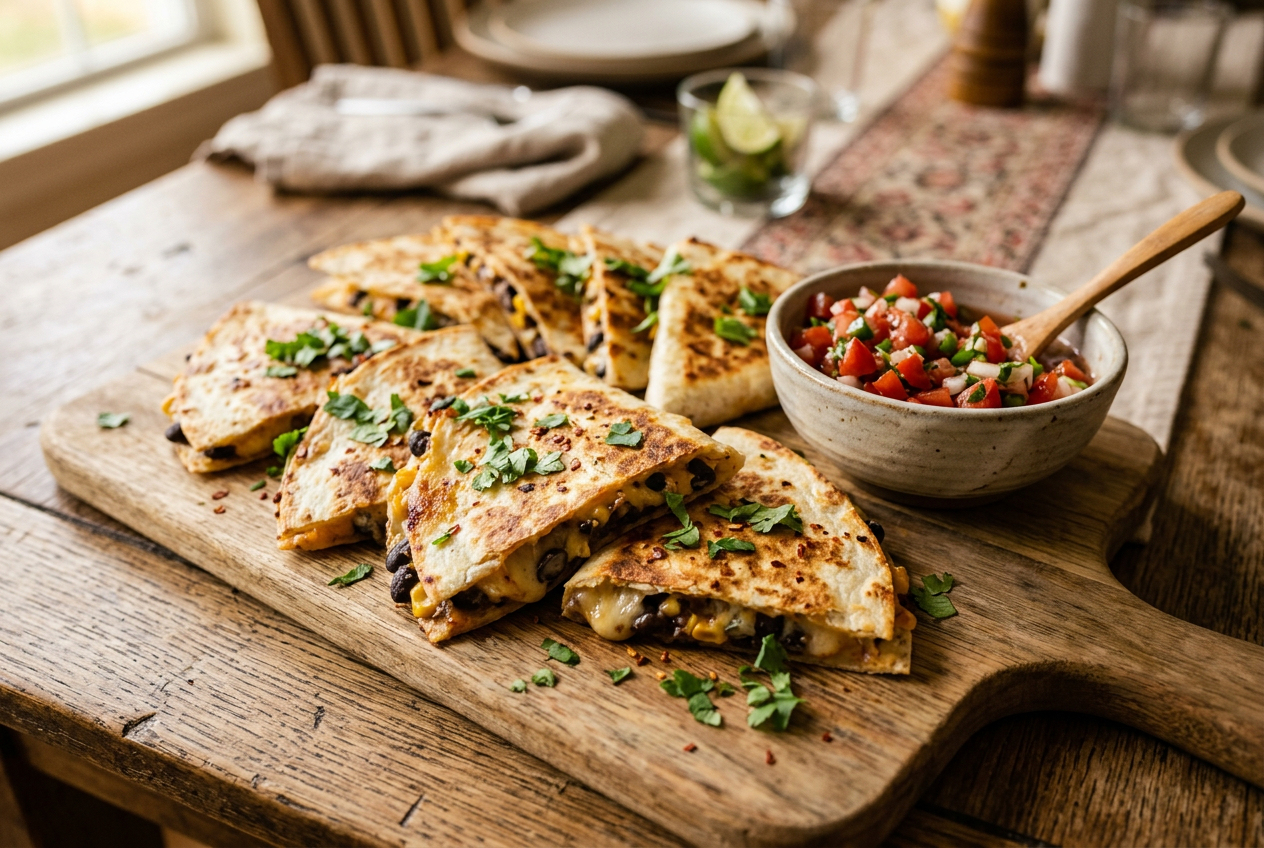
Cheesy Black Bean Quesadillas
Crisp tortillas folded around melty cheese and lightly spiced black beans, griddled until golden and cut into wedges. Ten minutes, a handful of cheap ingredients, and a foolproof meal — ideal for a fast student lunch or dinner for two.
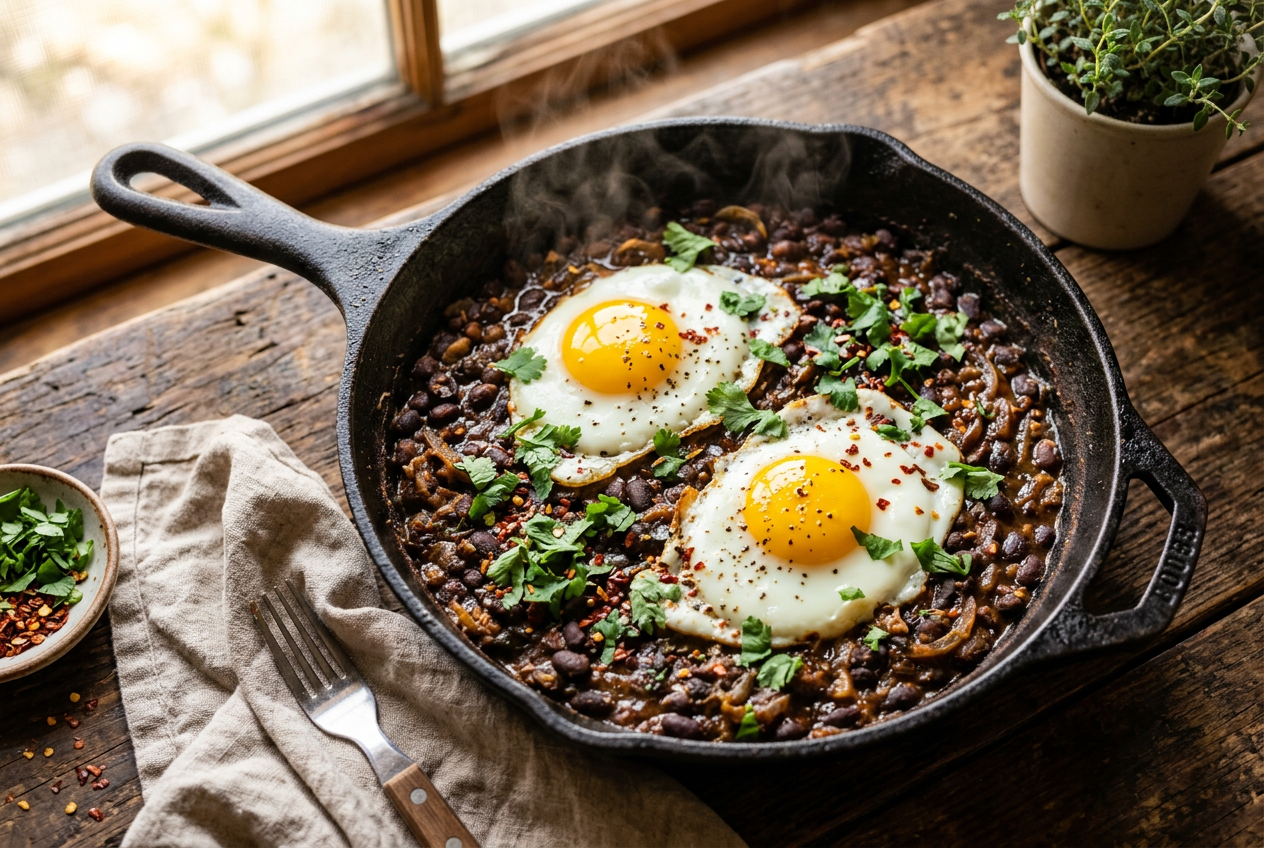
Smoky Black Bean & Egg Skillet
A one-pan supper of smoky black beans simmered with tomato and paprika, then finished with eggs baked right in the sauce. Cheap, filling, and ready in half an hour — a protein-rich meal built almost entirely from pantry staples.
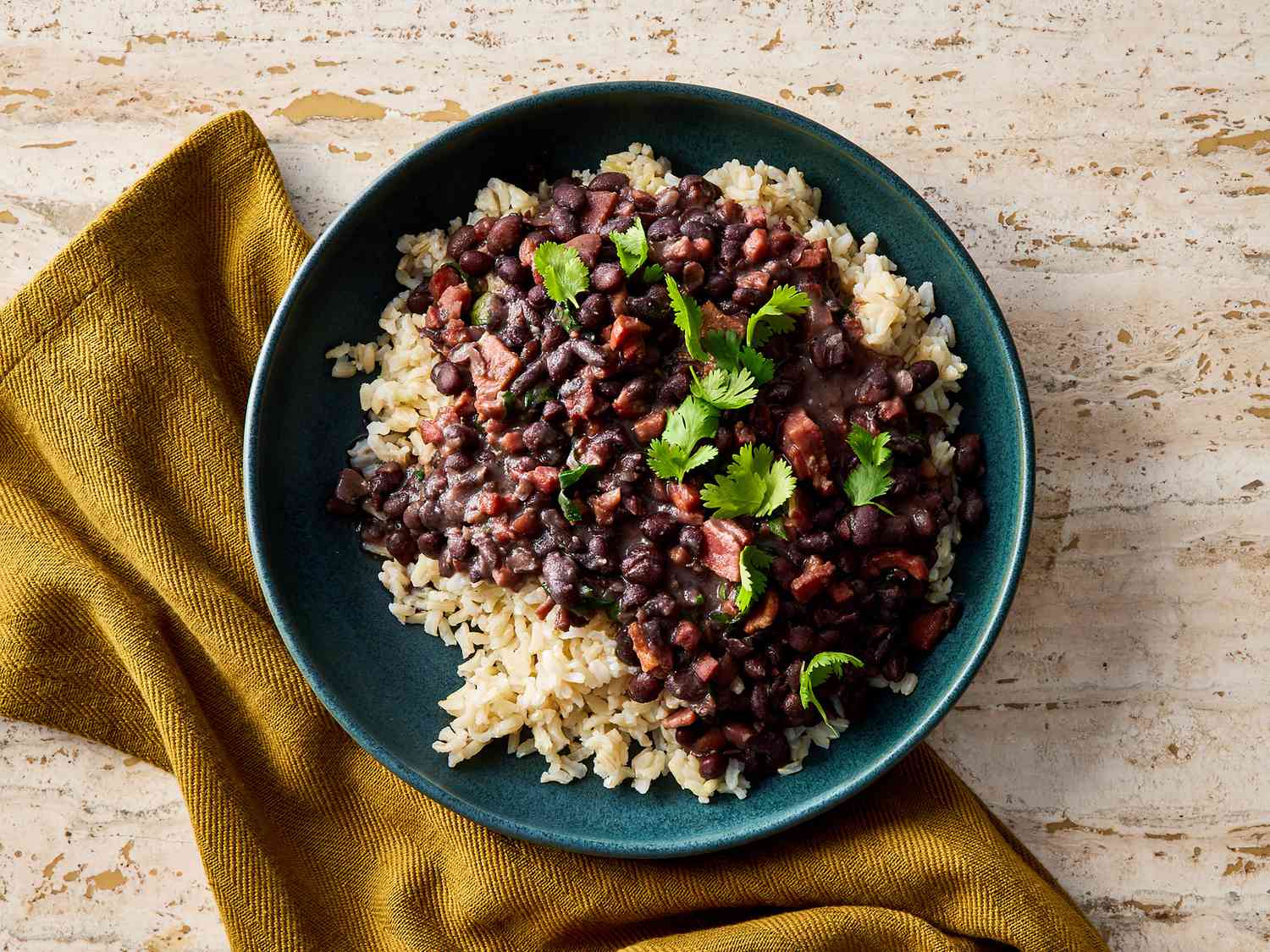
Feijoada
Brazil’s national dish: a hearty black bean stew with smoky pork and beef, served with rice and orange.
Explore Related Cuisines
Related Ingredients
Cooking Guides You May Like
The Essentials of Caribbean & Latin American Cooking
Bright citrus, smoky spice, and fresh seafood define the cooking of the Caribbean and Latin America. Here is an introduction.
Budget-Friendly Meal Planning Without Sacrificing Flavor
Cooking on a budget is a skill, not a compromise. These strategies keep meals affordable and genuinely good.