One country, many cuisines
It is a common misconception that "Indian food" describes a single style of cooking. In reality, India’s regions differ as dramatically as the countries of Europe. Climate, local crops, and centuries of distinct history have produced cuisines that use different staples, fats, and spice blends. Understanding the broad north-south distinction is the best entry point for a home cook.
In the north, wheat is a staple and dishes lean on dairy — ghee, cream, yogurt, and paneer — to build rich, comforting gravies. In the south, rice and lentils dominate, coconut and tamarind bring richness and tang, and many dishes are naturally lighter and vegetarian.
The North: rich and warming
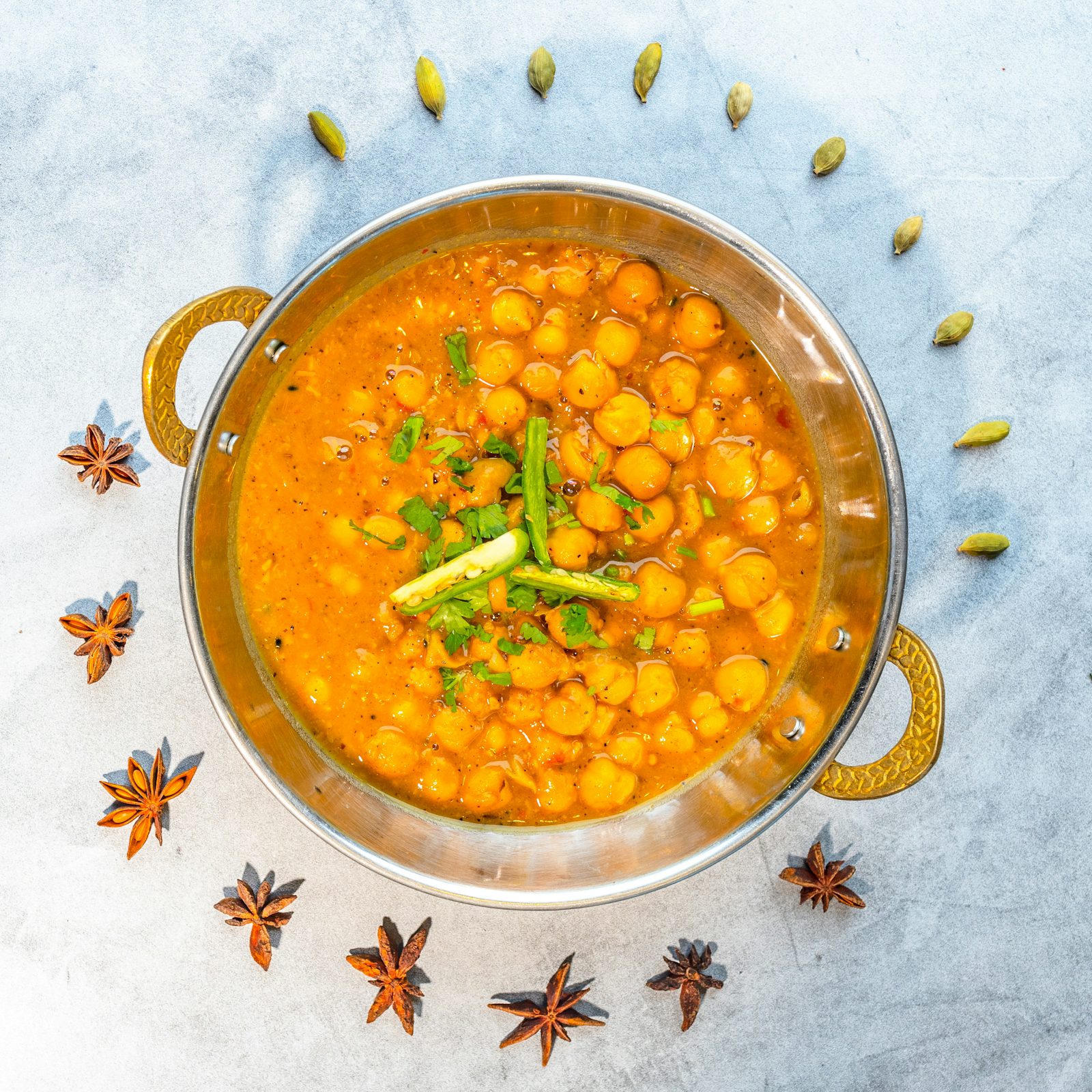
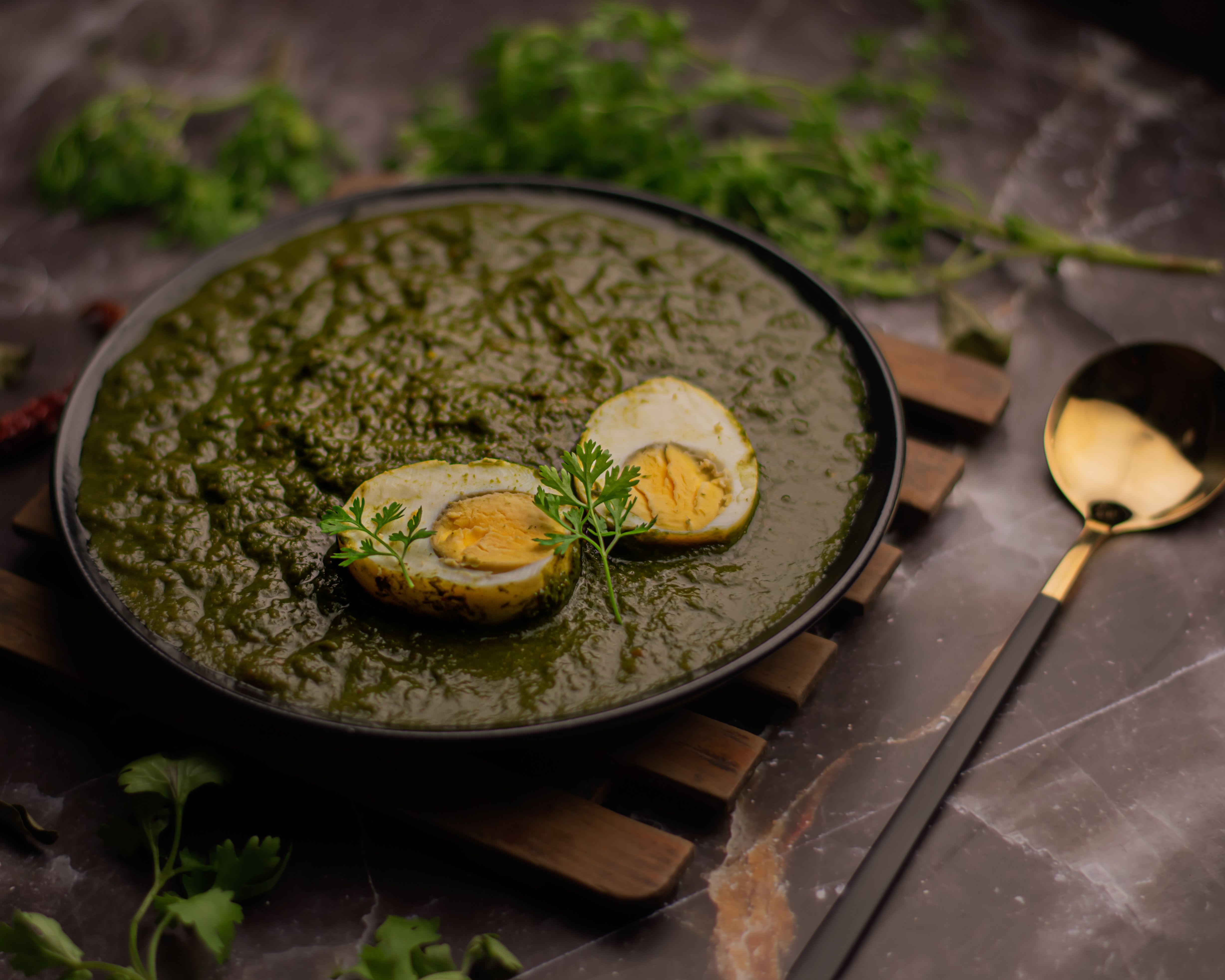
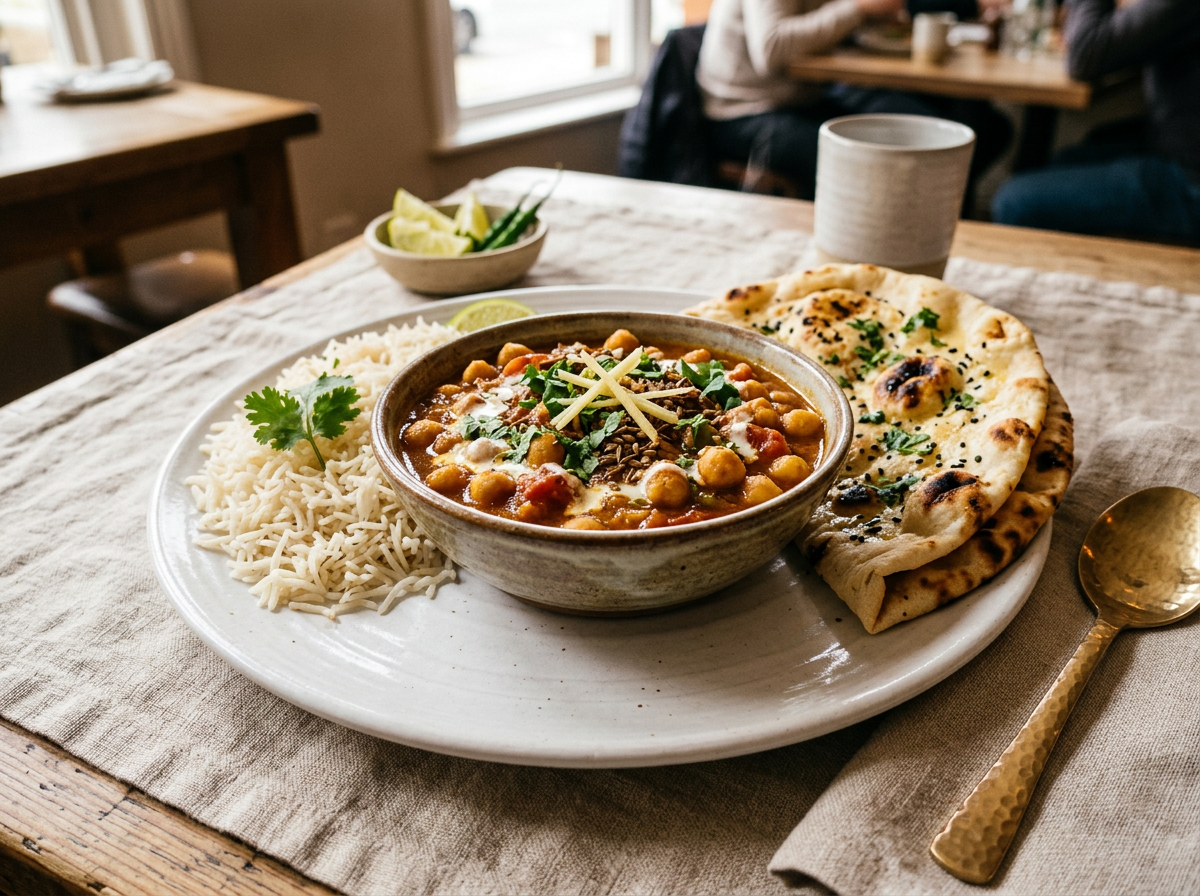
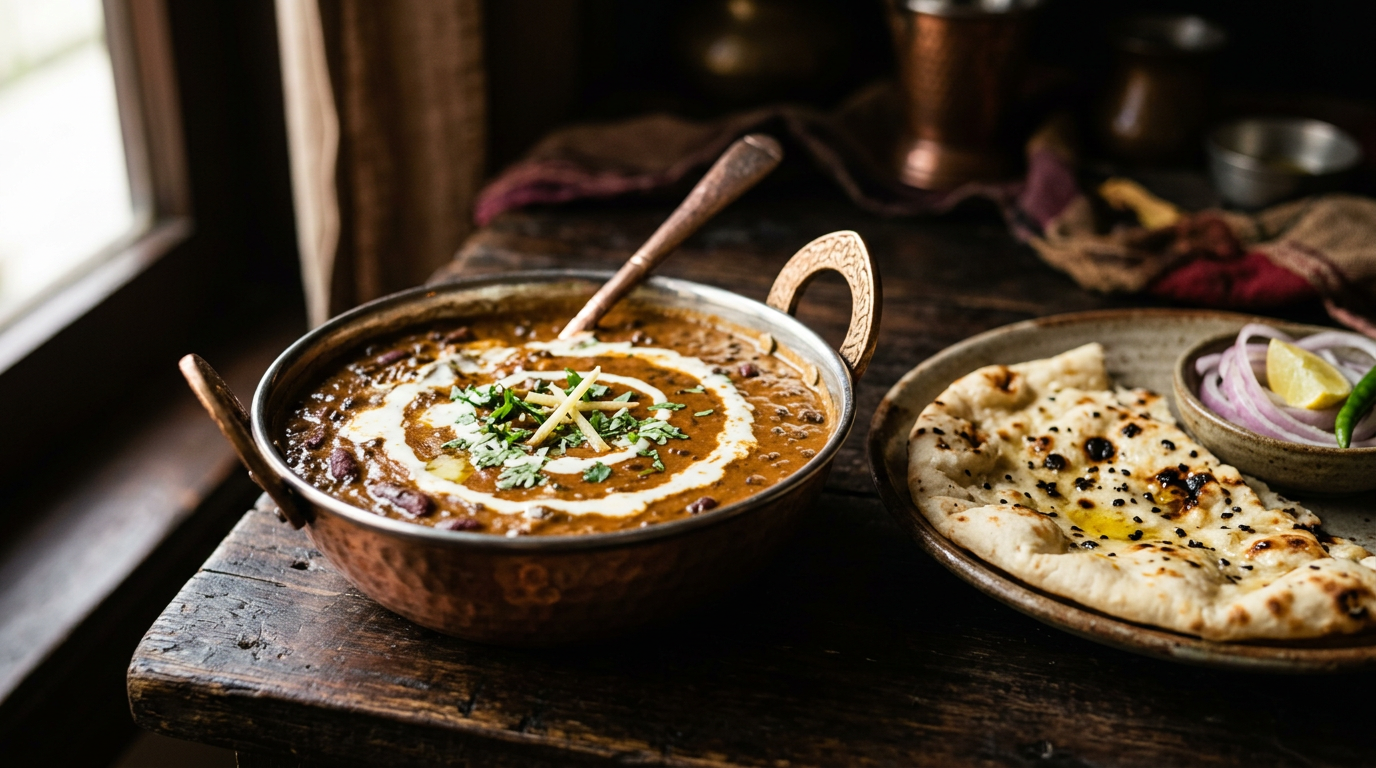
North Indian cooking is what many people picture first: creamy dal makhani simmered for hours, spinach-and-paneer palak paneer, and hearty kidney-bean rajma. These dishes build flavor from a base of onion, tomato, ginger, and garlic, layered with warming spices like garam masala, cumin, and coriander. Breads such as naan and roti are used to scoop up the generous sauces.
The signature technique is patience: aromatics and spices are cooked slowly until they form a deep, unified base before the main ingredients join. This is what gives northern gravies their luxurious depth.
The South: tangy and light
South Indian cooking centers on rice and lentils, often fermented into crisp dosas and fluffy idli. Sambar, a tangy lentil-and-vegetable stew soured with tamarind, and coconut-based curries are everyday staples. Curry leaves, mustard seeds, and dried chiles tempered in hot oil add the region’s characteristic aroma.
Many southern dishes are naturally vegetarian and gluten-free, relying on rice and legumes rather than wheat. Bright, tangy, and fragrant, they offer a refreshing contrast to the richer food of the north — and both traditions are well worth exploring at home.