Knife handling and basic cuts
A sharp knife and a confident grip transform cooking from a chore into something almost meditative. Hold the handle with your thumb and forefinger pinching the base of the blade, curl the fingers of your other hand into a claw to guide the food and protect your fingertips, and let the knife do the work rather than forcing it. A dull knife is far more dangerous than a sharp one because it slips; keep yours honed and occasionally sharpened.
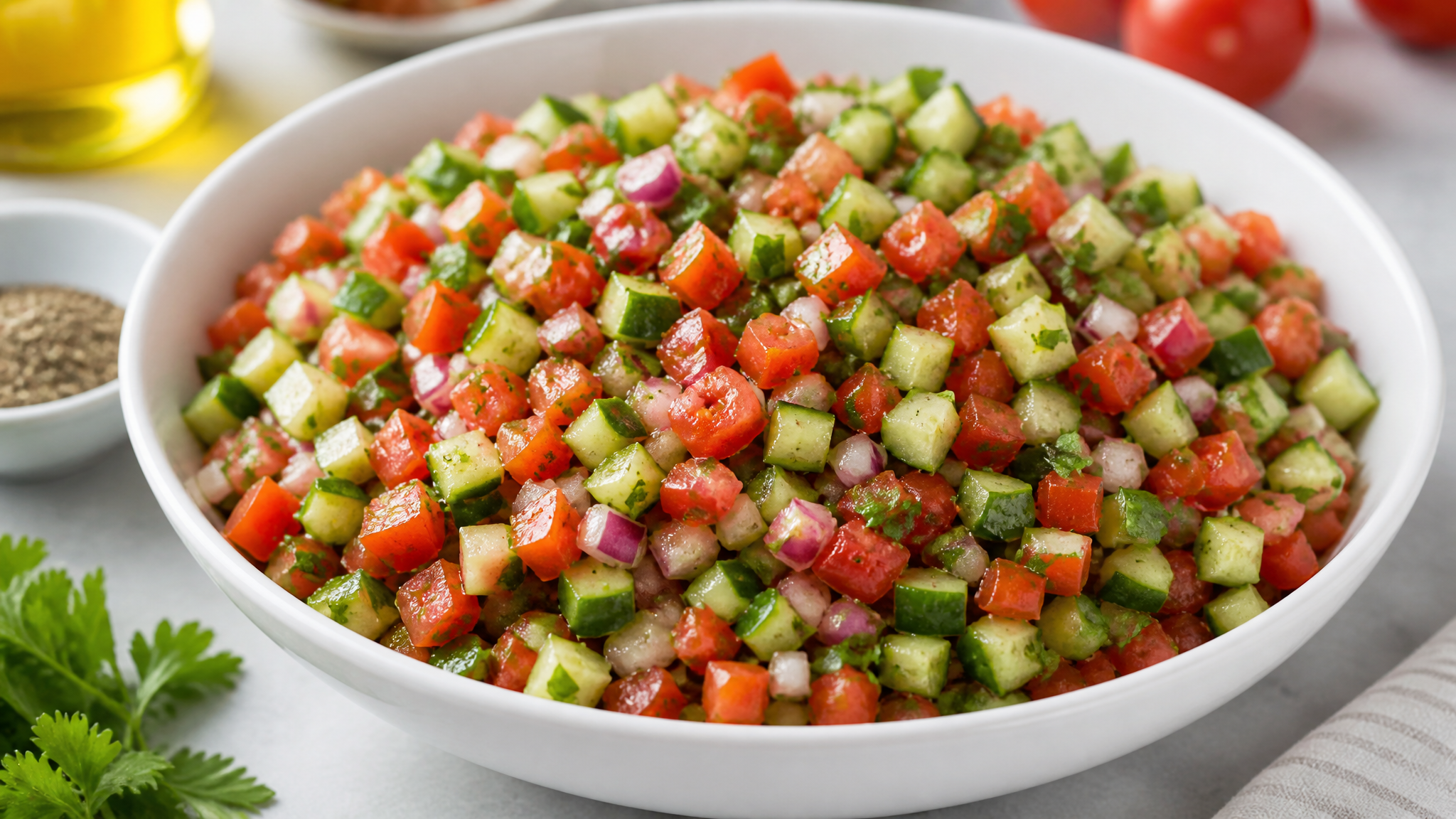
You only need a few cuts to handle most recipes: a rough chop for stews, a dice for even cooking, thin slices for stir-fries, and a mince for garlic and herbs. Uniform pieces cook at the same rate, which is the difference between evenly cooked vegetables and a mix of burnt and raw. Practice on inexpensive vegetables like onions and carrots until the motion feels natural.
Controlling heat
Understanding heat is what separates cooks who follow recipes from cooks who improvise. High heat sears and browns, creating the deep, savory flavors of a good steak crust or roasted vegetable. Medium heat is the workhorse for sautéing aromatics and cooking most proteins through. Low heat gently simmers soups and braises so they turn tender without falling apart or scorching.
Learn to read your pan: a drop of water should sizzle and evaporate on a properly preheated surface, and oil should shimmer but not smoke. Preheating matters — adding food to a cold pan is the most common reason things stick and steam instead of browning.
Building layers of flavor
Great-tasting food is usually built in stages rather than seasoned once at the end. Start by cooking aromatics such as onion, garlic, and ginger to create a savory base. Season lightly at each step so flavor develops throughout the dish. Deglaze the browned bits stuck to the bottom of the pan with a splash of stock, wine, or water — those bits are concentrated flavor. Finish with acid and fresh herbs to lift everything.
The classic balancing act is salt, fat, acid, and heat. If a dish tastes flat, it usually needs salt or acid rather than more of the main ingredient. Training your palate to diagnose what a dish is missing is perhaps the most valuable skill of all.
Kitchen safety and organization
Work clean and work ahead. Professional kitchens live by mise en place — measuring and prepping every ingredient before the heat goes on — because it prevents the panic of chopping garlic while something burns. Keep raw meat separate from ready-to-eat foods, wash your hands and boards between tasks, and cook proteins to safe internal temperatures.
Clean as you go. A tidy workspace is safer, faster, and far more pleasant, and it means the post-dinner cleanup is a quick wipe rather than a mountain of dishes.