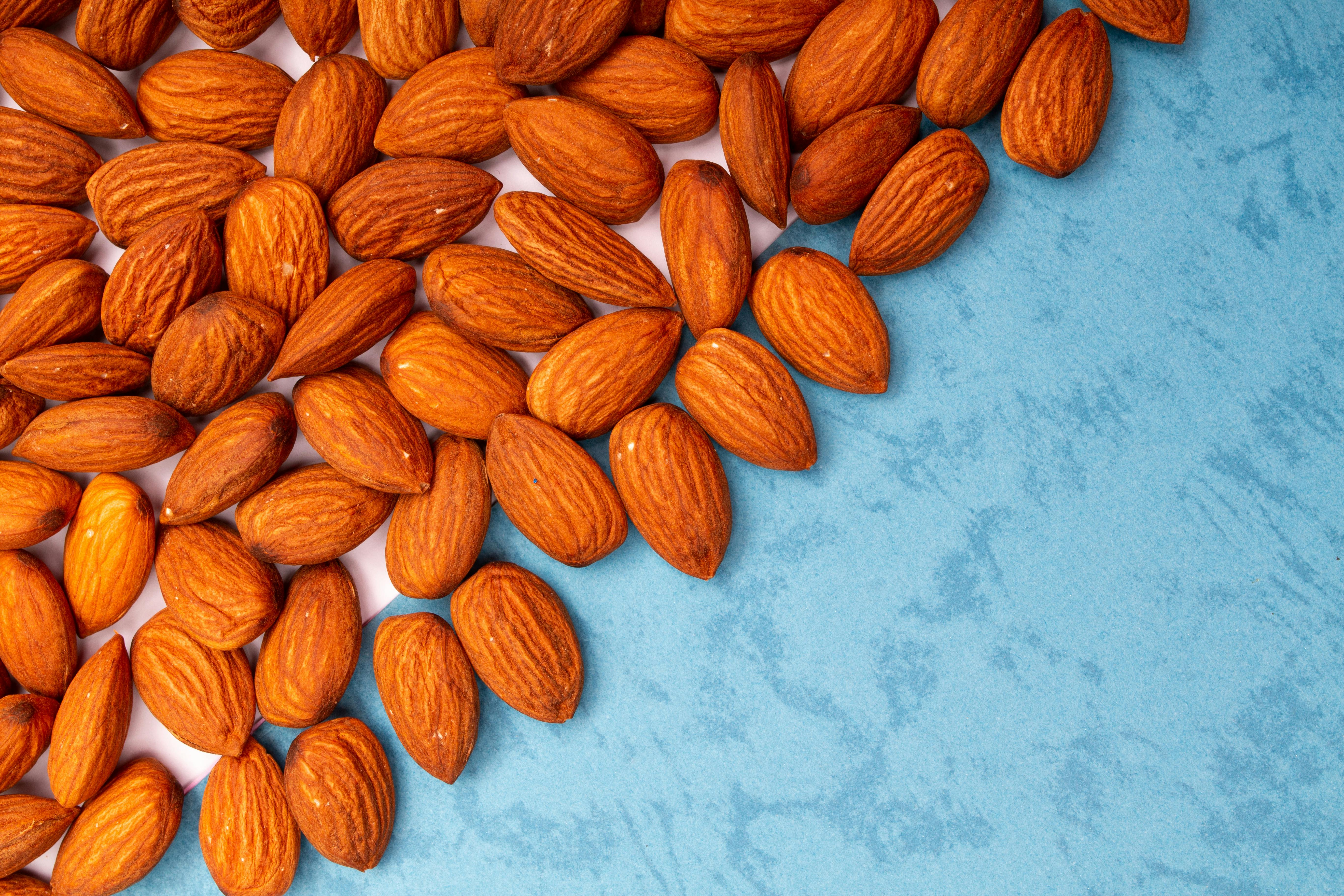
Almonds
A crunchy, protein-rich nut that works from breakfast to dessert.
Also known as: raw almonds, almond, sliced almonds, almond flour
Overview
Almonds are the seeds of the almond tree and one of the most versatile nuts in the kitchen. They are eaten raw or toasted, ground into flour and butter, pressed into milk, and slivered as a garnish.
Toasting is transformative: a few minutes in a dry pan or oven deepens their flavor from mild to rich and buttery. Almond flour, meanwhile, has made them a cornerstone of gluten-free and low-carb baking.
Culinary Uses
- Toasted and scattered over salads, grain bowls, and roasted vegetables.
- Ground into almond flour for gluten-free cakes, macarons, and coatings.
- Blended into almond butter and dairy-free almond milk.
- Slivered or flaked as a classic garnish for fish, rice, and desserts.
Flavor Profile
- Mild, sweet, and buttery raw; deeper and nuttier when toasted.
- A pleasant crunch that adds textural contrast.
- Almond extract, from bitter almonds, is intensely marzipan-like.
Storage
- Store in an airtight container in a cool, dark place; their oils can turn rancid with heat and light.
- Refrigerate or freeze for long-term storage, especially almond flour and meal.
- Buy from a busy source for freshness and smell before using.
Preparation
- Toast in a dry pan or 350F oven until fragrant and lightly golden, watching closely.
- Blanch in boiling water to slip off the skins for a cleaner look and taste.
- Grind chilled almonds in short pulses for flour to avoid making butter.
- Soak raw almonds if a softer texture is desired.
Nutrition
Almonds are nutrient-dense, providing plant protein, healthy fats, and fiber.
They are one of the best food sources of vitamin E.
A powerful fat-soluble antioxidant abundant in almonds.
Mostly monounsaturated fats that support heart health.
Involved in hundreds of enzymatic reactions in the body.
Together they promote satiety and steady energy.
Dietary Considerations
- Naturally vegan, vegetarian, gluten-free, and dairy-free.
- A tree nut and common allergen — unsuitable for those with nut allergies.
- Energy-dense, so mind portion sizes; a small handful is a typical serving.
Nutrition information is educational and approximate; it varies by variety, portion, and preparation, and is not a substitute for professional dietary advice.
Common Pairings
Recipes with Almonds
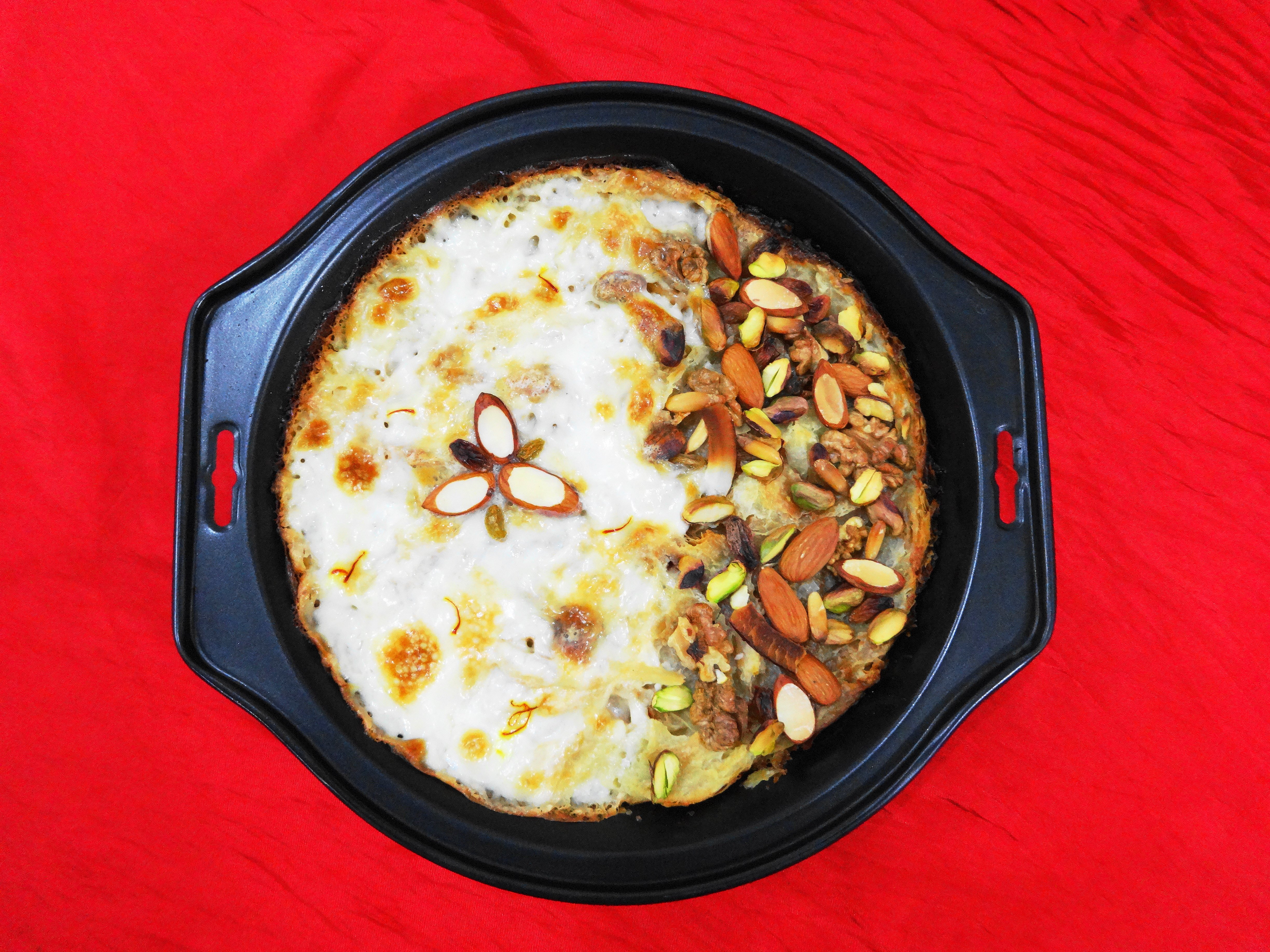
Egyptian Om Ali
Egypt's beloved bread pudding of crisp pastry layered with nuts, coconut, and raisins, soaked in sweetened milk and baked until golden and bubbling, a warm, comforting dessert.
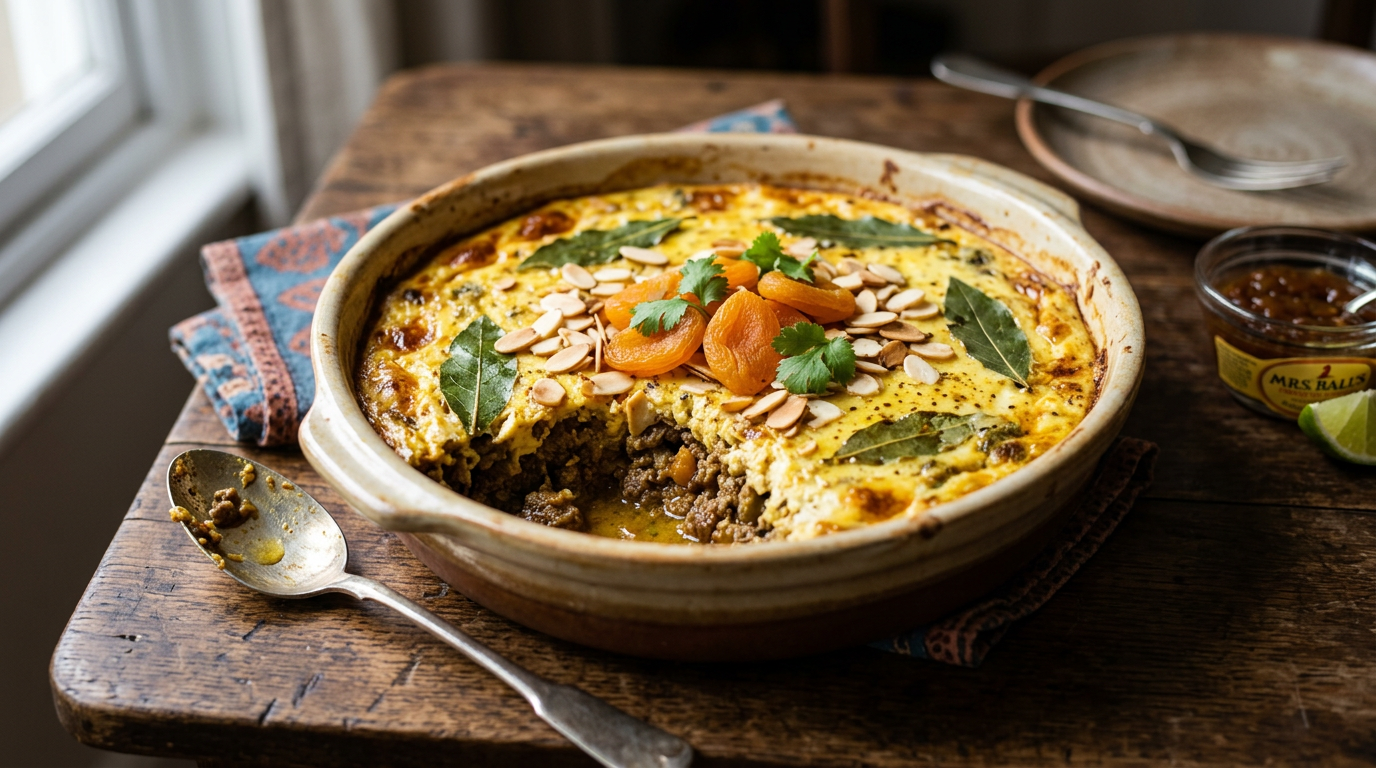
South African Bobotie
A Cape Malay classic of curried spiced minced beef sweetened with dried fruit, baked under a golden savory egg custard scented with bay leaves.
Explore Related Cuisines
Related Ingredients
Cooking Guides You May Like
Building Balanced Meals: A Simple Framework
You do not need to count anything to eat well. A simple visual framework does the work for you.
High-Protein Meals on a Budget
Protein does not have to be the most expensive part of your plate. These strategies deliver plenty without the premium.