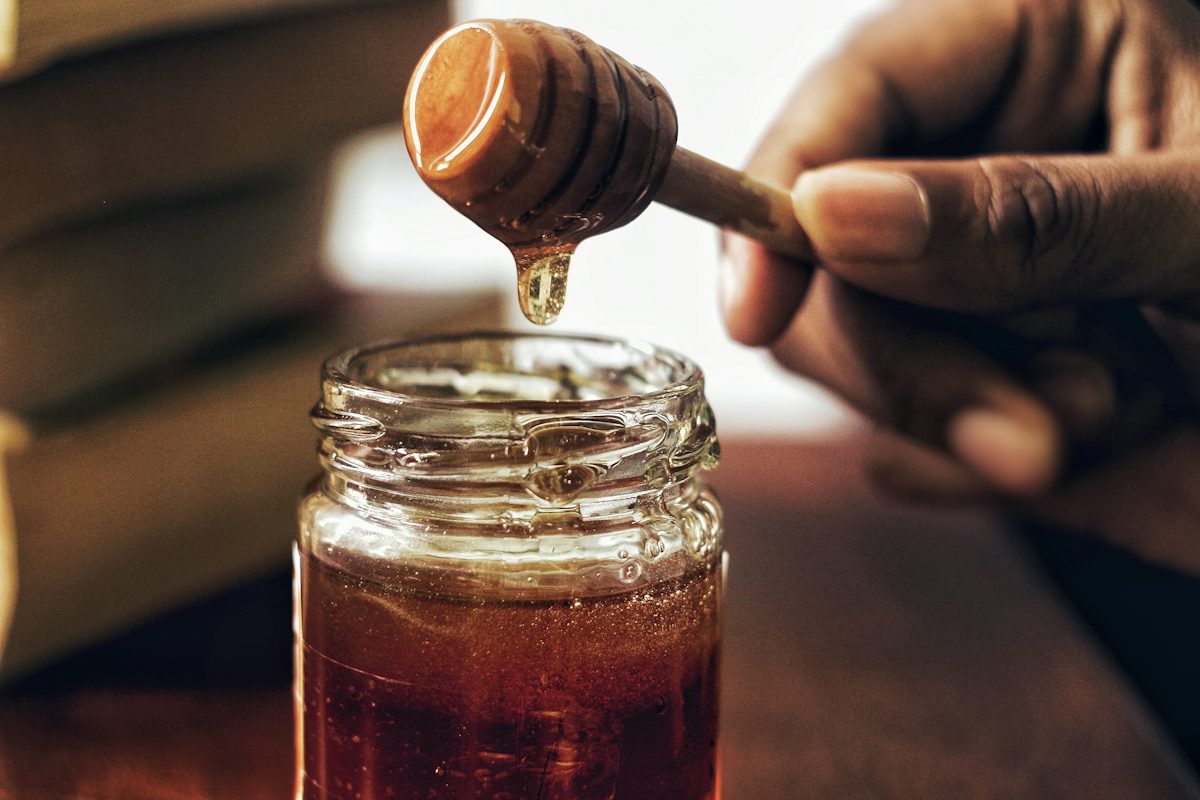
Honey
Nature's liquid sweetener — floral, complex, and endlessly versatile.
Also known as: raw honey, clover honey, wildflower honey
Overview
Honey is a natural sweetener made by bees from flower nectar. Its color, aroma, and flavor depend entirely on the flowers the bees visited — pale clover honey is mild, while buckwheat and chestnut honeys are dark and robust.
Beyond sweetness, honey brings floral aroma, moisture, and gentle acidity to a dish. Because it is sweeter than sugar and hygroscopic (it attracts water), it behaves differently in recipes and keeps baked goods moist.
Culinary Uses
- Drizzled over yogurt, oatmeal, cheese, and toast, or stirred into tea.
- Whisked into dressings, marinades, and glazes for roasted vegetables and meats.
- Used in baking for moisture, color, and floral flavor — reduce other liquids to compensate.
- Balancing acidity and heat in sauces, dips, and hot-honey condiments.
Flavor Profile
- Sweet with floral, fruity, or caramel notes depending on its source.
- Light varieties are delicate; dark varieties are malty and intense.
- A faint natural acidity keeps its sweetness from becoming cloying.
Storage
- Store sealed at room temperature; honey keeps almost indefinitely thanks to its low moisture and acidity.
- Do not refrigerate, which speeds crystallization.
- If honey crystallizes, warm the jar gently in warm water to return it to liquid.
Preparation
- Measure with a lightly oiled spoon so the honey slides off cleanly.
- When substituting for sugar in baking, use less honey and reduce other liquids, and lower the oven temperature slightly to prevent over-browning.
- Warm honey briefly to make it pourable for glazes and dressings.
- Add to hot liquids off the boil to preserve its aroma.
Nutrition
Honey is essentially a sugar — it provides quick energy and should be enjoyed in moderation.
Raw honey contains trace enzymes and antioxidants not found in refined sugar.
Mostly fructose and glucose, providing readily available energy.
Darker honeys carry more antioxidant plant compounds.
Raw honey retains small amounts of naturally occurring enzymes.
Dietary Considerations
- Vegetarian, gluten-free, and dairy-free, but not considered vegan since it is an animal product.
- Should never be given to infants under one year due to the risk of botulism.
- A concentrated sugar, so those managing blood sugar should use it sparingly.
Nutrition information is educational and approximate; it varies by variety, portion, and preparation, and is not a substitute for professional dietary advice.
Common Pairings
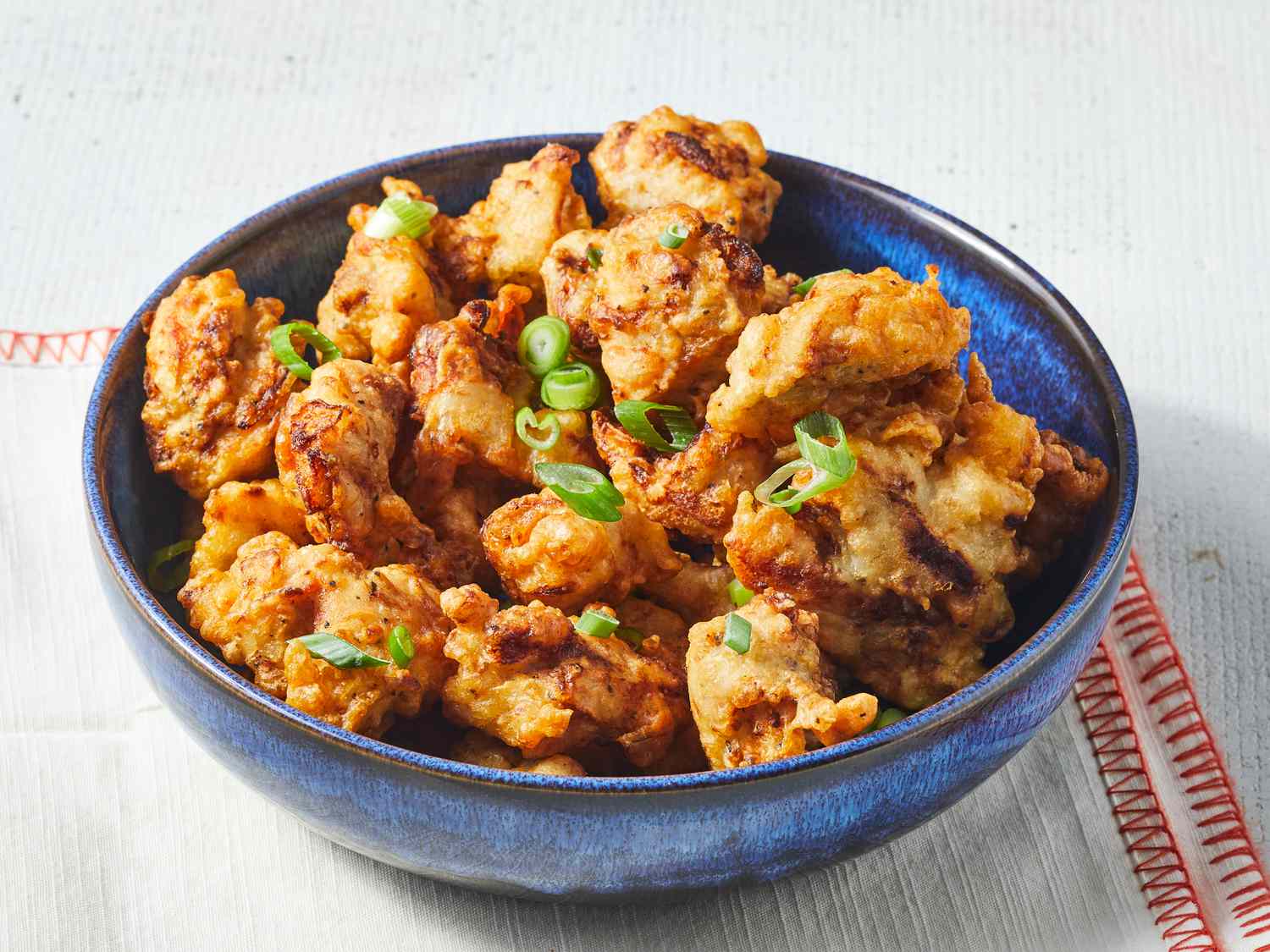
Recipes with Honey
Explore Related Cuisines
Related Ingredients

Cooking Guides You May Like
Building Balanced Meals: A Simple Framework
You do not need to count anything to eat well. A simple visual framework does the work for you.
How to Read Nutrition Labels With Confidence
A nutrition label tells a clear story once you know how to read it. Here is how to interpret the numbers that matter.