
Bay Leaf
A quiet background note that deepens stocks, braises, and beans.
Also known as: Laurus nobilis, bay laurel, dried bay leaves
Overview
The bay leaf is the aromatic leaf of the bay laurel, used dried or fresh to lend a subtle, herbal, slightly floral depth to slow-cooked dishes. Its flavor is elusive on its own but unmistakable in its absence — a quiet backbone rather than a headline note.
Bay leaves are a fixture of stocks, soups, braises, beans, tomato sauces, and pickling brines across European, Mediterranean, Caribbean, and Latin American cooking. They are added whole and always removed before serving.
Culinary Uses
- Simmered whole into stocks, soups, stews, and braises.
- Added to beans, lentils, and rice for background depth.
- Included in a classic bouquet garni with thyme and parsley.
- Used in pickling brines and marinades.
Flavor Profile
- Herbal, subtly floral, and slightly bitter with a faint eucalyptus note.
- Mild and cumulative, revealing itself over long cooking.
- Fresh leaves are more pungent than dried.
Storage
- Store dried bay leaves in an airtight jar away from light for up to a year.
- Refrigerate fresh leaves wrapped in a damp towel for a couple of weeks.
- Discard leaves that have lost their fragrance.
Preparation
- Add whole leaves early so their flavor can infuse slowly.
- Remove and discard bay leaves before serving — they stay tough and sharp-edged.
- Crack or lightly crush a leaf to release more aroma in quick dishes.
Nutrition
Bay leaves are used for infusion and removed, so they add no meaningful calories or macronutrients.
Their contribution is aromatic rather than nutritional.
Cineole gives bay its herbal aroma.
Present in the leaf, though not consumed directly.
Contributed in negligible amounts.
Dietary Considerations
- Naturally vegan, vegetarian, gluten-free, and dairy-free.
- Adds flavor with no sodium; always remove before eating.
Nutrition information is educational and approximate; it varies by variety, portion, and preparation, and is not a substitute for professional dietary advice.
Common Pairings
Recipes with Bay Leaf
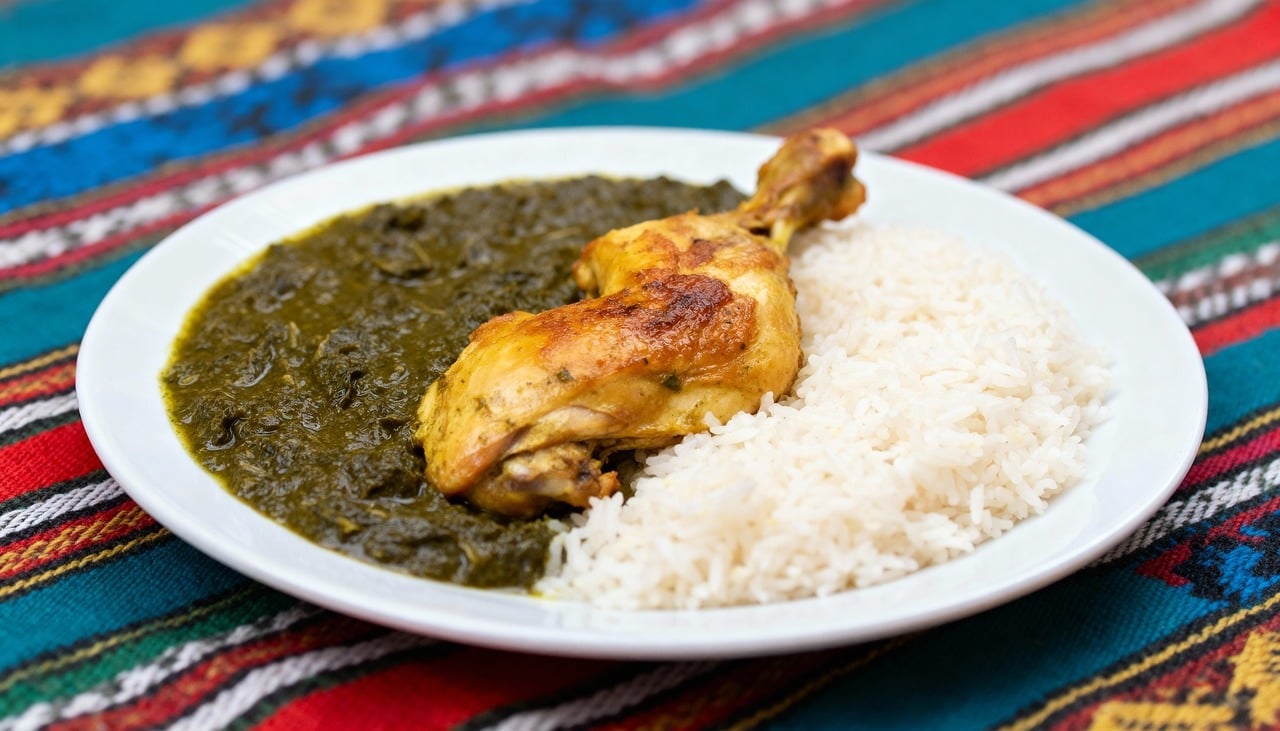
Egyptian Molokhia with Chicken
A signature Egyptian dish of finely chopped jute mallow leaves cooked into a silky green stew, finished with a fragrant garlic-coriander tempering and served with poached chicken and rice.

Bengali Chingri Malai Curry
An elegant Bengali prawn curry simmered in sweet coconut milk with warm spices and a hint of green chili, rich and aromatic, reserved for special occasions.
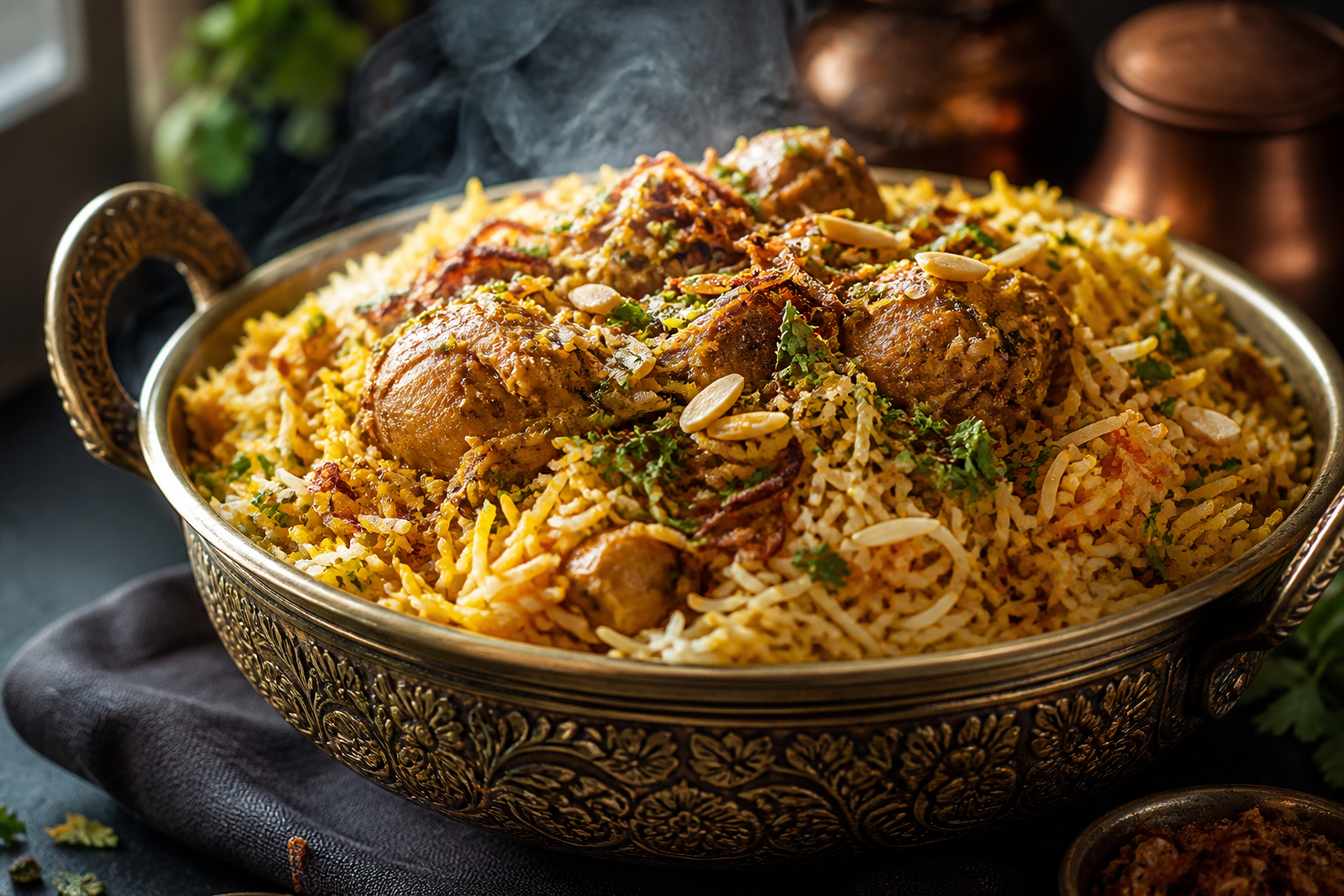
Pakistani Chicken Biryani
A celebrated layered rice dish of marinated chicken, aromatic basmati, and warm whole spices, finished with saffron milk and fried onions for a fragrant, festive centrepiece of Pakistani cooking.
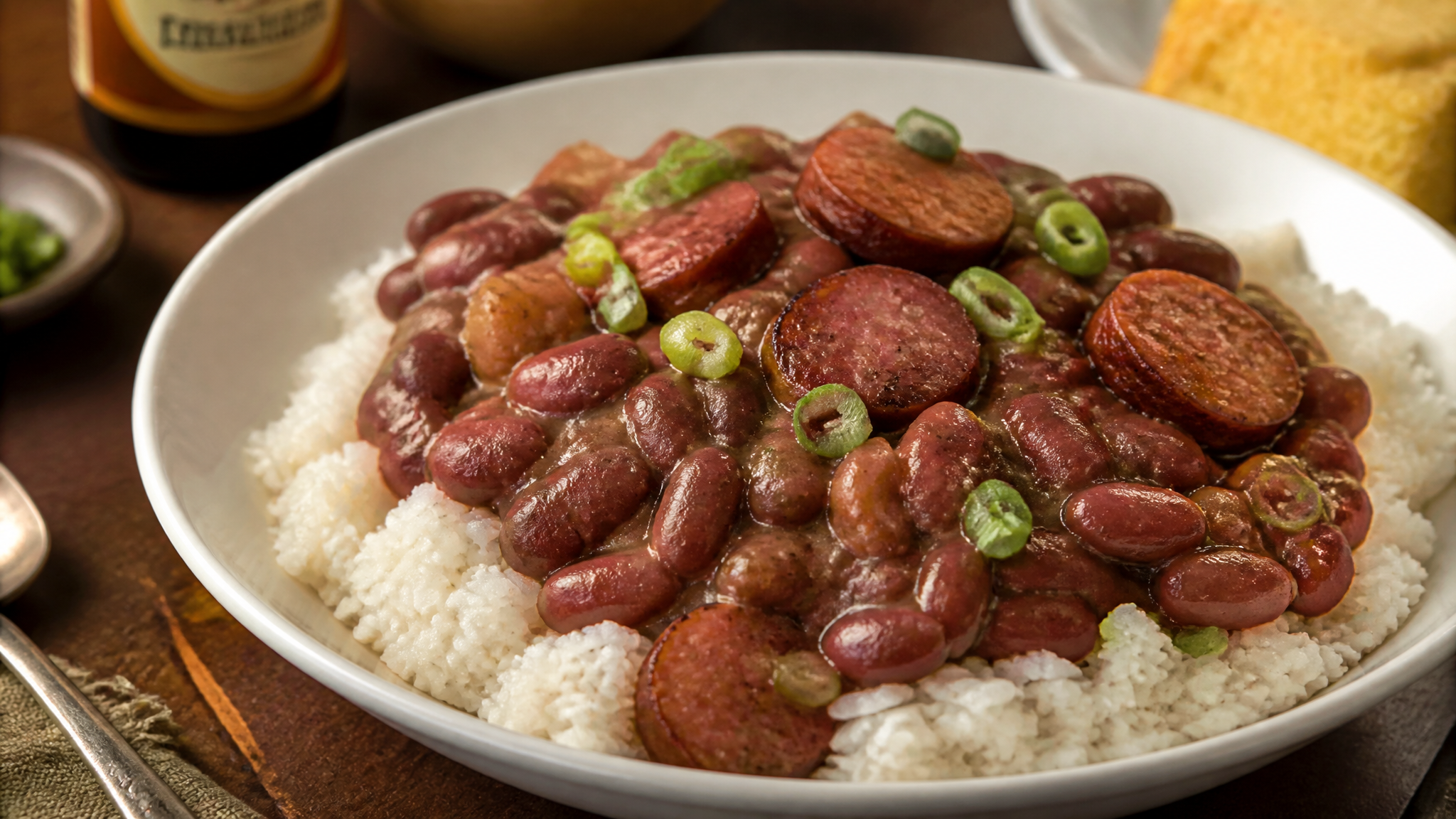
Red Beans and Rice
A New Orleans Monday tradition — red kidney beans simmered low and slow with the holy trinity, smoked sausage, and Creole spice until creamy, then ladled over fluffy white rice.

Sauerbraten
Germany's classic pot roast — beef marinated for days in spiced vinegar and wine, then braised until fork-tender and served in a tangy-sweet gravy thickened traditionally with gingersnaps.

Chicken Yassa
A tangy Senegalese classic of chicken marinated in lemon and mustard, then braised with a generous mountain of caramelized onions into a bright, savory sauce served over rice.
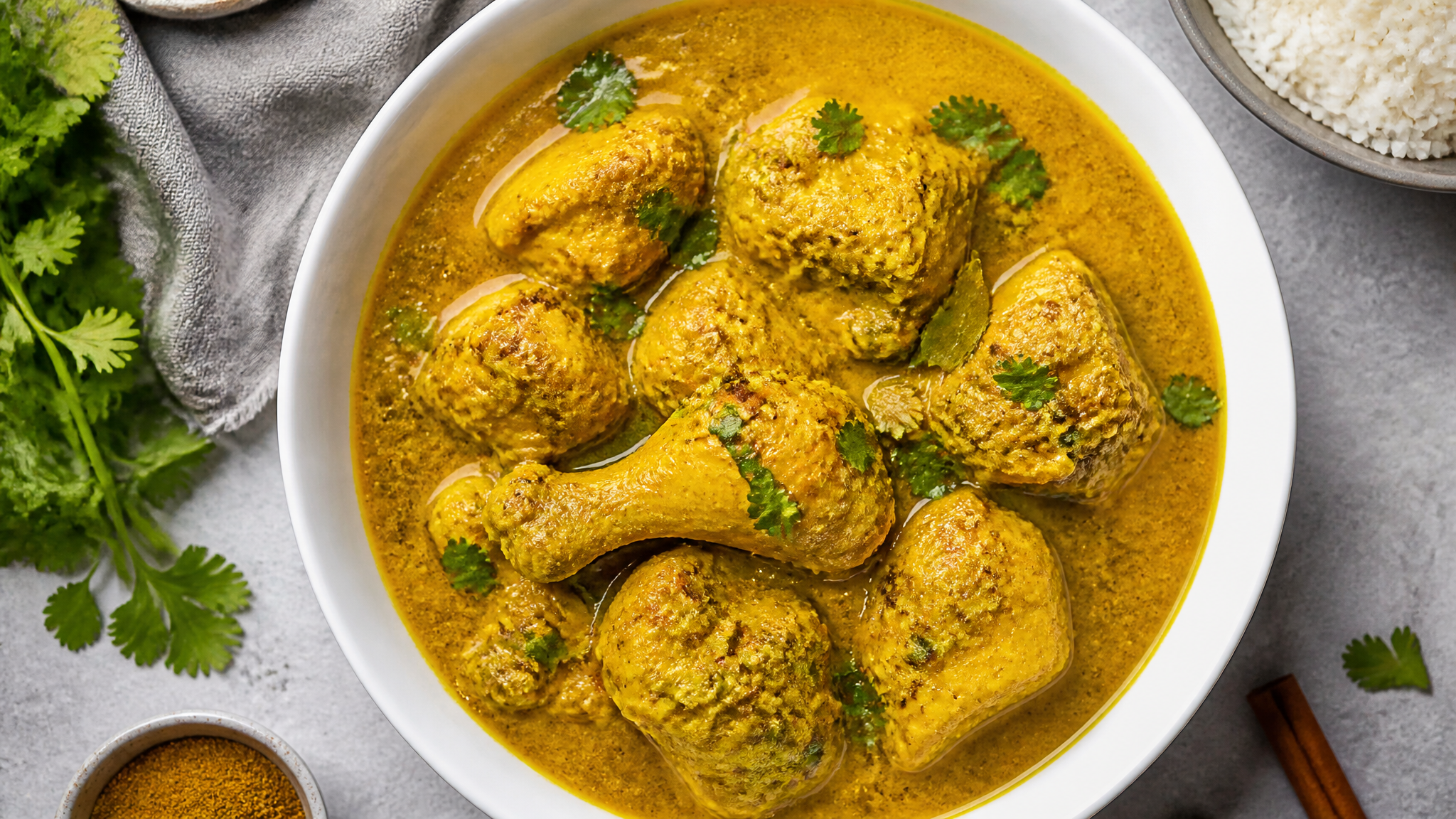
Cape Malay Chicken Curry
A fragrant, gently spiced South African curry of Cape Malay heritage, simmering chicken with warm spices, tomato, and a touch of apricot sweetness for a rounded, aromatic sauce.
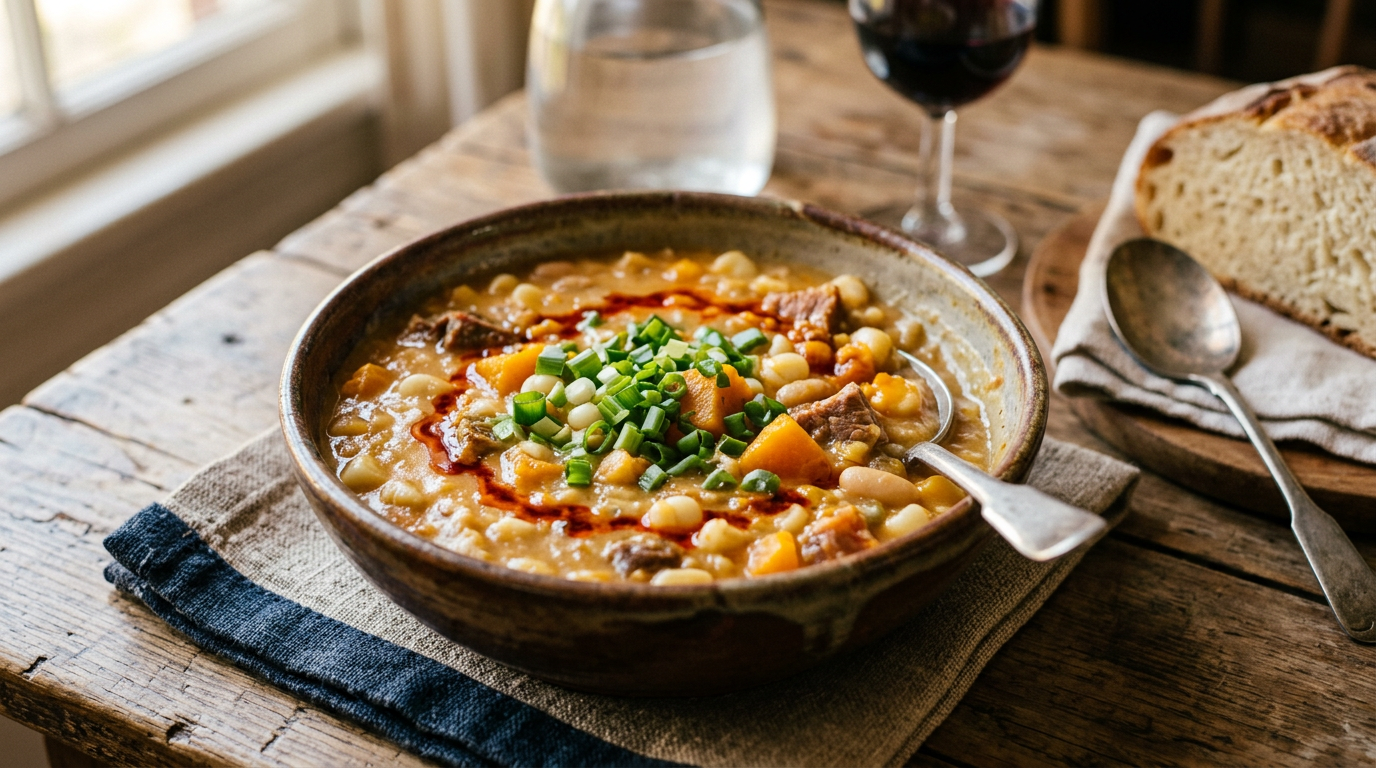
Argentine Locro (Hearty Corn & Bean Stew)
A thick, warming Argentine stew of hominy corn, white beans, squash, and slow-cooked meats — a national dish traditionally eaten on patriotic holidays, rich and deeply comforting.
Explore Related Cuisines
Related Ingredients

Cooking Guides You May Like
How to Braise and Stew: Low, Slow, and Tender
Braising and stewing turn the cheapest, toughest ingredients into the most comforting dishes you can make. Here is how the method works.
Cooking with Whole Spices
Pre-ground spices are convenient, but whole spices are where real depth of flavor lives. Here is how to use them.