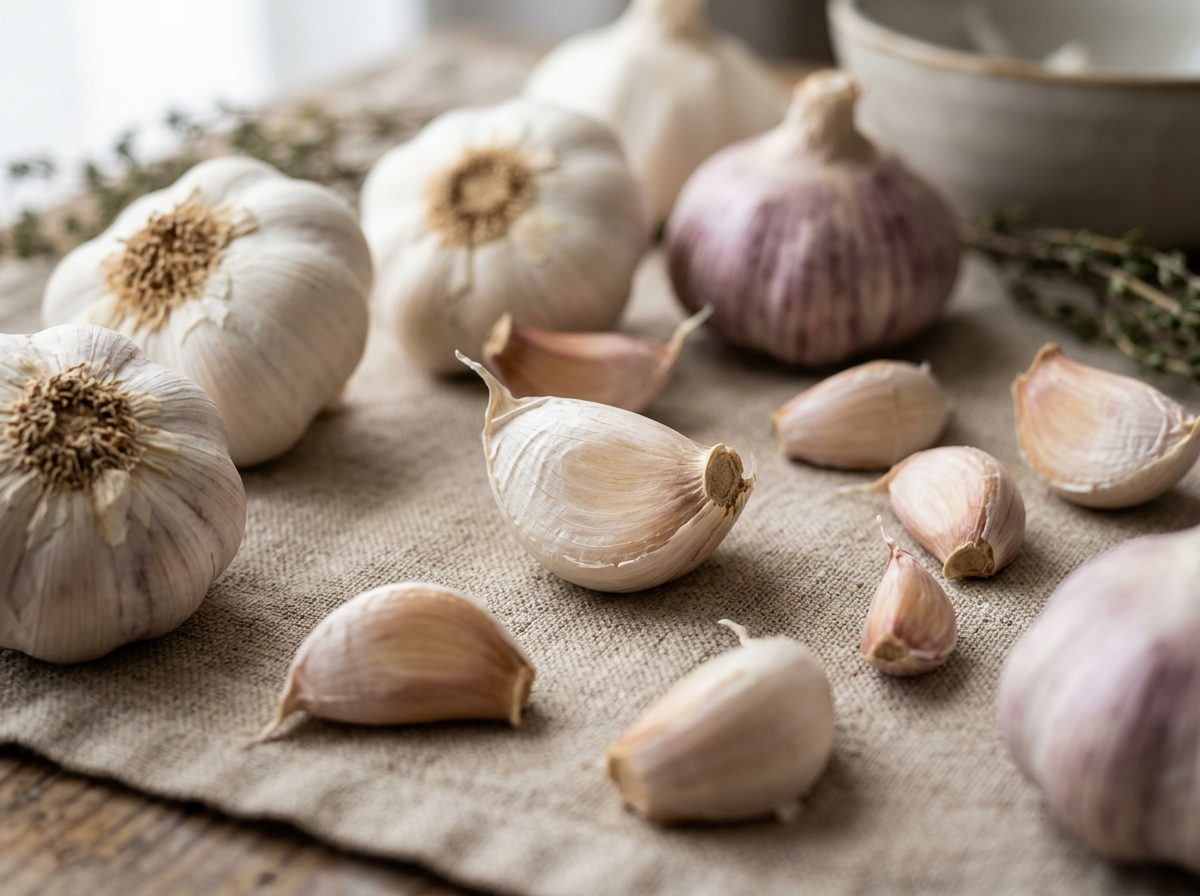
Garlic
The aromatic backbone of savory cooking across nearly every cuisine.
Also known as: Allium sativum, garlic cloves, fresh garlic
Overview
Garlic is a member of the allium family, closely related to onions, shallots, leeks, and chives. A single bulb, or head, is made up of individual cloves wrapped in papery skin, and it is one of the most widely used aromatics on earth — a foundational flavor in Mediterranean, East and South Asian, Latin American, Middle Eastern, and African kitchens alike.
What makes garlic so valuable is its chameleon-like range. Raw and finely minced, it is pungent and sharp; gently sweated in oil it turns mellow and savory; slow-roasted whole it becomes soft, spreadable, and almost sweet. Understanding how heat and cut size change its character is the single biggest step toward cooking with it well.
Culinary Uses
- Sweated in oil or butter as the aromatic base for sauces, soups, stews, and braises.
- Roasted whole until soft and caramelized, then spread on bread or stirred into mashed potatoes and dressings.
- Minced raw into vinaigrettes, marinades, salsas, and dips such as hummus, aioli, and tzatziki.
- Sliced and fried until golden as a crunchy garnish, or infused into oil for finishing.
Flavor Profile
- Raw garlic is sharp, spicy, and pungent — the compound allicin forms only when cells are cut or crushed.
- Cooking tames that bite: brief sautéing gives a savory, nutty warmth, while long, slow cooking turns it sweet and rounded.
- Burnt garlic turns acrid and bitter very quickly, so it is usually added after other aromatics or cooked over gentle heat.
Storage
- Store whole, unpeeled bulbs in a cool, dry, well-ventilated spot away from direct light — not in the refrigerator, where humidity encourages sprouting and mold.
- Kept properly, a firm bulb lasts several weeks to a few months.
- Peeled cloves keep in an airtight container in the fridge for about a week; for longer storage, freeze whole cloves or minced garlic portioned in oil.
Preparation
- Smash a clove with the flat of a knife to loosen the skin, then peel and trim the root end.
- Mince, slice, or grate depending on how much punch you want — finer cuts release more allicin and taste stronger.
- Let crushed or chopped garlic rest for a minute before cooking to develop its full flavor and aroma.
- Add garlic to the pan after onions, or over lower heat, since it scorches faster than most aromatics.
Nutrition
Garlic is used in small amounts, so it contributes little in the way of calories, carbohydrate, or fat to a dish.
It is valued more for flavor and its naturally occurring sulfur compounds than for macronutrients.
A trace mineral involved in metabolism and antioxidant defenses.
Supports protein metabolism and normal nervous-system function.
Present in modest amounts in fresh cloves.
Allicin and related compounds give garlic its aroma and pungency.
Dietary Considerations
- Naturally vegan, vegetarian, gluten-free, and dairy-free.
- A high-FODMAP food, so it can trigger symptoms for people managing IBS; garlic-infused oil offers flavor without the fructans.
- Very low in sodium and suitable for most eating patterns.
Nutrition information is educational and approximate; it varies by variety, portion, and preparation, and is not a substitute for professional dietary advice.
Common Pairings
Recipes with Garlic
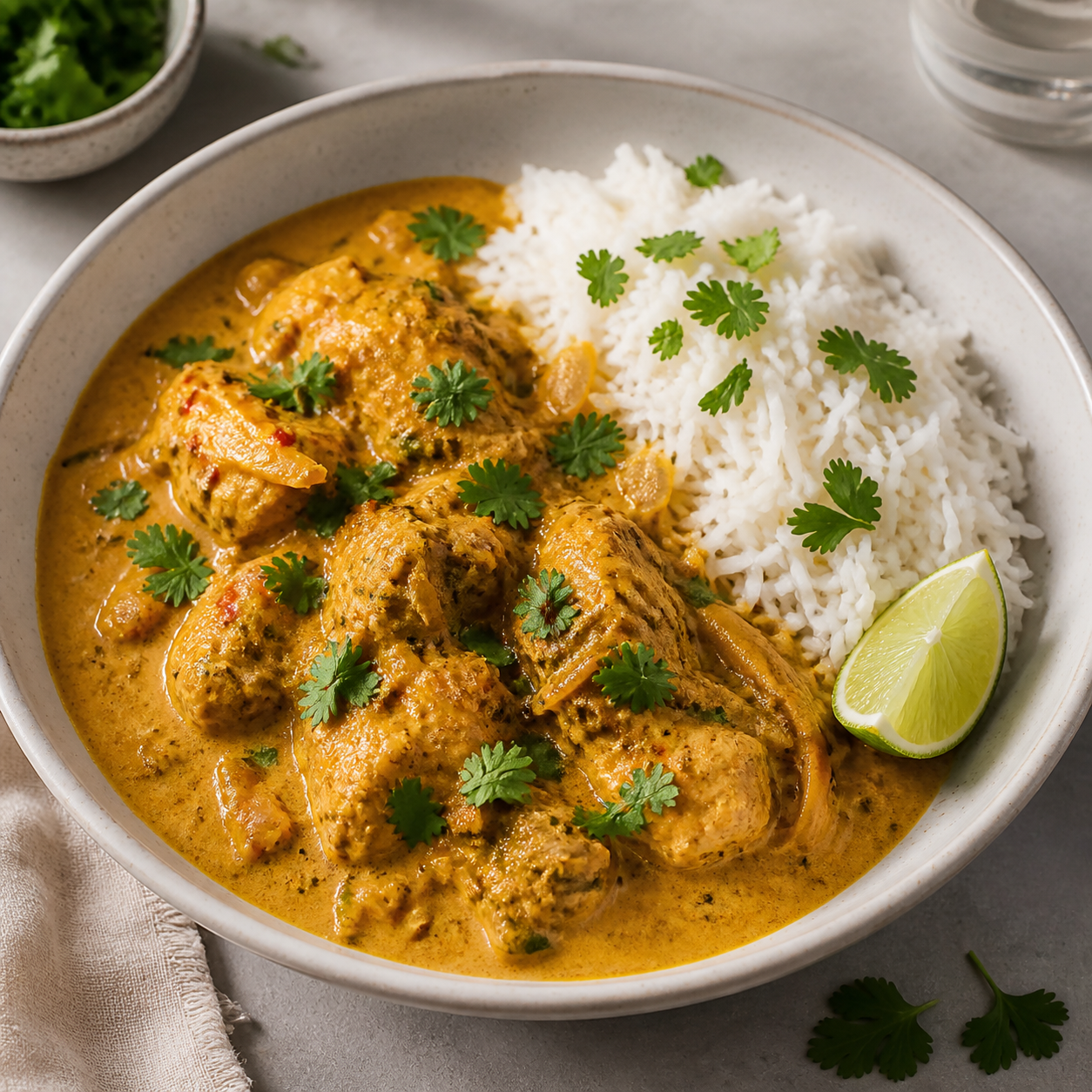
Creamy Slow Cooker Chicken Curry
Tender chicken simmered with onion, ginger, warm spices, and a silky cream finish for a comforting curry with rich flavor.
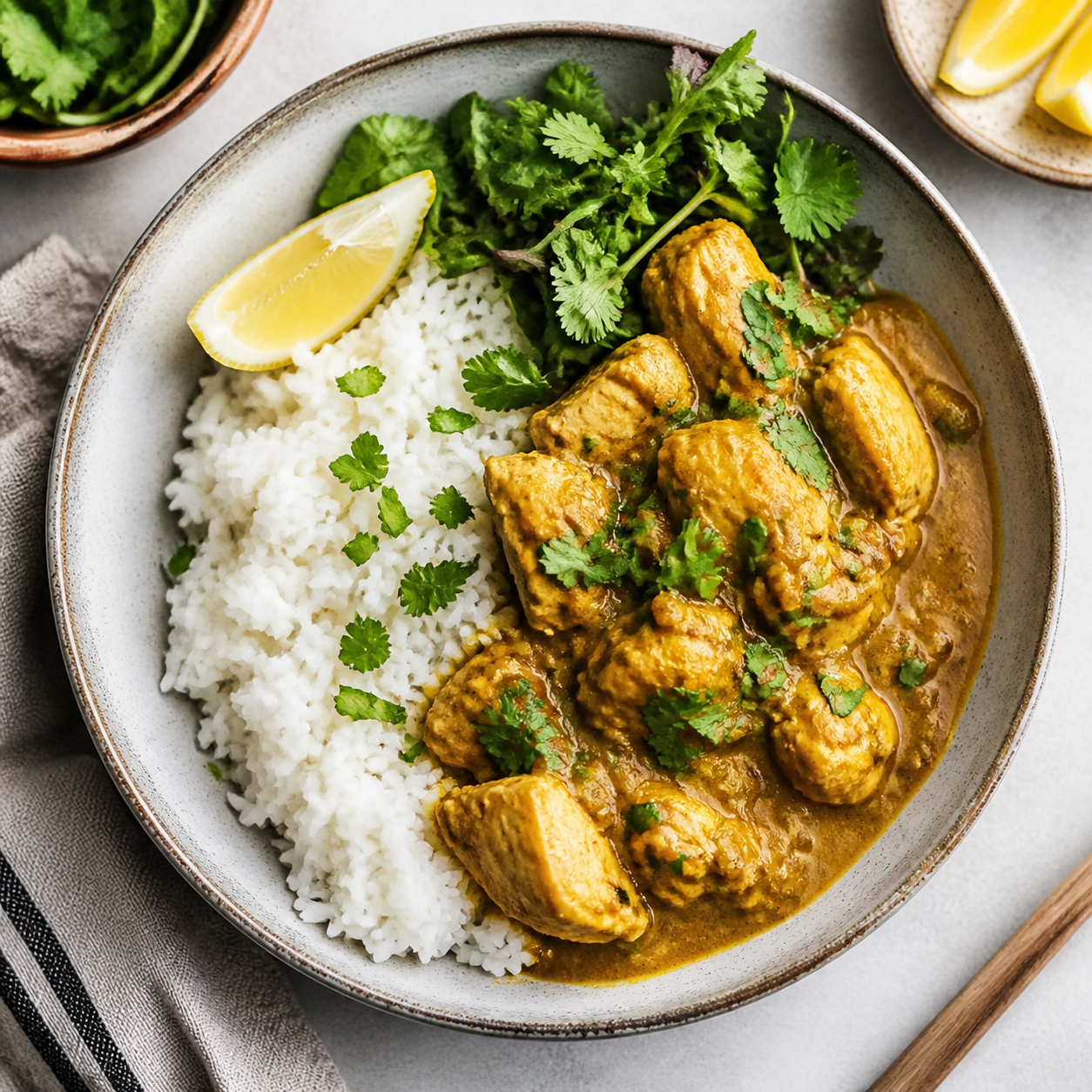
Quick Ethiopian Chicken Curry Rice Bowls
A fragrant, mildly spiced chicken curry inspired by Ethiopian flavors, finished in under an hour and served over fluffy rice for a satisfying weeknight meal.
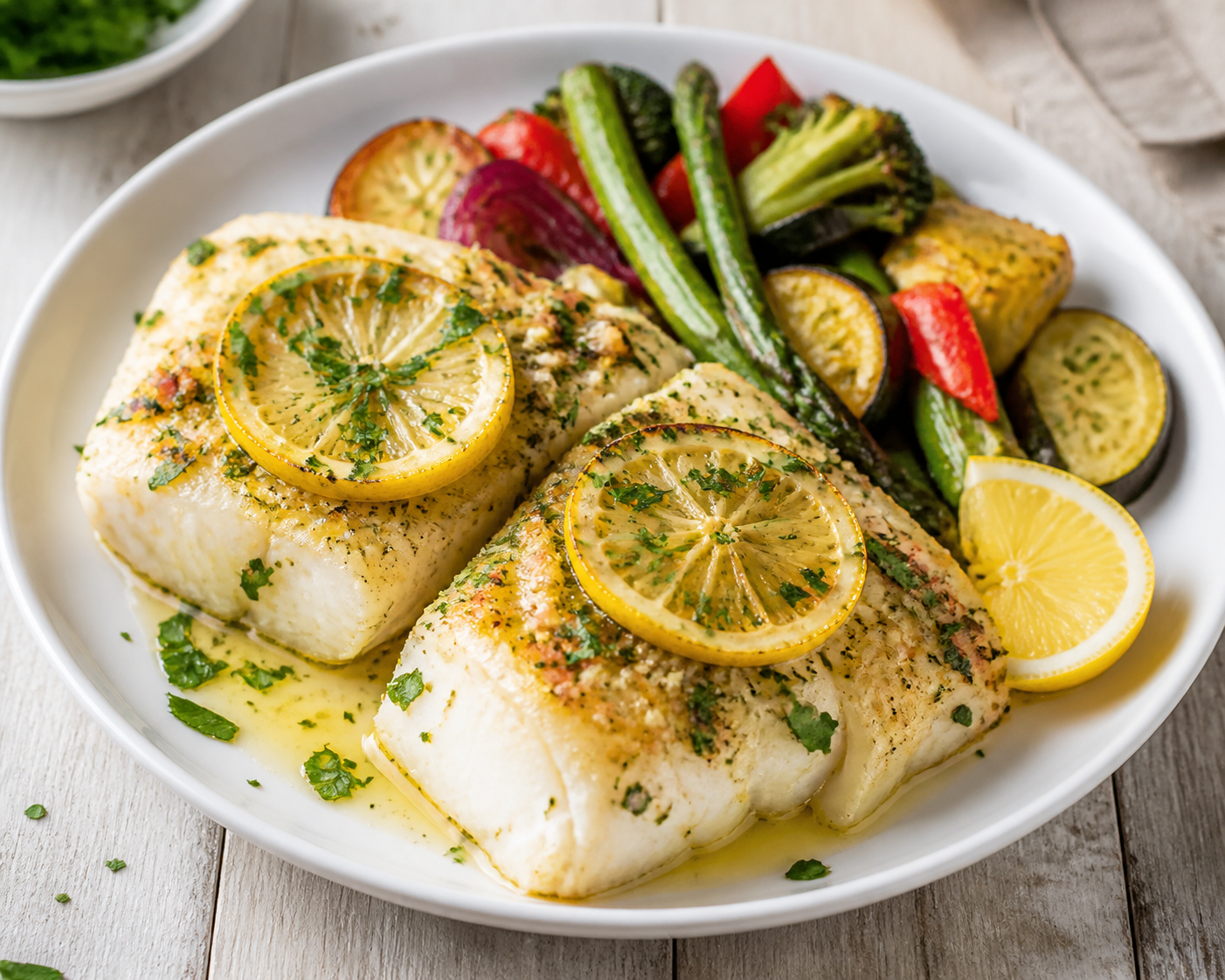
Baked Lemon Garlic Cod with Parsley
Tender cod fillets baked with bright lemon, fragrant garlic, and fresh parsley for a simple, flavorful weeknight dinner.
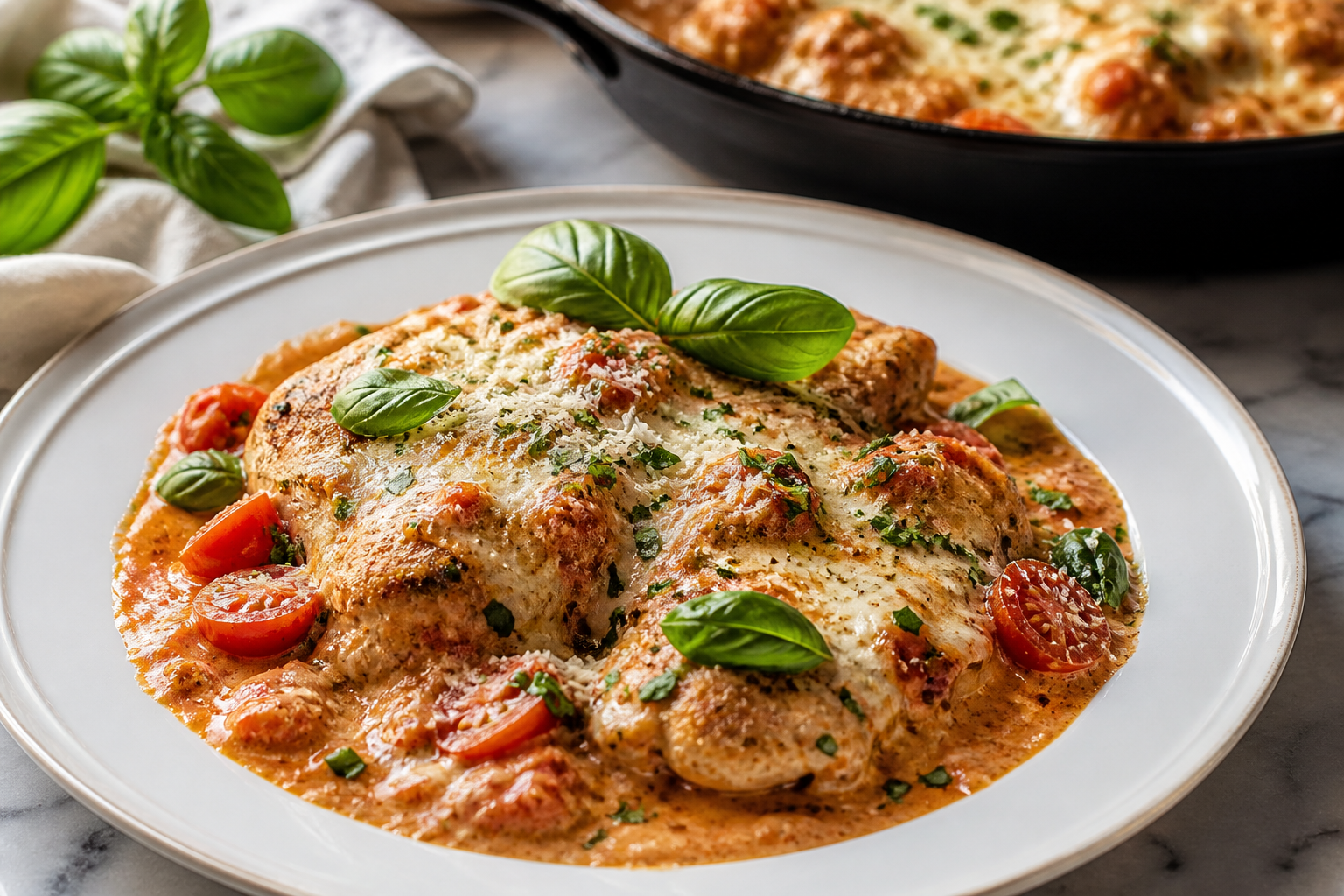
Creamy Tomato Chicken Parmesan Skillet
Tender chicken simmered in a rich tomato-alfredo sauce and finished with parmesan for a comforting, restaurant-style skillet meal.
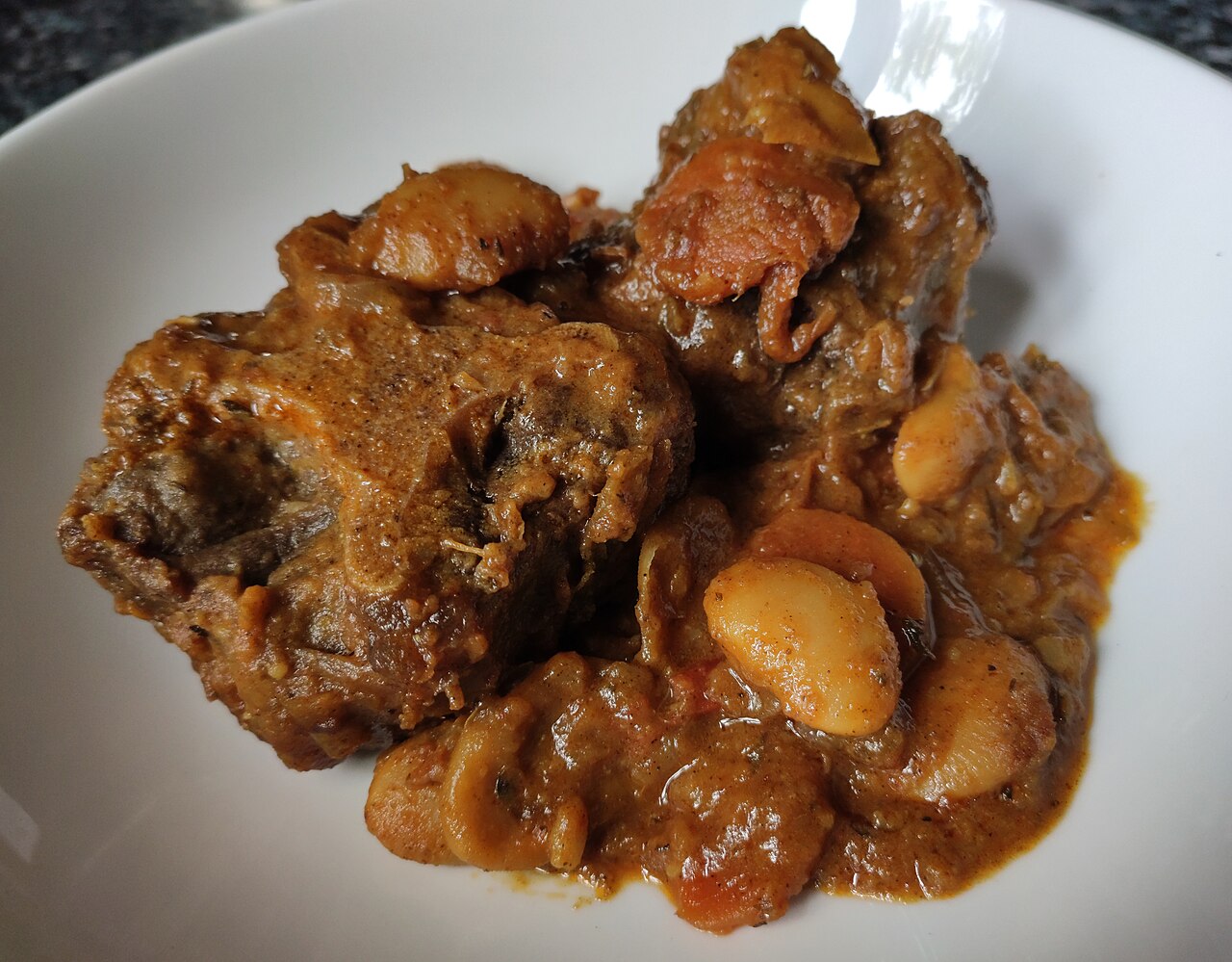
Jamaican Oxtail Stew
Meaty oxtail braised low and slow with butter beans, thyme, allspice, and scotch bonnet until the sauce is rich and the meat falls from the bone — the ultimate Jamaican comfort dish.
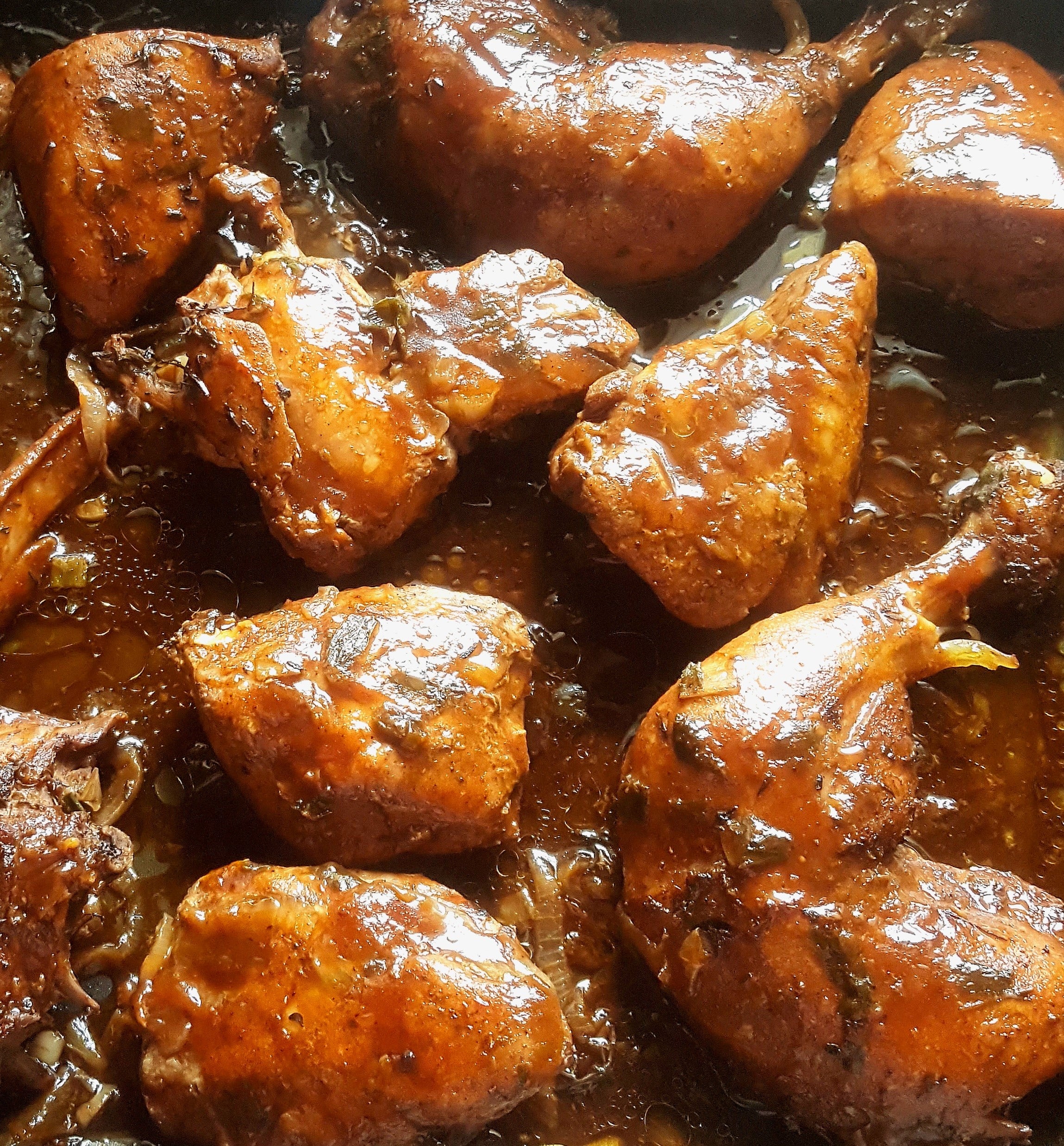
Jamaican Brown Stew Chicken
Chicken browned in caramelised sugar then simmered with onion, thyme, scotch bonnet, and allspice into a deep, glossy gravy — a beloved Jamaican Sunday-dinner classic.
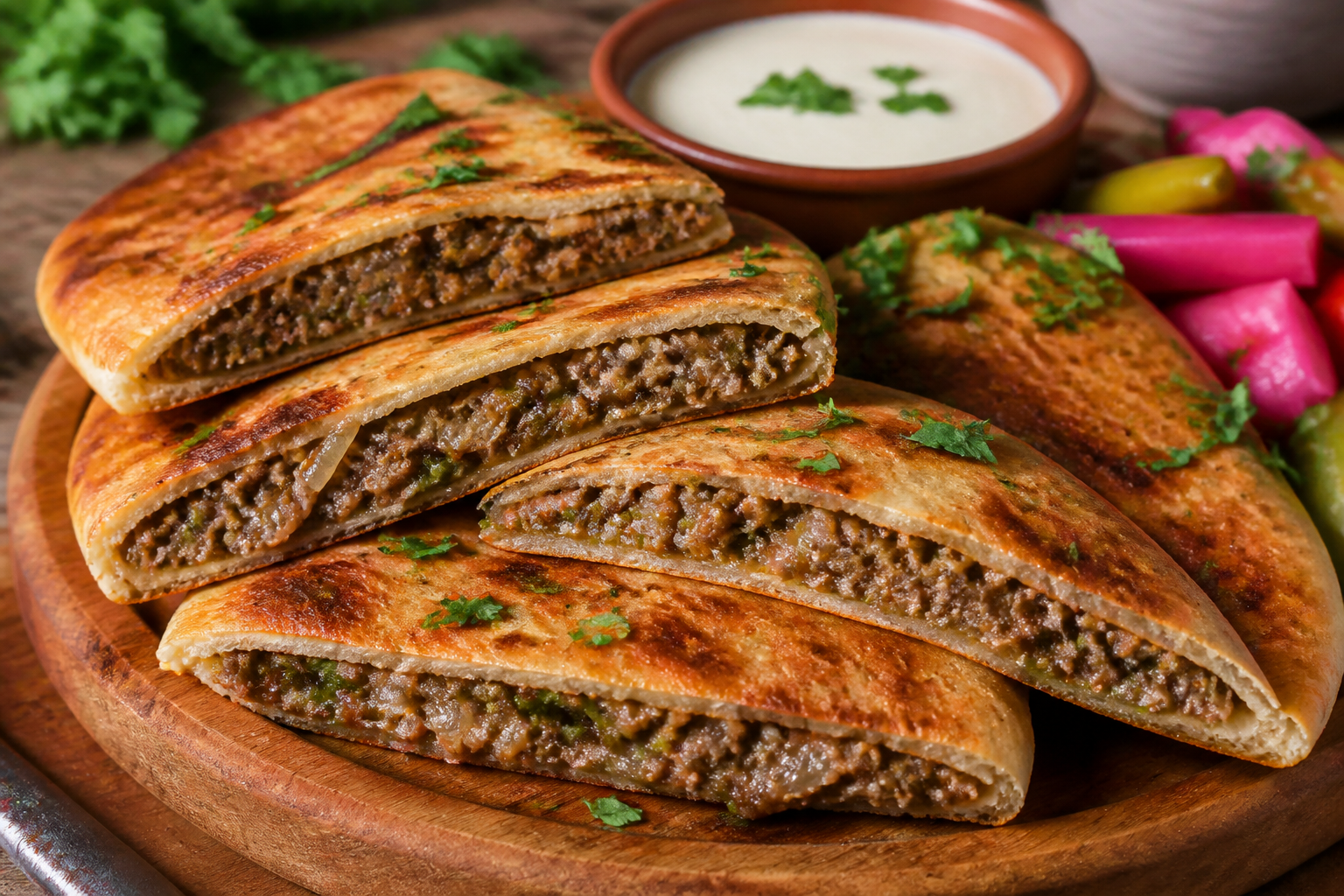
Egyptian Hawawshi
Spiced ground beef mixed with onion, pepper, and herbs, stuffed into Egyptian flatbread and baked until crisp, a popular hand-held street food bursting with savoury flavour.
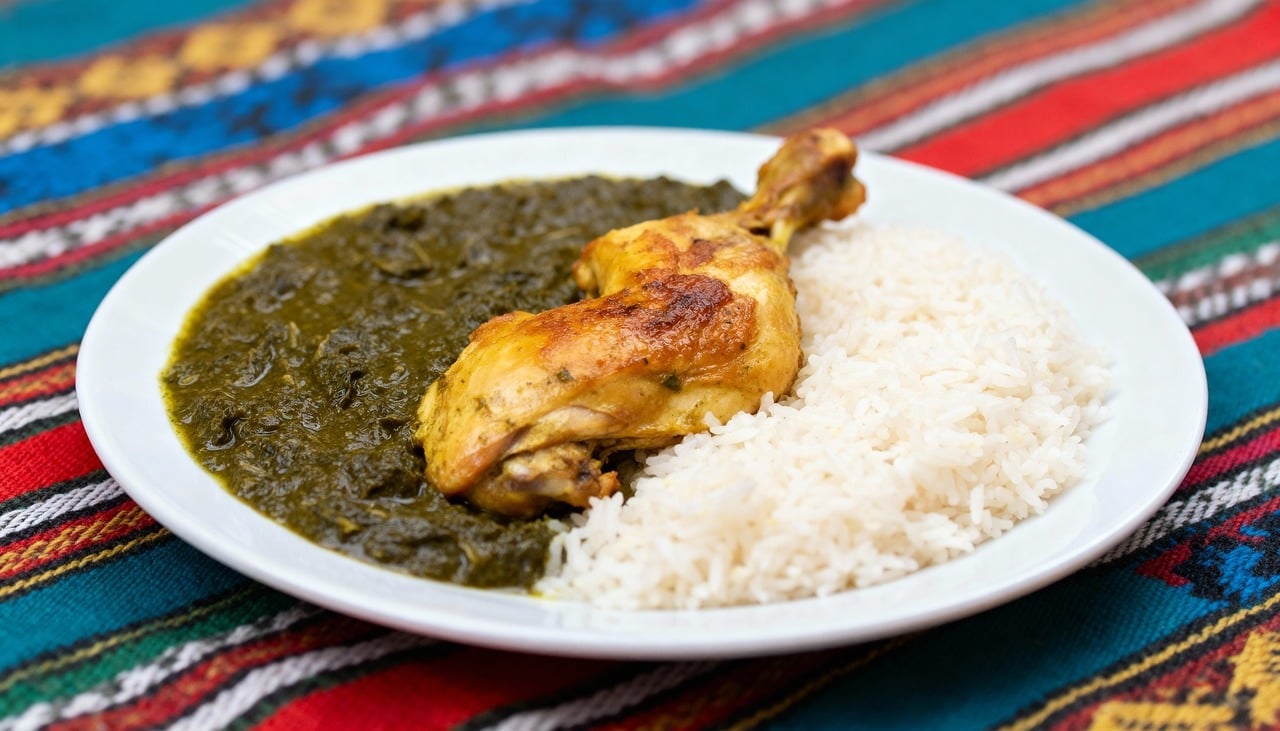
Egyptian Molokhia with Chicken
A signature Egyptian dish of finely chopped jute mallow leaves cooked into a silky green stew, finished with a fragrant garlic-coriander tempering and served with poached chicken and rice.
Explore Related Cuisines
Related Ingredients
Cooking Guides You May Like
Essential Kitchen Skills Every Home Cook Should Know
A short list of fundamental skills will do more for your cooking than any gadget. Here are the ones that matter most.
Understanding Cooking Methods: Dry Heat, Moist Heat, and More
Every cooking method changes texture and flavor in a specific way. Knowing which to choose is the key to cooking anything well.