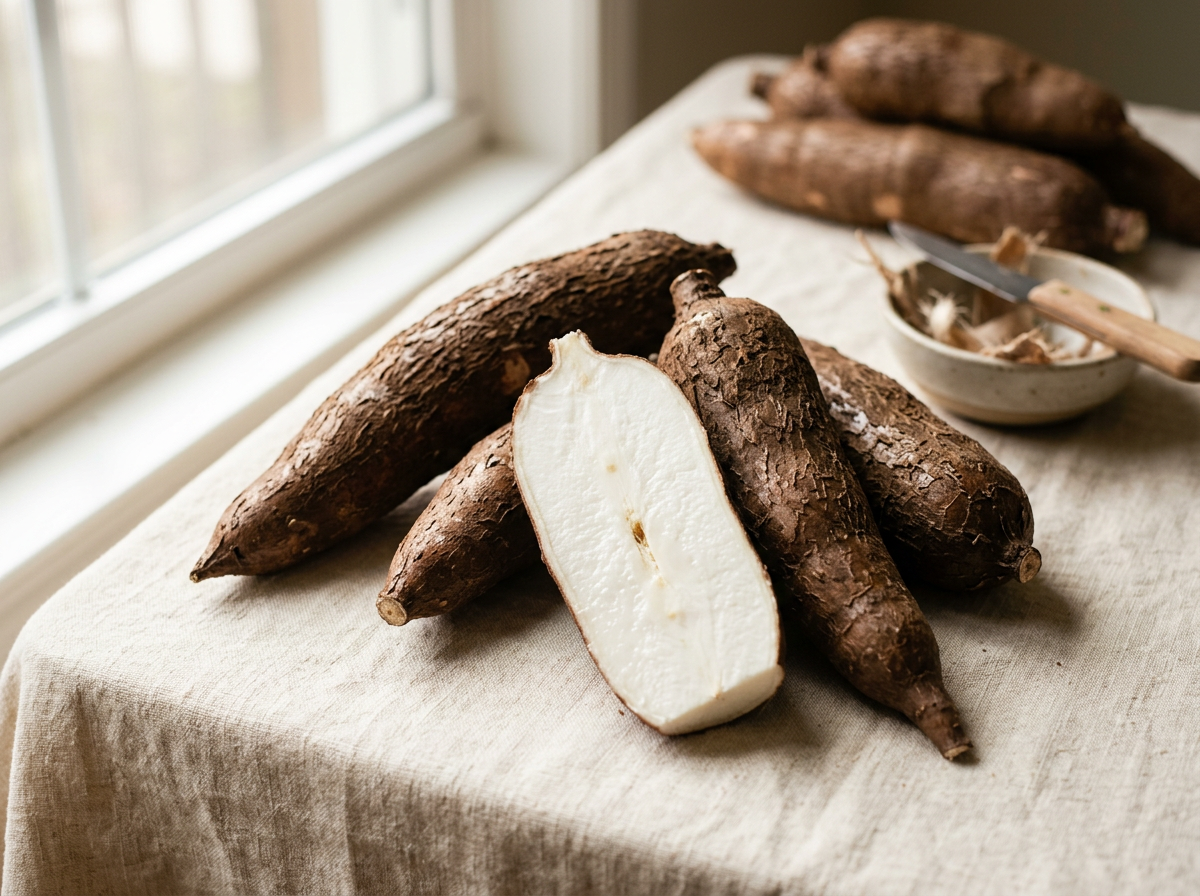
Cassava
A hardy tropical root and staple energy source for millions.
Also known as: Manihot esculenta, yuca, manioc, garri (processed), tapioca (starch)
Overview
Cassava — also called yuca or manioc — is a starchy tuber with rough brown skin and dense white flesh that serves as a staple across Africa, Latin America, the Caribbean, and Southeast Asia. It is a vital, drought-tolerant source of energy for hundreds of millions of people and the origin of tapioca starch.
In the kitchen it behaves much like a firmer, denser potato: boiled and mashed, fried into chips and fries, or processed into flours, garri, and fufu. Note that cassava must always be cooked — peeled and thoroughly boiled or fried — because the raw root contains naturally occurring compounds that are only removed by proper preparation.
Culinary Uses
- Peeled, boiled, and served as a side, or mashed like potato.
- Fried into crisp yuca fries and chips.
- Processed into garri, fufu, and cassava flour for baking and dumplings.
- Added to stews and soups for hearty, starchy body.
Flavor Profile
- Mild, subtly sweet, and nutty, with a dense, slightly fibrous texture.
- It is a neutral base that pairs well with rich sauces, garlic, and citrus.
- Frying gives a crisp exterior and fluffy interior similar to a potato.
Storage
- Fresh cassava spoils quickly, so use it within a few days of purchase; a wax coating on imported roots helps extend shelf life.
- Peeled pieces can be frozen and cook well from frozen.
- Cassava flour and garri keep for months in an airtight container in the pantry.
Preparation
- Cut into sections, then peel off both the brown skin and the pink underlayer to reach the white flesh.
- Remove the tough fibrous core after cooking, and always cook cassava fully — never eat it raw.
- Boil until tender before frying or mashing for the best texture.
Nutrition
Cassava is very energy-dense and rich in starchy carbohydrate, with little protein or fat.
It is naturally gluten-free and provides some vitamin C and resistant starch, but is valued mainly as a caloric staple.
A concentrated source of starchy energy.
Present in the fresh root; diminished by long cooking.
Acts as a prebiotic that supports gut health.
Contributes to fluid balance and normal blood pressure.
Dietary Considerations
- Naturally vegan, vegetarian, gluten-free, and dairy-free.
- Cassava flour is a popular grain-free, gluten-free baking alternative.
- Must be cooked thoroughly; eat as part of a varied diet rather than as a sole staple.
Nutrition information is educational and approximate; it varies by variety, portion, and preparation, and is not a substitute for professional dietary advice.
Common Pairings
Recipes with Cassava

Thieboudienne
Senegal's national dish — a majestic one-pot of fish and vegetables braised in a spiced tomato broth, then used to cook broken rice until deeply flavored and tinged red. A true celebration meal.

Colombian Sancocho (Chicken & Root Vegetable Soup)
A soul-warming Colombian soup of chicken simmered with corn, cassava, plantain, and potatoes in a fragrant cilantro broth — a Sunday classic that eats like a full meal.
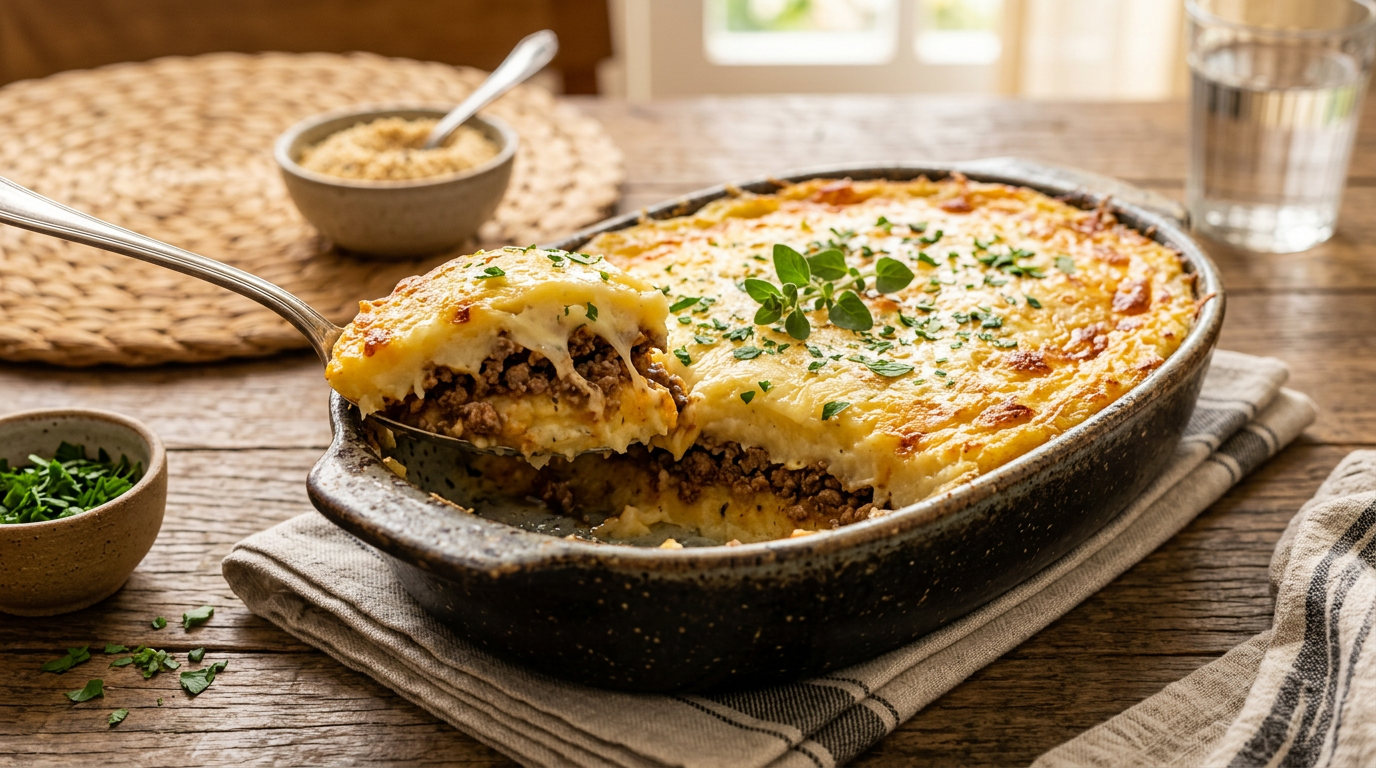
Brazilian Escondidinho de Carne (Cassava Shepherd's Pie)
A comforting Brazilian casserole of seasoned shredded beef hidden beneath a creamy layer of mashed cassava and melted cheese — hearty, gluten-free, and deeply satisfying.
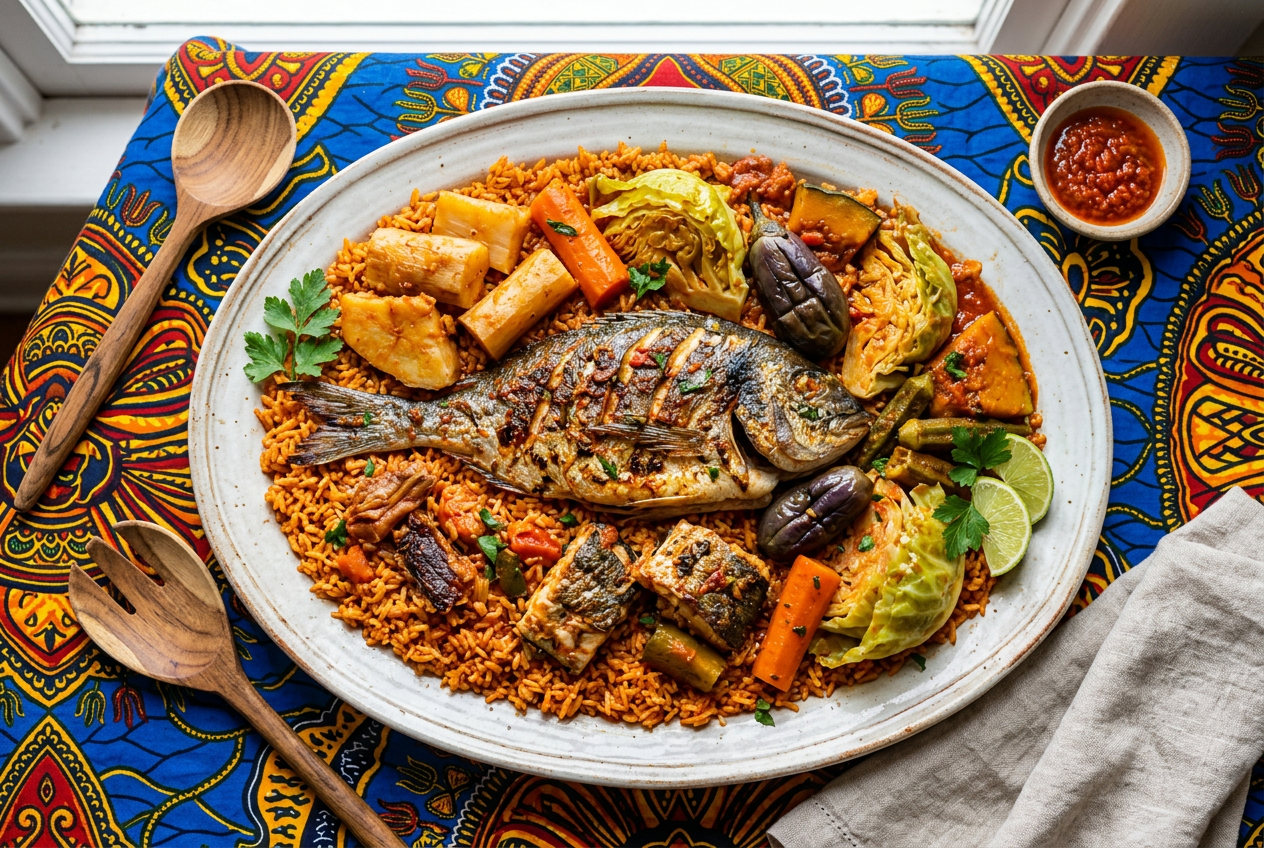
Senegalese Thieboudienne
Senegal’s national dish: seasoned fish simmered with an array of vegetables over broken rice in a rich tomato-tamarind sauce — a magnificent, budget-stretching one-pot feast.

Senegalese Thieboudienne (Fish & Rice)
Senegal’s national dish: fish stuffed with herb rof, braised with vegetables in a tomato broth, then served over rice cooked in the same flavorful liquid.
Explore Related Cuisines
Related Ingredients
Cooking Guides You May Like
A Guide to West African Cooking
From jollof rice to groundnut stew, West African cooking is generous, spice-forward, and made for sharing. Here is an introduction.
The Essentials of Caribbean & Latin American Cooking
Bright citrus, smoky spice, and fresh seafood define the cooking of the Caribbean and Latin America. Here is an introduction.