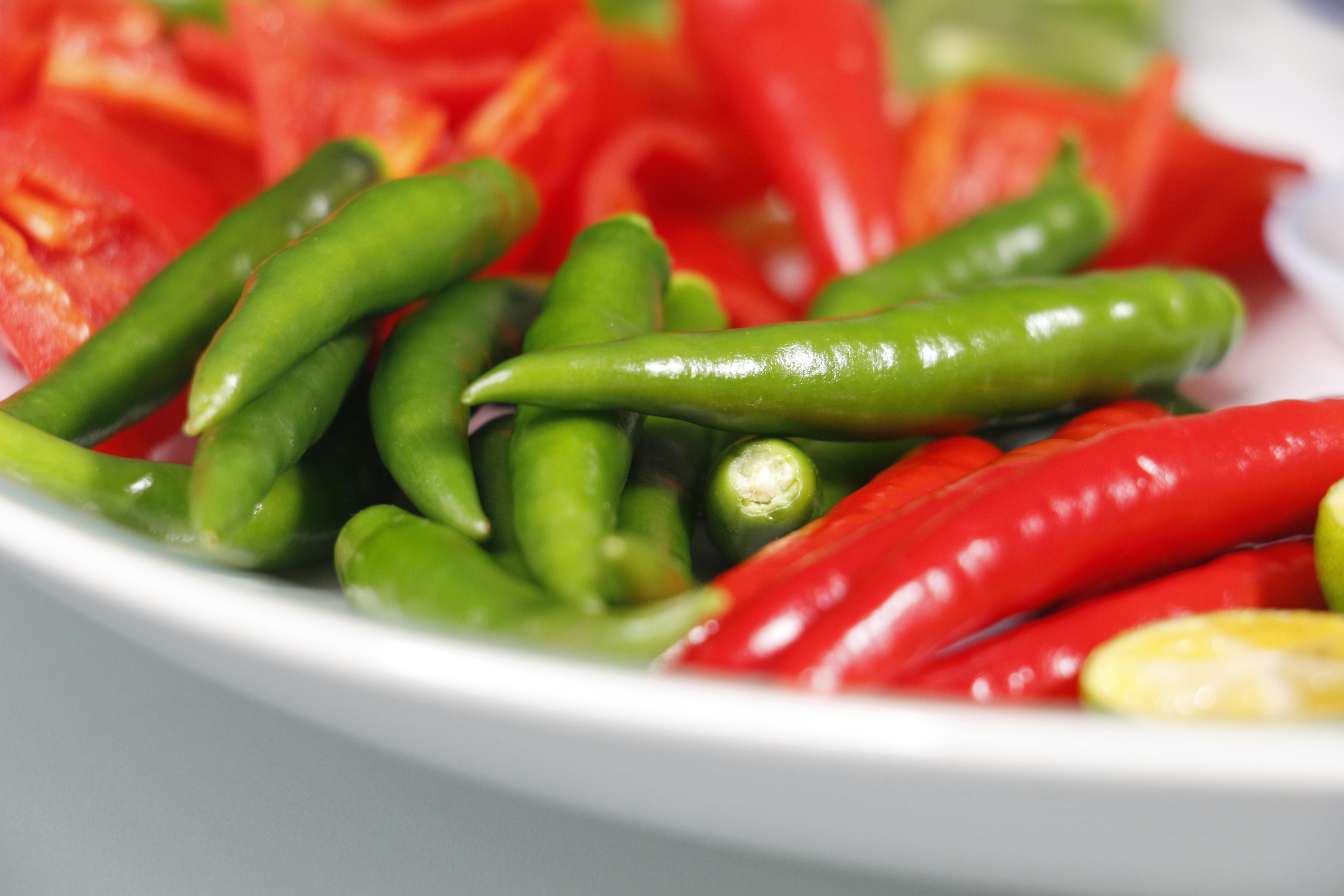
Chili Peppers
Heat, color, and complexity — the spice that defines cuisines from Mexico to Sichuan.
Also known as: Capsicum, hot peppers, jalapeno, habanero, serrano, bird's eye chili, cayenne
Overview
Chili peppers are the fruits of the Capsicum genus, originating in the Americas and now cultivated worldwide. They are the primary source of heat in cuisines from Mexico and the American Southwest to India, Thailand, Korea, Sichuan, West Africa, and the Caribbean.
Heat is measured on the Scoville scale: mild bell peppers (0 SHU), moderate jalapenos (2,500-8,000), hot serranos (10,000-25,000), very hot habaneros (100,000-350,000), and extreme varieties like Carolina Reapers (2.2 million+). But chilies are about much more than heat — they provide fruity, smoky, earthy, and sweet flavor dimensions.
Culinary Uses
- Fresh in salsas, salads, stir-fries, and as garnishes.
- Dried and ground into chili powders, paprika, and spice blends (gochugaru, Kashmiri chili, ancho).
- Smoked for chipotle (smoked jalapeno), adding a distinctive smoky-spicy depth.
- Fermented into hot sauces, gochujang, and sriracha.
Flavor Profile
- The heat comes from capsaicin, concentrated in the white pith and seeds — removing them reduces heat significantly.
- Beyond heat, chilies provide fruity (habanero), smoky (chipotle, ancho), earthy (guajillo), and bright green (serrano, jalapeno) flavors.
- Dried chilies develop deeper, more complex flavors than their fresh counterparts.
Storage
- Fresh chilies keep in the refrigerator for 1-2 weeks in a paper bag or loosely wrapped.
- Dried chilies store in airtight containers in a cool, dark place for up to a year.
- Freeze fresh chilies whole — they soften when thawed but retain their heat and flavor for cooking.
Preparation
- Wear gloves when handling very hot peppers — capsaicin oil causes painful burning on skin and eyes.
- To reduce heat: remove the white pith and seeds, which contain the most capsaicin.
- Toast dried chilies in a dry skillet until fragrant and pliable (30-60 seconds per side), then soak in hot water for 15-20 minutes before blending into sauces.
Nutrition
Chilies are exceptionally rich in vitamin C — a single green chili can provide a full day's requirement.
Capsaicin has been studied for potential metabolic and anti-inflammatory properties.
Among the richest food sources, especially in fresh red and green chilies.
Red chilies are rich in beta-carotene.
The compound responsible for heat; studied for metabolic and pain-relief properties.
Supports metabolism and immune function.
Dietary Considerations
- Naturally vegan, gluten-free, and extremely low in calories.
- Can aggravate gastric reflux (GERD) and irritable bowel syndrome in sensitive individuals.
- Capsaicin is an irritant — handle with care and avoid touching eyes.
Nutrition information is educational and approximate; it varies by variety, portion, and preparation, and is not a substitute for professional dietary advice.
Common Pairings
Recipes with Chili Peppers
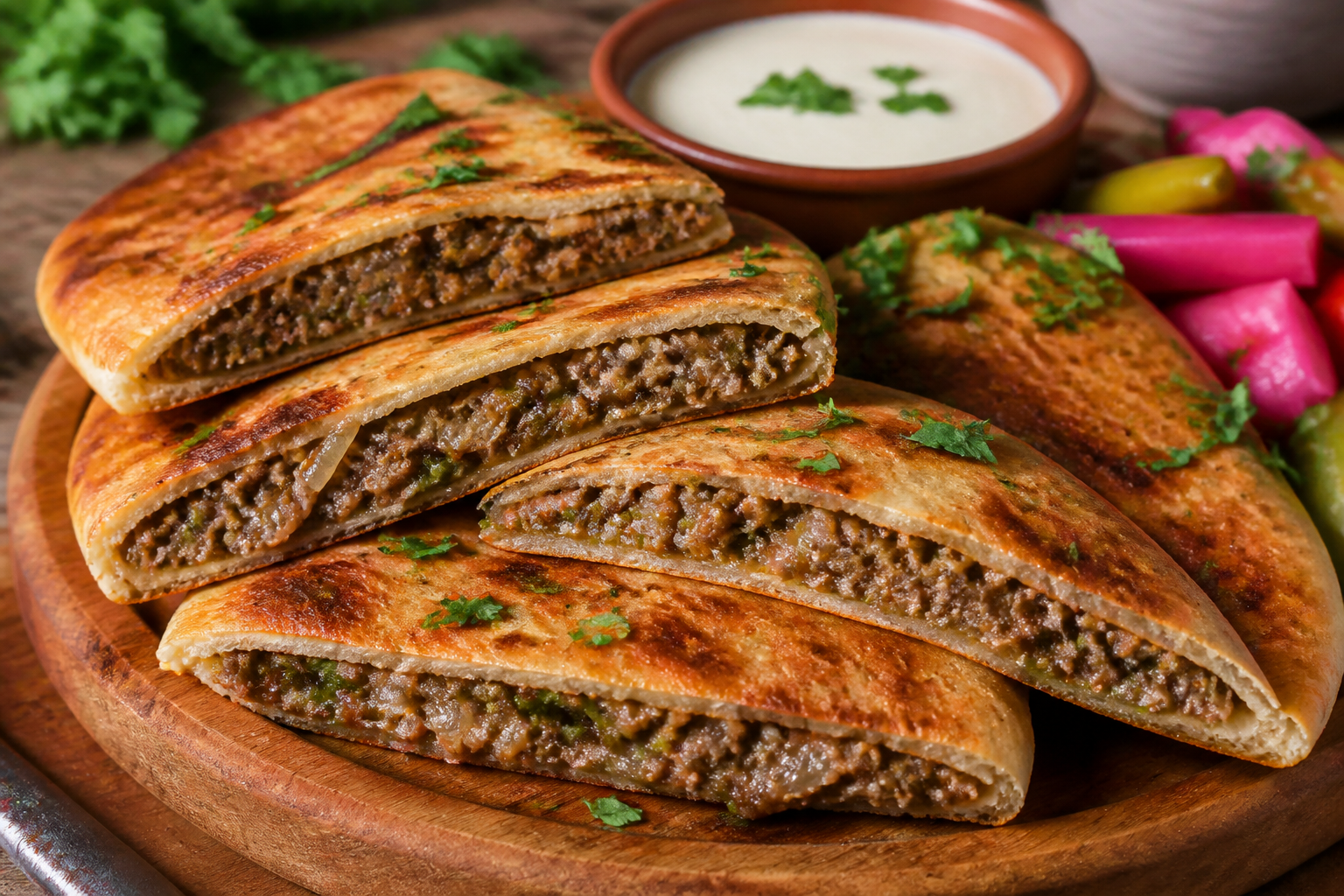
Egyptian Hawawshi
Spiced ground beef mixed with onion, pepper, and herbs, stuffed into Egyptian flatbread and baked until crisp, a popular hand-held street food bursting with savoury flavour.
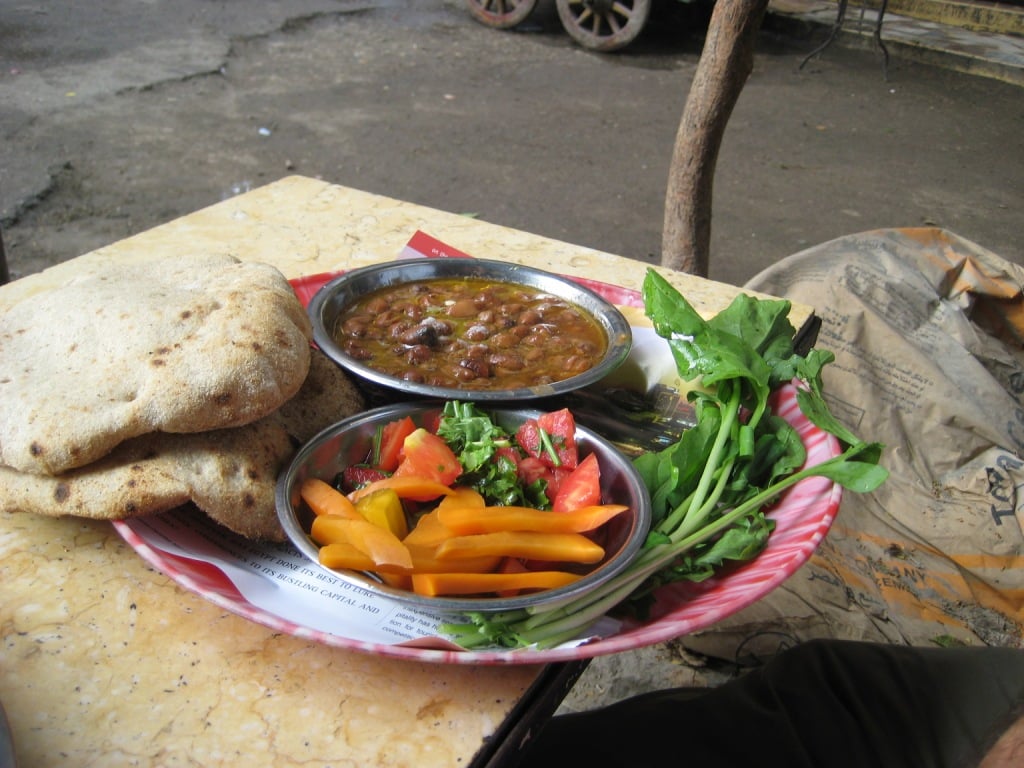
Egyptian Ful Medames
Egypt's national breakfast of slow-simmered fava beans mashed with olive oil, lemon, garlic, and cumin, hearty and protein-rich, traditionally scooped up with warm flatbread.
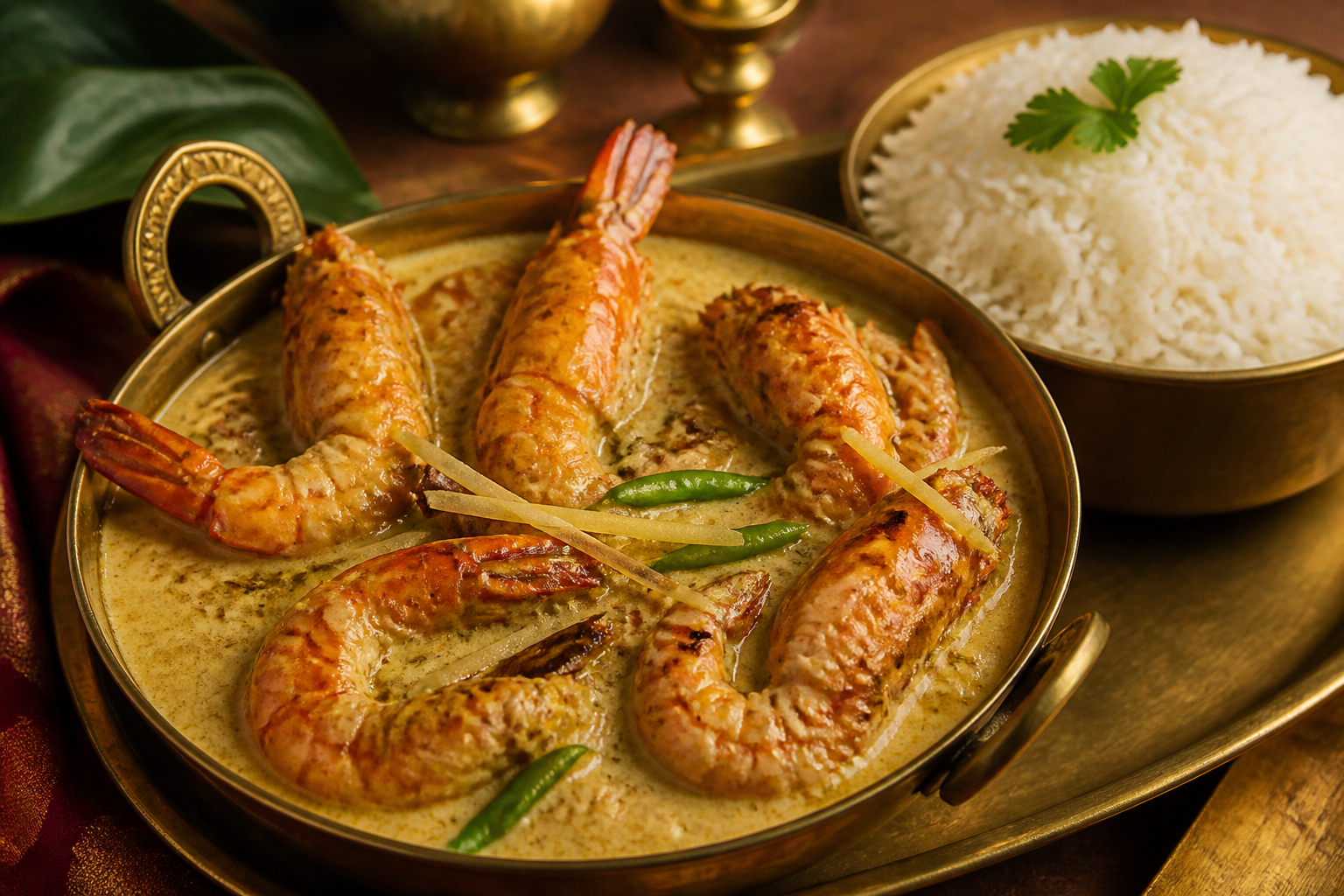
Bengali Chingri Malai Curry
An elegant Bengali prawn curry simmered in sweet coconut milk with warm spices and a hint of green chili, rich and aromatic, reserved for special occasions.
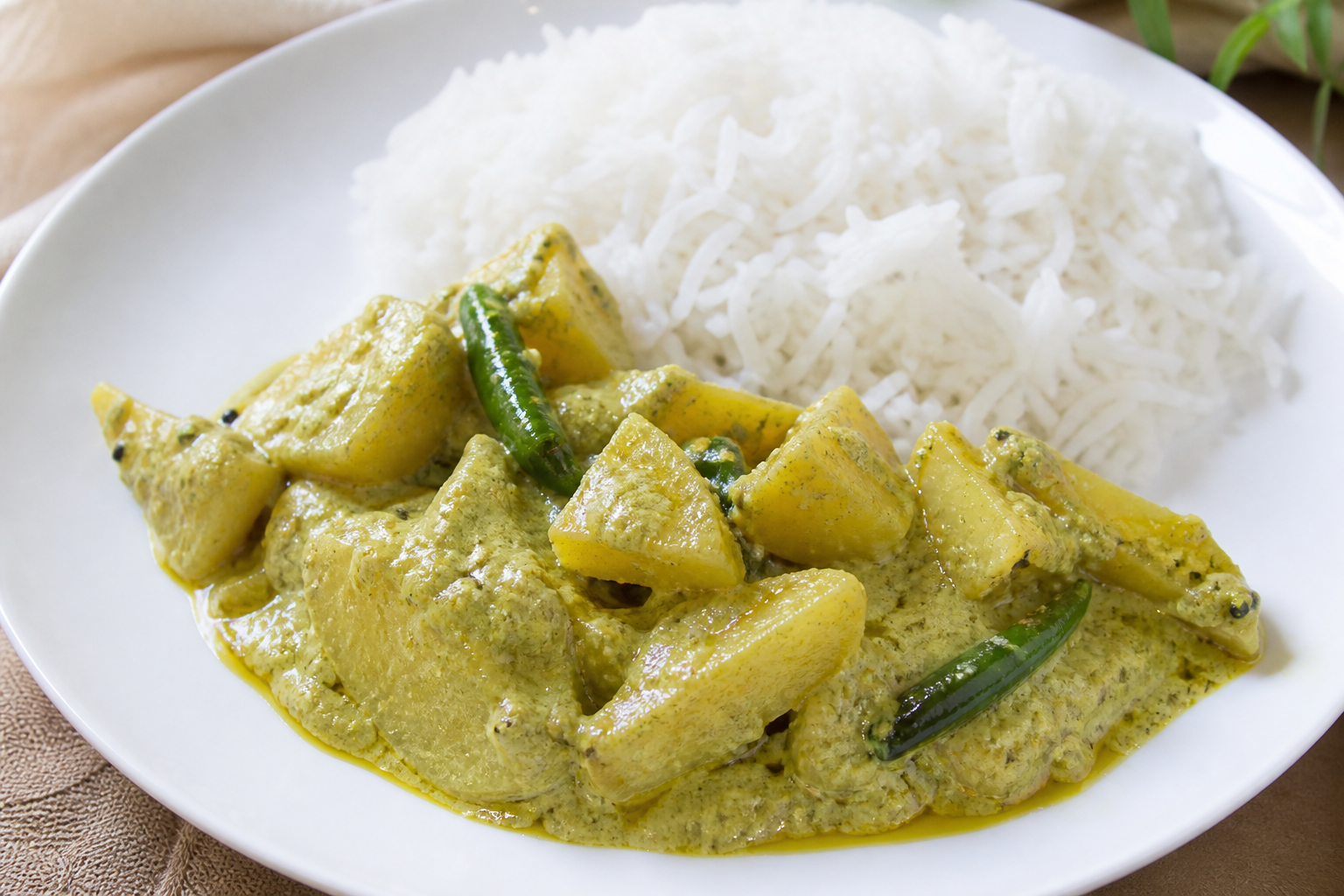
Bengali Aloo Posto
A humble, beloved Bengali vegetarian dish of potatoes cooked in a creamy poppy seed paste with green chili and mustard oil, subtly nutty and deeply comforting.
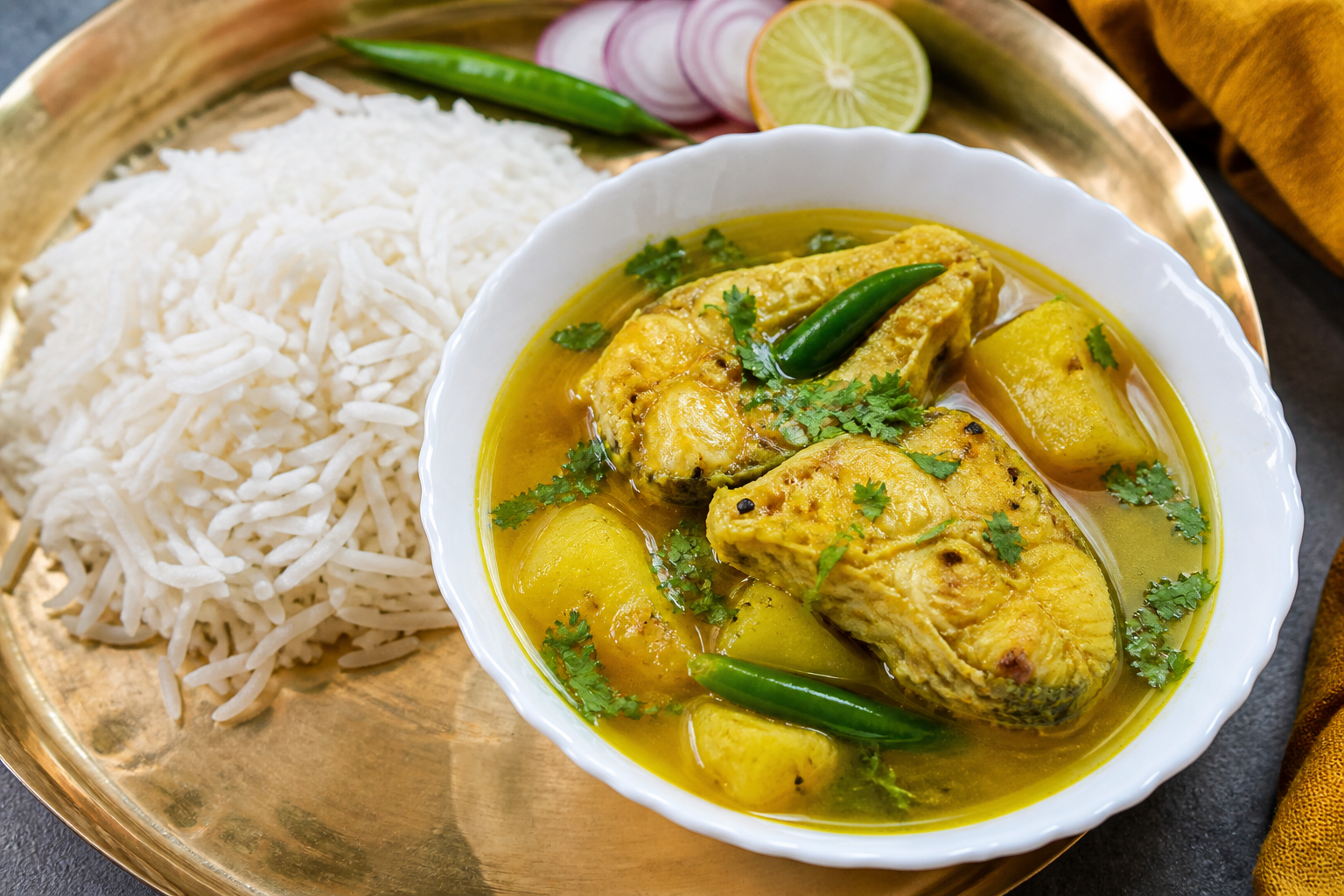
Bengali Macher Jhol
A light, soupy Bengali fish curry of pan-fried fish simmered in a turmeric-and-cumin broth with potatoes and tomato, delicately spiced and traditionally served with steamed rice.
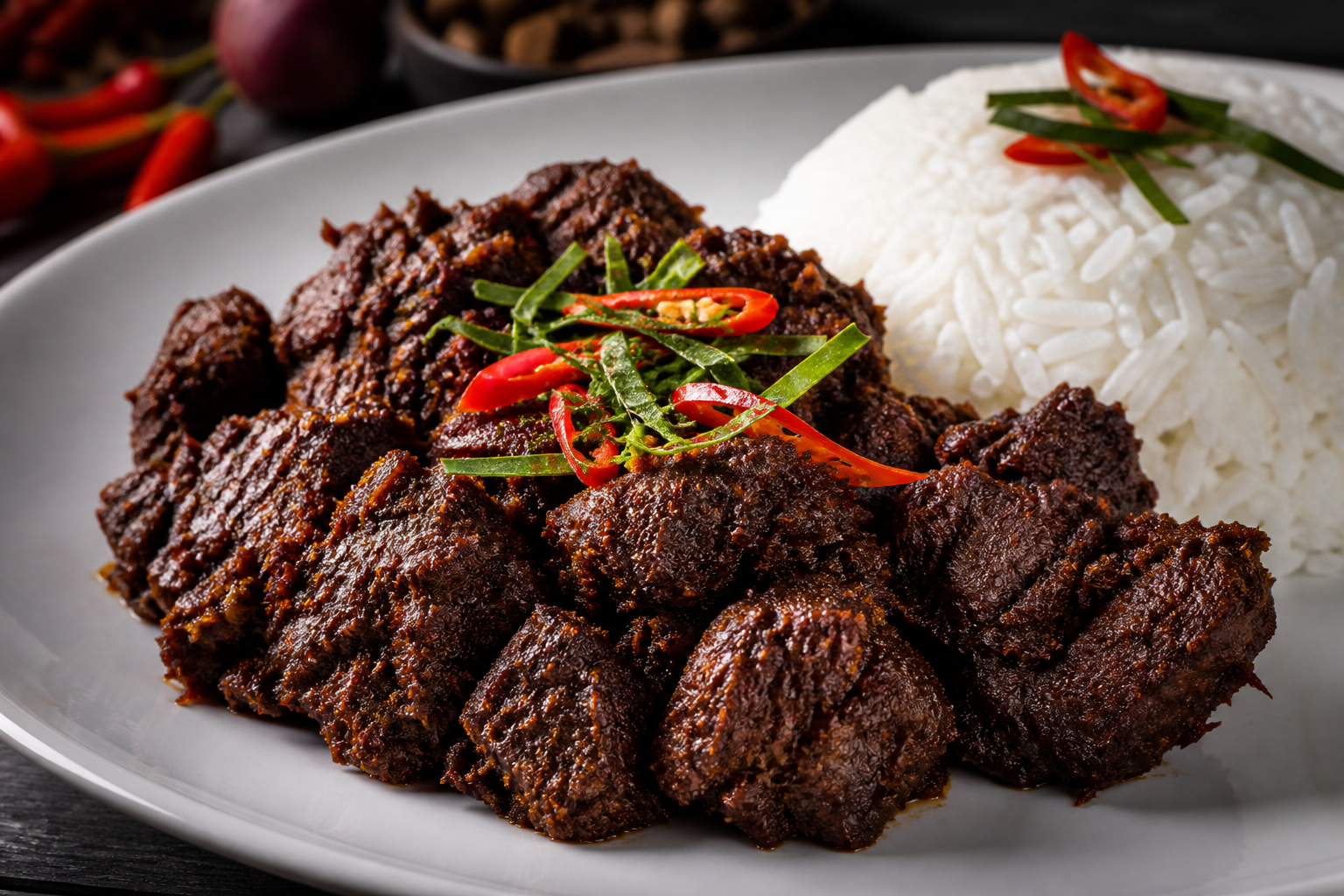
Malaysian Beef Rendang
A rich, dry-style curry of beef slow-simmered in coconut milk and a fragrant spice paste with lemongrass, galangal, and toasted coconut until intensely flavourful and tender.
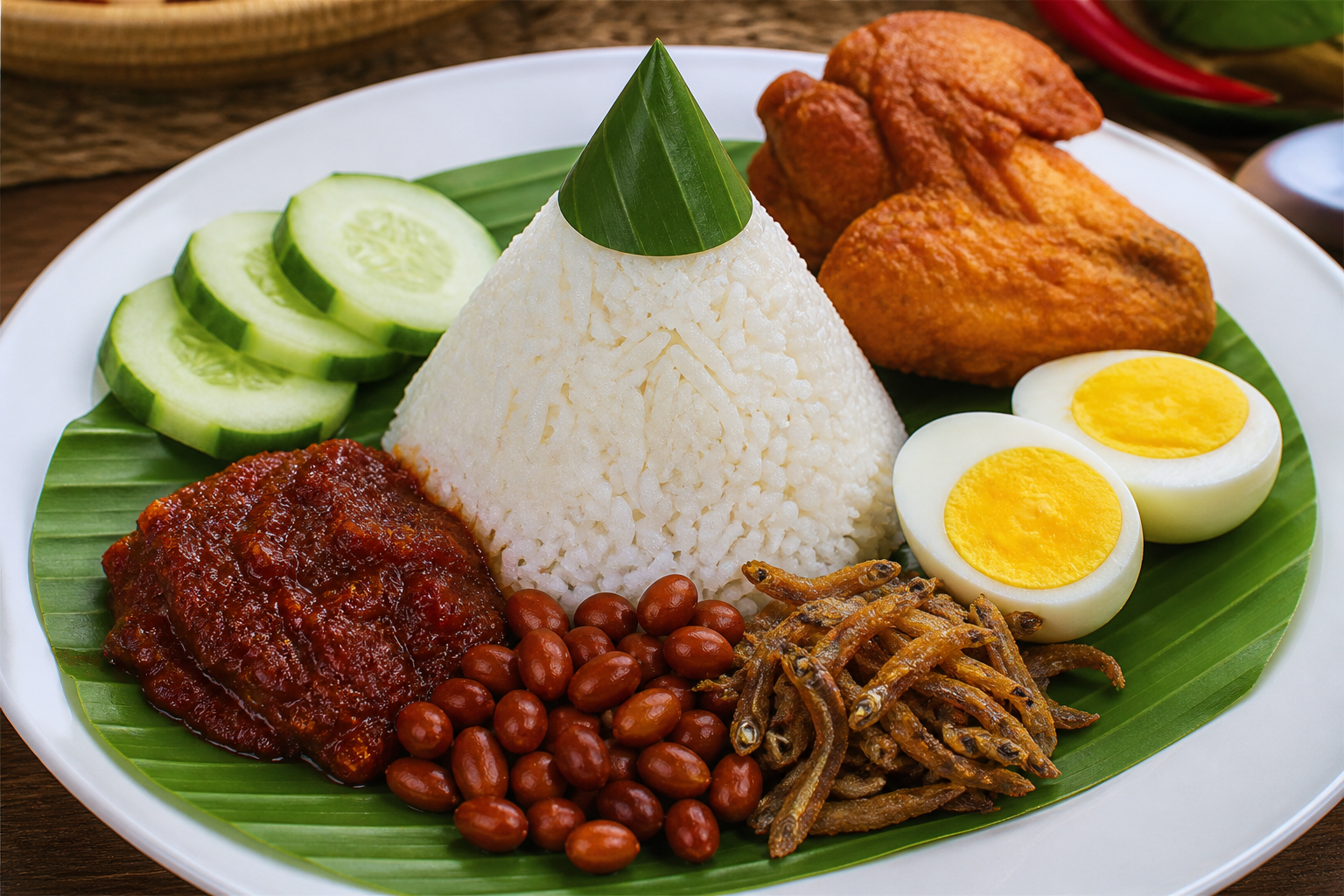
Malaysian Nasi Lemak
Malaysia's beloved national dish of fragrant coconut rice served with spicy sambal, crispy anchovies, roasted peanuts, cucumber, and boiled egg for a balanced, aromatic plate.
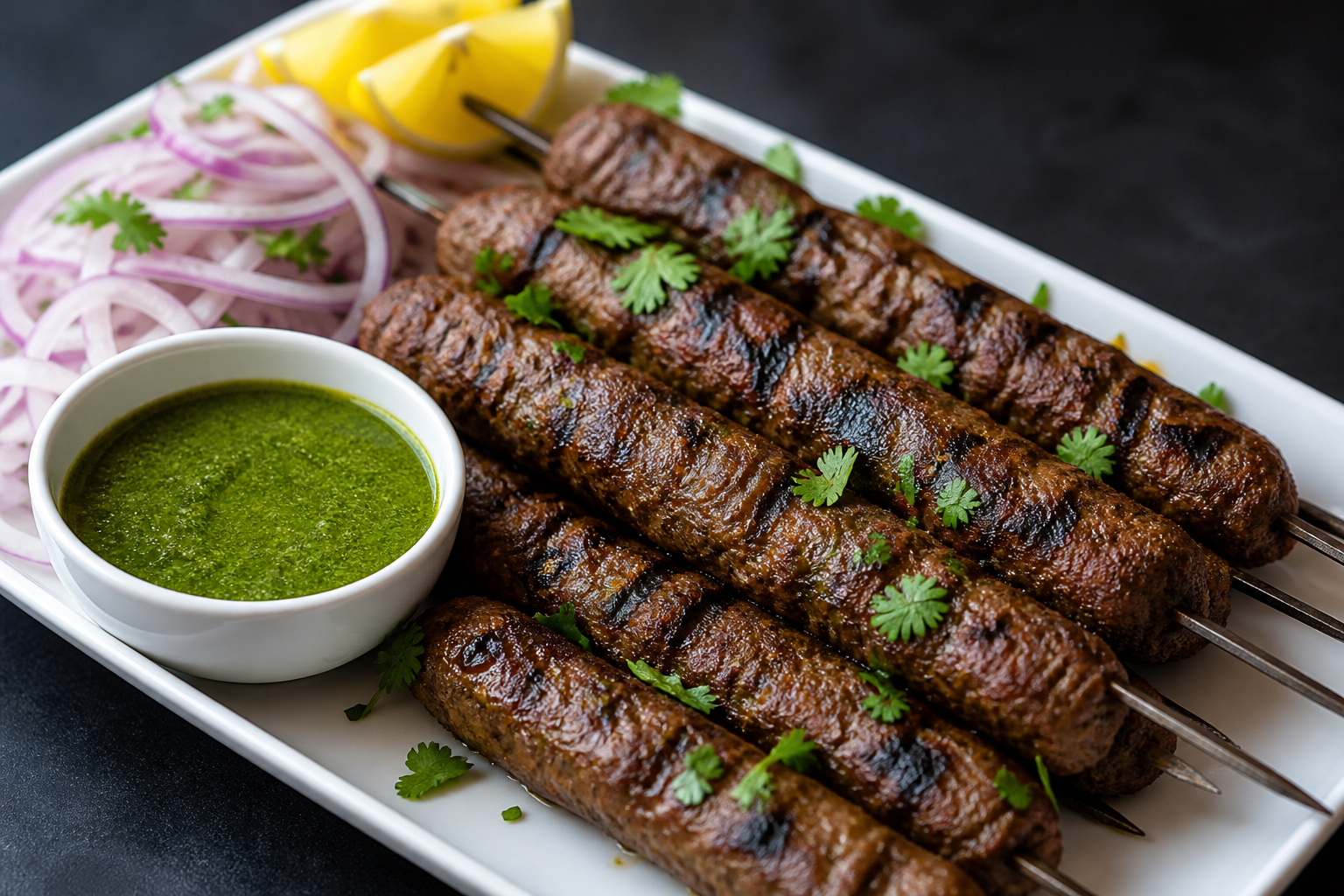
Pakistani Seekh Kebab
Smoky, spiced ground beef kebabs shaped onto skewers and char-grilled until juicy, seasoned with fresh herbs, green chili, and warm spices for a beloved Pakistani grill classic.
Explore Related Cuisines
Related Ingredients
Cooking Guides You May Like
Seasoning to Taste: Balancing Salt, Acid, Fat, and Heat
The difference between a home cook and a great one is rarely a recipe — it is knowing how to taste a dish and fix what it is missing.
Understanding Food Allergens: A Practical Guide
Cooking for someone with a food allergy calls for awareness, not fear. Here is what every home cook should understand.