Salt: the master seasoning
Salt does more than make food salty — it amplifies flavor, tames bitterness, and makes vegetables, grains, and proteins taste fully like themselves. The key is to season in layers throughout cooking rather than dumping it all in at the end. Salt pasta water, season proteins ahead of time, and taste and adjust at each stage.
Use kosher or flaky salt, which is easier to pinch and distribute evenly, and remember that you can always add more but cannot take it away. If a dish tastes dull, flat, or 'like it is missing something,' the answer is very often simply salt.
Acid, fat, and heat
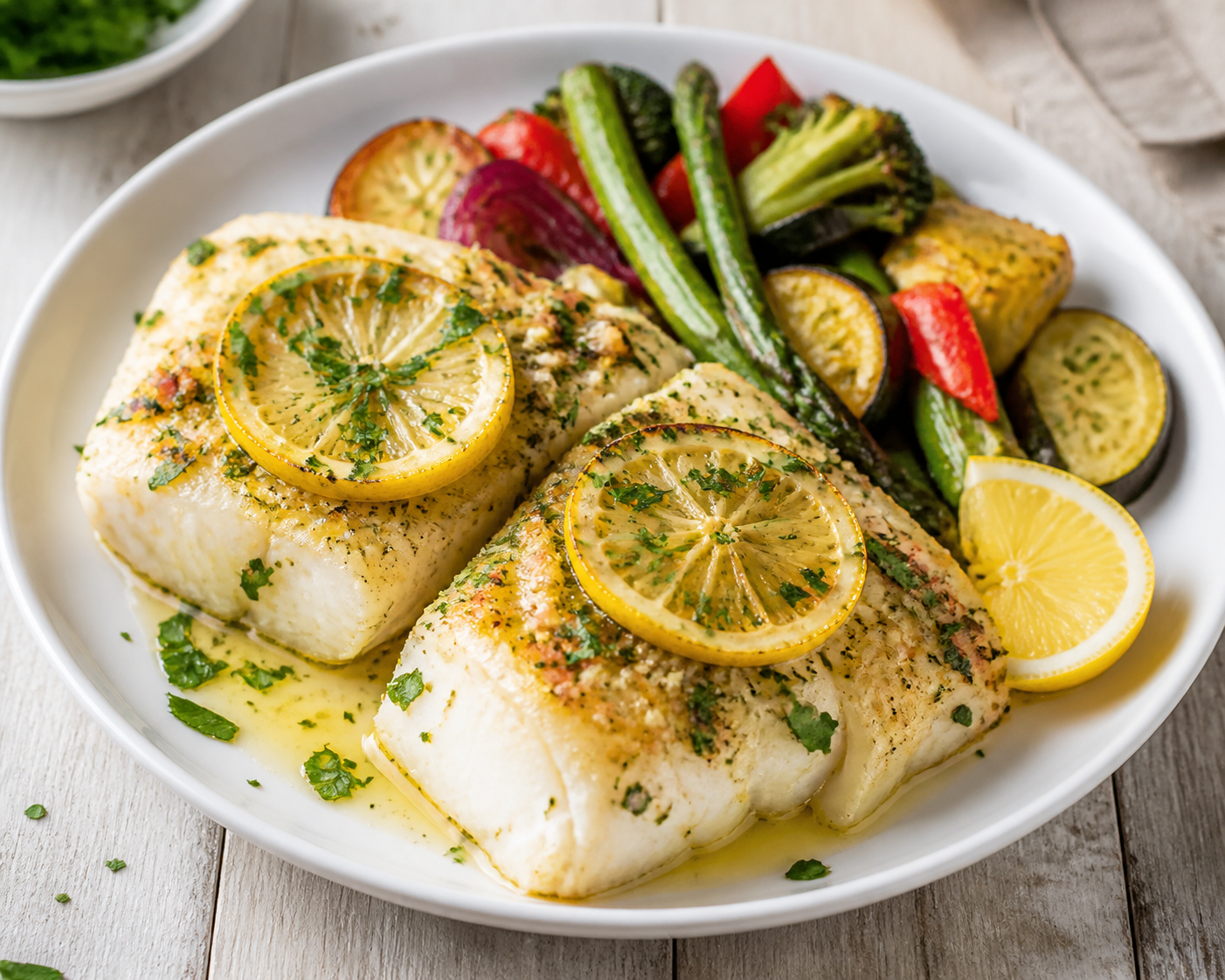
Acid is the most underused tool in home kitchens. A squeeze of lemon, a splash of vinegar, or a dollop of yogurt brightens rich or heavy dishes and makes flavors pop. When something tastes heavy or muddy, reach for acid before anything else.
Fat carries flavor and gives food a satisfying richness and mouthfeel — olive oil, butter, cream, and the fat in meat all round out a dish. Heat, in the sense of chili and spice, adds excitement and dimension. Great cooking is the balancing act among all four: salt for depth, acid for brightness, fat for richness, and heat for interest.
How to taste and adjust
Taste constantly, and taste with intention. When a dish is not quite right, run through the four levers: Does it need salt (tastes flat)? Acid (tastes heavy or rich)? Fat (tastes thin or harsh)? Heat or sweetness (tastes one-dimensional)? Adjust one thing at a time and taste again, so you learn what each change does.
Keep a lemon, a bottle of vinegar, flaky salt, and good olive oil within arm's reach of the stove. With those four finishing tools you can rescue almost any dish in the final minute of cooking.