
Kale
Nutrient-dense, hearty, and versatile — a green that holds up to heat and time.
Also known as: Brassica oleracea, curly kale, lacinato kale, dinosaur kale, Tuscan kale, cavolo nero
Overview
Kale is a cruciferous vegetable in the cabbage family, available in several varieties: curly kale (frilly, robust), lacinato/Tuscan kale (flat, dark, slightly sweeter), and Red Russian kale (tender, mild). Unlike delicate greens, kale holds its structure in soups, stews, and stir-fries.
Its reputation as a 'superfood' is earned: kale is one of the most nutrient-dense foods available, packed with vitamins A, C, and K, plus calcium, iron, and antioxidants.
Culinary Uses
- Massaged raw with olive oil and lemon for hearty salads that improve as they sit.
- Sauteed with garlic and olive oil as a simple side dish.
- Added to soups and stews (Portuguese caldo verde, ribollita, minestrone).
- Baked into kale chips — toss with oil and salt, bake at 300°F until crispy.
Flavor Profile
- Slightly bitter and earthy when raw; sweeter and milder when cooked or massaged.
- Curly kale is the most assertive; lacinato is more tender and subtly sweet.
- Frost-kissed kale (harvested after the first frost) converts starches to sugars and tastes noticeably sweeter.
Storage
- Refrigerate unwashed in a loose plastic bag for up to a week.
- Washed and de-stemmed kale can be stored in a container lined with paper towels for quick use.
- Blanch and freeze for smoothies and soups — keeps for 6 months.
Preparation
- Strip leaves from the tough central stems by gripping the stem and pulling the leaf away in one motion.
- For raw salads, massage torn leaves with olive oil and a pinch of salt for 2-3 minutes — this breaks down cell walls and tenderizes the kale.
- Chop or tear into bite-sized pieces; avoid paper-thin cuts, which wilt too quickly.
Nutrition
Kale is extraordinarily nutrient-dense: a single cup of raw kale provides over 100% of the daily value for vitamins A, C, and K.
It is one of the best plant sources of calcium and provides meaningful iron.
One of the richest food sources — essential for blood clotting and bone metabolism.
Supports vision, immune function, and skin health.
A powerful antioxidant; a cup of raw kale rivals an orange.
A good plant source of bioavailable calcium.
Dietary Considerations
- Naturally vegan, gluten-free, and extremely low in calories.
- High in vitamin K — individuals on blood thinners (warfarin) should maintain consistent intake.
- Contains oxalates, which can contribute to kidney stones in susceptible individuals.
Nutrition information is educational and approximate; it varies by variety, portion, and preparation, and is not a substitute for professional dietary advice.
Common Pairings
Recipes with Kale
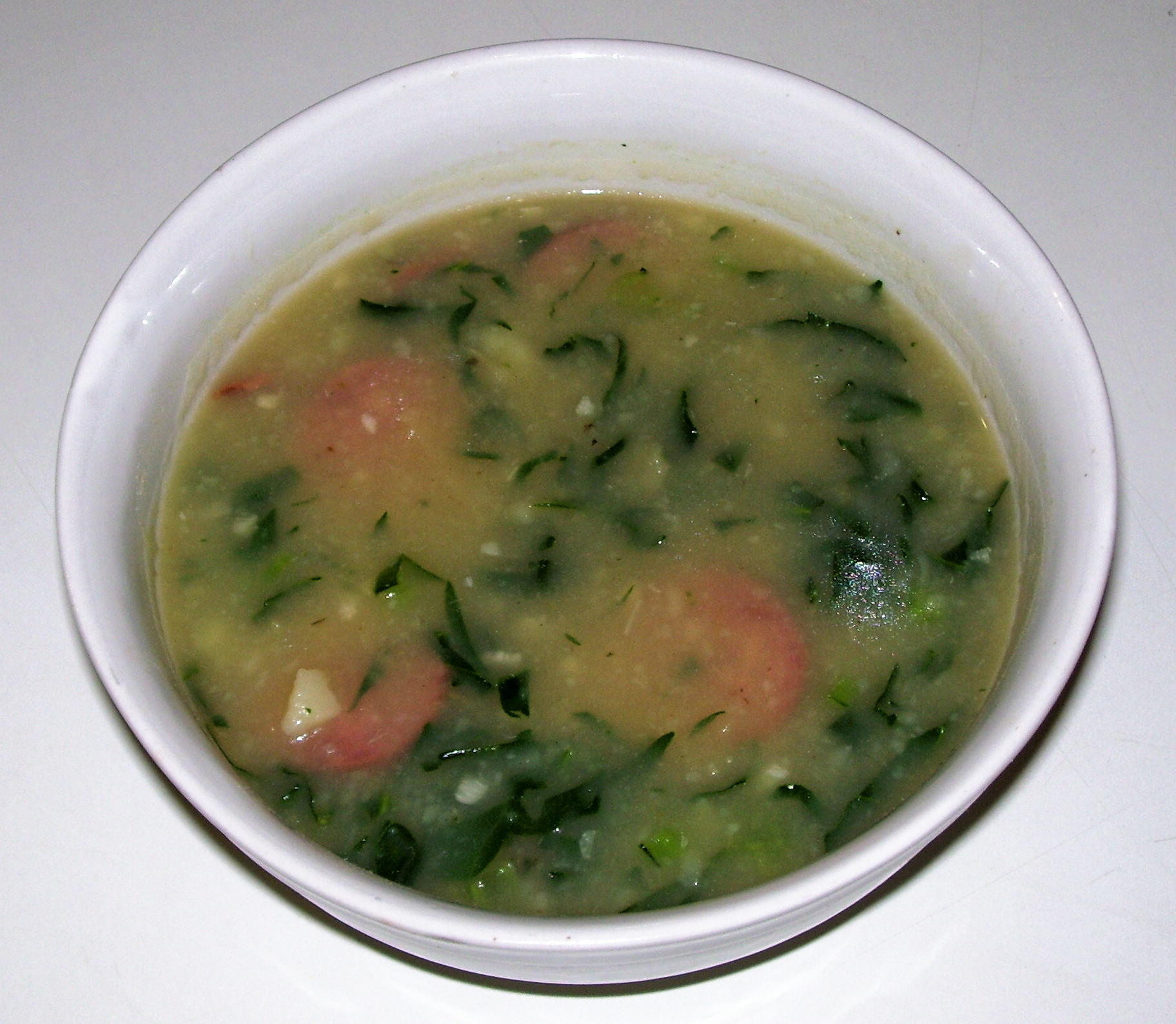
Caldo Verde
Portugal's beloved green soup — a silky potato base brightened with finely shredded collard or kale and enriched with slices of smoky chourico. Simple, warming, and deeply comforting.
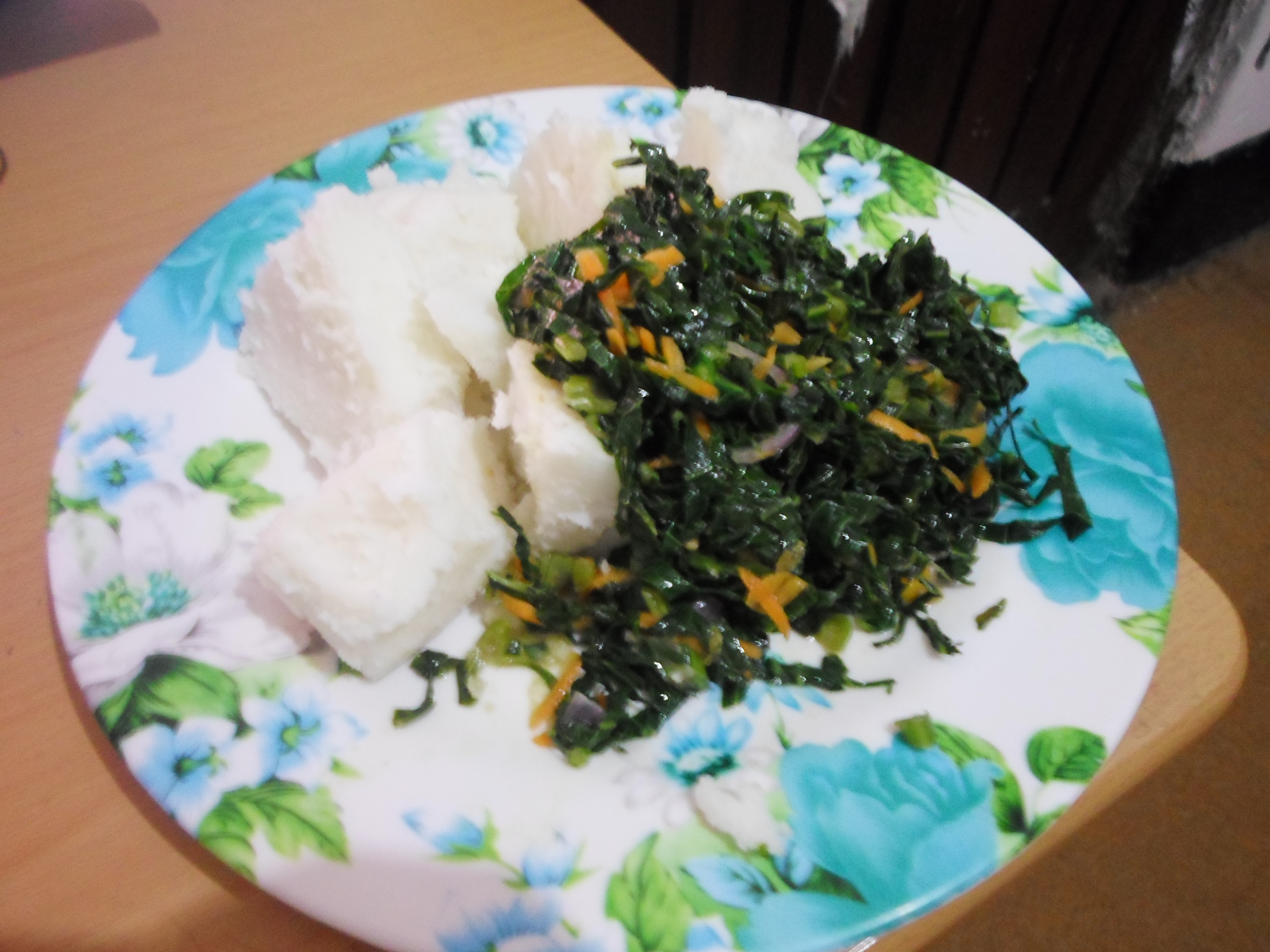
Kenyan Sukuma Wiki
A quick, thrifty Kenyan staple of collard greens sauteed with onion and tomato — the everyday side that stretches any meal, naturally vegan and ready in minutes.
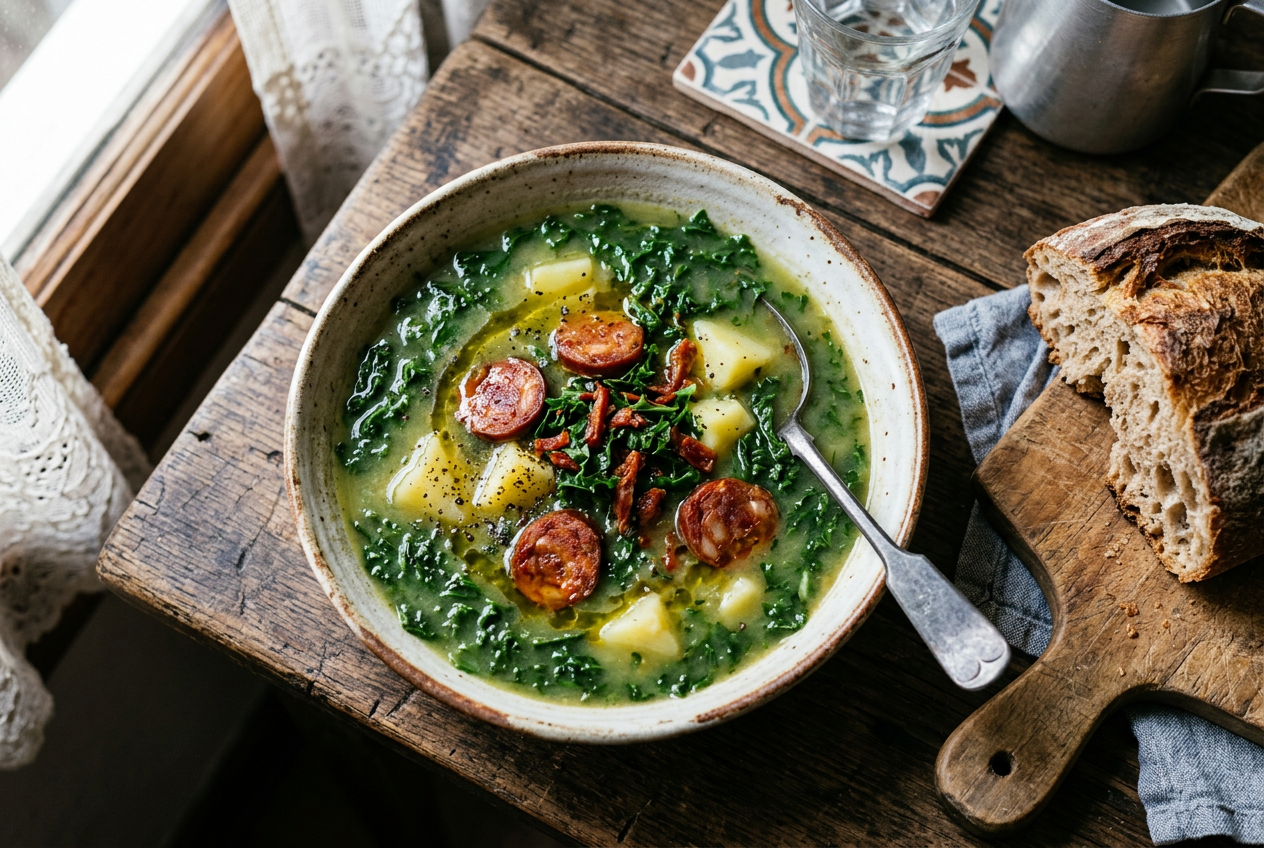
Portuguese Caldo Verde
Portugal’s iconic green soup: finely shredded kale in a silky potato-based broth with slices of smoky sausage — simple, warming, and remarkably inexpensive.
Explore Related Cuisines
Related Ingredients
Cooking Guides You May Like
Mediterranean Diet Foundations
More a pattern than a strict diet, Mediterranean eating is one of the most studied and sustainable ways to eat well. Here is the foundation.
Keeping Produce Fresh Longer: A Storage Guide
Half of home food waste is produce that spoils before we get to it. The right storage buys you days or even weeks.