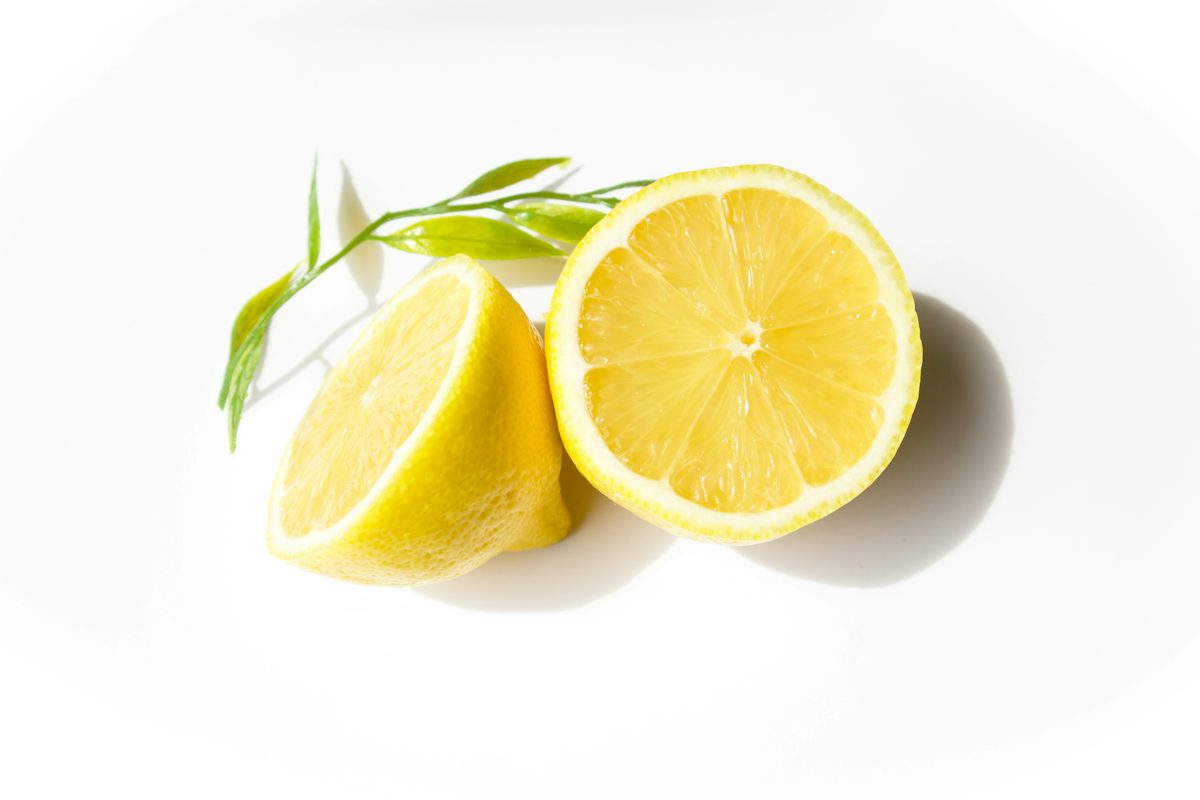
Lemon
The bright acid that wakes up almost any dish, sweet or savory.
Also known as: Citrus limon, lemon juice, lemon zest
Overview
The lemon is the kitchen's most reached-for source of acidity. A squeeze of its juice brightens and balances rich, salty, or sweet dishes, while its fragrant zest carries aromatic oils that add perfume without sourness.
Both parts of the fruit earn their keep: juice for tang and zest for aroma. Learning to use them separately — and together — is one of the simplest ways to make food taste more alive.
Culinary Uses
- Squeezed over finished dishes, salads, and seafood to add brightness.
- Zested into baked goods, dressings, marinades, and pasta.
- Preserved in salt for North African and Middle Eastern cooking.
- Juiced into drinks, curds, sorbets, and desserts.
Flavor Profile
- Sharp, tart, and refreshing from its citric acid.
- The zest is floral and fragrant from its essential oils, without the sourness.
- A little acid balances salt, fat, and sweetness across a dish.
Storage
- Keep at room temperature for a few days, or refrigerate for several weeks.
- Store cut lemons wrapped in the fridge and use quickly.
- Freeze juice in ice-cube trays and zest in small portions for later.
Preparation
- Zest before juicing, taking only the yellow layer and avoiding the bitter white pith.
- Roll the lemon firmly on the counter to release more juice.
- Warm or microwave briefly for maximum juice yield.
- Add juice at the end of cooking so its brightness is not lost to heat.
Nutrition
Lemons are very low in calories and a good source of vitamin C.
Used mainly for flavor, they add brightness with virtually no sodium or fat.
A potent antioxidant that also aids iron absorption.
The source of the sour taste; may help prevent kidney stones.
Plant compounds concentrated in the peel and pith.
Dietary Considerations
- Naturally vegan, vegetarian, gluten-free, and dairy-free.
- A near-zero-calorie way to add flavor and reduce reliance on salt.
- Its acidity can affect tooth enamel in large amounts.
Nutrition information is educational and approximate; it varies by variety, portion, and preparation, and is not a substitute for professional dietary advice.
Common Pairings
Recipes with Lemon

Quick Ethiopian Chicken Curry Rice Bowls
A fragrant, mildly spiced chicken curry inspired by Ethiopian flavors, finished in under an hour and served over fluffy rice for a satisfying weeknight meal.
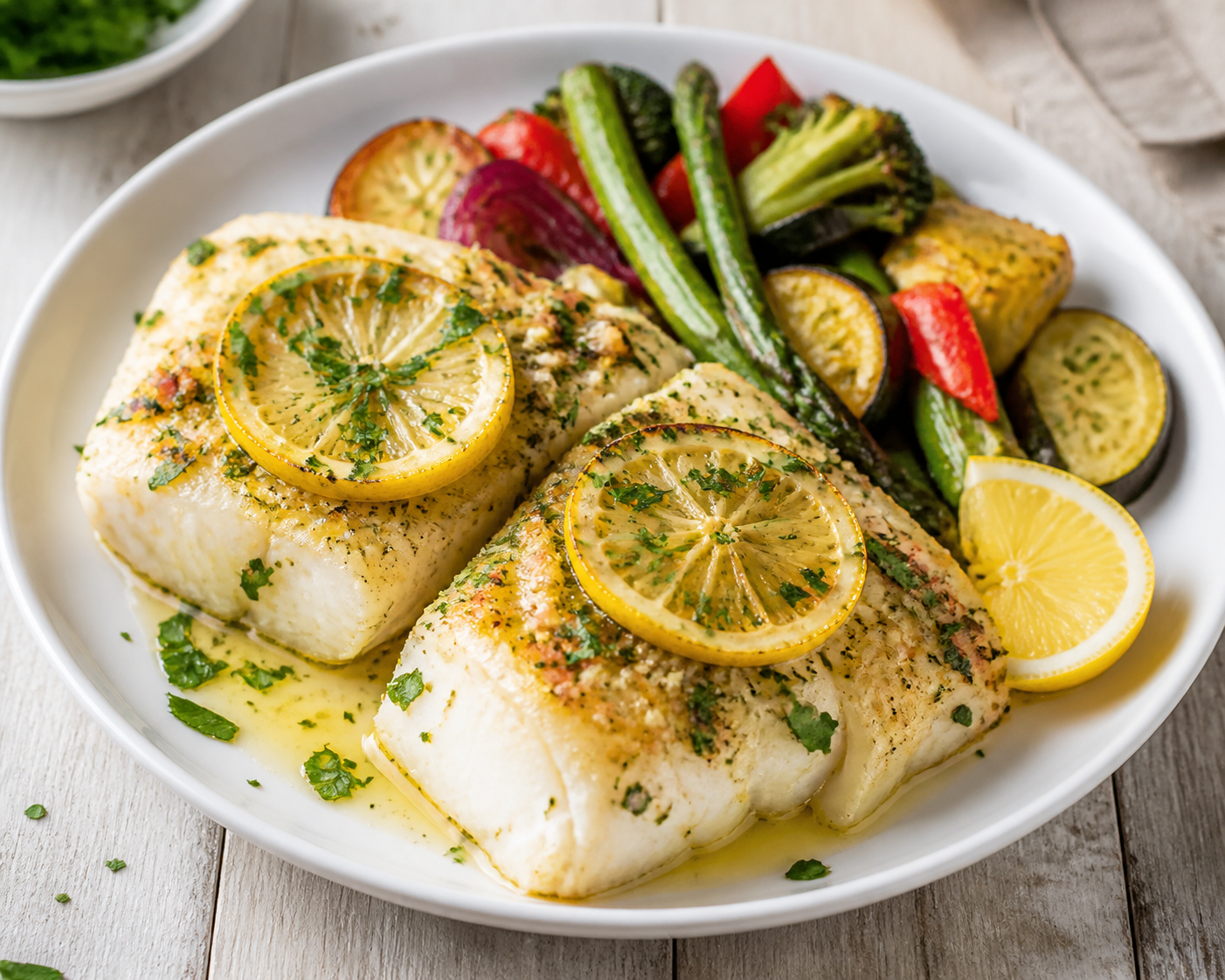
Baked Lemon Garlic Cod with Parsley
Tender cod fillets baked with bright lemon, fragrant garlic, and fresh parsley for a simple, flavorful weeknight dinner.

Egyptian Ful Medames
Egypt's national breakfast of slow-simmered fava beans mashed with olive oil, lemon, garlic, and cumin, hearty and protein-rich, traditionally scooped up with warm flatbread.
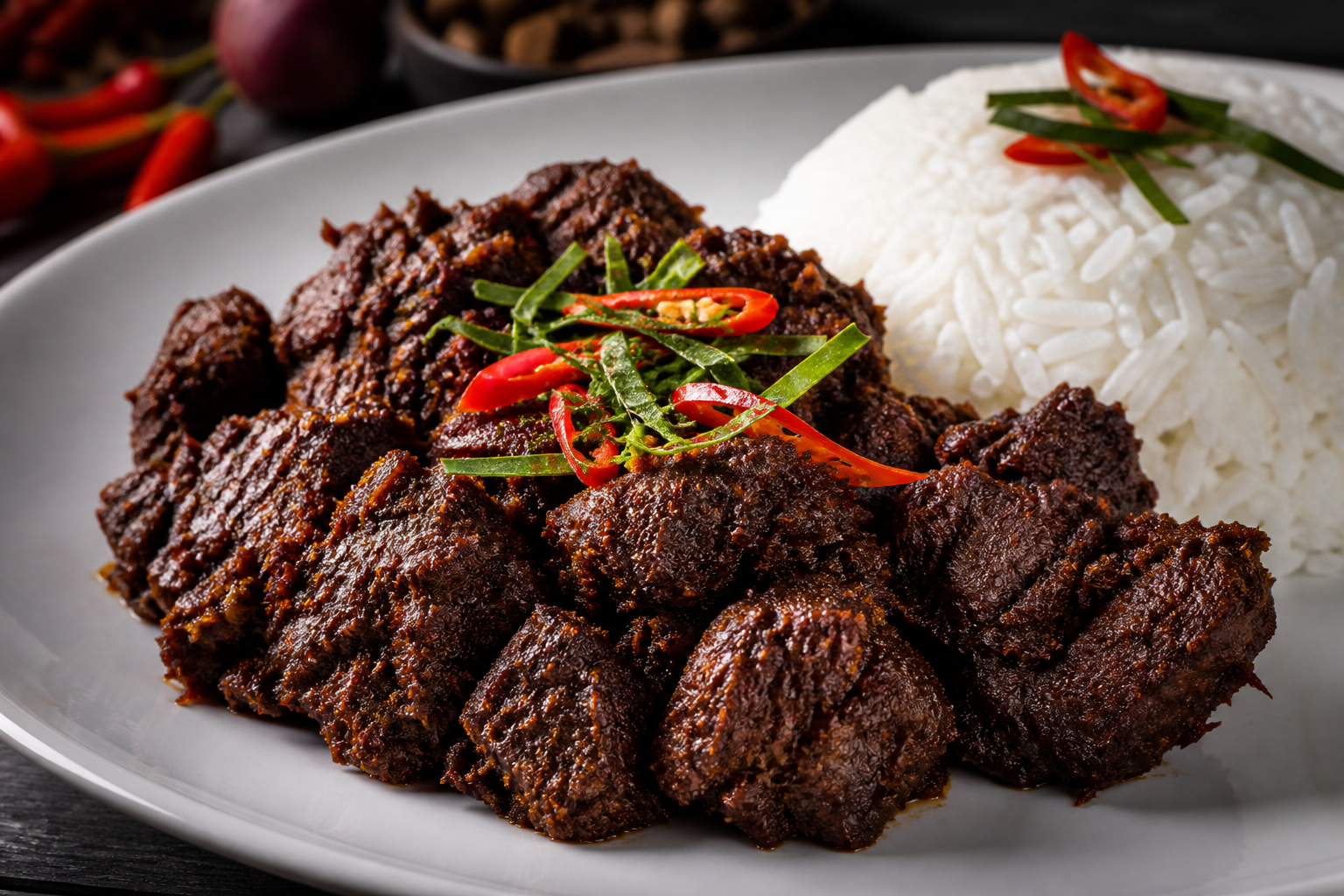
Malaysian Beef Rendang
A rich, dry-style curry of beef slow-simmered in coconut milk and a fragrant spice paste with lemongrass, galangal, and toasted coconut until intensely flavourful and tender.
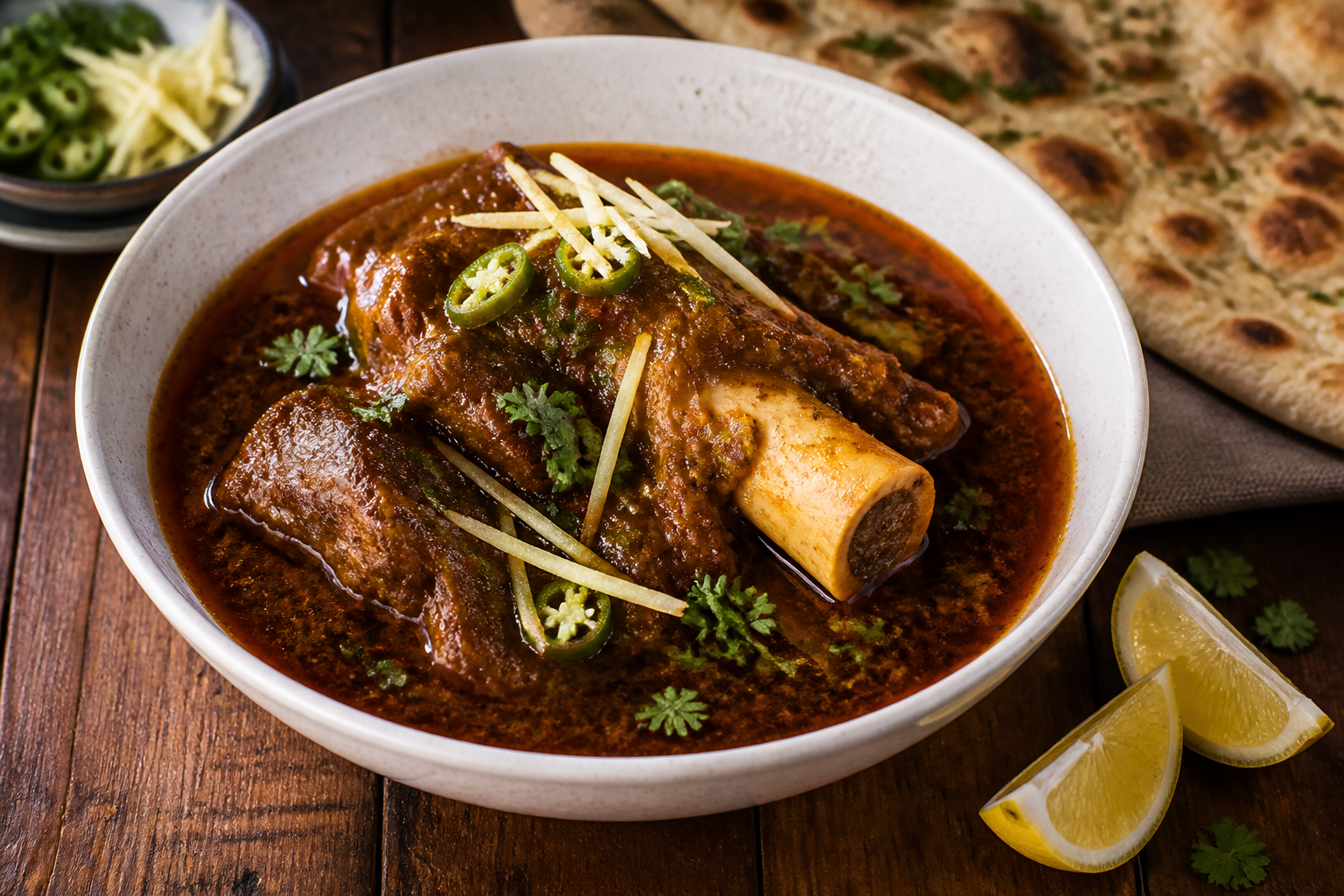
Pakistani Beef Nihari
A slow-cooked, deeply spiced beef shank stew thickened with a wheat-flour slurry and perfumed with long pepper and fennel, traditionally enjoyed as a rich, warming breakfast in Pakistan.

Pasteis de Nata
Portugal's iconic custard tarts — crisp, shatteringly flaky puff pastry cups filled with a silky cinnamon-scented custard and baked hot until the tops blister and caramelize.
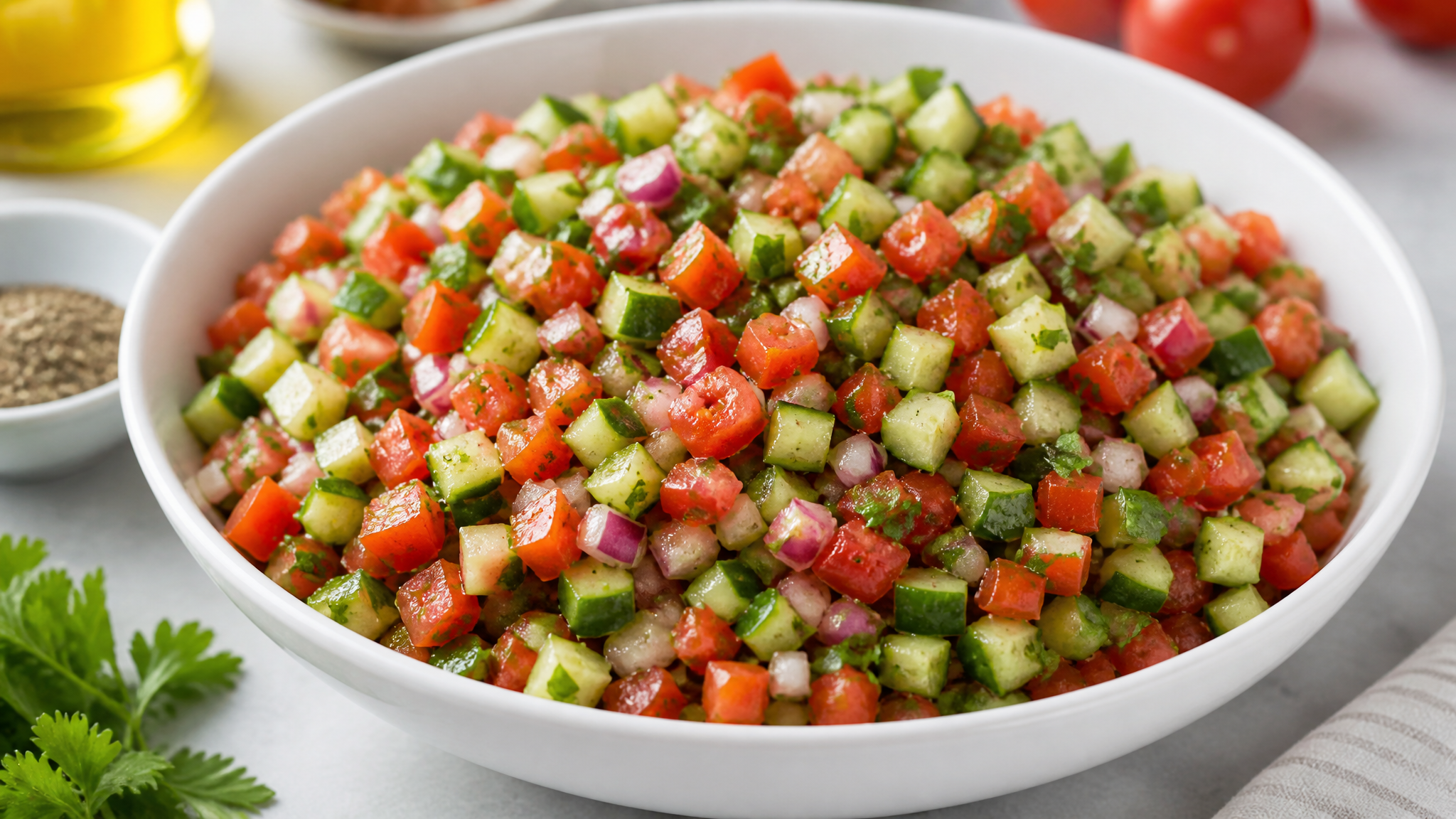
Israeli Chopped Salad
The fresh, finely diced salad found on nearly every Israeli table — cucumbers and tomatoes with herbs, lemon, and olive oil, crisp and bright enough to serve with any meal or at breakfast.

Chicken Yassa
A tangy Senegalese classic of chicken marinated in lemon and mustard, then braised with a generous mountain of caramelized onions into a bright, savory sauce served over rice.
Explore Related Cuisines
Related Ingredients
Cooking Guides You May Like
Essential Kitchen Skills Every Home Cook Should Know
A short list of fundamental skills will do more for your cooking than any gadget. Here are the ones that matter most.
Keeping Produce Fresh Longer: A Storage Guide
Half of home food waste is produce that spoils before we get to it. The right storage buys you days or even weeks.