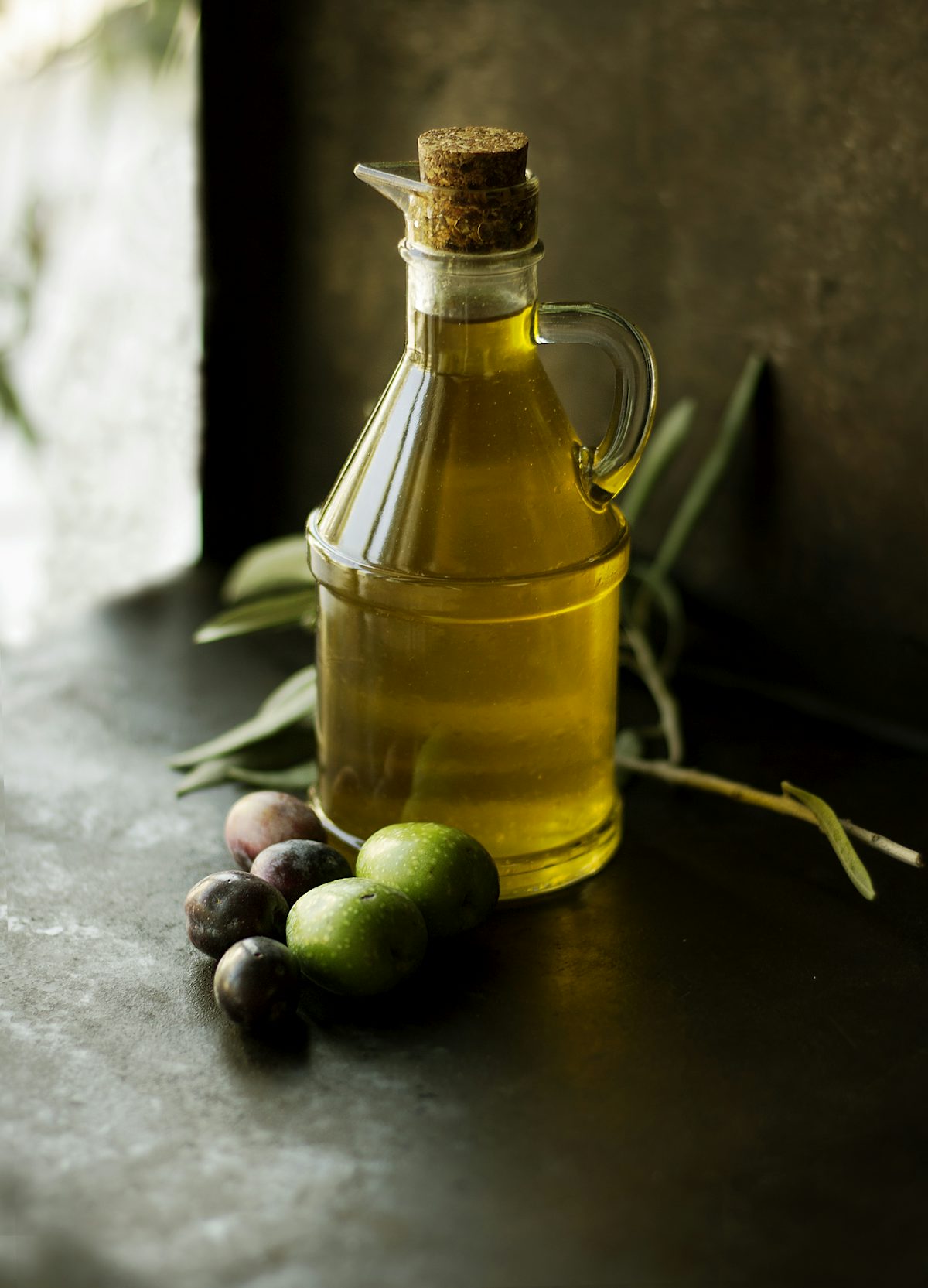
Olive Oil
The cornerstone fat of Mediterranean cooking — for finishing, dressing, and gentle heat.
Also known as: extra virgin olive oil, EVOO, Olea europaea
Overview
Olive oil is the pressed juice of the olive fruit and the defining fat of the Mediterranean table. It ranges from grassy, peppery extra virgin oils meant for finishing to milder refined oils suited to everyday cooking, and the grade on the label tells you how it was made and how best to use it.
Extra virgin olive oil (EVOO) is cold-pressed without heat or chemicals and carries the fullest flavor and aroma; 'pure' or 'light' olive oils are refined, with a higher smoke point and a neutral taste. Knowing which grade you are holding is the single biggest step toward using it well.
Culinary Uses
- Drizzled raw over finished dishes — soups, grilled vegetables, salads, and bread — where its flavor shines.
- Whisked into vinaigrettes, marinades, and emulsions such as aioli and mayonnaise.
- Used for sauteing, gentle frying, and roasting; refined grades handle higher heat while EVOO is best at moderate temperatures.
- Stirred into hummus, pesto, and dips, or used to confit garlic and vegetables slowly in the oven.
Flavor Profile
- Good extra virgin oil tastes fruity and green with a peppery catch at the back of the throat — a sign of healthy polyphenols.
- Flavor varies by olive variety and region, from buttery and mild to robust and bitter.
- Refined olive oil is neutral and clean, making it a workhorse for cooking when you do not want the oil to dominate.
Storage
- Store in a cool, dark cupboard in a tightly sealed bottle — light, heat, and air are its enemies.
- Buy tins or dark glass rather than clear bottles, and use opened oil within a few months for the best flavor.
- Do not store next to the stove; the ambient heat accelerates rancidity.
Preparation
- Taste your oil before cooking so you know whether it is delicate or robust.
- Add EVOO toward the end of cooking, or off the heat, to preserve its aroma and peppery notes.
- For frying and high-heat roasting, reach for a refined grade with a higher smoke point.
- Warm oil gently to infuse it with garlic, chili, or herbs, then cool before storing.
Nutrition
Olive oil is almost entirely fat and energy-dense, so a little goes a long way.
It is prized for being rich in monounsaturated fat and, in extra virgin form, antioxidant polyphenols.
Chiefly oleic acid, the heart-friendly fat that dominates olive oil.
A fat-soluble antioxidant that helps protect cells.
Present in modest amounts; supports normal blood clotting.
Plant compounds in extra virgin oil linked to its peppery bite and antioxidant activity.
Dietary Considerations
- Naturally vegan, vegetarian, gluten-free, and dairy-free.
- A central fat in the Mediterranean eating pattern.
- Energy-dense, so portion mindfully when managing calorie intake.
Nutrition information is educational and approximate; it varies by variety, portion, and preparation, and is not a substitute for professional dietary advice.
Common Pairings
Recipes with Olive Oil
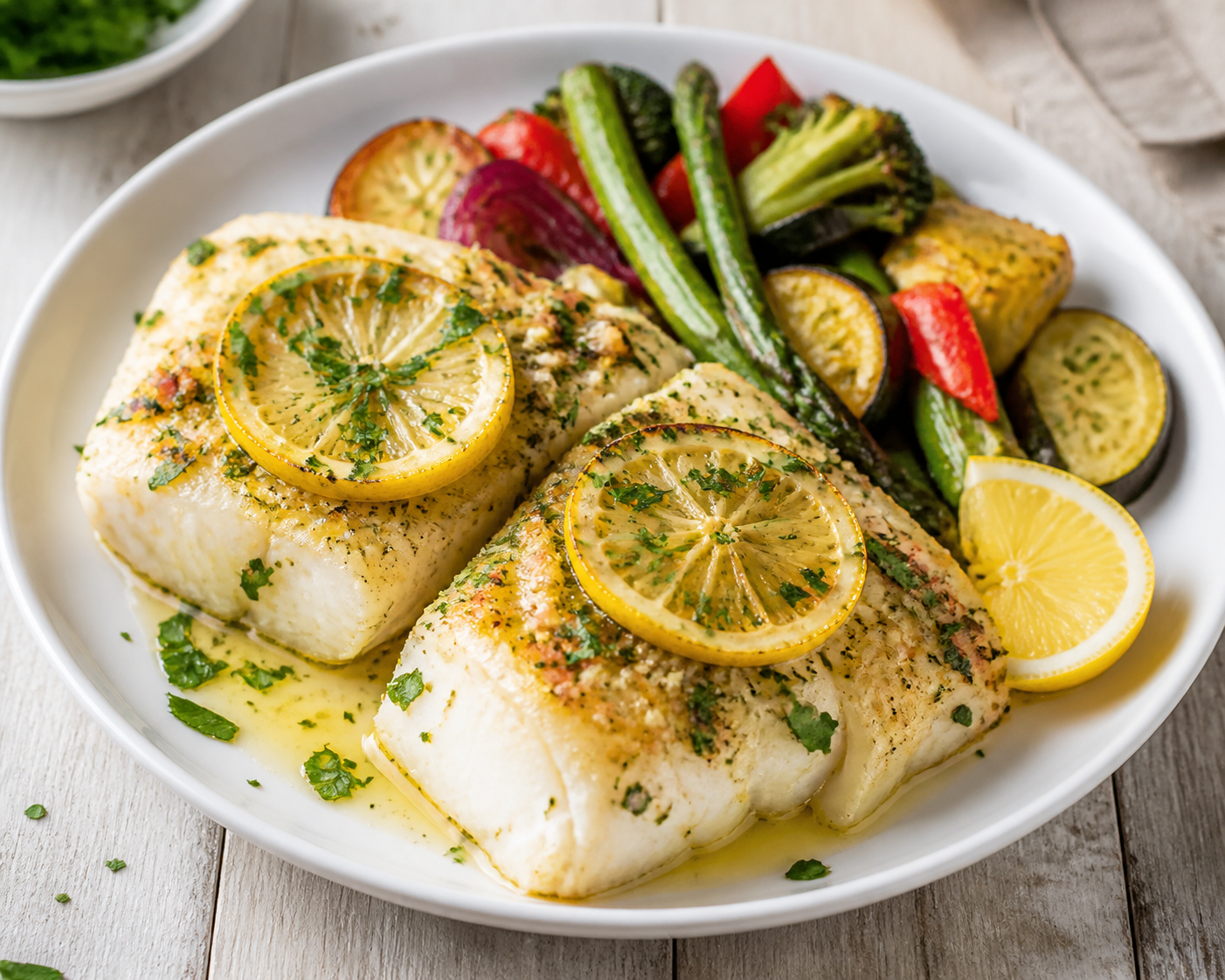
Baked Lemon Garlic Cod with Parsley
Tender cod fillets baked with bright lemon, fragrant garlic, and fresh parsley for a simple, flavorful weeknight dinner.
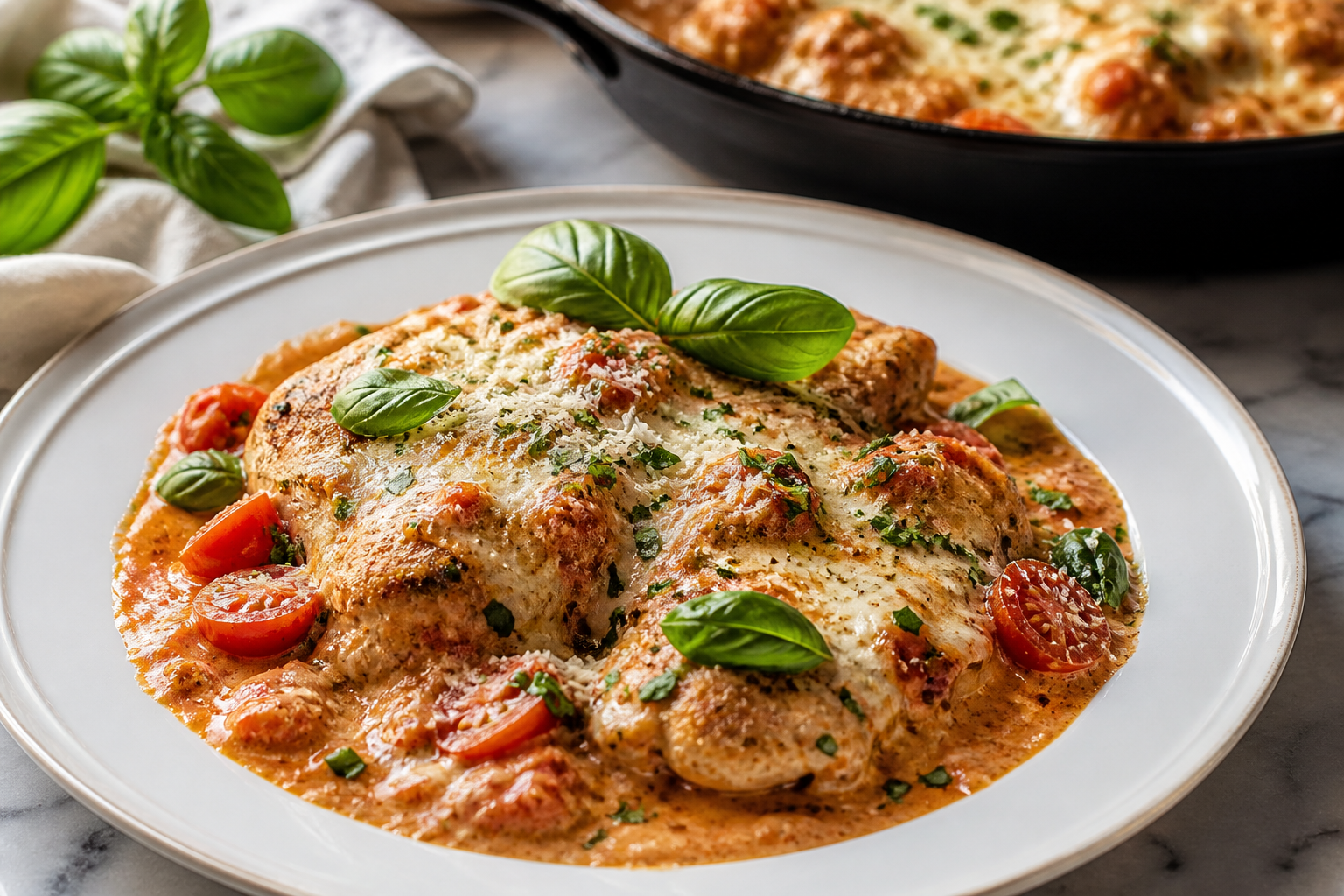
Creamy Tomato Chicken Parmesan Skillet
Tender chicken simmered in a rich tomato-alfredo sauce and finished with parmesan for a comforting, restaurant-style skillet meal.
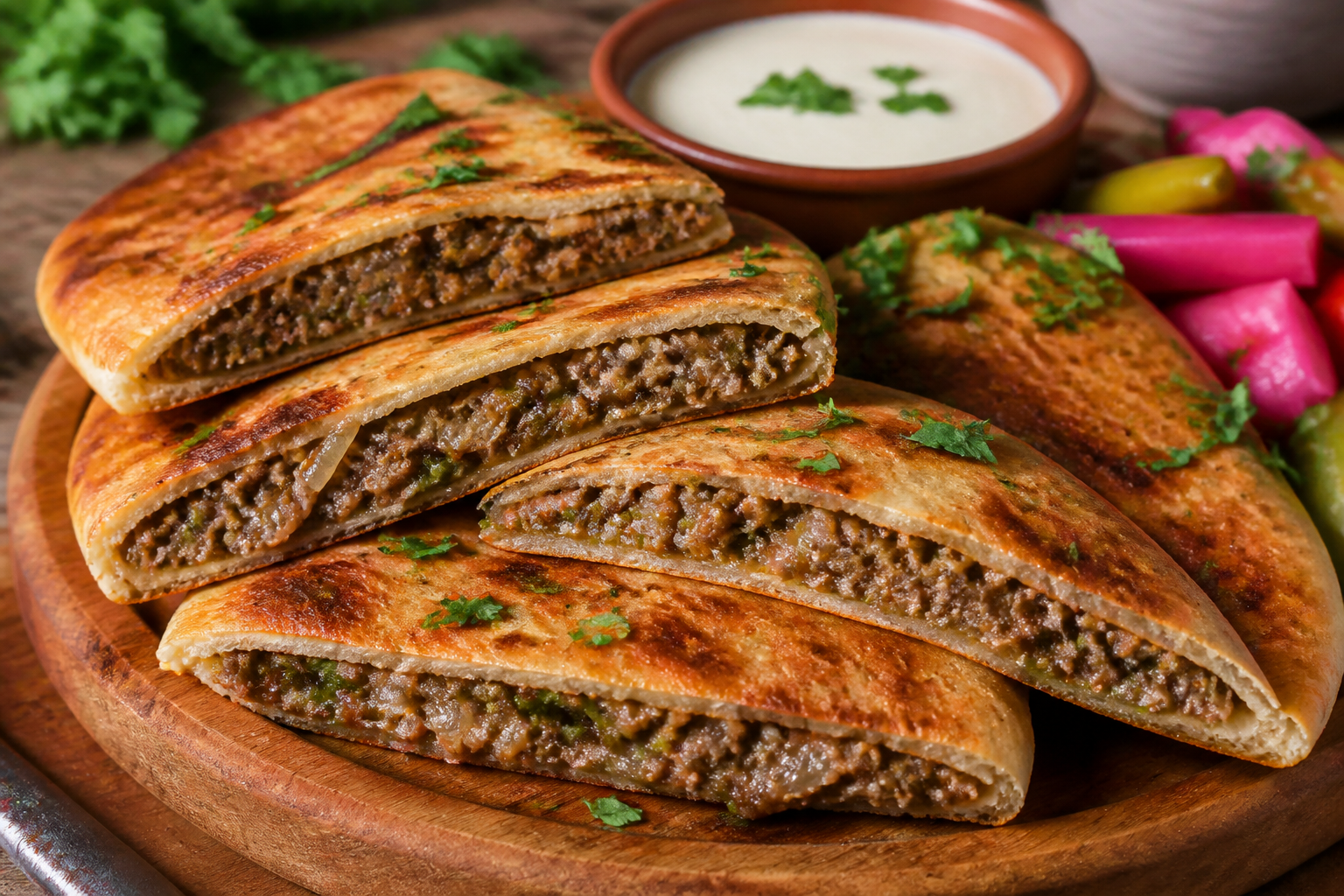
Egyptian Hawawshi
Spiced ground beef mixed with onion, pepper, and herbs, stuffed into Egyptian flatbread and baked until crisp, a popular hand-held street food bursting with savoury flavour.
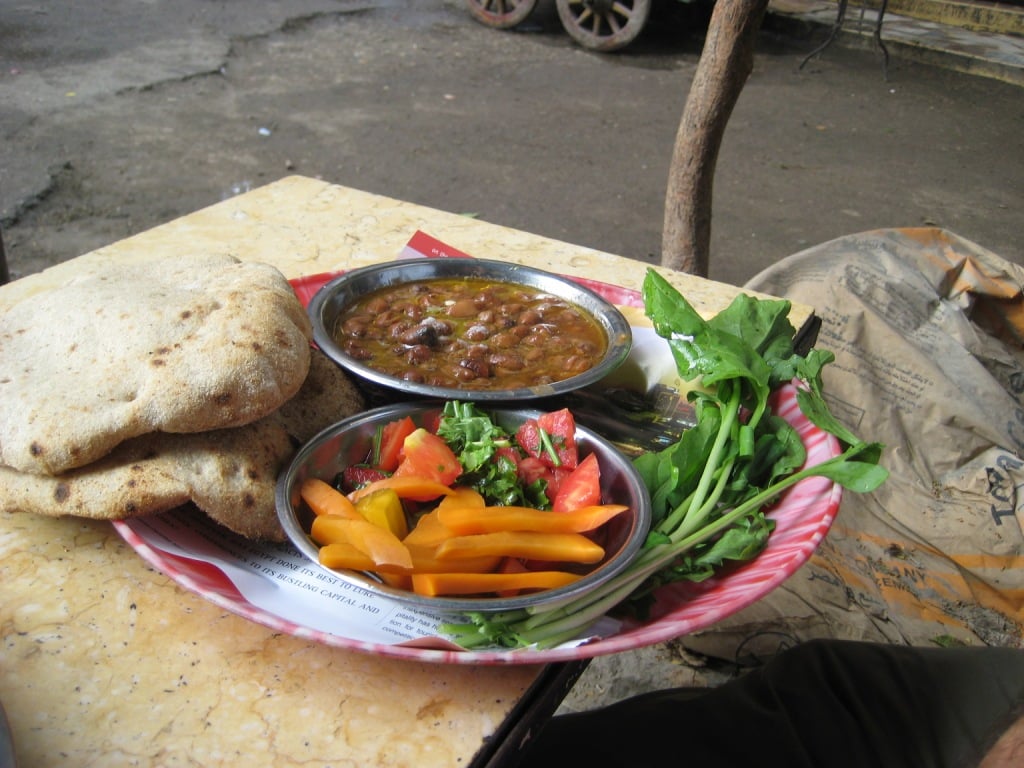
Egyptian Ful Medames
Egypt's national breakfast of slow-simmered fava beans mashed with olive oil, lemon, garlic, and cumin, hearty and protein-rich, traditionally scooped up with warm flatbread.
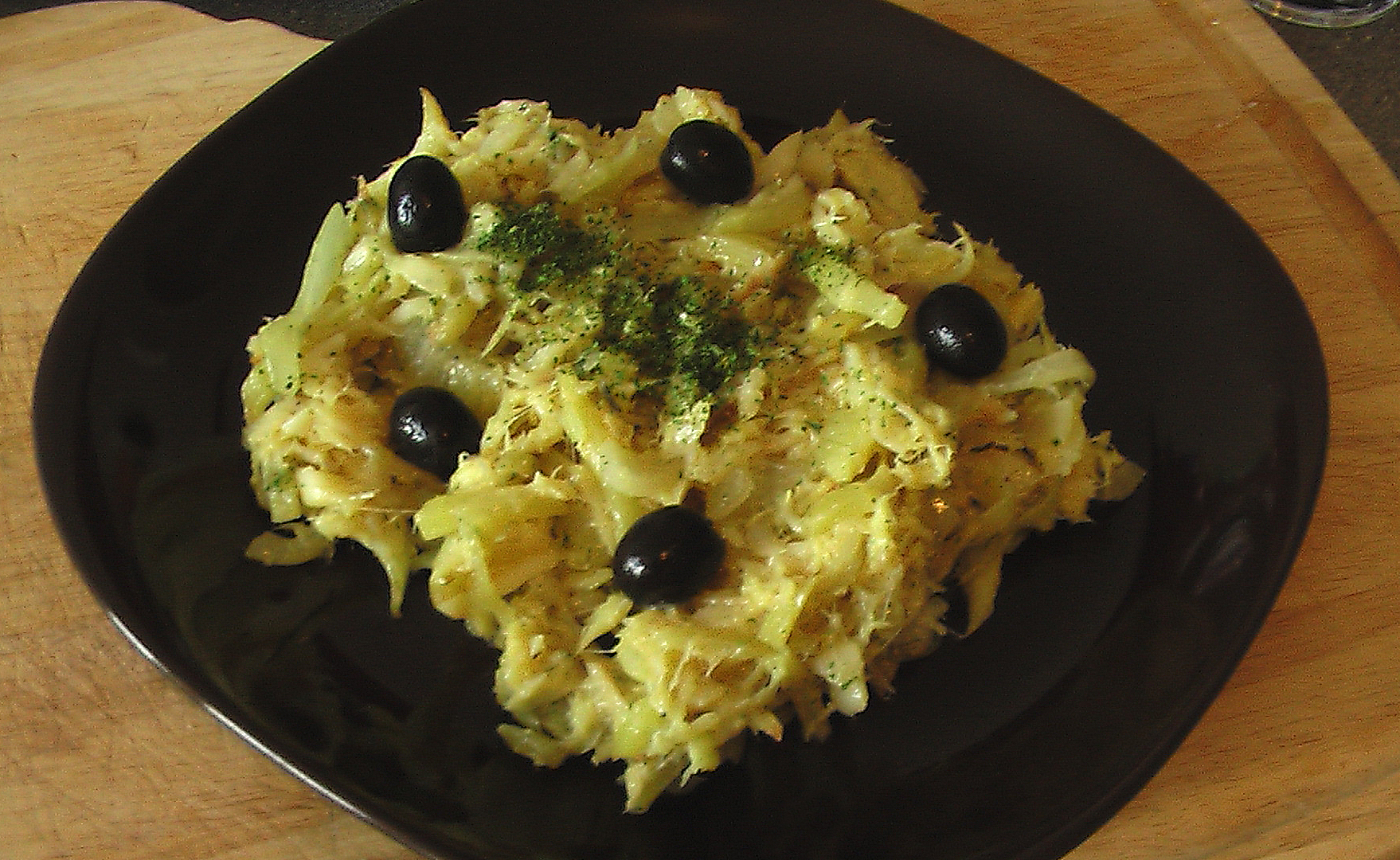
Bacalhau a Bras
A classic Portuguese dish of shredded salt cod bound with onions, matchstick potatoes, and softly scrambled eggs, finished with olives and parsley — humble ingredients turned into comfort.
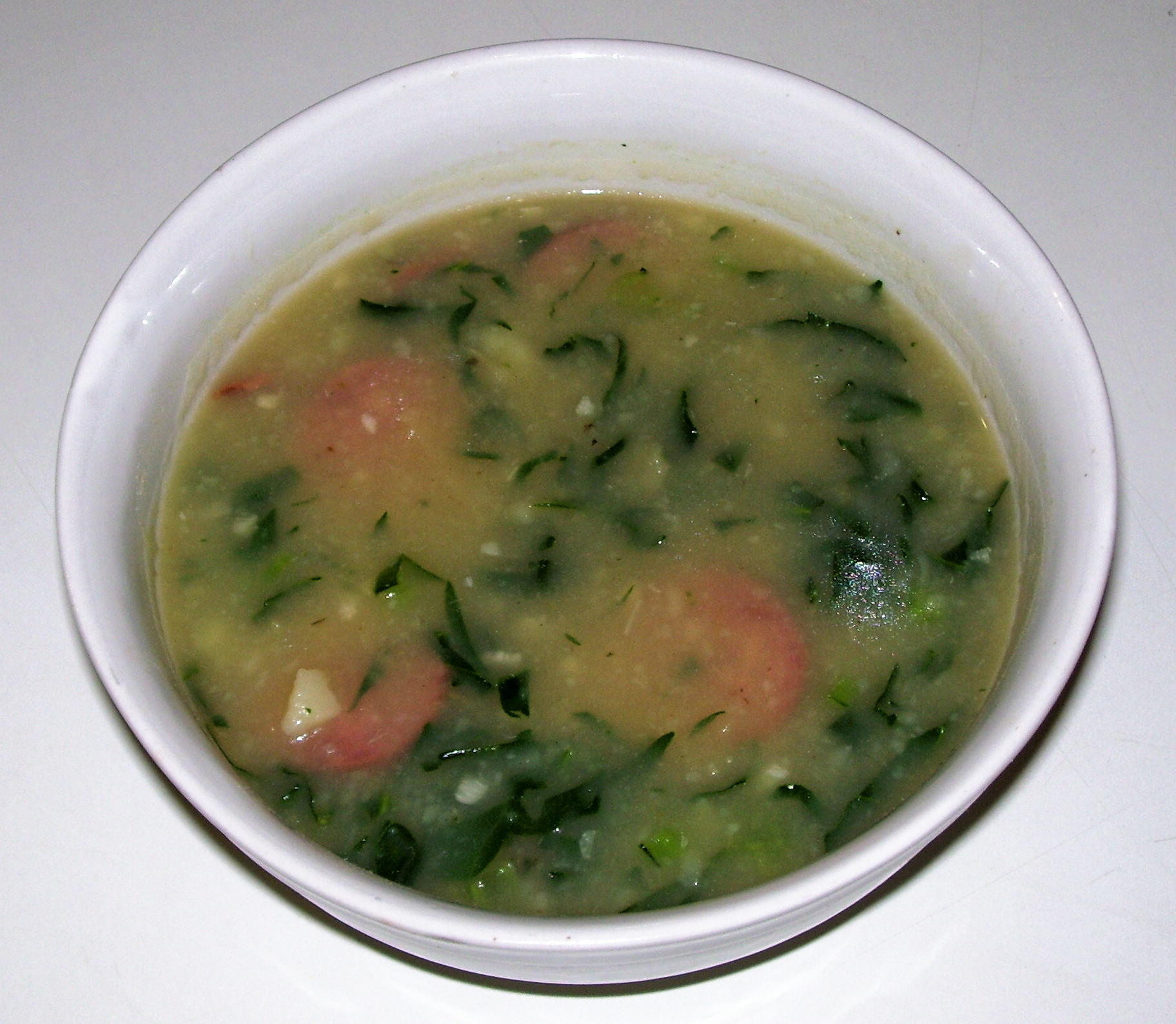
Caldo Verde
Portugal's beloved green soup — a silky potato base brightened with finely shredded collard or kale and enriched with slices of smoky chourico. Simple, warming, and deeply comforting.
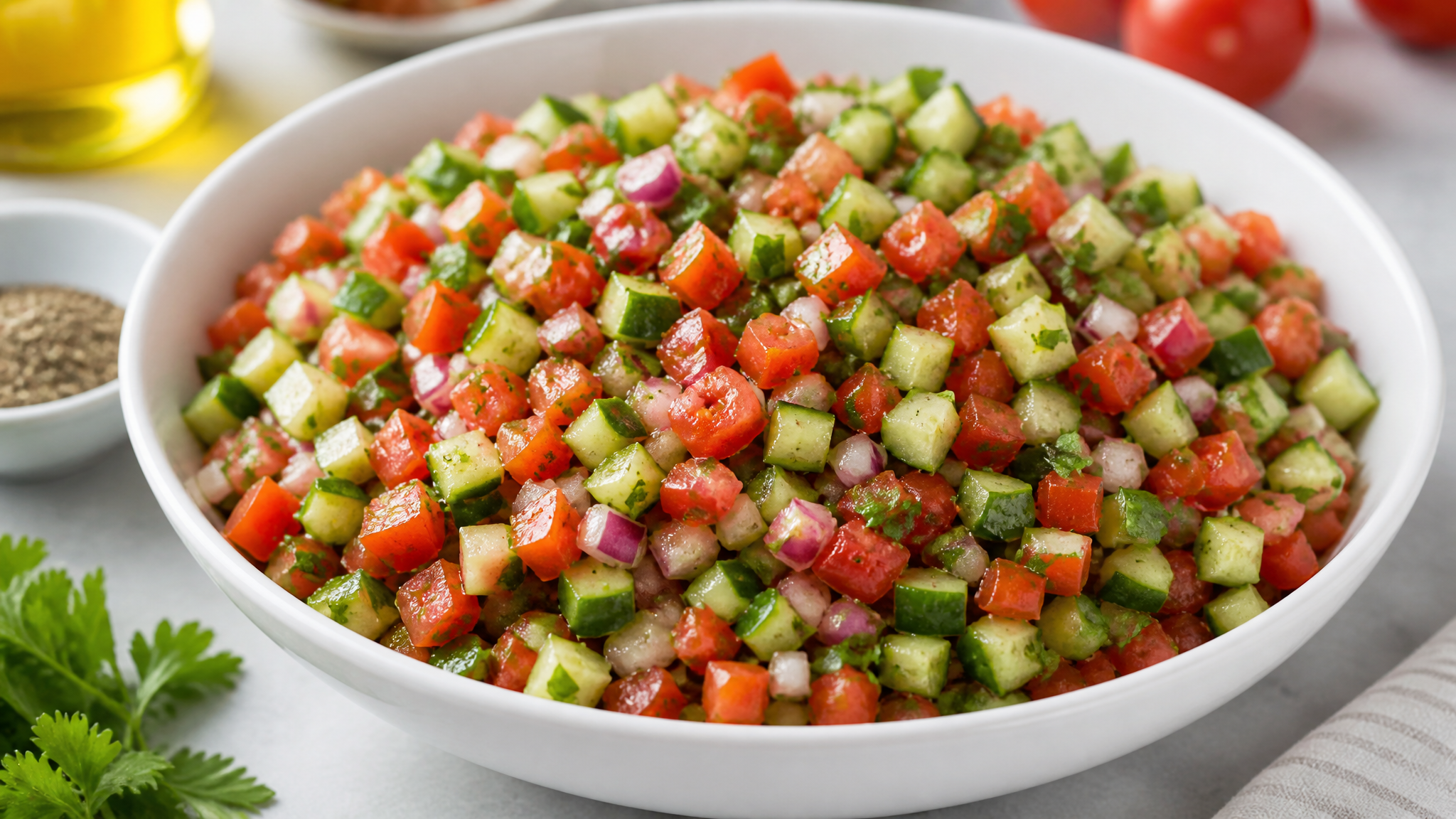
Israeli Chopped Salad
The fresh, finely diced salad found on nearly every Israeli table — cucumbers and tomatoes with herbs, lemon, and olive oil, crisp and bright enough to serve with any meal or at breakfast.

Sabich
A beloved Israeli pita sandwich layering fried eggplant, hard-boiled egg, hummus, Israeli salad, and tahini with a bright hit of amba — a satisfying vegetarian street-food favorite.
Explore Related Cuisines
Related Ingredients
Cooking Guides You May Like
Understanding Cooking Methods: Dry Heat, Moist Heat, and More
Every cooking method changes texture and flavor in a specific way. Knowing which to choose is the key to cooking anything well.
Essential Kitchen Skills Every Home Cook Should Know
A short list of fundamental skills will do more for your cooking than any gadget. Here are the ones that matter most.