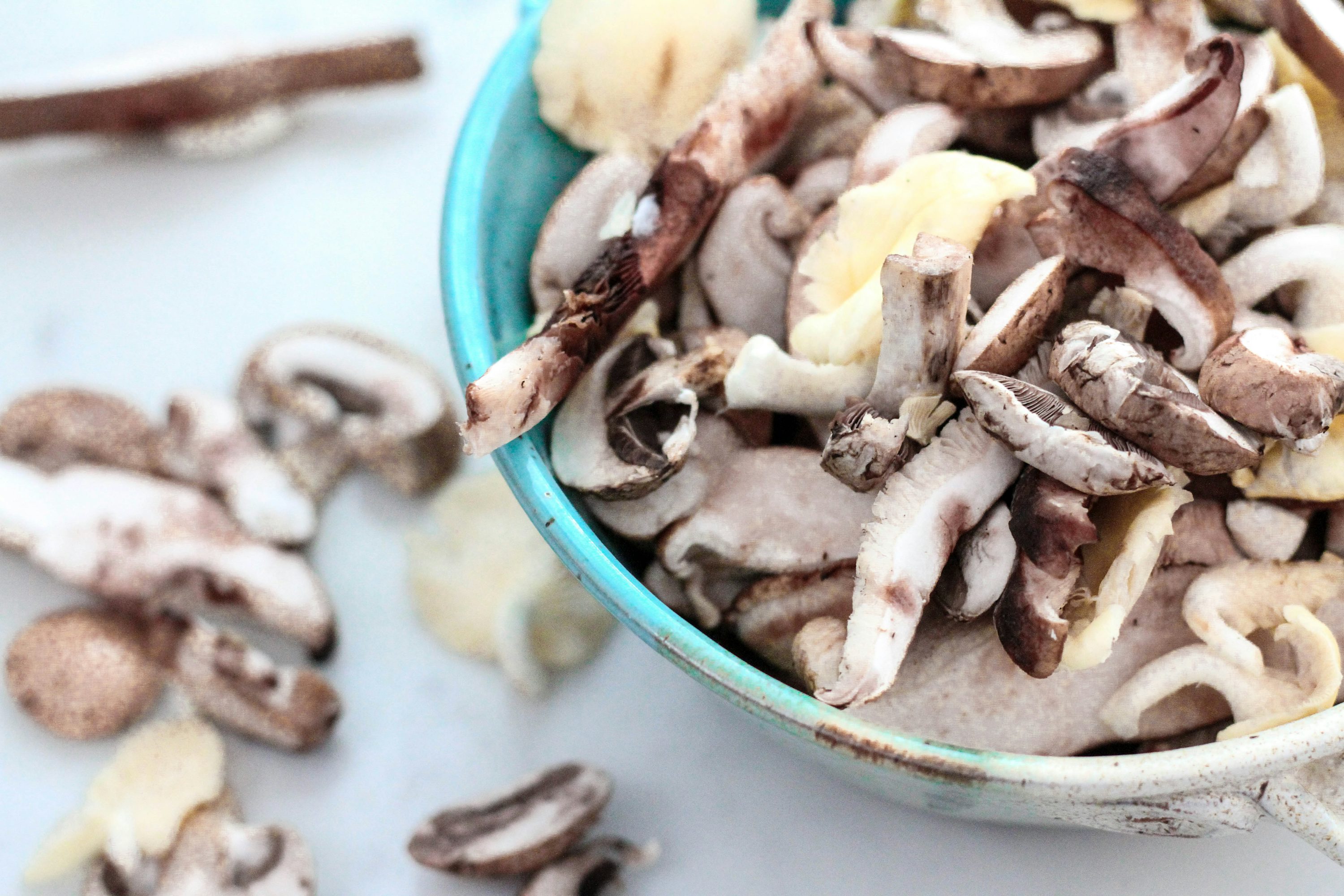
Mushrooms
Meaty, savory fungi that bring deep umami to any dish.
Also known as: button mushroom, cremini, white mushroom, portobello, champignon
Overview
Mushrooms are savory, meaty fungi valued for the deep umami they add to cooking. Everyday white and cremini (baby bella) mushrooms are mild and versatile, while portobellos are large enough to grill like a steak and wild varieties bring intense, earthy character.
They are made mostly of water, so the secret to great mushrooms is high heat and patience: cook them undisturbed until the moisture releases and evaporates, then let them brown for concentrated, nutty flavor. That savory depth makes them a favorite in plant-forward cooking as a stand-in for meat.
Culinary Uses
- Sautéed until browned as a side or a topping for steak and toast.
- Simmered into soups, stews, risotto, and pasta sauces.
- Grilled or roasted whole, with portobellos used as meat-free “steaks” or buns.
- Stuffed, or chopped fine as a savory base for burgers and ragù.
Flavor Profile
- Earthy, savory, and rich in umami, deepening as they brown.
- Mild and delicate raw; nutty and concentrated once cooked.
- Wild varieties taste more intense and woodsy than cultivated ones.
Storage
- Refrigerate in a paper bag, which absorbs moisture and prevents sliminess.
- Avoid sealing in plastic, which traps humidity and speeds spoilage.
- Use within about a week; cooked mushrooms keep a few days refrigerated.
Preparation
- Wipe clean or rinse briefly and dry — avoid long soaking, as they absorb water.
- Trim tough stem ends; slice, quarter, or leave whole by size.
- Cook in a hot, uncrowded pan so they brown rather than steam.
Nutrition
Mushrooms are very low in calories and provide B vitamins and minerals.
They are one of the few plant sources that can provide vitamin D when exposed to light.
Including riboflavin, niacin, and pantothenic acid.
An antioxidant mineral supporting immunity.
Helps regulate fluid balance and blood pressure.
Present in light-exposed mushrooms.
Dietary Considerations
- Naturally vegan, vegetarian, gluten-free, and very low in calories.
- A popular meat substitute thanks to their savory, umami-rich taste.
- Only eat cultivated or reliably identified mushrooms — never forage without expertise.
Nutrition information is educational and approximate; it varies by variety, portion, and preparation, and is not a substitute for professional dietary advice.
Common Pairings
Recipes with Mushrooms
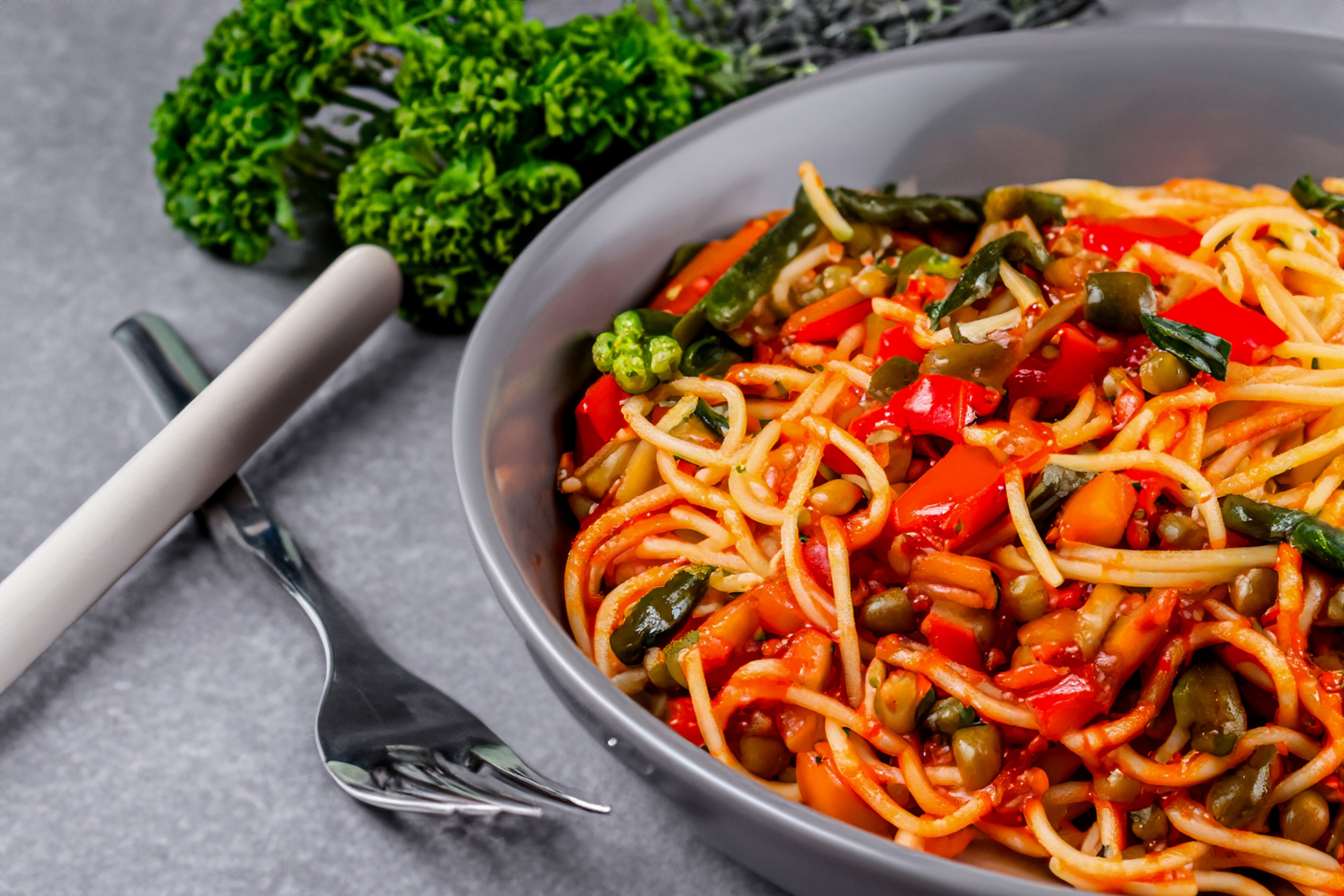
High-Protein Lentil Bolognese
A rich, meat-free Bolognese where brown lentils and mushrooms deliver deep savory flavor and plenty of protein — a batch-friendly vegan sauce for any pasta.
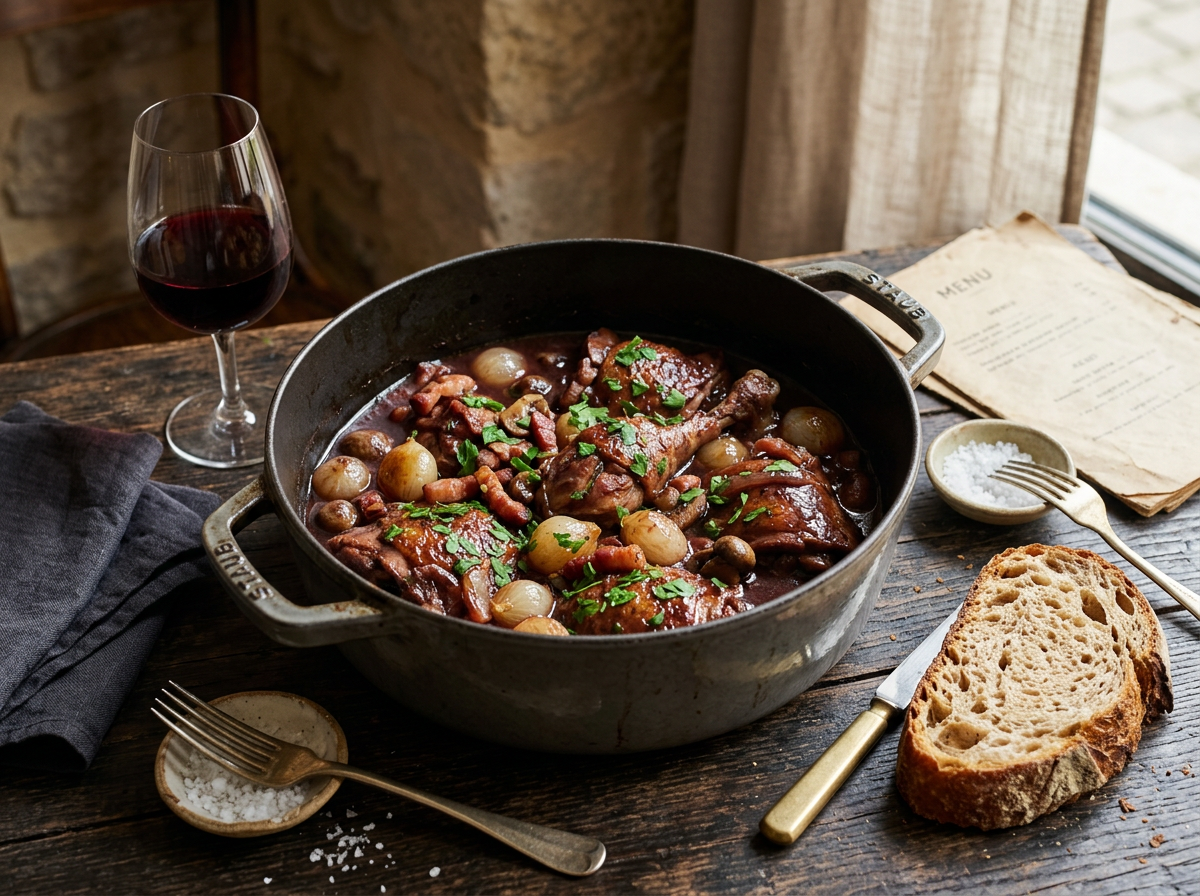
Coq au Vin
Chicken braised in red wine with bacon lardons, pearl onions, and mushrooms — rustic French comfort at its finest.
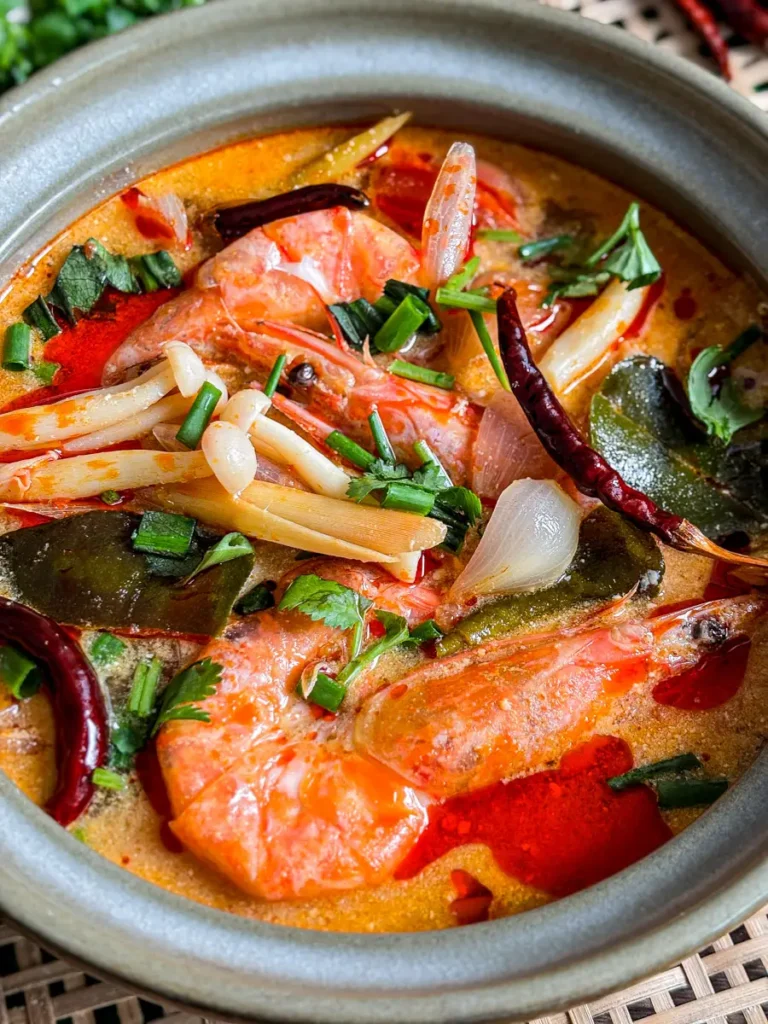
Tom Yum Soup
A hot-and-sour lemongrass broth with shrimp, mushrooms, and lime — bright, bracing, and restorative.
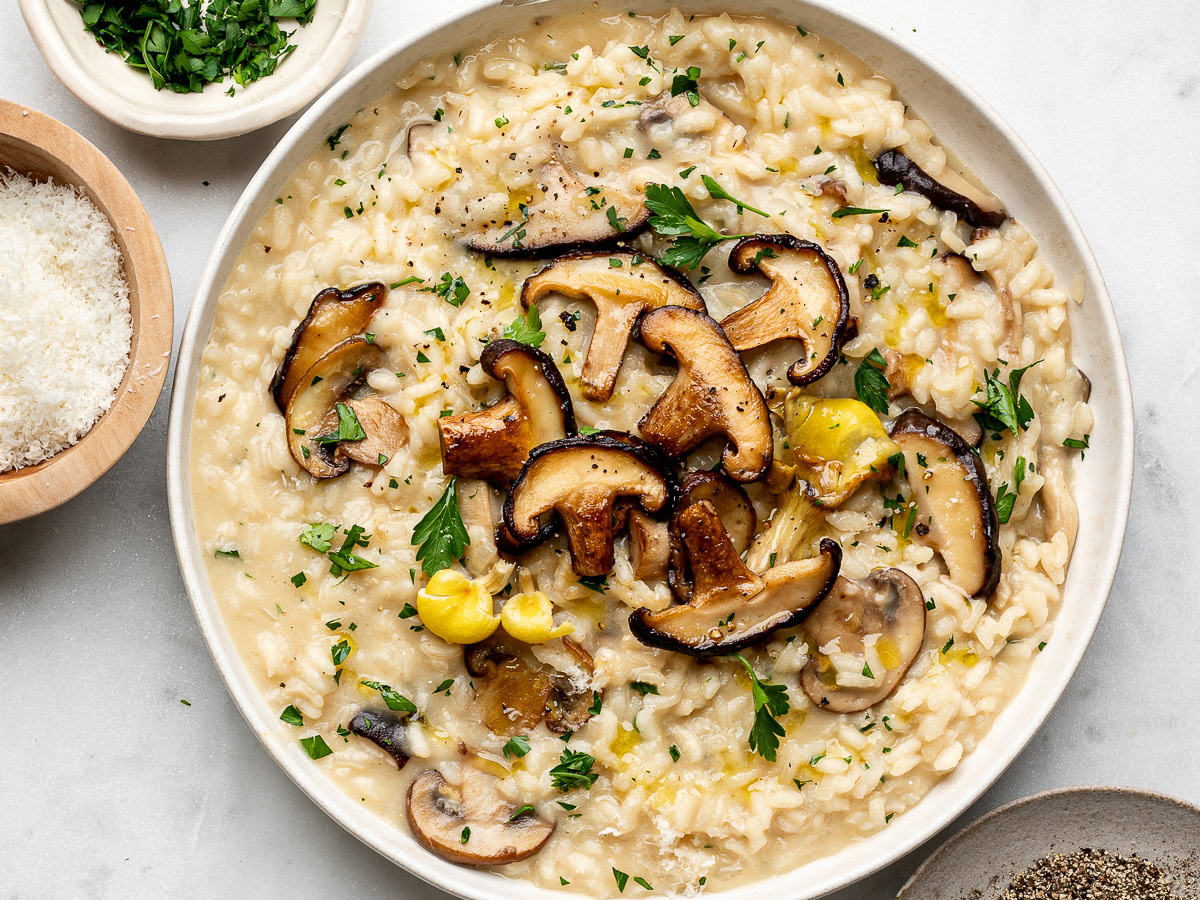
Creamy Mushroom Risotto
Arborio rice slowly simmered with white wine and stock until luxuriously creamy, finished with earthy mushrooms and Parmesan.
Explore Related Cuisines
Related Ingredients
Cooking Guides You May Like
Understanding Cooking Methods: Dry Heat, Moist Heat, and More
Every cooking method changes texture and flavor in a specific way. Knowing which to choose is the key to cooking anything well.
A Beginner's Guide to Healthy Cooking
Healthy cooking is less about strict rules and more about a handful of repeatable habits. Here is where to start.
Building Balanced Meals: A Simple Framework
You do not need to count anything to eat well. A simple visual framework does the work for you.