Pasta
Italy's greatest culinary export — hundreds of shapes, each designed for a specific sauce.
Also known as: spaghetti, penne, fusilli, linguine, fettuccine, rigatoni, macaroni
Overview
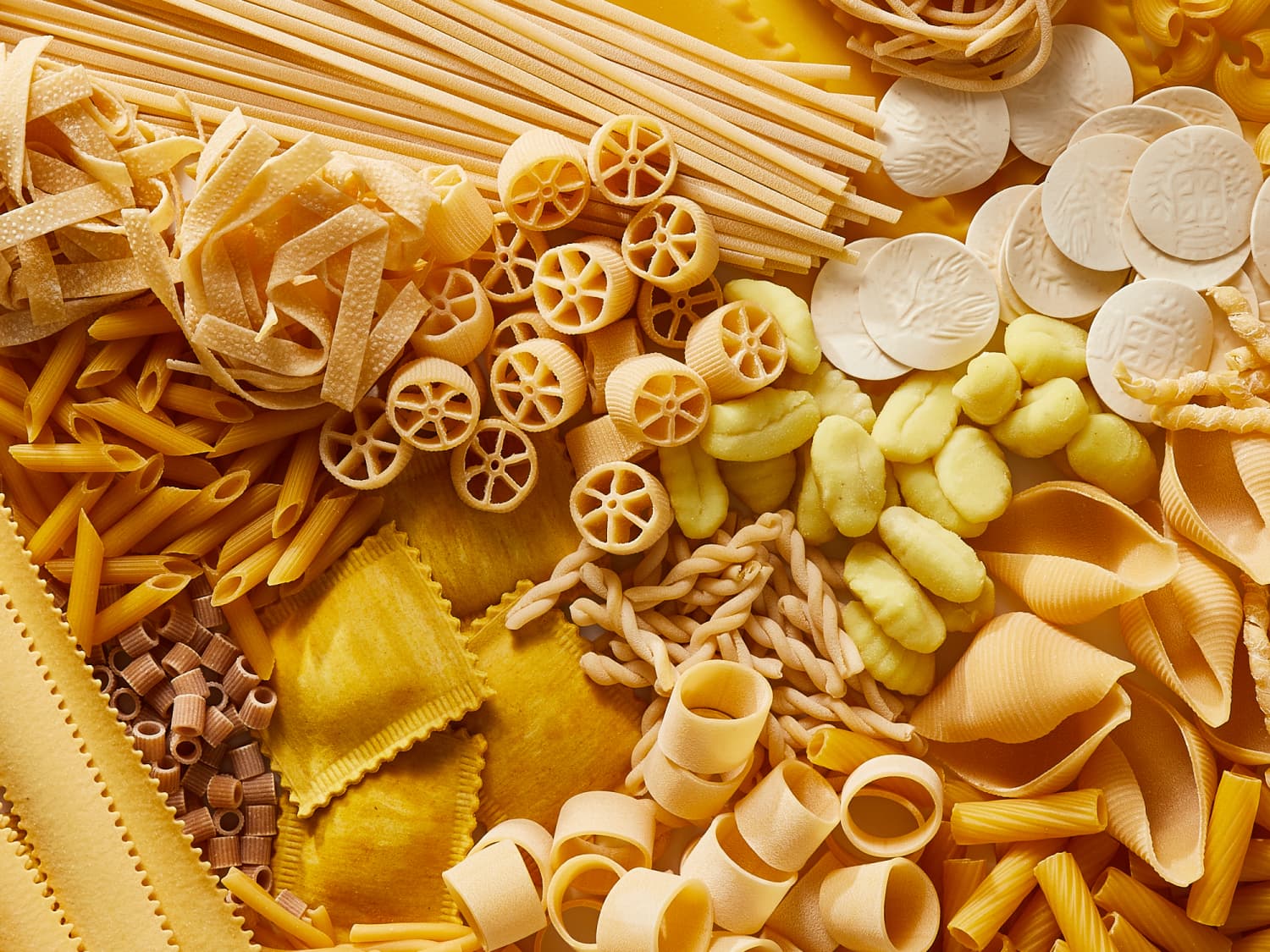
Pasta is one of the world's most beloved staple foods, with over 350 recognized shapes produced in Italy alone. The art of pasta is not just in the dough but in matching shapes to sauces: tubes and ridges catch chunky sauces, long strands suit oil-based and cream sauces, and tiny shapes work in soups.
Dried pasta (made from durum wheat semolina and water) and fresh pasta (made with soft wheat flour, eggs, and sometimes olive oil) are fundamentally different products with different textures, cooking times, and ideal sauces.
Culinary Uses
- Boiled and tossed with sauce — from simple aglio e olio to complex ragus.
- Baked in casseroles: lasagna, baked ziti, mac and cheese.
- Served in soups: minestrone, pastina, tortellini in brodo.
- Fresh pasta rolled and filled: ravioli, tortellini, agnolotti.
Flavor Profile
- Dried pasta has a nutty, wheaty flavor from durum semolina; fresh pasta is richer and more tender from the eggs.
- Good pasta should taste of wheat, not just be a neutral vehicle — quality matters.
- Bronze-die-cut pasta has a rough surface that holds sauce better than smooth, Teflon-extruded versions.
Storage
- Dried pasta keeps in a sealed container in a cool, dry pantry for 1-2 years.
- Fresh pasta refrigerates for 2-3 days or freezes for up to 2 months.
- Cooked pasta should be tossed with a little oil to prevent sticking and refrigerated for up to 3 days.
Preparation
- Use a large pot with plenty of boiling, well-salted water (the water should taste like the sea).
- Cook to al dente — firm to the bite with a thin white line visible when you cut a piece in half.
- Reserve a cup of starchy pasta water before draining — it emulsifies and thickens sauces beautifully.
- Never rinse pasta after draining (except for cold pasta salads) — the starch on the surface helps sauce adhere.
Nutrition
Pasta is primarily a carbohydrate source, providing sustained energy. It has a moderate glycemic index when cooked al dente.
Whole wheat pasta offers more fiber, protein, and micronutrients than refined white pasta.
The primary energy source — about 75g per 100g dried.
Durum wheat pasta contains 12-14g protein per 100g dried.
Thiamine, niacin, and folate are typically added.
Added during enrichment in many countries.
Dietary Considerations
- Contains gluten — not suitable for celiac disease. Gluten-free alternatives (rice, corn, chickpea, lentil pasta) are widely available.
- Whole wheat pasta is preferable for sustained energy and fiber intake.
- Portion control matters — standard serving is 2 oz (56g) dried, which yields about 1 cup cooked.
Nutrition information is educational and approximate; it varies by variety, portion, and preparation, and is not a substitute for professional dietary advice.
Common Pairings
Recipes with Pasta

Soup Joumou
Haiti's symbolic freedom soup, traditionally served on Independence Day — a rich, golden squash-based soup with beef, vegetables, and pasta, celebrating liberation and community.
Italian Pasta e Fagioli
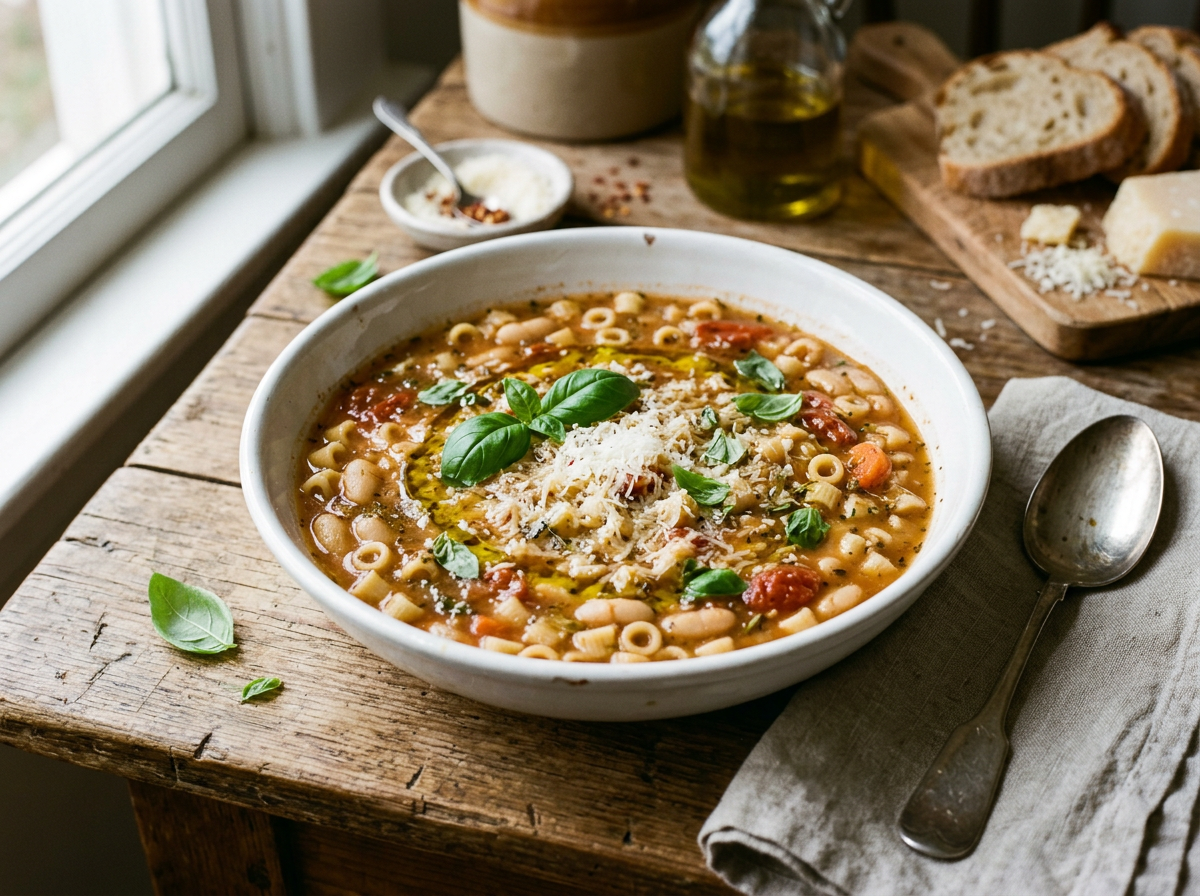
A rustic Italian pasta-and-bean soup, thick with cannellini beans, tomato, and small pasta — the ultimate cheap, cozy, protein-rich one-pot meal.
Egyptian Koshari
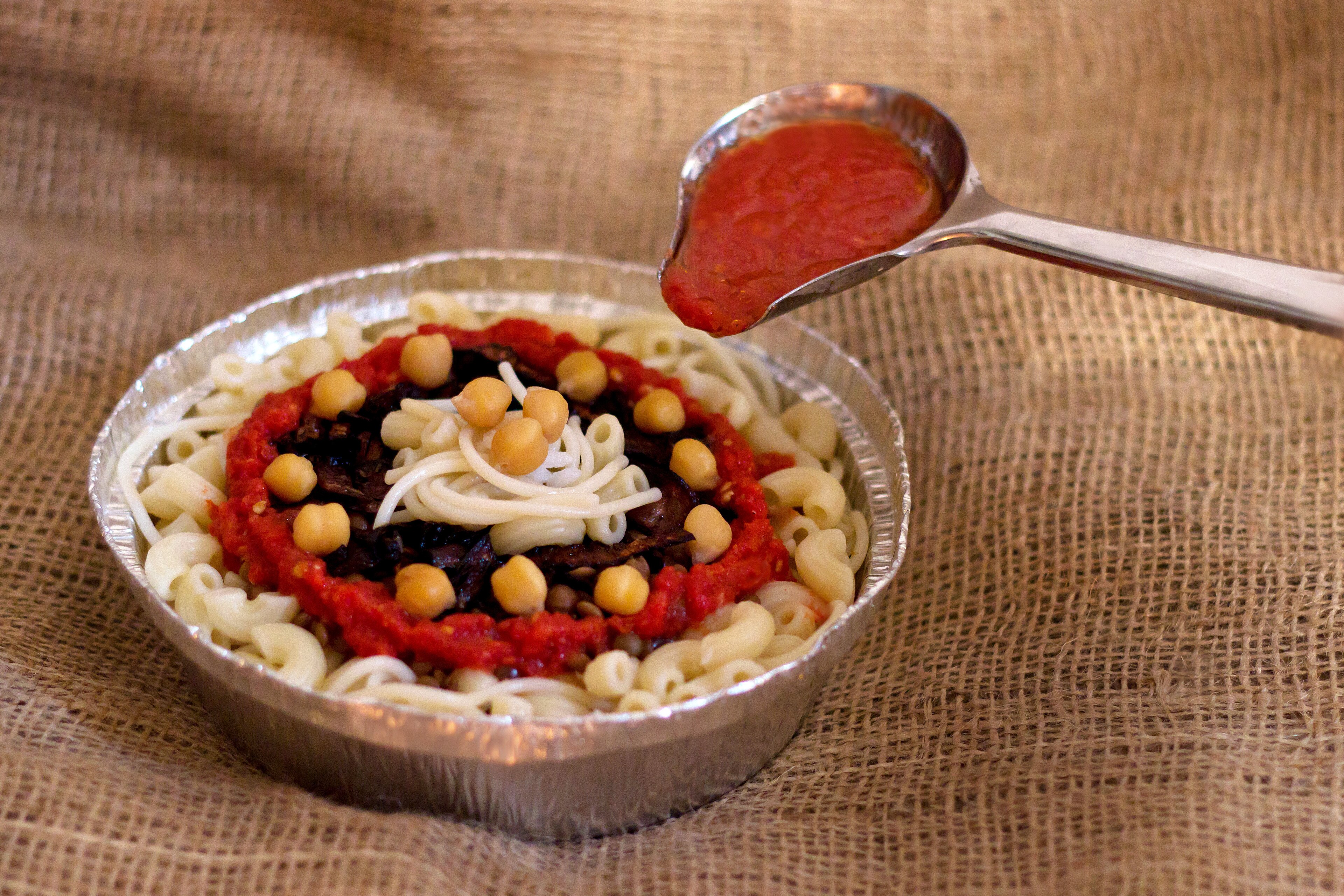
Egypt's national street food — a joyful mound of rice, lentils, and pasta topped with spiced tomato sauce and crispy fried onions. Vegan, filling, and incredibly cheap.
Creamy Tomato Pasta Bake for a Crowd
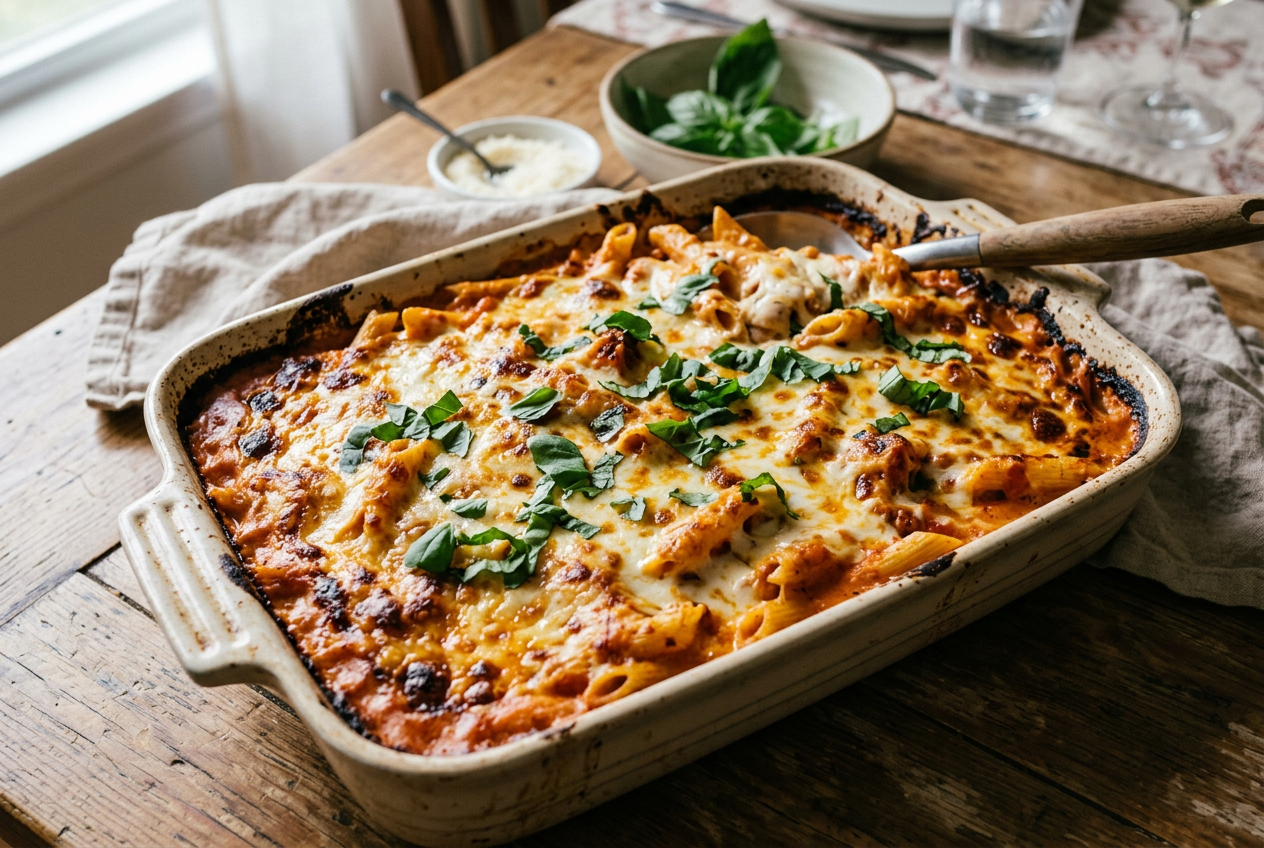
A crowd-pleasing baked pasta in a creamy tomato sauce with a golden, bubbling cheese top. Vegetarian, endlessly adaptable, and cheap to scale up — the sort of comforting family dinner that quietly feeds six with leftovers for lunch.
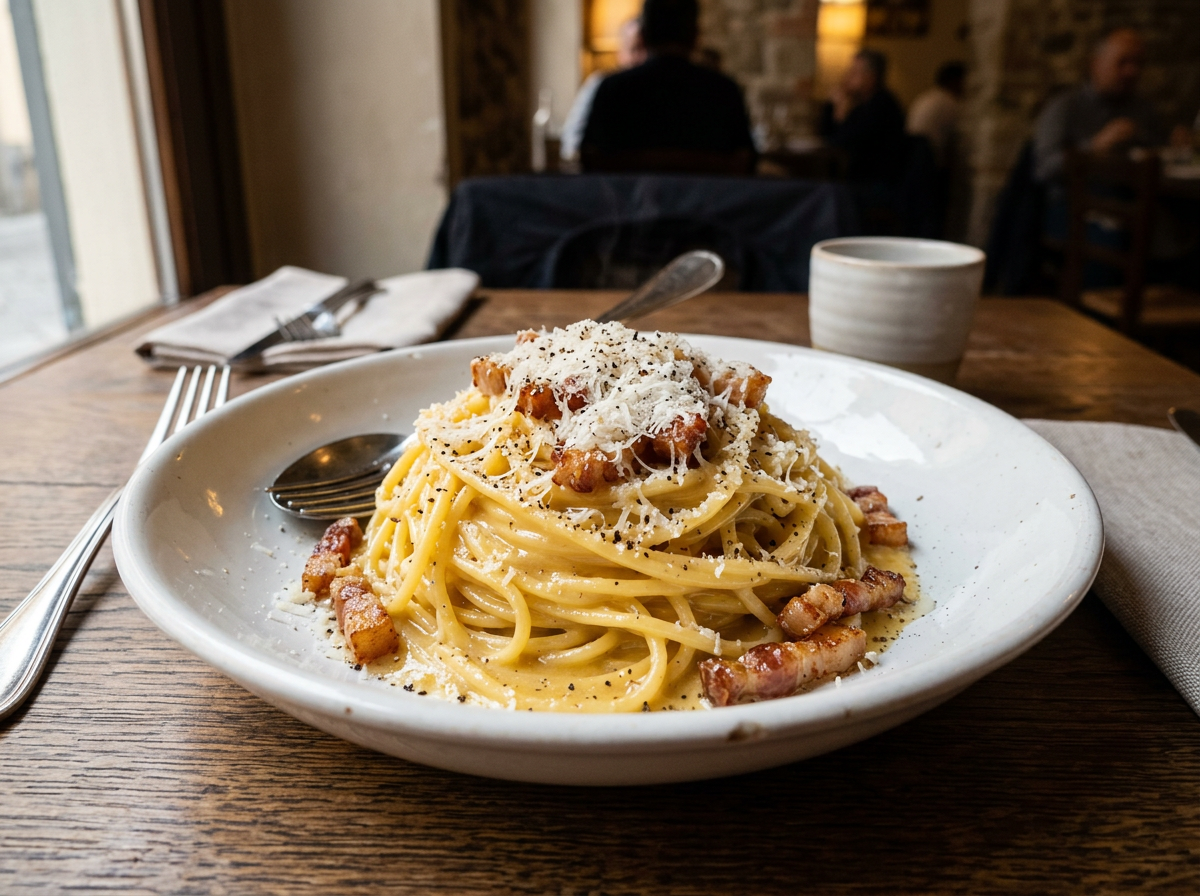
Classic Spaghetti Carbonara
A traditional Roman pasta dish with creamy egg sauce, crispy guanciale, and Pecorino Romano. Simple ingredients, extraordinary flavor.
Explore Related Cuisines
Related Ingredients
Cooking Guides You May Like
Essential Kitchen Skills Every Home Cook Should Know
A short list of fundamental skills will do more for your cooking than any gadget. Here are the ones that matter most.
How to Saute, Sear, and Pan-Fry
Most weeknight dinners happen in a hot pan. Understanding how browning works turns good ingredients into great meals.