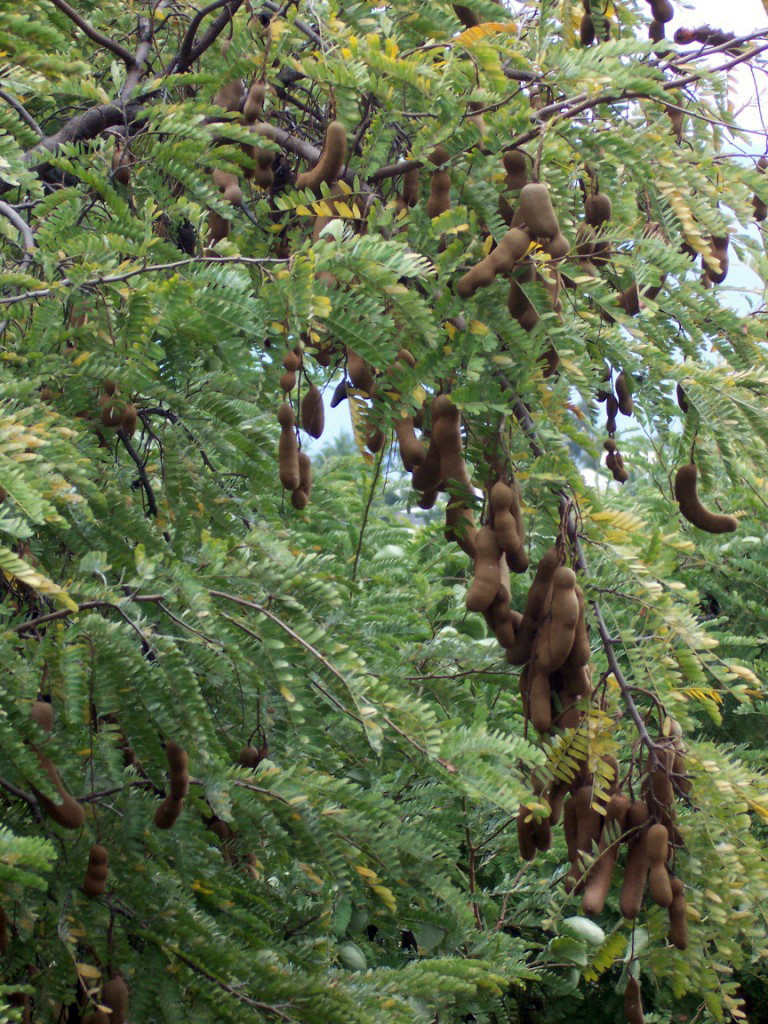
Tamarind
A sweet-sour pod pulp that gives depth and tang across the tropics.
Also known as: Tamarindus indica, tamarind paste, imli
Overview
Tamarind is the sticky pulp inside the pods of a tropical tree, prized for a flavor that is at once intensely sour and darkly sweet, with a fruity, almost date-like depth. It is sold as whole pods, compressed blocks of pulp, and ready-to-use concentrate.
Tamarind is a fundamental souring agent across South and Southeast Asian, Middle Eastern, Latin American, and Caribbean kitchens — sharpening curries and chutneys, balancing pad thai, and lending its tang to sauces, drinks, and candies.
Culinary Uses
- Dissolved into curries, dals, and sauces as a souring agent.
- Balancing sweet, salty, and spicy notes in pad thai and stir-fries.
- Blended into chutneys, marinades, and glazes.
- Sweetened into refreshing drinks and used in candies.
Flavor Profile
- Boldly sour with a deep, fruity sweetness and date-like undertones.
- More complex and rounded than lemon or vinegar.
- Concentrate is intense; a little balances a whole dish.
Storage
- Store blocks of pulp and concentrate in a cool, dark cupboard.
- Refrigerate after opening; concentrate keeps for months.
- Whole pods keep at room temperature until the shells are cracked.
Preparation
- Soak a piece of block pulp in warm water, then press through a sieve to extract the paste.
- Use ready-made concentrate straight, adjusting to taste as it is stronger.
- Add gradually and taste, since tamarind's sourness builds quickly.
Nutrition
Tamarind is used in small amounts and contributes modest calories, mostly from natural sugars.
It supplies some fiber and minerals along with its organic acids.
Present in meaningful amounts in the pulp.
Supplied by the fruit pulp.
Tartaric acid gives tamarind its signature sourness.
Dietary Considerations
- Naturally vegan, vegetarian, gluten-free, and dairy-free.
- Low in sodium; check concentrates and sauces for added sugar.
Nutrition information is educational and approximate; it varies by variety, portion, and preparation, and is not a substitute for professional dietary advice.
Common Pairings
Recipes with Tamarind
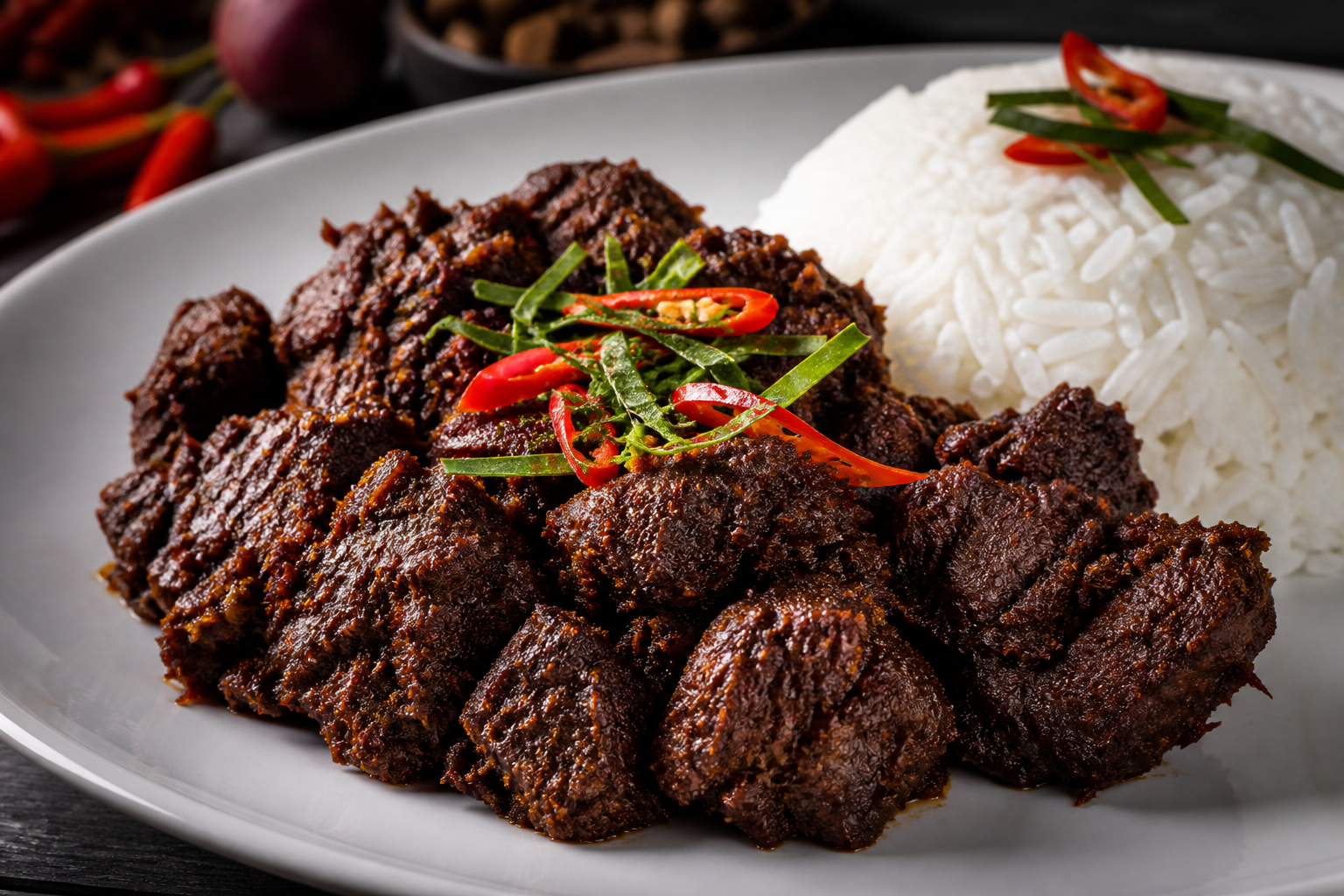
Malaysian Beef Rendang
A rich, dry-style curry of beef slow-simmered in coconut milk and a fragrant spice paste with lemongrass, galangal, and toasted coconut until intensely flavourful and tender.
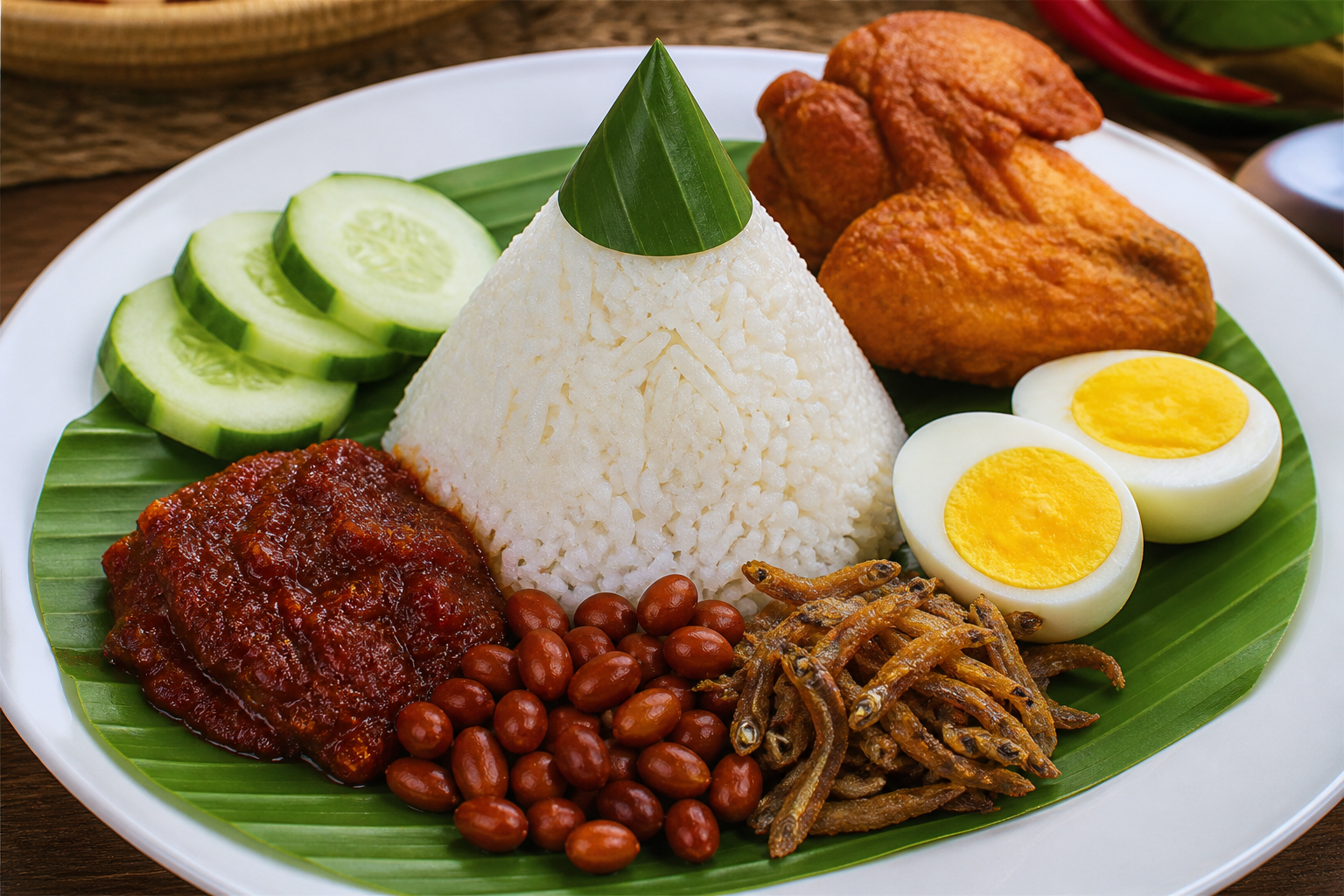
Malaysian Nasi Lemak
Malaysia's beloved national dish of fragrant coconut rice served with spicy sambal, crispy anchovies, roasted peanuts, cucumber, and boiled egg for a balanced, aromatic plate.

South Indian Tomato Rasam
A bright, peppery South Indian tomato-and-tamarind broth tempered with mustard seeds, cumin, and curry leaves — naturally vegan, soothing, and traditionally sipped or poured over steamed rice.
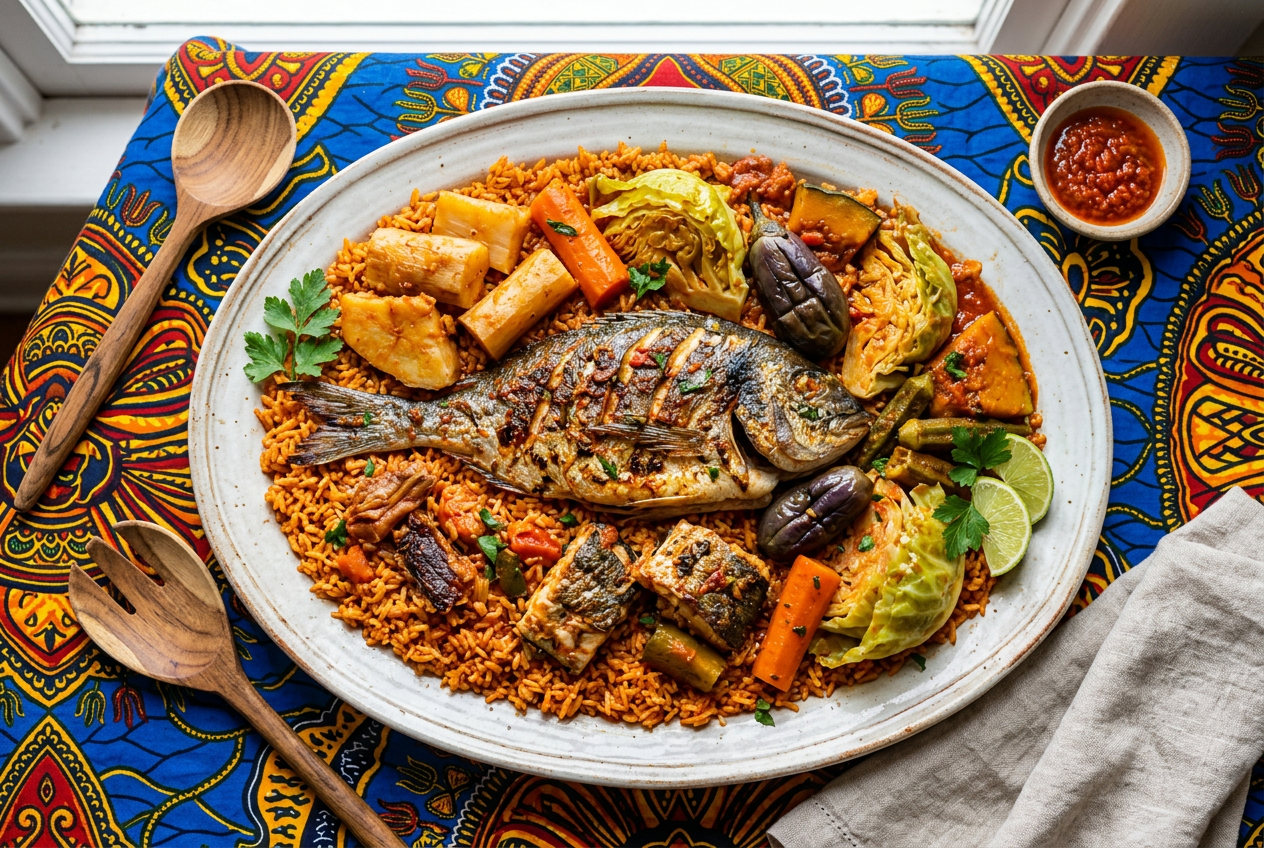
Senegalese Thieboudienne
Senegal’s national dish: seasoned fish simmered with an array of vegetables over broken rice in a rich tomato-tamarind sauce — a magnificent, budget-stretching one-pot feast.
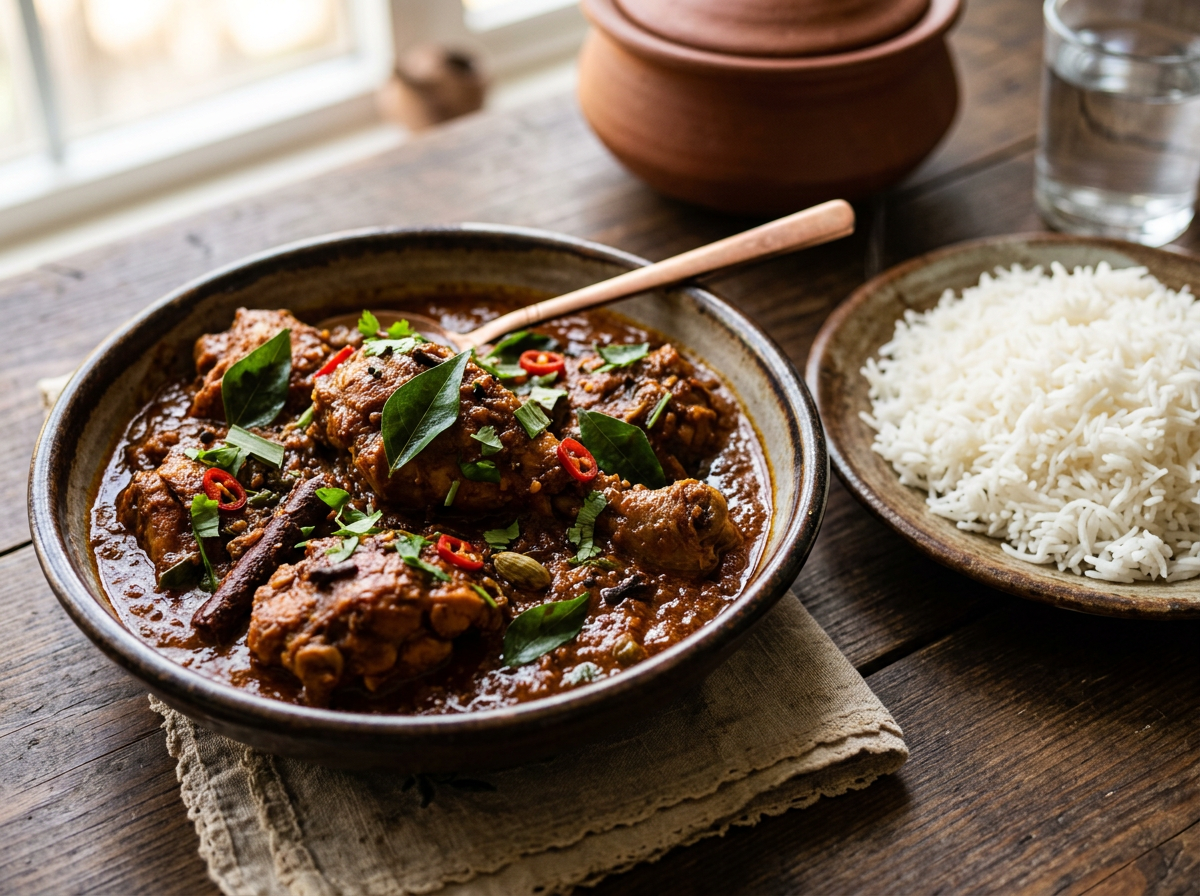
Sri Lankan Chicken Curry
A deeply aromatic island curry built on dark-roasted Sri Lankan curry powder, coconut milk, pandan, and curry leaves. Warmly spiced rather than fiery, with a rich mahogany sauce made for spooning over rice.

Filipino Sinigang na Baboy
A beloved sour pork and vegetable soup soured with tamarind, bright and comforting with a clear, tangy broth.
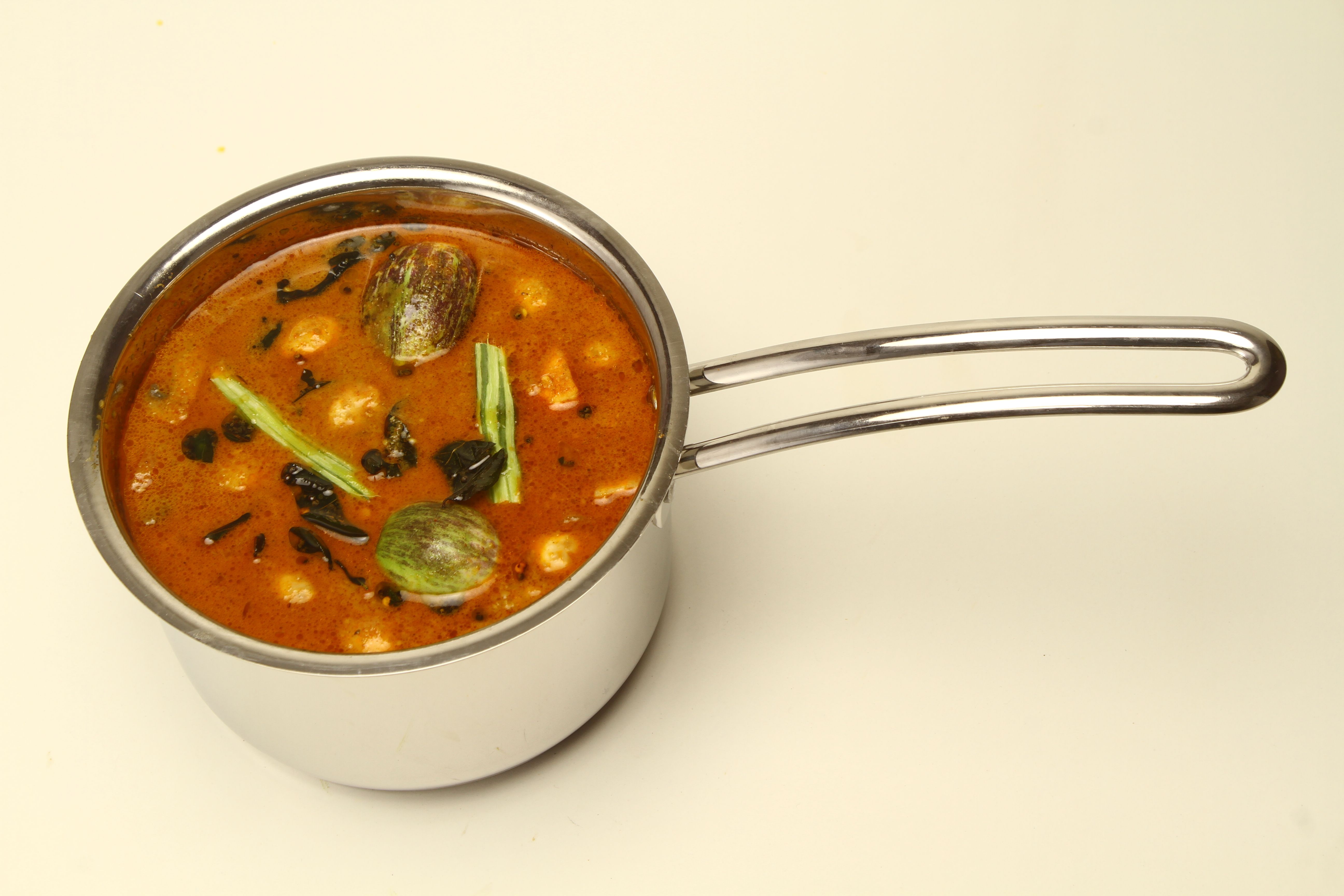
South Indian Sambar
A tangy, aromatic lentil and vegetable stew powered by tamarind and freshly ground sambar spices — the versatile backbone of a South Indian meal.
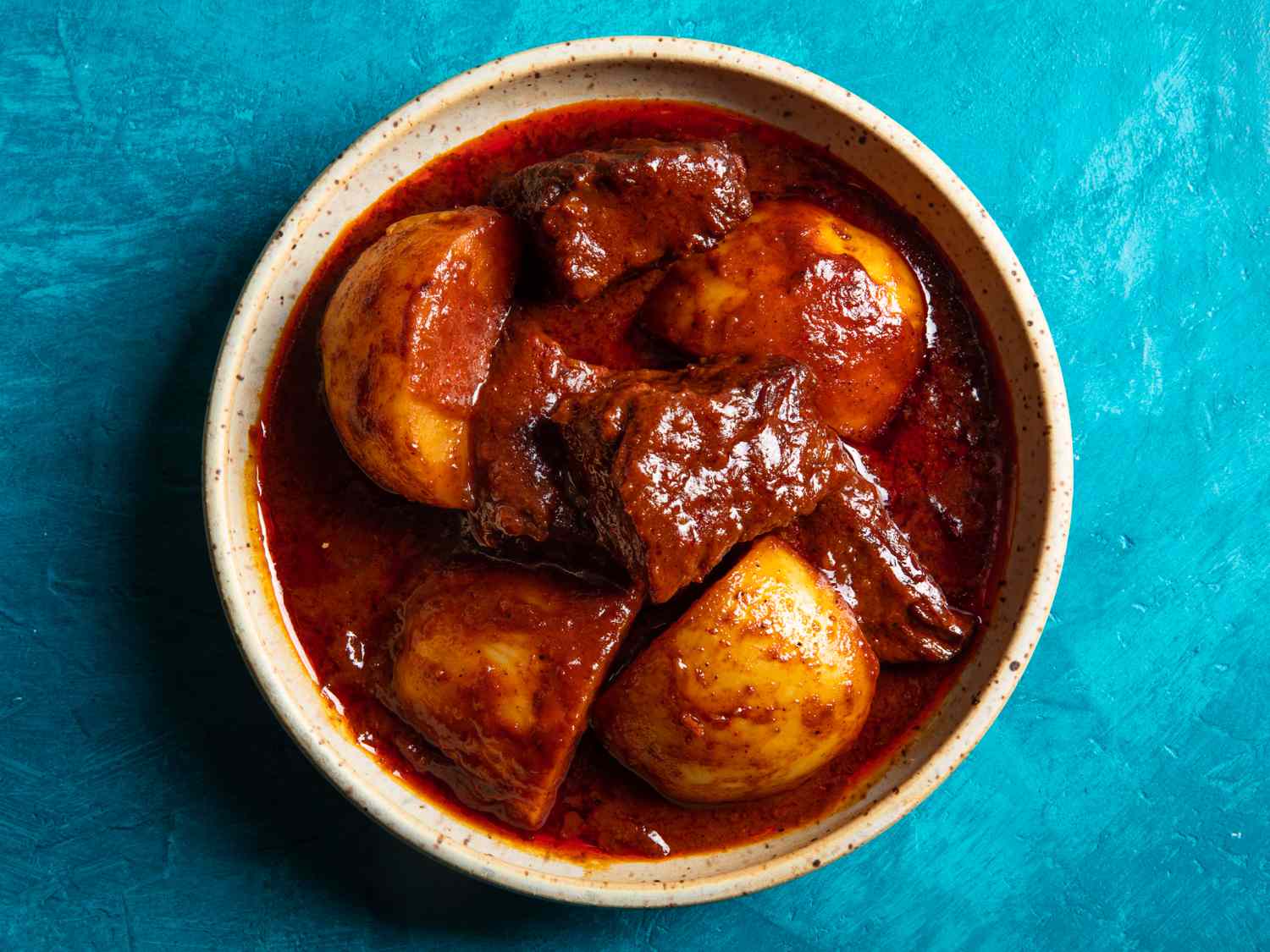
Massaman Beef Curry
A mild, aromatic curry with tender beef, potatoes, and peanuts in rich coconut and warm spices.
Explore Related Cuisines
Related Ingredients

Cooking Guides You May Like
A Guide to Southeast Asian Flavors
Southeast Asian cooking thrives on balance — salty, sour, sweet, and hot in every bite. Here is how those flavors come together.
Seasoning to Taste: Balancing Salt, Acid, Fat, and Heat
The difference between a home cook and a great one is rarely a recipe — it is knowing how to taste a dish and fix what it is missing.