The pursuit of balance
If one idea unites the diverse cuisines of Southeast Asia, it is the constant pursuit of balance. A single dish often plays salty, sour, sweet, and spicy against one another, adjusted until they sing in harmony. Fish sauce and soy provide salt and umami, lime and tamarind bring sourness, palm sugar rounds out the edges, and fresh chiles add heat. Learning to taste and adjust along these four axes is the key skill for cooking this food well.
Aromatics are equally central. Lemongrass, galangal, garlic, shallots, and ginger are pounded into fragrant pastes that form the foundation of curries and stir-fries, releasing their perfume as they hit hot oil.
Signature dishes
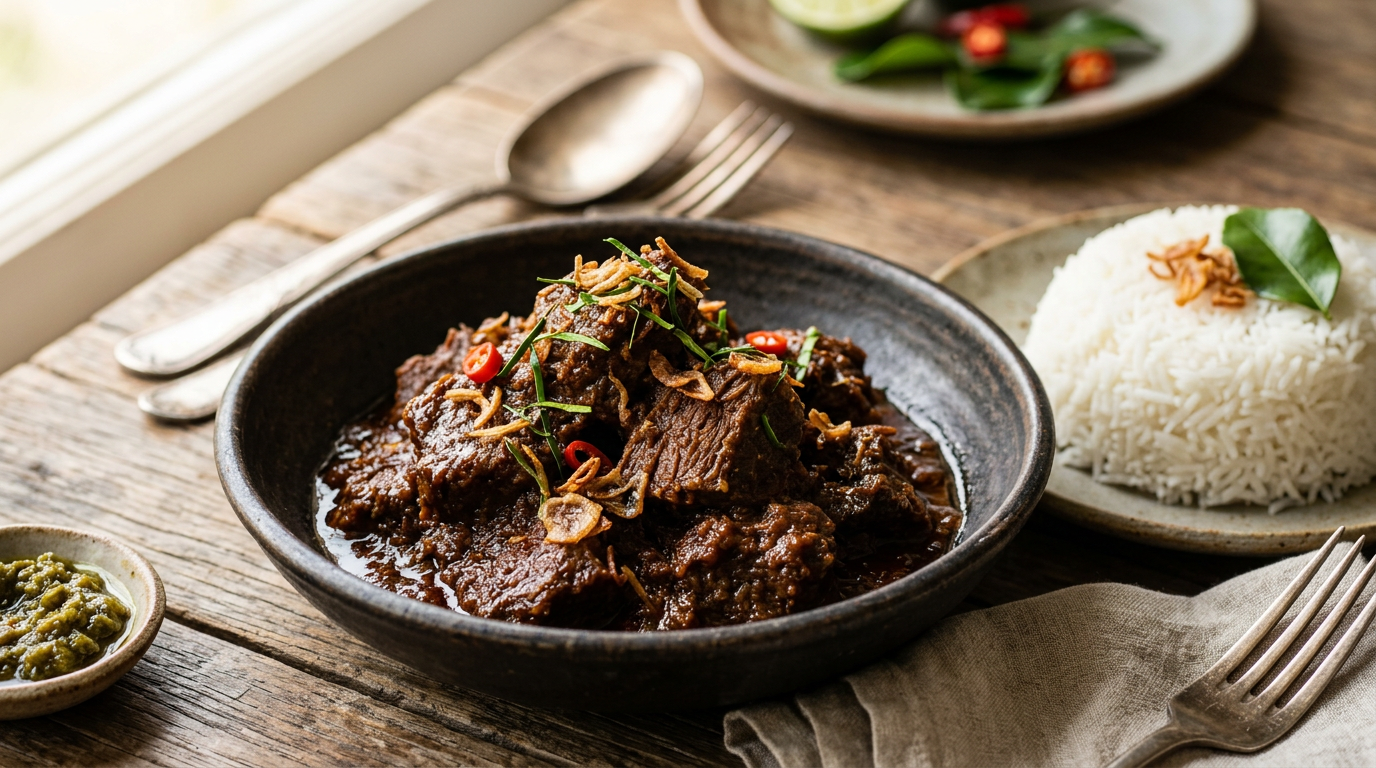
Indonesian beef rendang shows the depth achievable through patience — beef simmered in coconut milk and spice paste for hours until the sauce caramelizes into a dark, intense coating. Filipino adobo takes the opposite, minimalist route, braising meat in just soy, vinegar, garlic, and bay until glossy and deeply savory. Both are national treasures built on simple techniques.
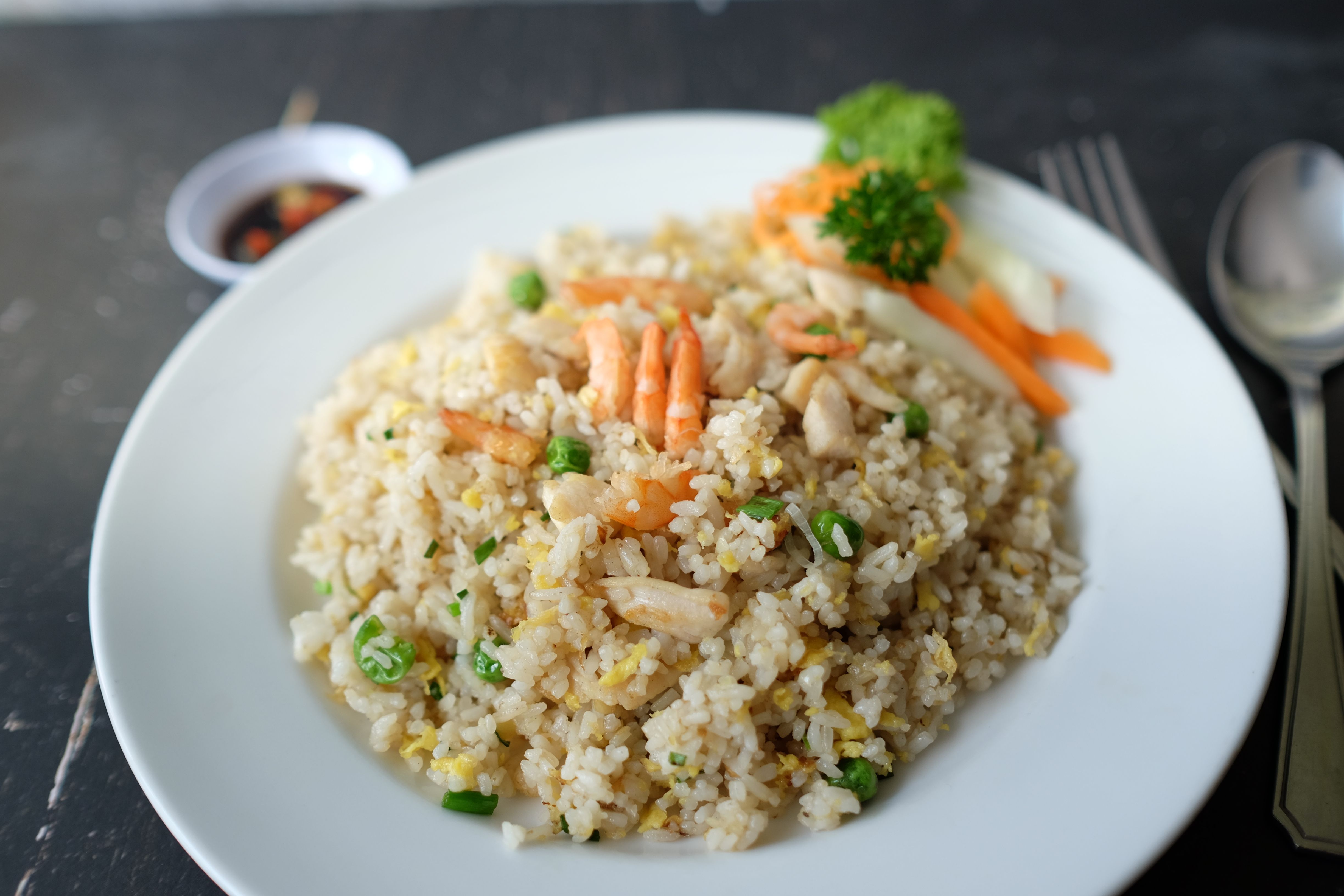
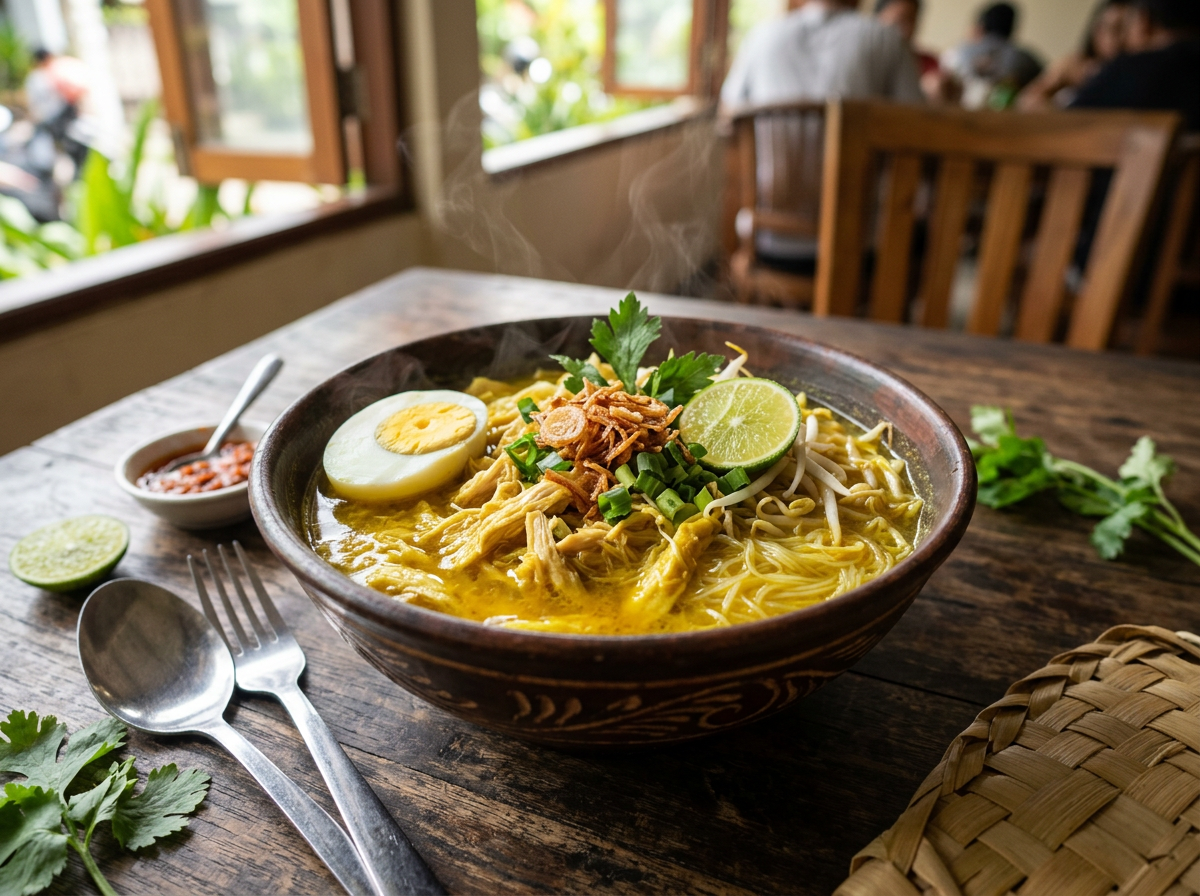
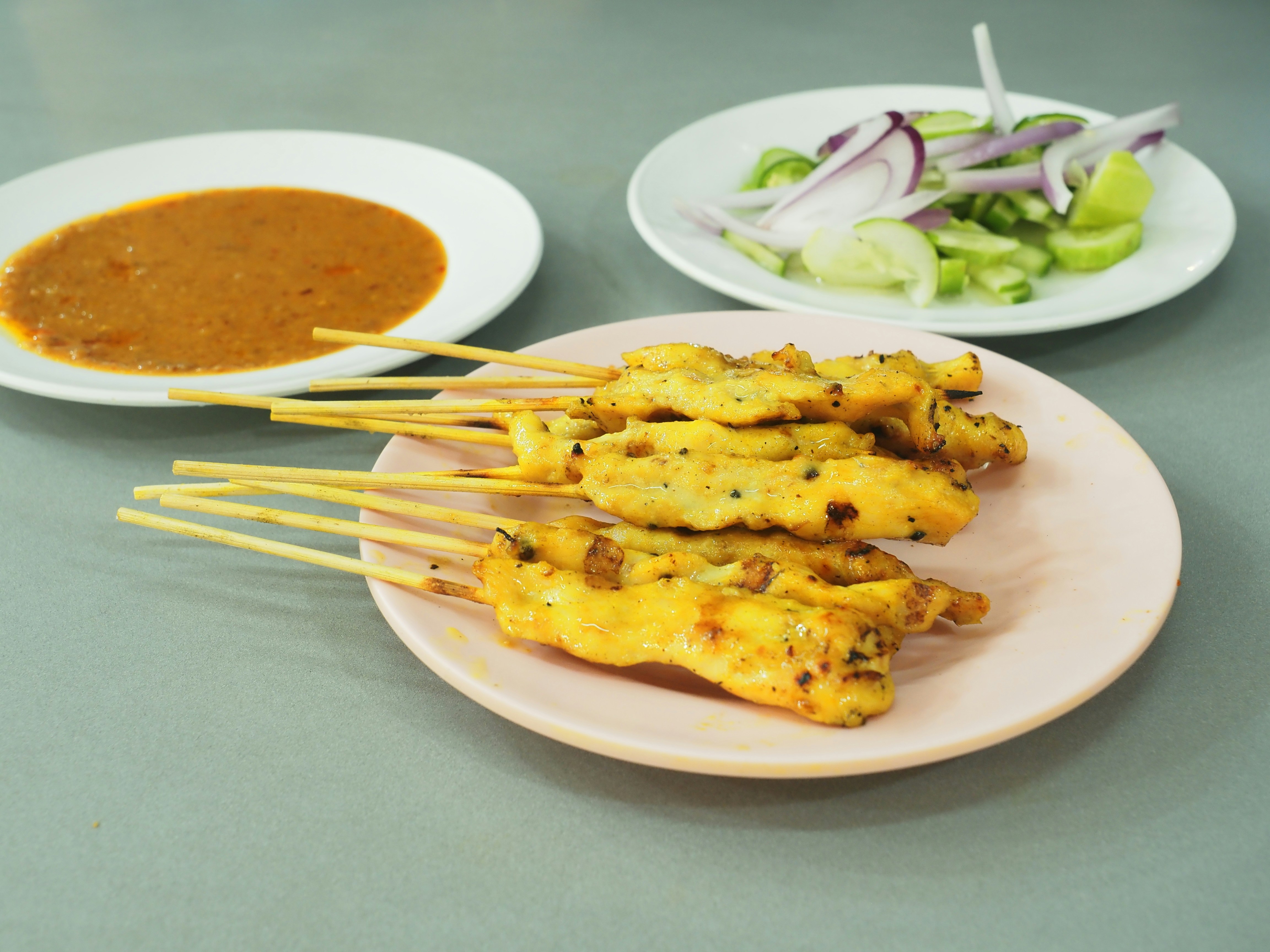
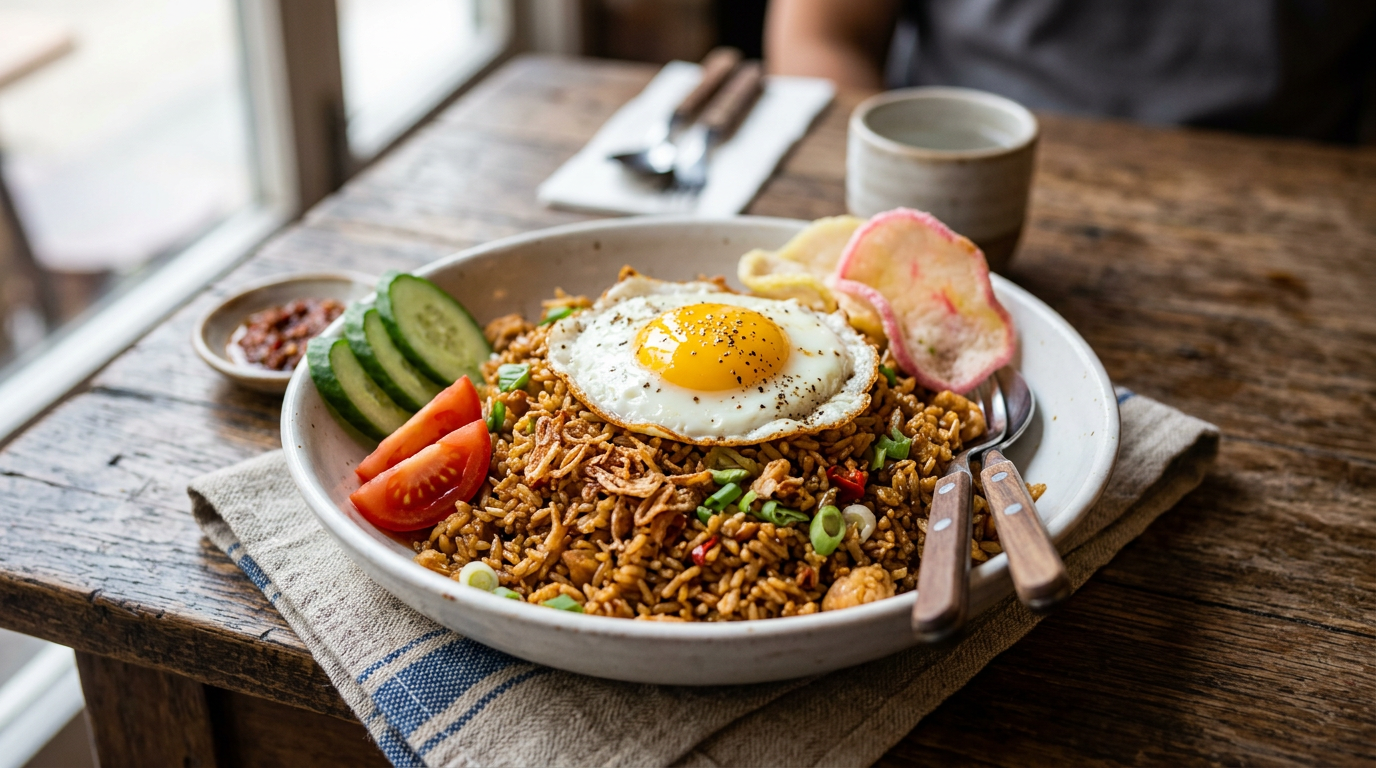
Elsewhere you will find fragrant fried rice such as nasi goreng, satay skewers with peanut sauce, and sour, restorative soups like sinigang. Noodles, rice, and fresh herbs tie the region’s cooking together.
Stocking your pantry
A handful of pantry staples unlocks most Southeast Asian recipes: fish sauce, soy sauce, coconut milk, palm or brown sugar, rice vinegar, and dried or fresh chiles. Add fresh lemongrass, ginger, garlic, and lime, and you can build an enormous range of dishes. Because balance is adjustable, taste as you go and nudge each flavor until the dish feels alive.