More than saltiness
Salt does something remarkable: it suppresses our perception of bitterness and amplifies our perception of sweetness, sourness, and savoriness. This is why a pinch of salt makes a tomato taste more like itself, why it belongs in caramel and chocolate, and why an under-seasoned dish tastes flat even when nothing else is wrong. It is a flavor enhancer first and a flavor in its own right second.
Because of this, seasoning is not about reaching a 'salty' taste — it is about reaching the point where all the other flavors snap into focus. That threshold is lower than most beginners expect and higher than they fear.
Season in layers, taste as you go
The single most useful habit is to salt in layers throughout cooking rather than all at once at the end. Salting early gives salt time to penetrate and season food from within; a final adjustment at the end fine-tunes the surface. Tasting as you go is how you learn what properly seasoned food feels like.
Different salts behave differently by volume: a teaspoon of fine table salt is far saltier than a teaspoon of flaky salt, because the crystals pack differently. This is why professional recipes often specify a type, and why tasting always beats measuring blindly.
Salt and texture
Beyond flavor, salt physically changes food. It draws moisture out of vegetables (useful for crisping or purging watery produce), helps meat retain moisture when applied ahead as a dry brine, strengthens gluten in bread dough, and controls fermentation in pickles and sauerkraut. In each case, timing and quantity matter.
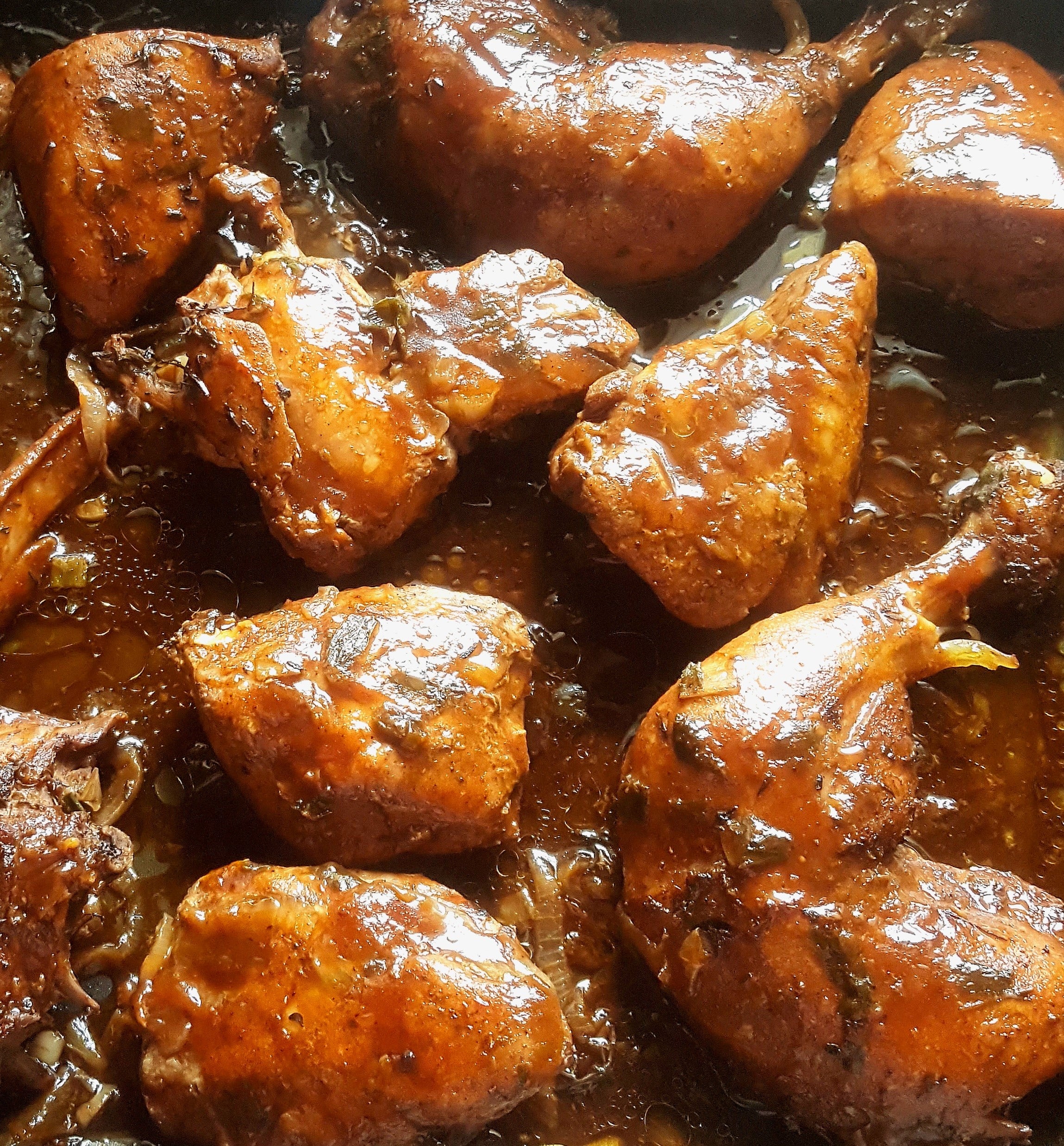
Understanding these effects lets you use salt as a tool, not just a topping — brining a chicken the night before, salting eggplant to draw out bitterness, or seasoning pasta water so the noodles are flavored from the inside out.