
Lamb
Rich, tender, and deeply flavored — the centerpiece of Mediterranean, Middle Eastern, and South Asian feasts.
Also known as: Ovis aries, lamb chop, lamb shank, rack of lamb, lamb shoulder
Overview
Lamb refers to meat from sheep less than one year old, prized for its tenderness and distinctive, slightly gamy flavor. It is a cornerstone protein in Middle Eastern, Mediterranean, South Asian, North African, British, and Australian cuisines.
Lamb cuts range from quick-cooking (loin chops, rack) to slow-braising (shoulder, shank). Understanding which cuts suit which method is the key to cooking lamb well. The fat is flavorful but solidifies at room temperature, so lamb dishes are best served hot.
Culinary Uses
- Roasted as a rack with herbs and garlic — a classic centerpiece for special occasions.
- Braised as shoulder or shank in wine, tomatoes, or spiced broths until fork-tender.
- Ground into kofta, keema, moussaka, and shepherd's pie.
- Grilled as chops, cutlets, or kebabs with Mediterranean or Middle Eastern marinades.
Flavor Profile
- Lamb has a rich, slightly sweet flavor with a mild gaminess that intensifies with age (mutton is stronger than lamb).
- The fat carries much of the flavor — well-marbled cuts are more succulent and forgiving.
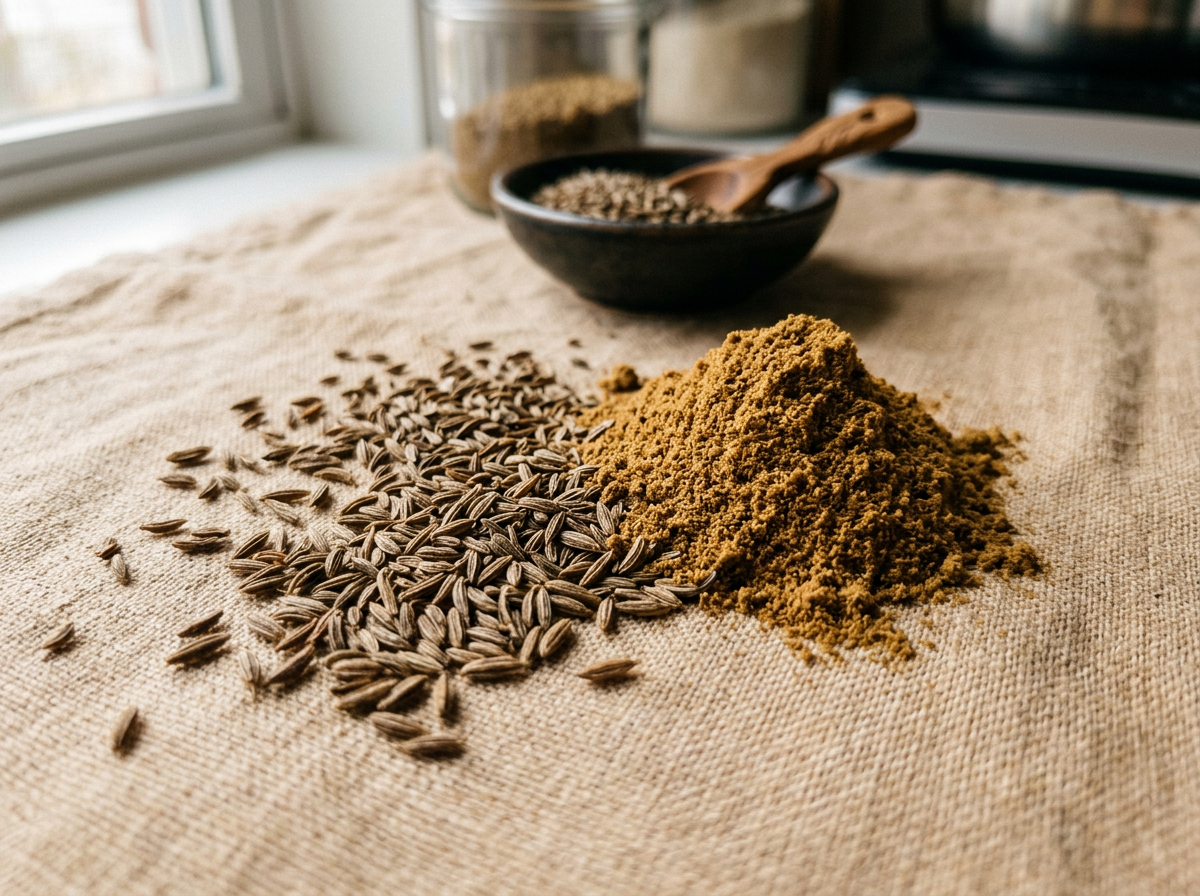
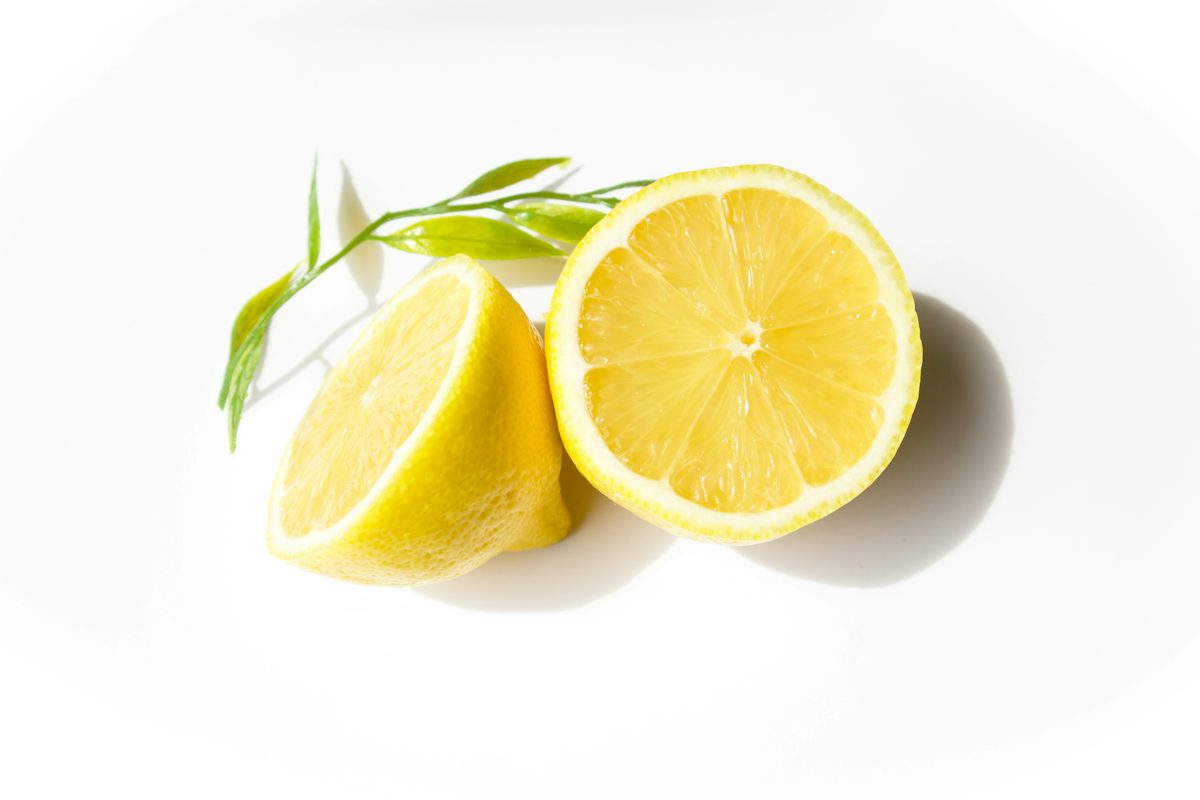
- Lamb pairs exceptionally well with acidic and aromatic ingredients: lemon, garlic, rosemary, mint, cumin.
Storage
- Refrigerate fresh lamb and use within 3-5 days. Ground lamb should be used within 1-2 days.
- Freeze for up to 6-9 months, well-wrapped to prevent freezer burn.
- Cooked lamb keeps 3-4 days refrigerated and freezes well for up to 3 months.
Preparation
- Bring lamb to room temperature for 30-45 minutes before cooking for even results.
- Score the fat cap on roasts in a crosshatch pattern to help render and crisp.
- Use a meat thermometer: 130°F for medium-rare, 145°F for medium. Lamb is best served pink.
Nutrition
Lamb is rich in high-quality protein, B vitamins (especially B12), zinc, and iron.
The fat content varies significantly by cut — loin is lean, shoulder is fattier.
Essential for nerve function and red blood cell production.
Important for immune function and wound healing.
Highly bioavailable iron that supports oxygen transport.
Supports energy metabolism.
Dietary Considerations
- Naturally gluten-free and dairy-free.
- Higher in saturated fat than poultry — lean cuts (loin, leg) are preferable for heart-health-focused diets.
- Not consumed in certain religious and cultural dietary practices.
Nutrition information is educational and approximate; it varies by variety, portion, and preparation, and is not a substitute for professional dietary advice.
Common Pairings
Recipes with Lamb

British Shepherd’s Pie
Slow-cooked minced lamb in a rich gravy with peas and carrots, topped with a golden, forked mashed potato crust.
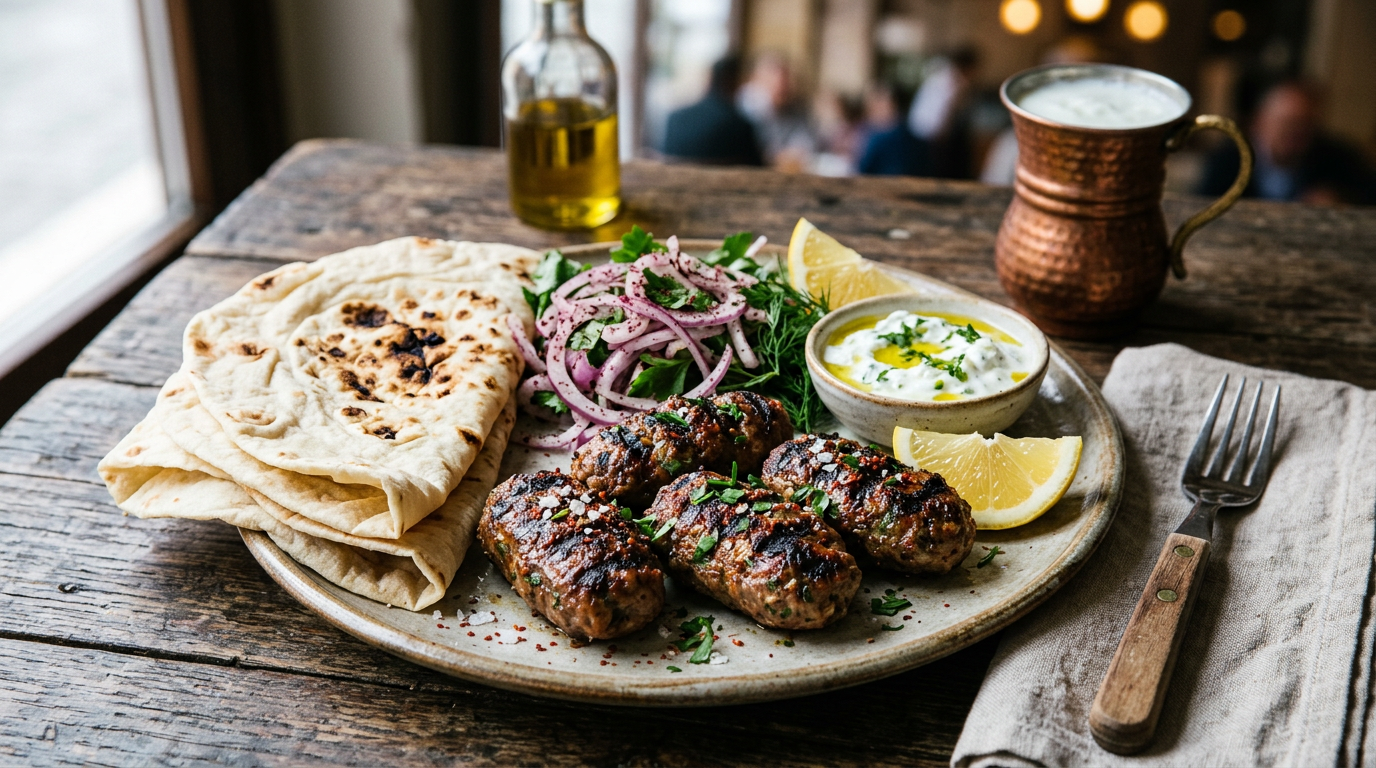
Turkish Lamb Köfte
Juicy grilled meatballs of minced lamb seasoned with cumin, oregano, and garlic, charred over high heat and served with flatbread and sumac onions.
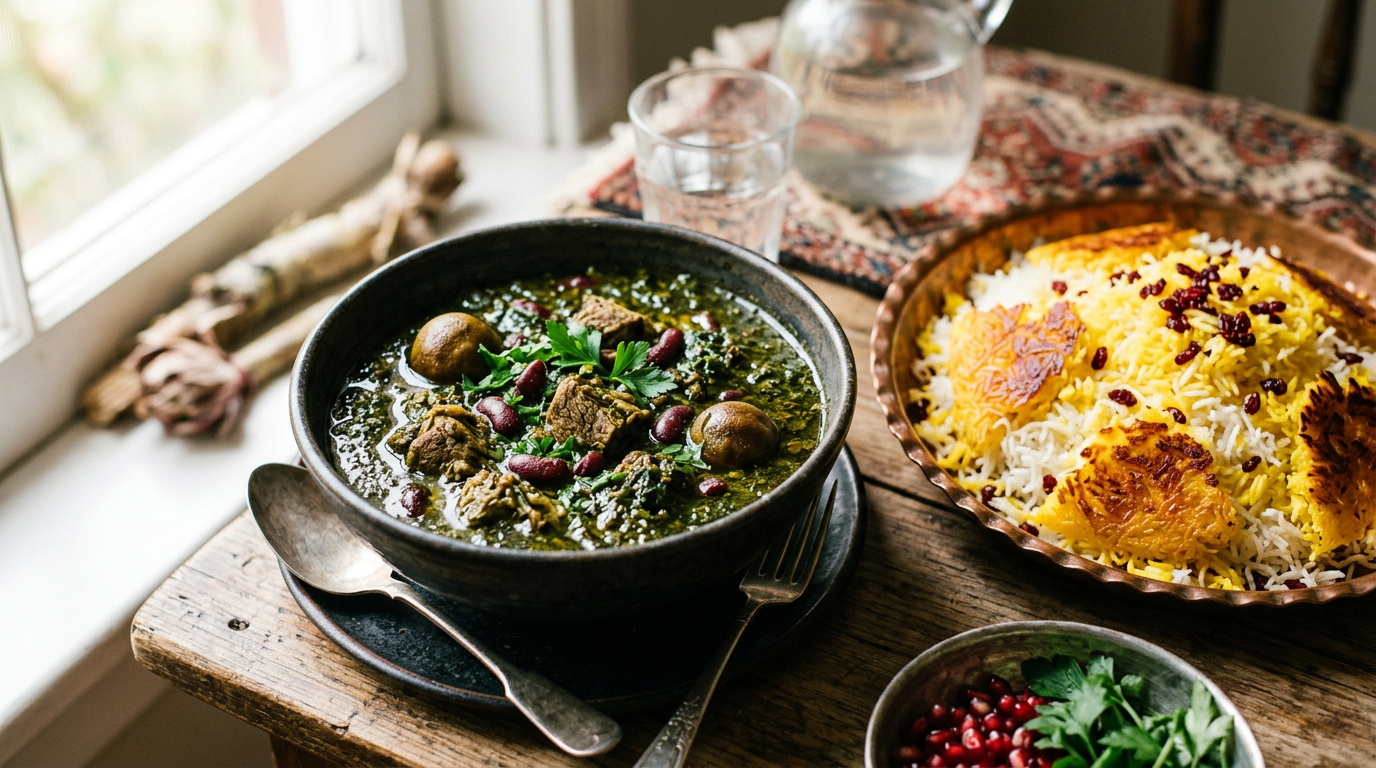
Persian Ghormeh Sabzi
Iran’s beloved herb stew — lamb slow-cooked with a deep tangle of sauteed herbs, kidney beans, and dried lime for a signature tangy, savory depth.
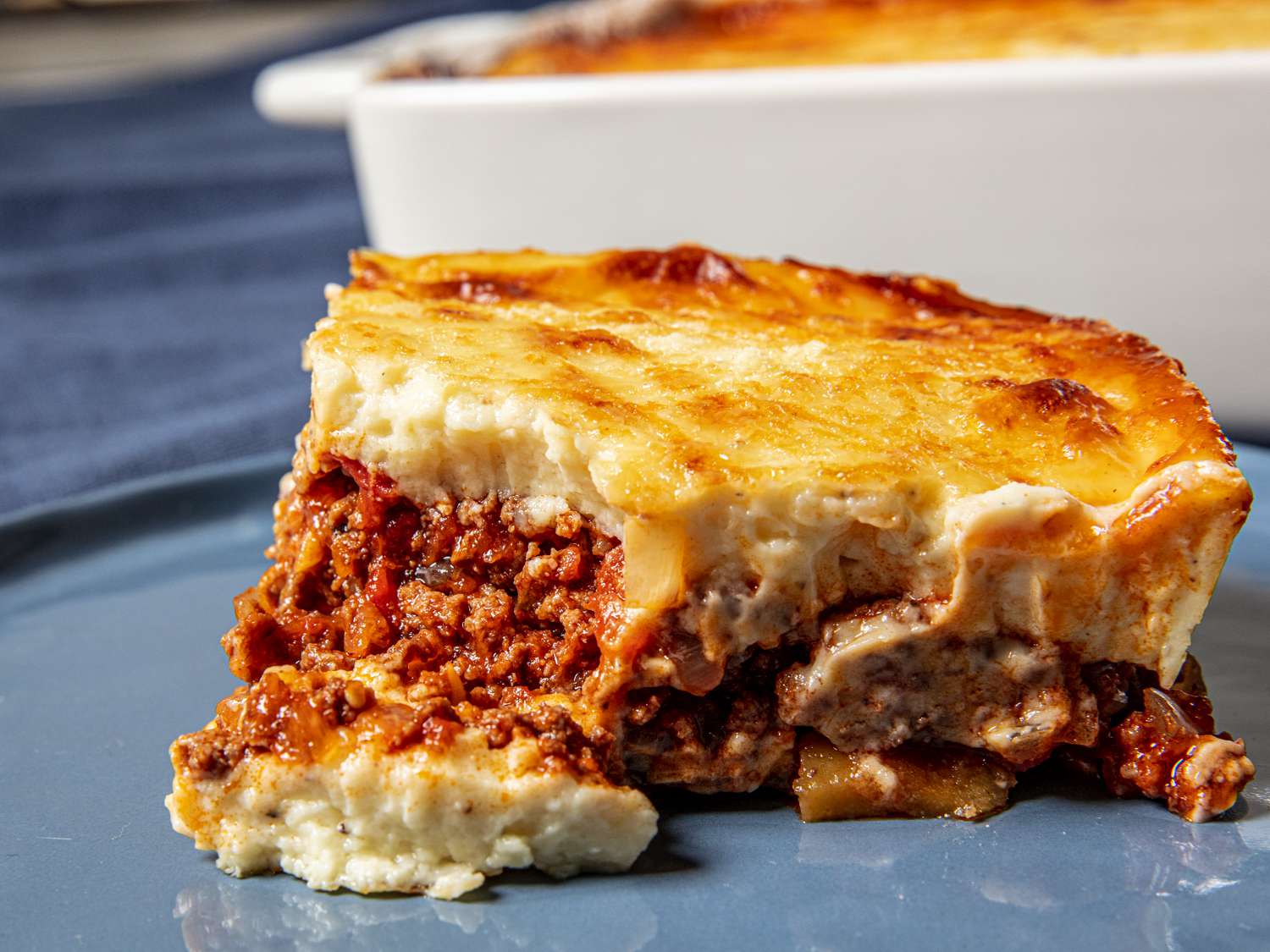
Moussaka
Layers of eggplant, spiced meat sauce, and creamy béchamel baked into a golden Greek casserole.
Explore Related Cuisines
Related Ingredients
Cooking Guides You May Like
How to Braise and Stew: Low, Slow, and Tender
Braising and stewing turn the cheapest, toughest ingredients into the most comforting dishes you can make. Here is how the method works.
How to Roast Vegetables and Proteins
Roasting is the most forgiving, hands-off way to get deep flavor from vegetables and meat. Master a few rules and the oven does the rest.