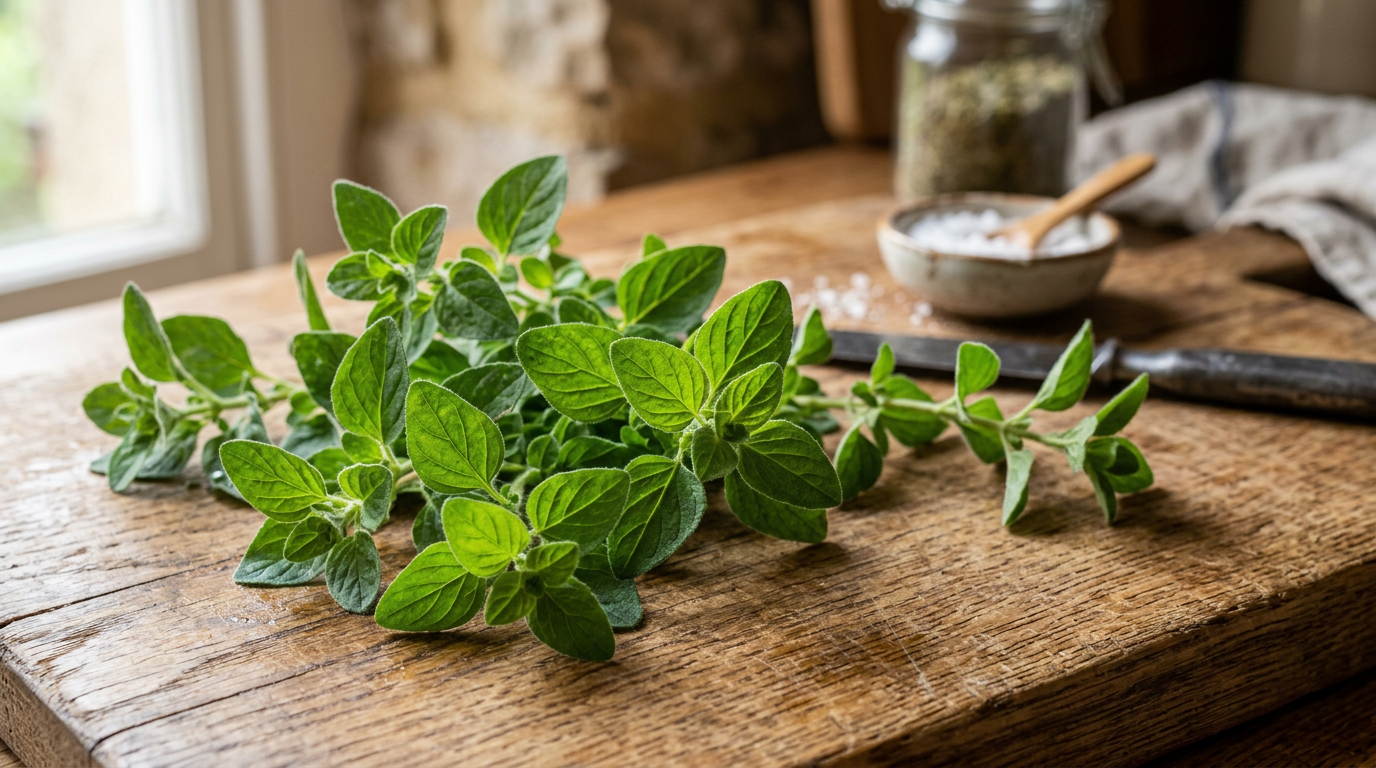
Oregano
A robust, peppery herb at the heart of Mediterranean and Latin cooking.
Also known as: Origanum vulgare, dried oregano, Mexican oregano
Overview
Oregano is a hardy perennial in the mint family with a warm, slightly bitter, peppery flavor. It is one of the rare herbs that many cooks prefer dried, as drying concentrates and mellows its pungent oils.
Mediterranean oregano defines Greek and Italian cooking, while the unrelated Mexican oregano brings a citrusy, more assertive note to Latin American dishes. Both stand up well to tomatoes, grilled meats, and long simmering.
Culinary Uses
- Sprinkled over pizza, tomato sauces, and roasted vegetables.
- Rubbed onto grilled and roasted meats, especially lamb and chicken.
- Simmered into stews, beans, and chili for depth.
- Whisked into Greek dressings and marinades with lemon and olive oil.
Flavor Profile
- Warm, peppery, and slightly bitter with a resinous edge.
- Dried oregano is more concentrated and rounded than fresh.
- Mexican oregano is more citrusy and pungent than the Mediterranean type.
Storage
- Store dried oregano in an airtight jar away from light and heat for up to a year.
- Refrigerate fresh sprigs wrapped in a damp towel for about a week.
- Fresh oregano dries very well; hang small bundles until brittle.
Preparation
- Crumble dried oregano between your fingers to release its oils as you add it.
- Add early in cooking so its flavor can meld into sauces and stews.
- Strip fresh leaves from the stems and chop before using.
Nutrition
Oregano is used in small amounts, adding little in the way of calories or macronutrients.
It is a concentrated source of antioxidants relative to its weight.
Concentrated in dried oregano by weight.
Present in meaningful amounts in the dried herb.
Carvacrol and thymol give oregano its aroma and pungency.
Dietary Considerations
- Naturally vegan, vegetarian, gluten-free, and dairy-free.
- Very low in sodium and suitable for most eating patterns.
Nutrition information is educational and approximate; it varies by variety, portion, and preparation, and is not a substitute for professional dietary advice.
Common Pairings
Recipes with Oregano
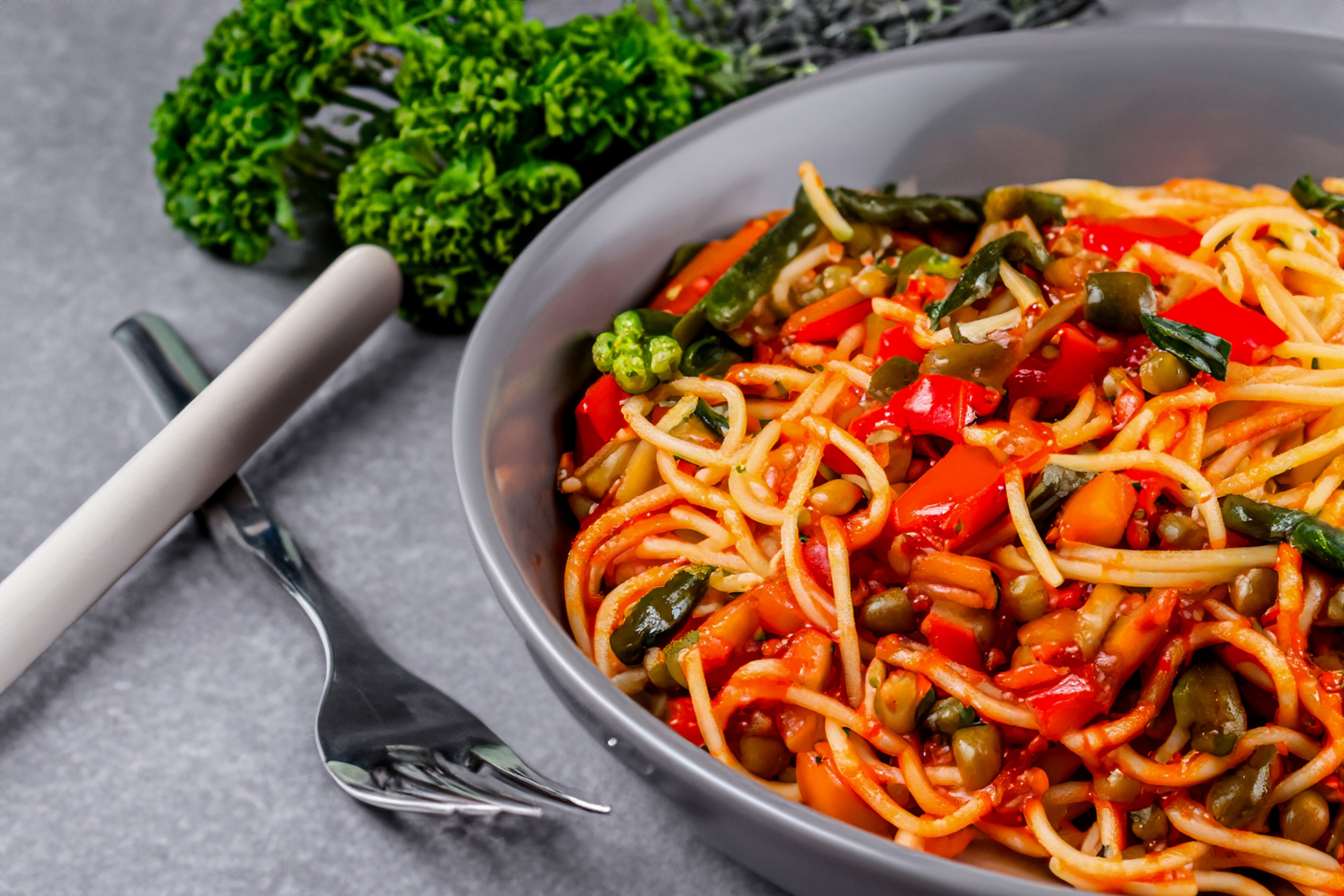
High-Protein Lentil Bolognese
A rich, meat-free Bolognese where brown lentils and mushrooms deliver deep savory flavor and plenty of protein — a batch-friendly vegan sauce for any pasta.
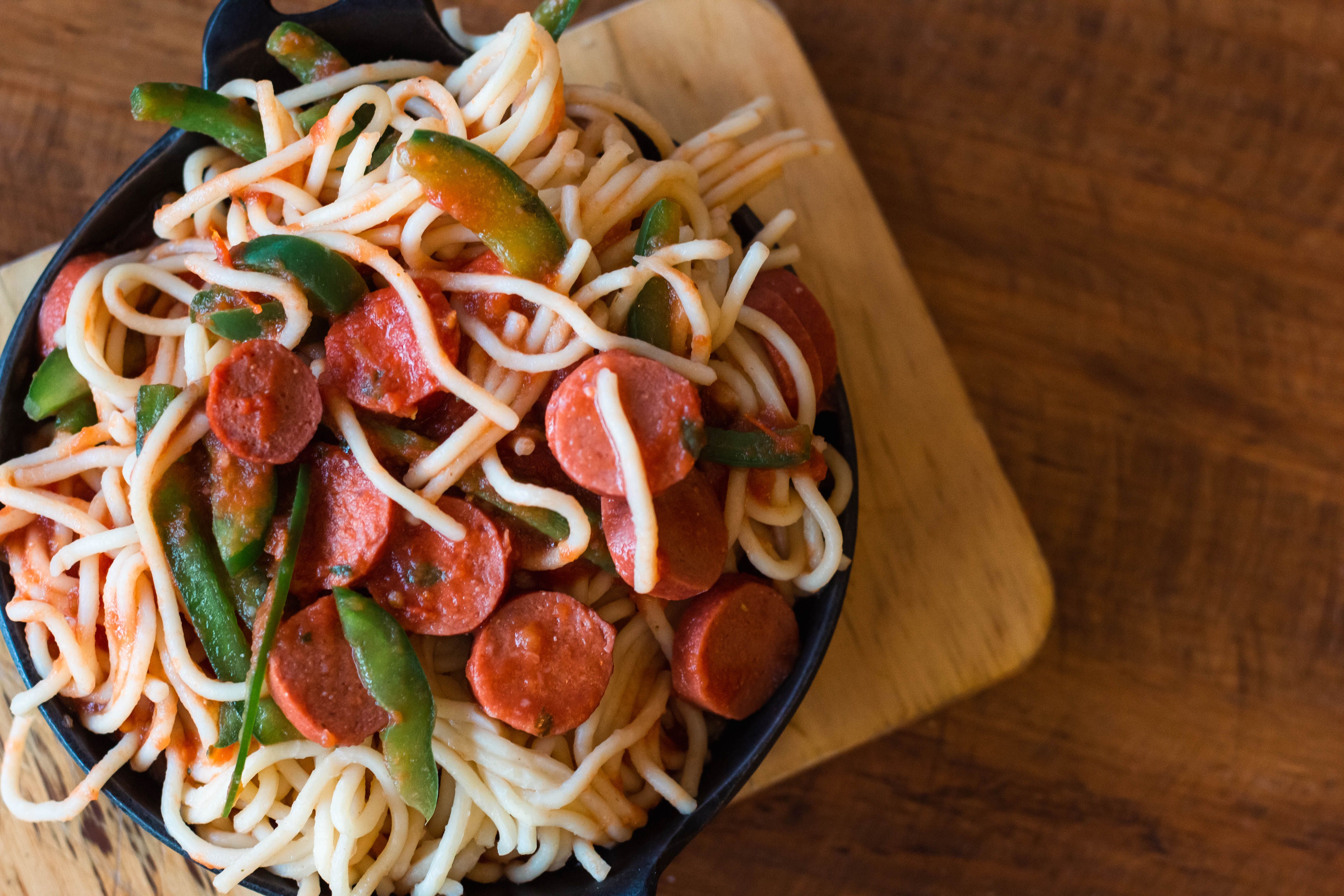
Sheet-Pan Sausage, Peppers & Onions
Smoky sausages roasted with sweet peppers and onions on one tray — a hearty, hands-off family dinner that's just as good piled into rolls or over rice.
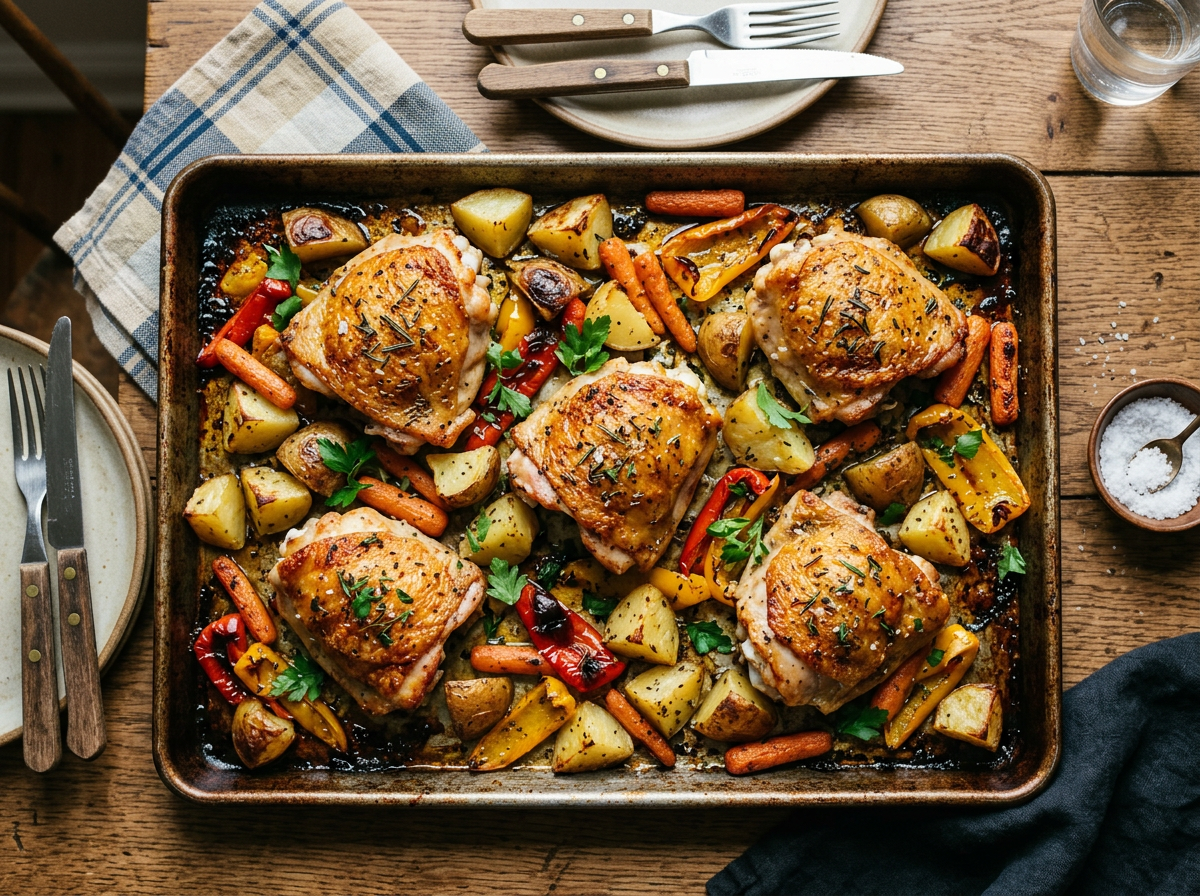
Family Chicken & Vegetable Traybake
Everything roasts on one tray — juicy chicken, potatoes, and colorful vegetables in a garlic-herb glaze — for a fuss-free, crowd-pleasing family dinner with minimal cleanup.
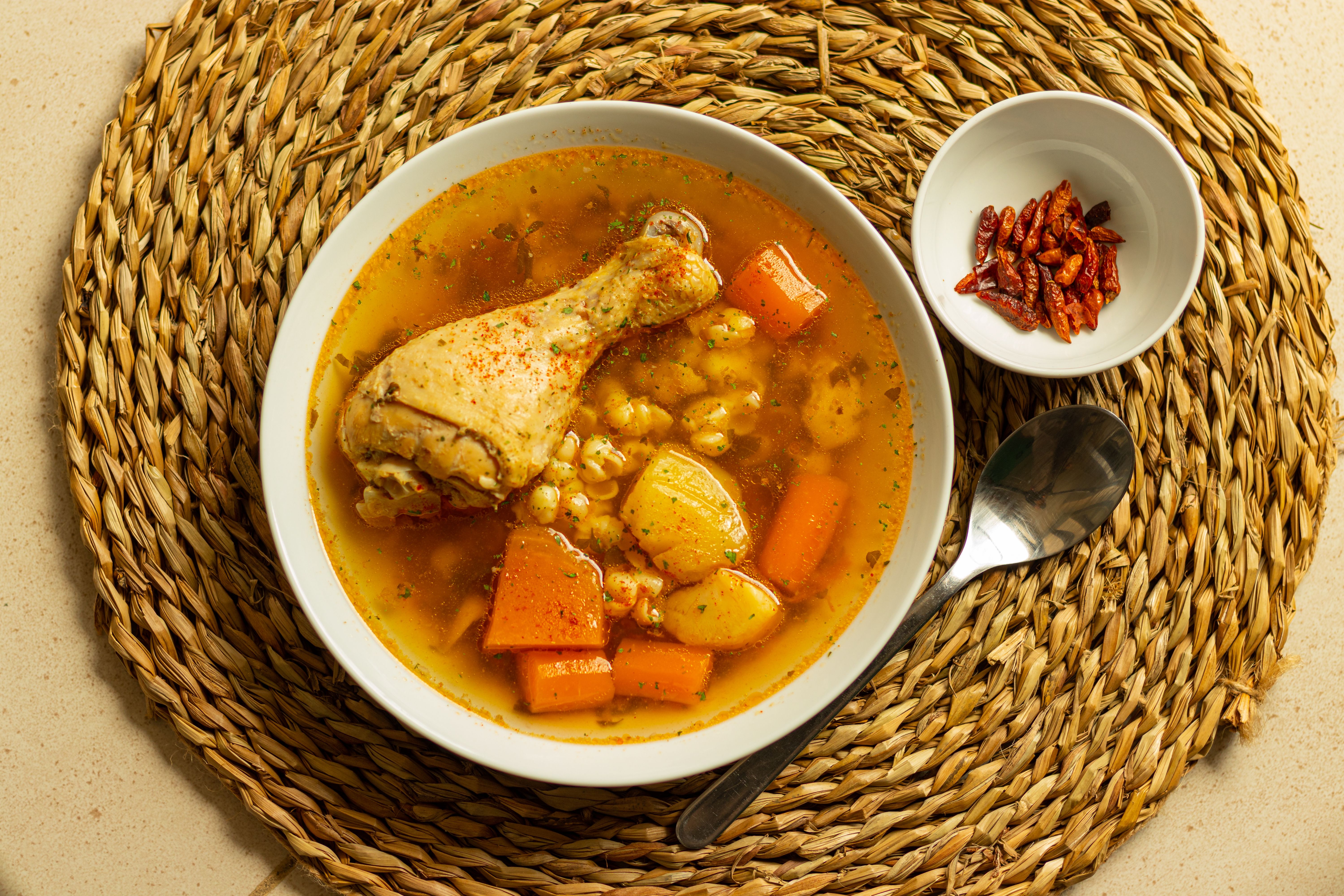
Colombian Ajiaco-Style Potato Soup
A comforting Colombian-inspired chicken and potato soup layered with corn and herbs — wholesome, affordable, and satisfying enough to feed the whole family.
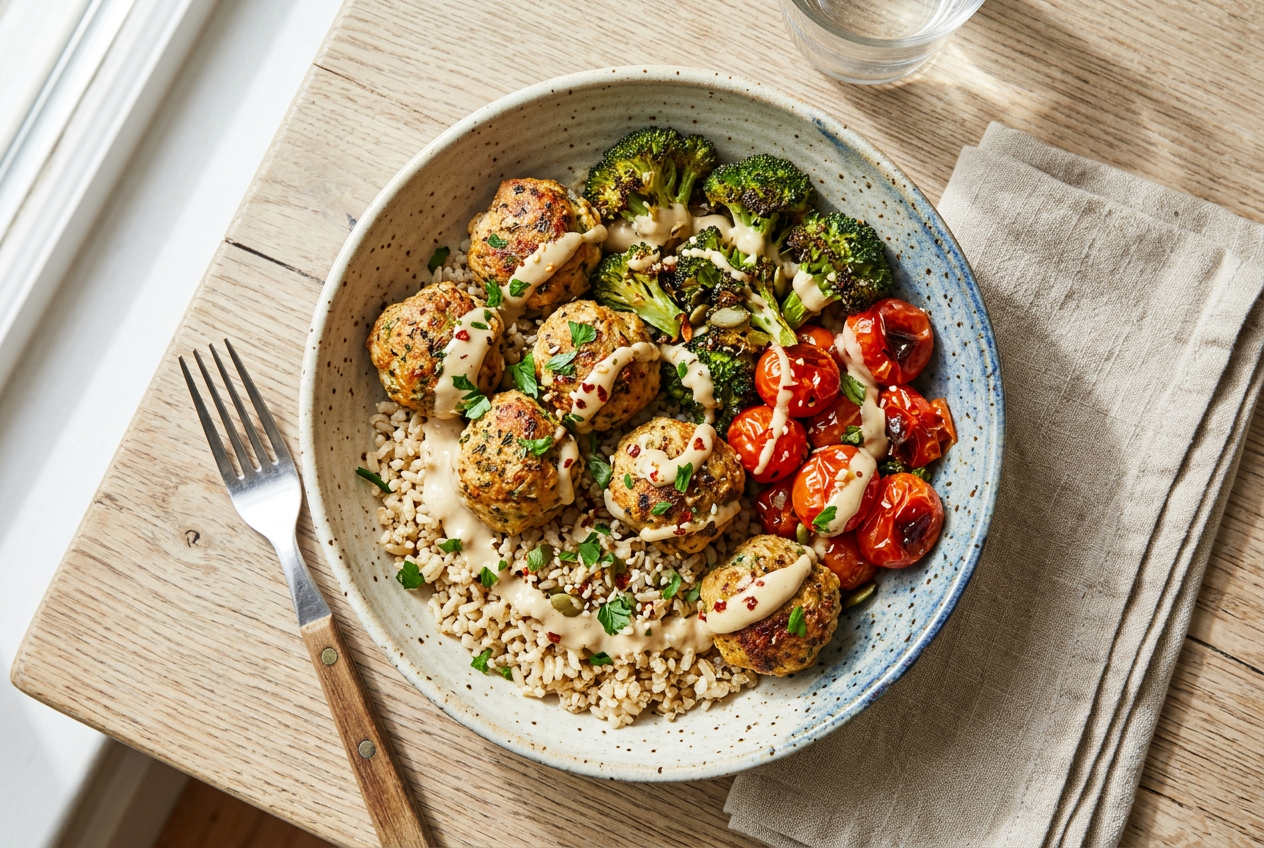
High-Protein Turkey Meatball Bowl
Seasoned turkey meatballs served over quinoa with roasted vegetables and a light tahini drizzle — a meal-prep favorite that delivers serious protein on a lean budget.
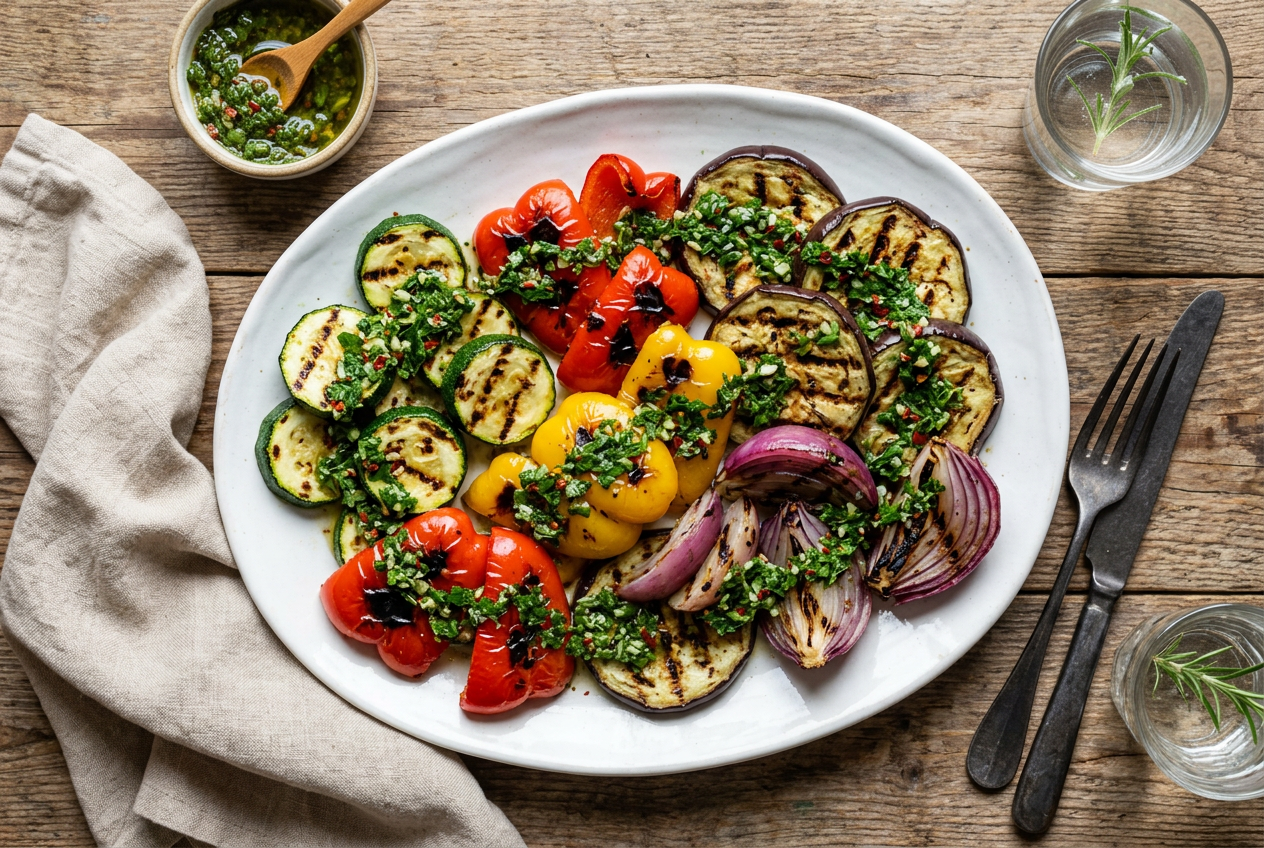
Argentine Chimichurri Grilled Vegetables
A colorful platter of seasonal grilled vegetables drizzled with a fresh, punchy chimichurri — an affordable, naturally vegan dish that showcases simple ingredients at their best.
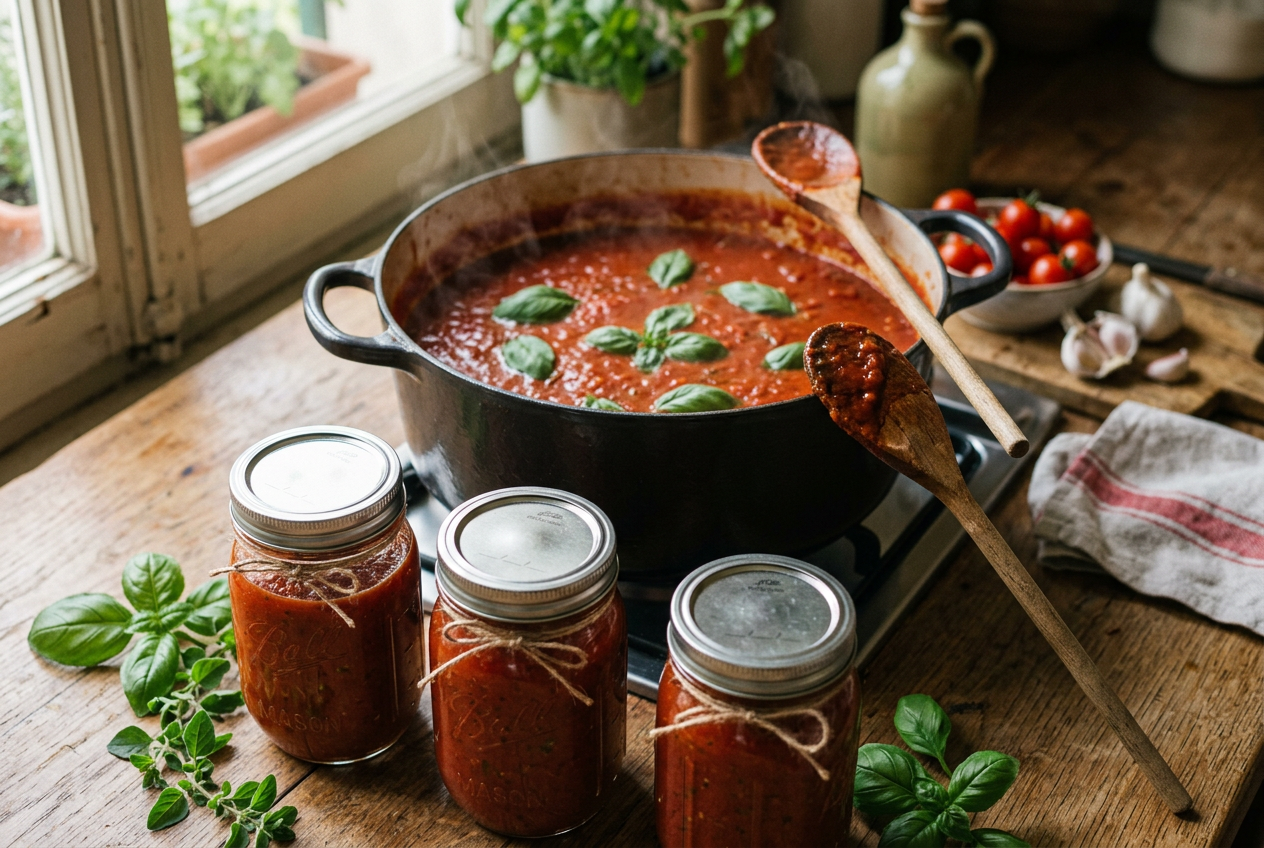
Make-Ahead Marinara Sauce
A big pot of honest tomato sauce, slow-simmered with garlic and basil until deep and glossy. Costing a fraction of the jarred kind, it freezes in batches and becomes pasta sauce, pizza base, or the start of a dozen other meals. Vegan and free of dairy, gluten, egg, and soy.
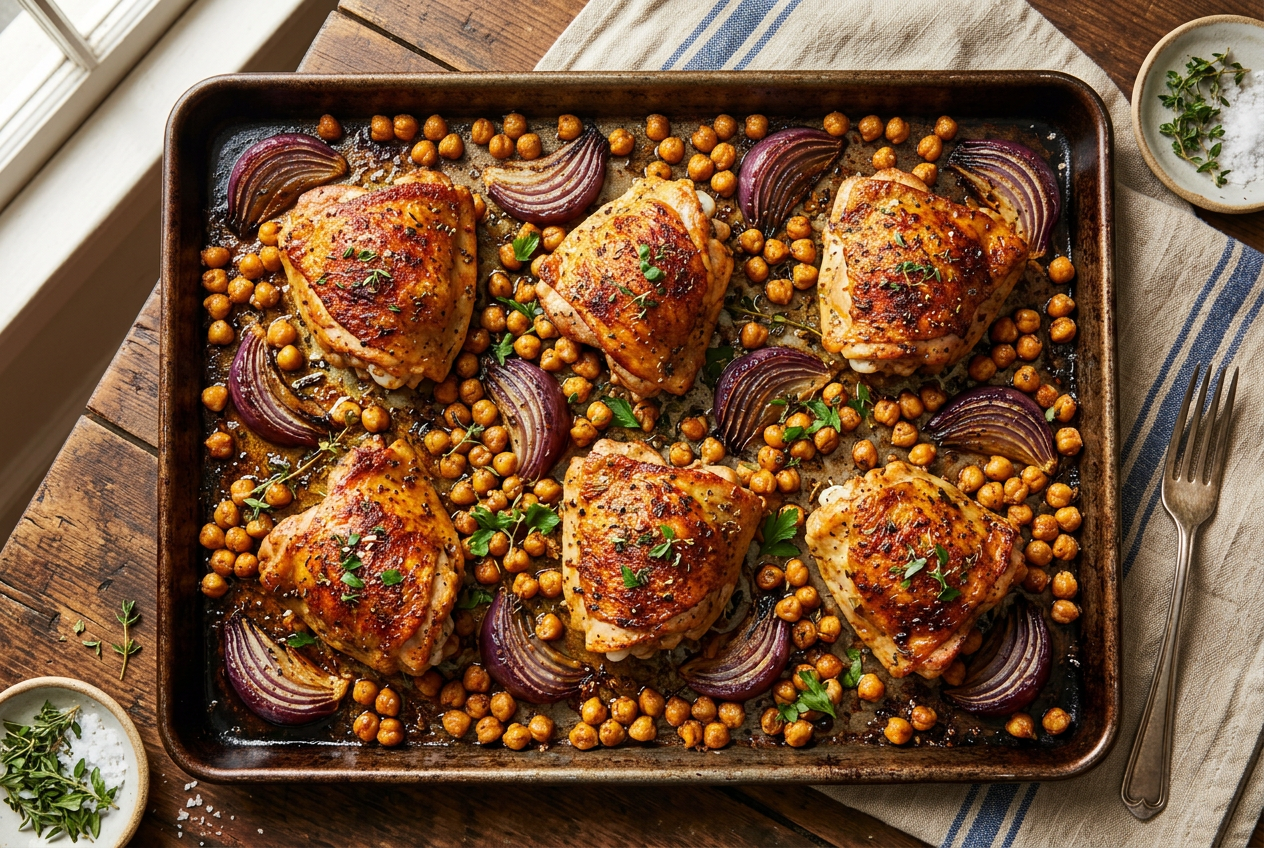
Chicken Thigh & Chickpea Traybake
Budget-friendly bone-in chicken thighs roasted on a single tray with chickpeas, red onion, and warm paprika until crisp-skinned and golden. One pan, minimal washing up, and a hearty high-protein dinner for four.
Explore Related Cuisines
Related Ingredients
Cooking Guides You May Like
Mediterranean Diet Foundations
More a pattern than a strict diet, Mediterranean eating is one of the most studied and sustainable ways to eat well. Here is the foundation.
Seasoning to Taste: Balancing Salt, Acid, Fat, and Heat
The difference between a home cook and a great one is rarely a recipe — it is knowing how to taste a dish and fix what it is missing.