The three ways heat moves
Nearly all cooking relies on three modes of heat transfer. Conduction is direct contact — a steak on a hot pan, heat passing from metal to meat. Convection is heat carried by a moving fluid, whether the circulating air of an oven or the bubbling water of a pot. Radiation is heat traveling as waves, like the infrared glow of a grill or broiler that browns a surface without touching it.
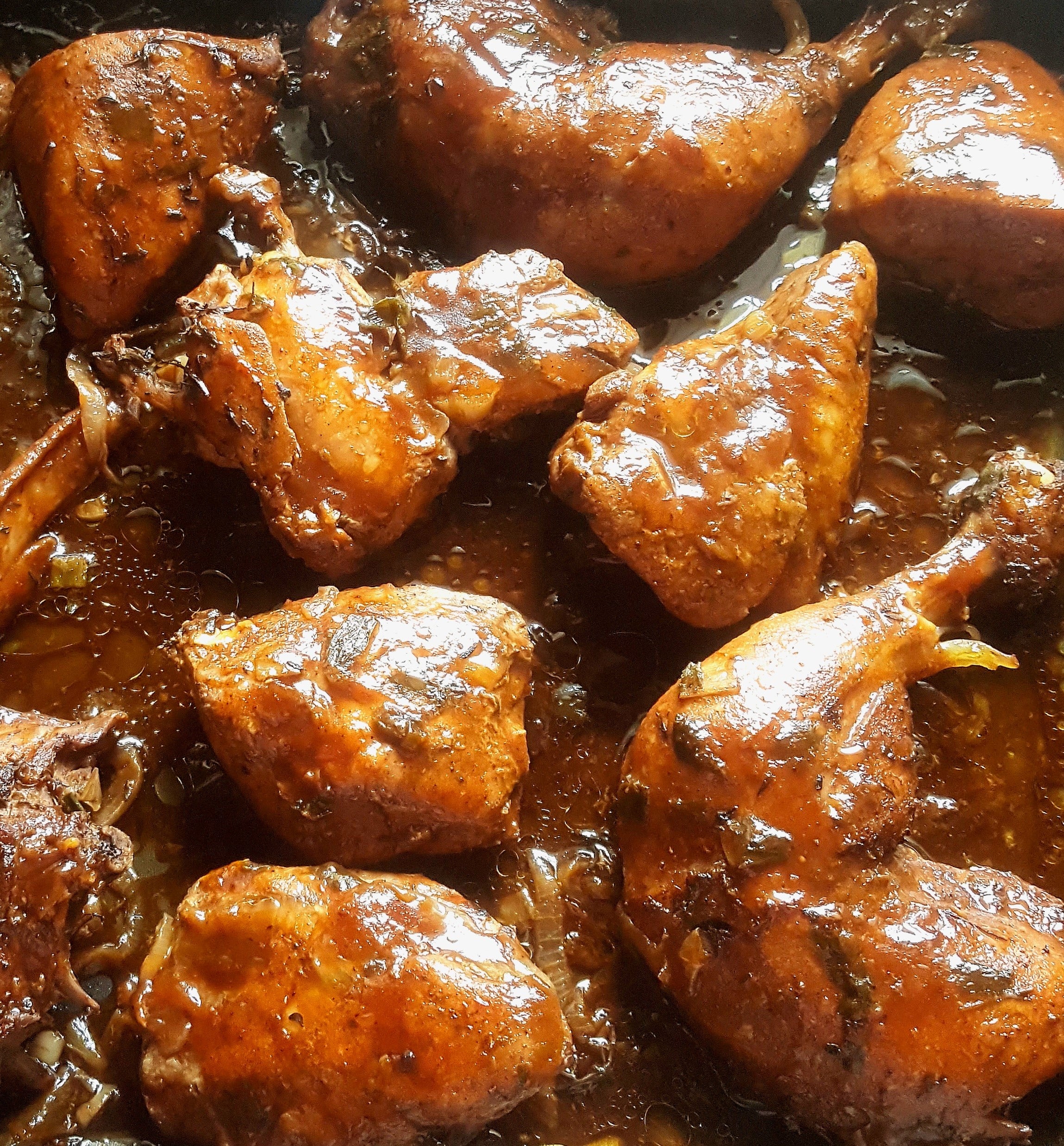
Most real cooking combines them. Roasting a chicken uses convection from hot air, radiation from the oven walls, and conduction where the bird touches the pan. Recognizing which mode dominates helps you predict how food will cook.
Why it matters for results
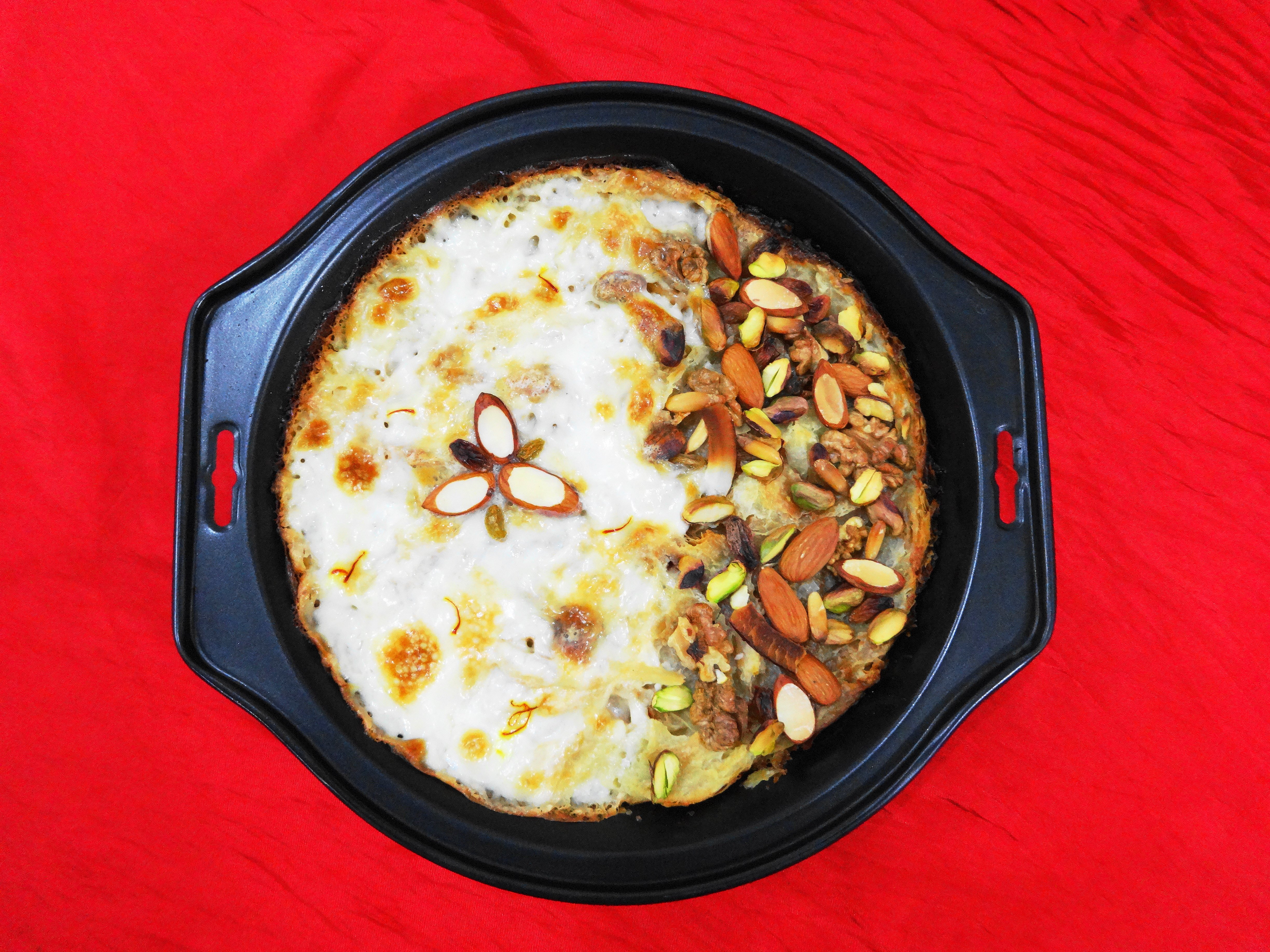
Different modes cook at different speeds and produce different textures. Water-based convection (boiling, steaming, braising) tops out around 100°C, so it cooks gently and cannot brown. Dry heat (roasting, searing, grilling) climbs much higher, enabling the browning that builds flavor. Knowing this tells you why you sear a roast before braising it, or finish a braise uncovered to brown the top.
Heat also moves through food gradually, which is why thick cuts need lower, longer cooking and why resting meat lets residual heat even out. Rushing dense food over high heat burns the outside before the center is done.
Choosing the right method
Once you think in terms of heat transfer, method selection becomes logical. Want a crisp, browned exterior? Reach for dry, high heat. Cooking something tough that needs to become tender? Choose gentle, moist heat over time. Need even, hands-off cooking? The enclosed convection of an oven is your friend.
This mental model turns recipes from instructions to be followed into decisions you understand — and lets you adapt confidently when you improvise.