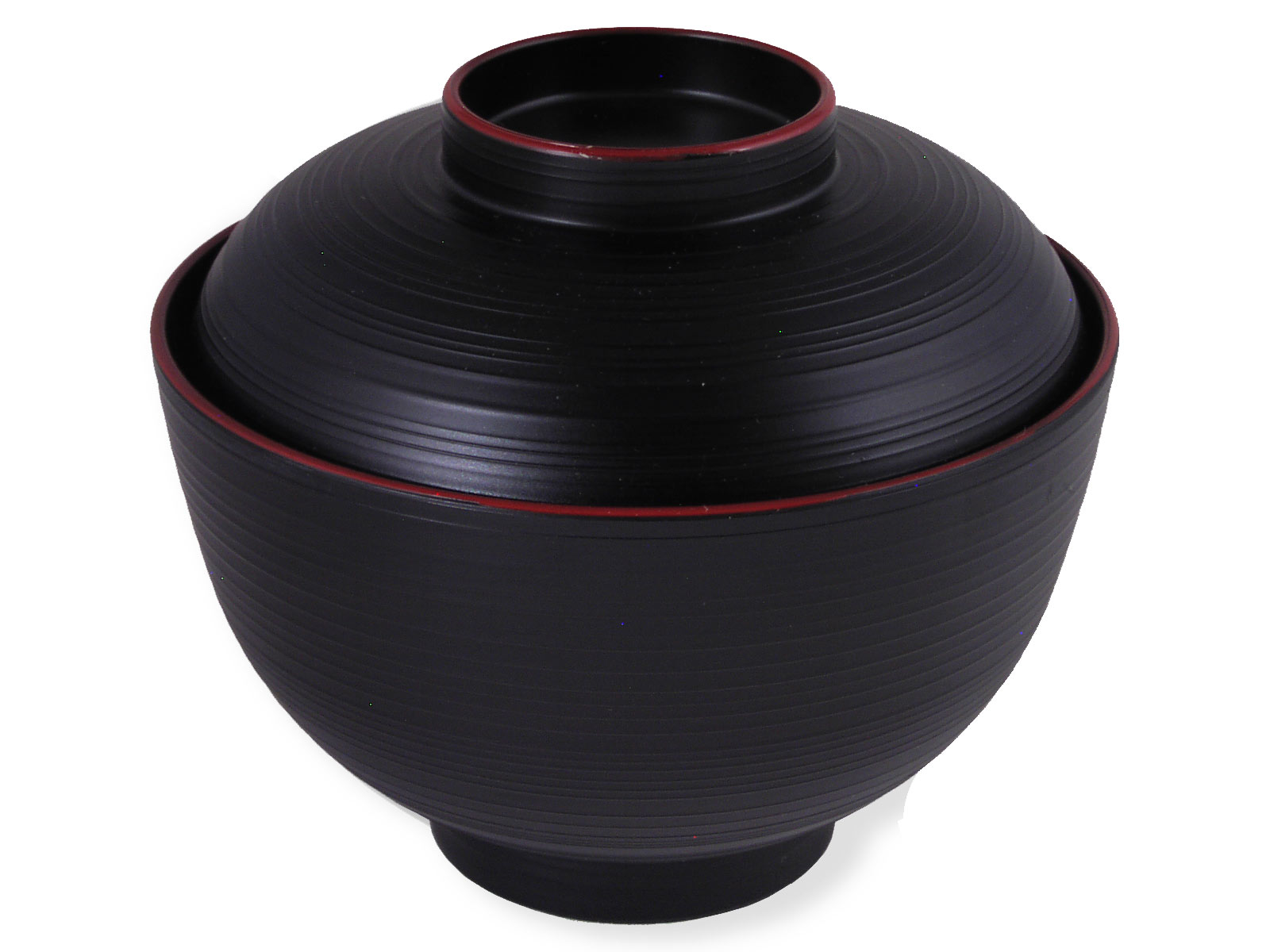
Miso Soup
A soothing everyday soup of dashi, silky tofu, and wakame finished with fragrant miso.
About This Recipe
This classic Japanese miso soup is a light, comforting starter that delivers a rich depth of flavor in about fifteen minutes. As a cornerstone of traditional Japanese dining, this dairy-free soup relies on a delicate balance of savory elements, combining a savory dashi stock base with tender cubes of silken tofu and nutrient-rich seaweed. It offers a gentle, warming introduction to any multi-course meal or acts as a soothing standalone dish.
The success of this easy preparation lies entirely in how the miso paste is integrated. Boiling miso destroys its complex, delicate flavors and aroma, so the key technique is to whisk the paste with a small splash of the warm dashi in a separate ladle or bowl first. This ensures a perfectly smooth slurry that incorporates seamlessly into the pot once it has been removed from the heat, keeping the texture velvety.
For a successful preparation, ensure the silken tofu is handled gently when cubing so it maintains its shape, and allow the dried wakame to fully rehydrate in water before adding it to the warm broth. If you wish to vary the texture, you can experiment with different varieties of miso, ranging from sweet white miso to a more robust red variety, depending on your taste preferences.
Serve this soup immediately while hot, garnished with a generous scattering of freshly sliced scallions for a bright, peppery crunch. It pairs beautifully alongside steamed rice, pickled vegetables, or grilled fish for a complete, traditional Japanese-style breakfast or light lunch.
Ingredients
- 1 L Dashi stock
- 4 tbsp Miso paste
- 200 g Silken tofu
- 2 tbsp Dried wakame
- 2 stalks Scallions
Instructions
- 1
Heat the dashi gently without boiling.
4 min
- 2
Rehydrate wakame and add with cubed tofu.
3 min
- 3
Whisk miso with a little broth, then stir back in off the heat.
2 min
- 4
Garnish with scallions and serve immediately.
1 min
Nutrition Facts
90
kcal
Calories
7
g
Protein
8
g
Carbs
4
g
Fat
1
g
Fiber
820
mg
Sodium
Rate This Recipe
Beverage Pairings
Japanese dining prizes clarity and umami. Sake — chilled ginjo or warm junmai — is built to complement rice, seafood and dashi, while green teas such as sencha and genmaicha refresh between courses. Crisp lagers and dry sparkling wines suit tempura and sushi alike.
Wine, Beer & Spirits
Delicate, floral and low in tannin — it flatters raw fish and umami without overwhelming it. A crisp, mineral profile is a natural match for seafood.
Serve chilled (10°C).
Lightly sparkling and sweet — a gentle dessert partner. Its sweetness matches the dessert without being overwhelmed.
Serve very cold (6–8°C).
Full and savory, it echoes the umami of grilled and simmered dishes.
Serve warm or at room temperature.
Fine bubbles and high acidity are a superb foil for tempura and sashimi. A crisp, mineral profile is a natural match for seafood.
Serve cold (7–9°C).
A saline, citrus white built for seafood. A crisp, mineral profile is a natural match for seafood.
Serve well chilled (8–10°C).
Non-Alcoholic
Clean and slightly bitter, it cleanses the palate between pieces of sushi. Coffee and tea are classic partners to something sweet.
Steep at 75–80°C for 2 minutes.
Toasted-rice notes complement grilled fish and rice dishes. Coffee and tea are classic partners to something sweet.
Steep at 80°C for 2 minutes.
Coffee is the timeless close to a sweet course. Coffee and tea are classic partners to something sweet.
Serve immediately in a warm demitasse.
Milky espresso rounds off dessert beautifully. Coffee and tea are classic partners to something sweet.
Serve hot; a classic after dessert.
A brisk cup of tea balances sugar and cleanses the palate. Coffee and tea are classic partners to something sweet.
Steep at 95°C for 3–4 minutes.
You Might Also Like
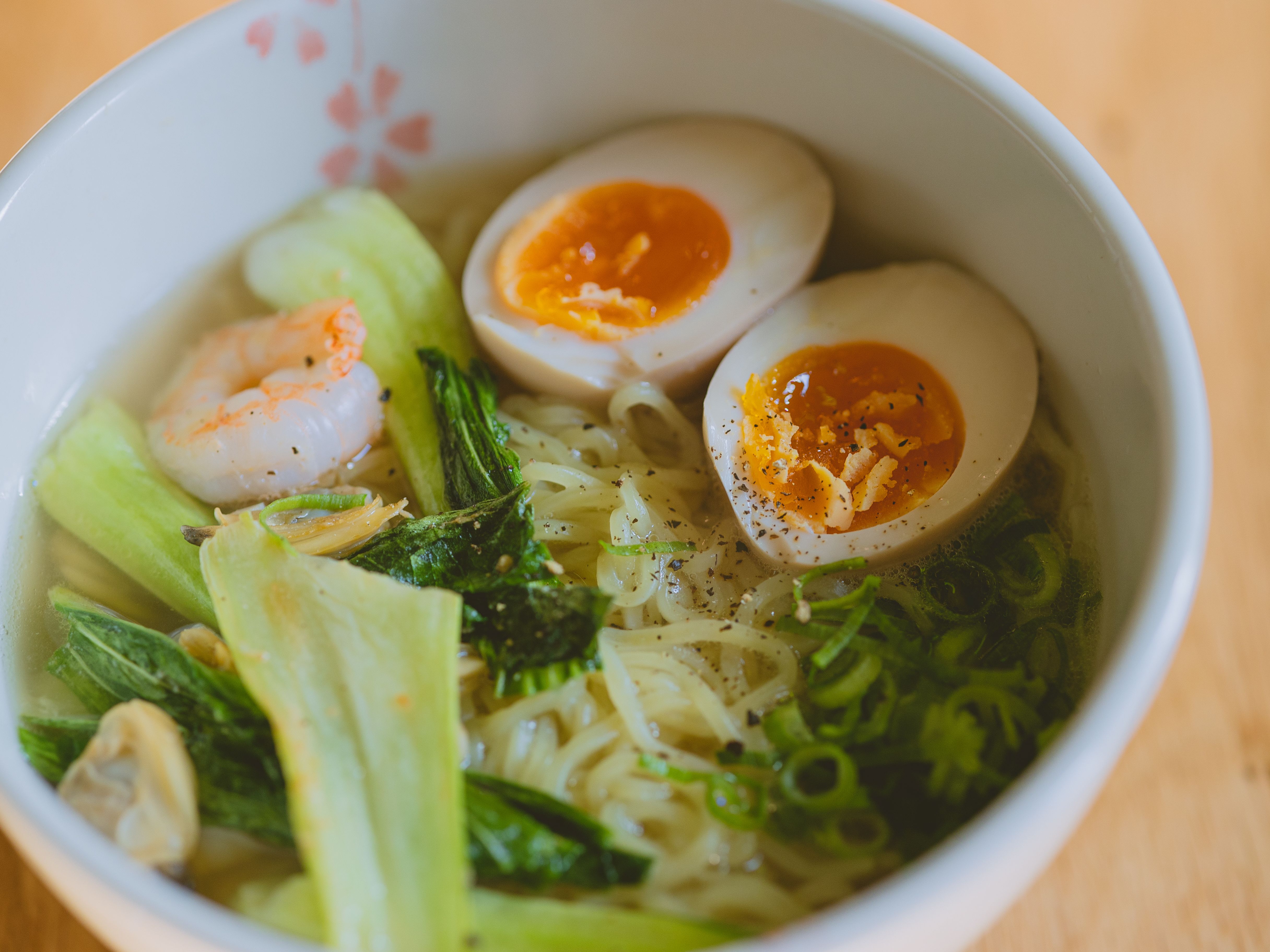
Student Ramen Upgrade with Egg & Greens
Turn a humble packet of instant noodles into a real meal with a jammy egg, fresh greens, and a savory garlic-ginger broth — the ultimate five-minute student dinner.
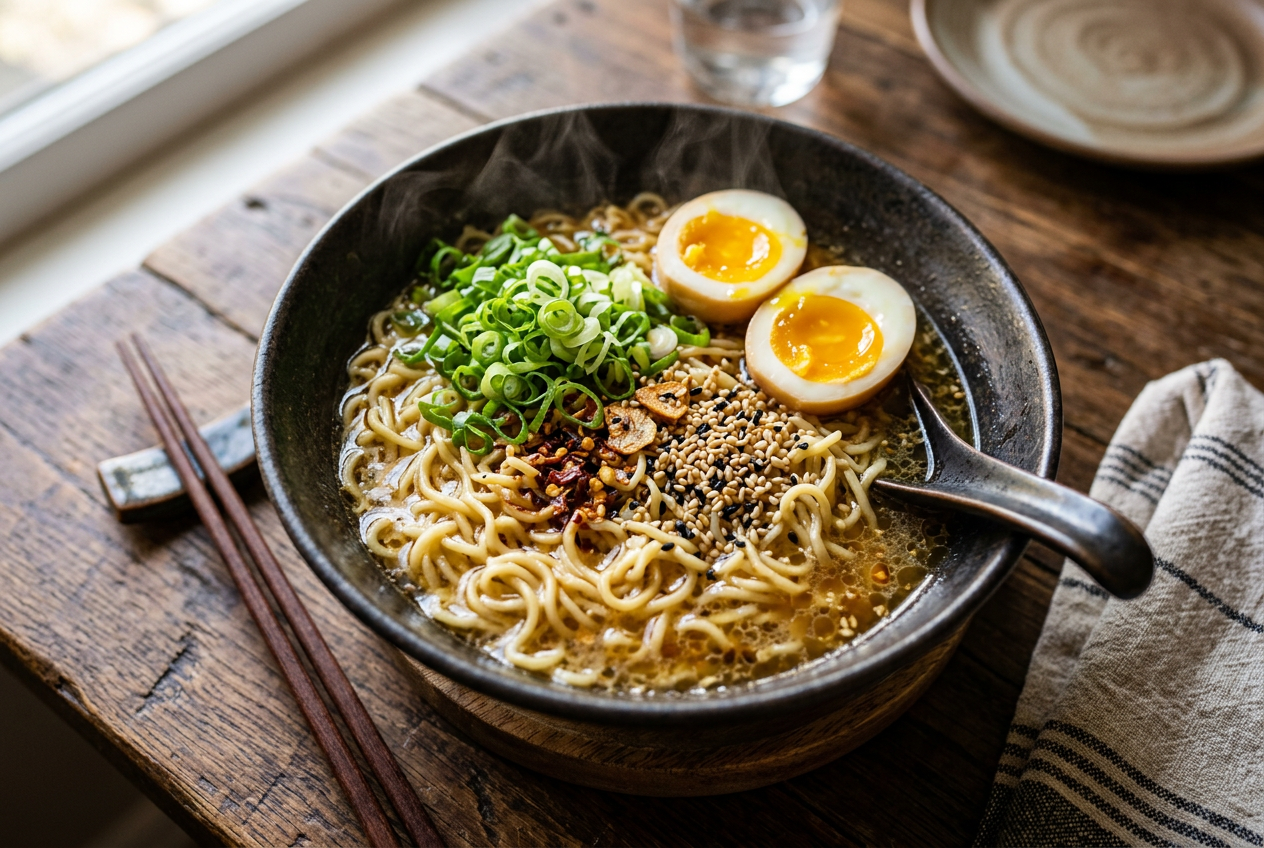
Garlic Butter Ramen Upgrade
Everything a packet of instant noodles wants to be: springy ramen tossed in garlicky butter with a soft egg, scallions, and a savory splash of sauce. A five-minute, few-dollar dinner that tastes far better than it costs — a student-kitchen hero.

Chicken Katsu Curry
Crunchy panko chicken cutlet over rice with a mildly sweet, comforting Japanese curry sauce.
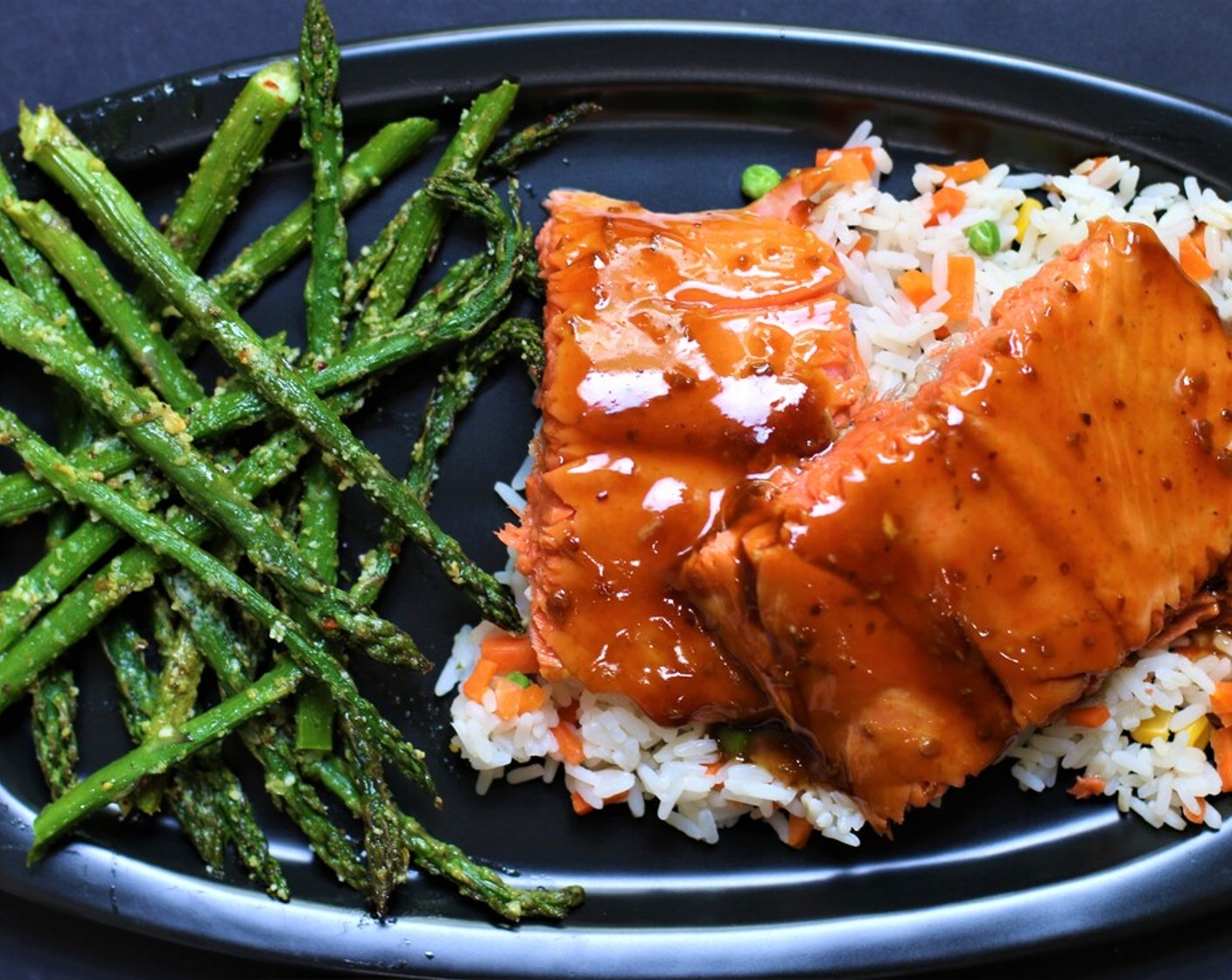
Salmon Teriyaki
Pan-seared salmon glazed in a glossy homemade teriyaki, served over rice with steamed greens.
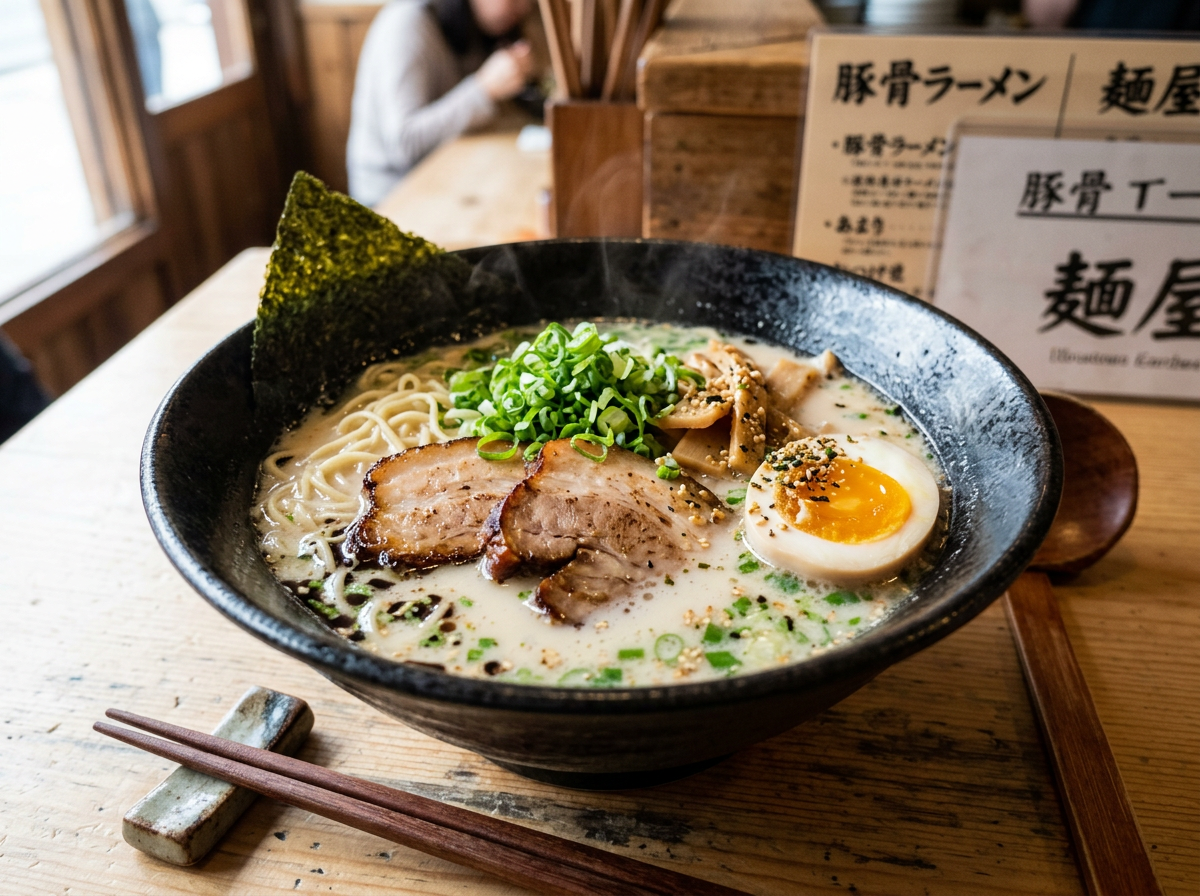
Tonkotsu Ramen
A rich, silky pork-bone broth with springy noodles, tender chashu, jammy egg, and scallions.
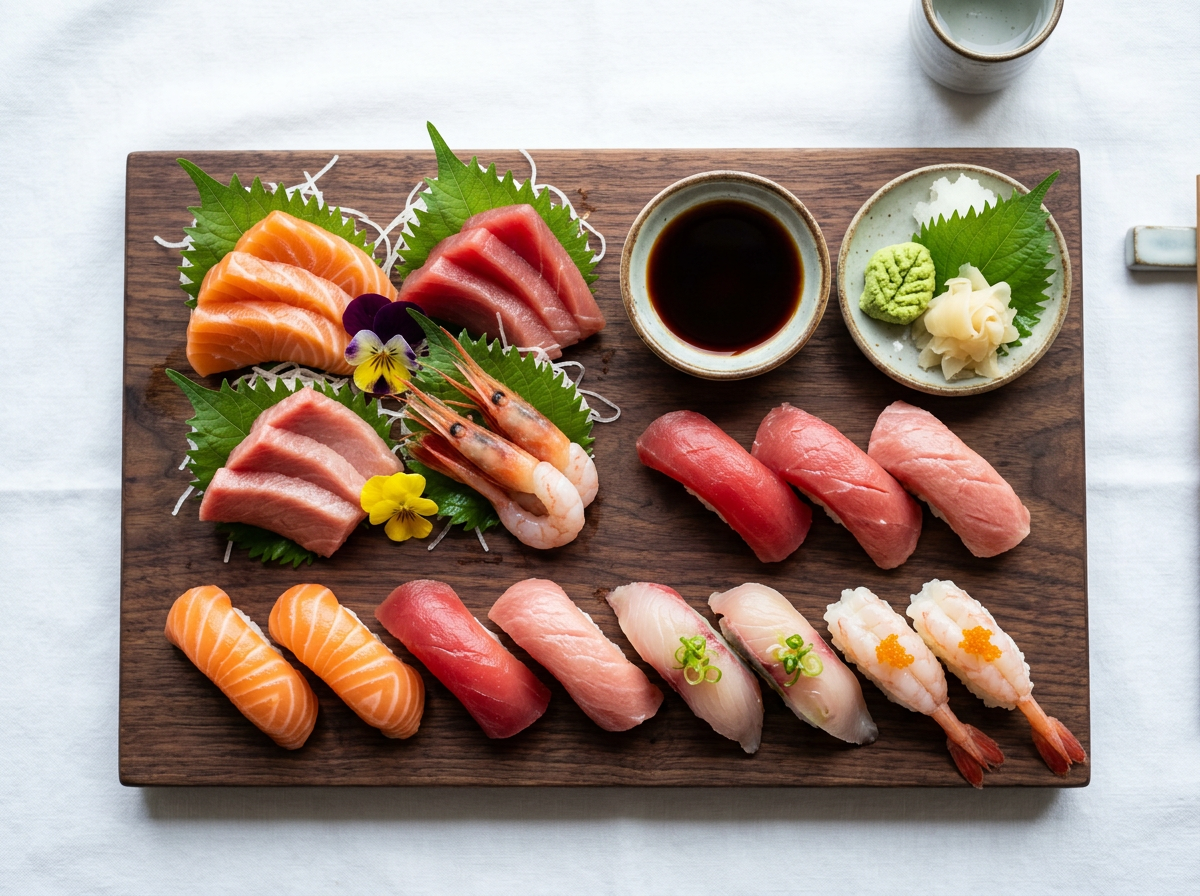
Sashimi & Nigiri Platter
An elegant assortment of fresh sashimi and nigiri featuring salmon, tuna, and yellowtail. Served with wasabi and pickled ginger.
Explore Related Collections
Cooking Guides
Understanding Cooking Methods: Dry Heat, Moist Heat, and More
Every cooking method changes texture and flavor in a specific way. Knowing which to choose is the key to cooking anything well.
Read guideBuilding Balanced Meals: A Simple Framework
You do not need to count anything to eat well. A simple visual framework does the work for you.
Read guideEssential Kitchen Skills Every Home Cook Should Know
A short list of fundamental skills will do more for your cooking than any gadget. Here are the ones that matter most.
Read guide