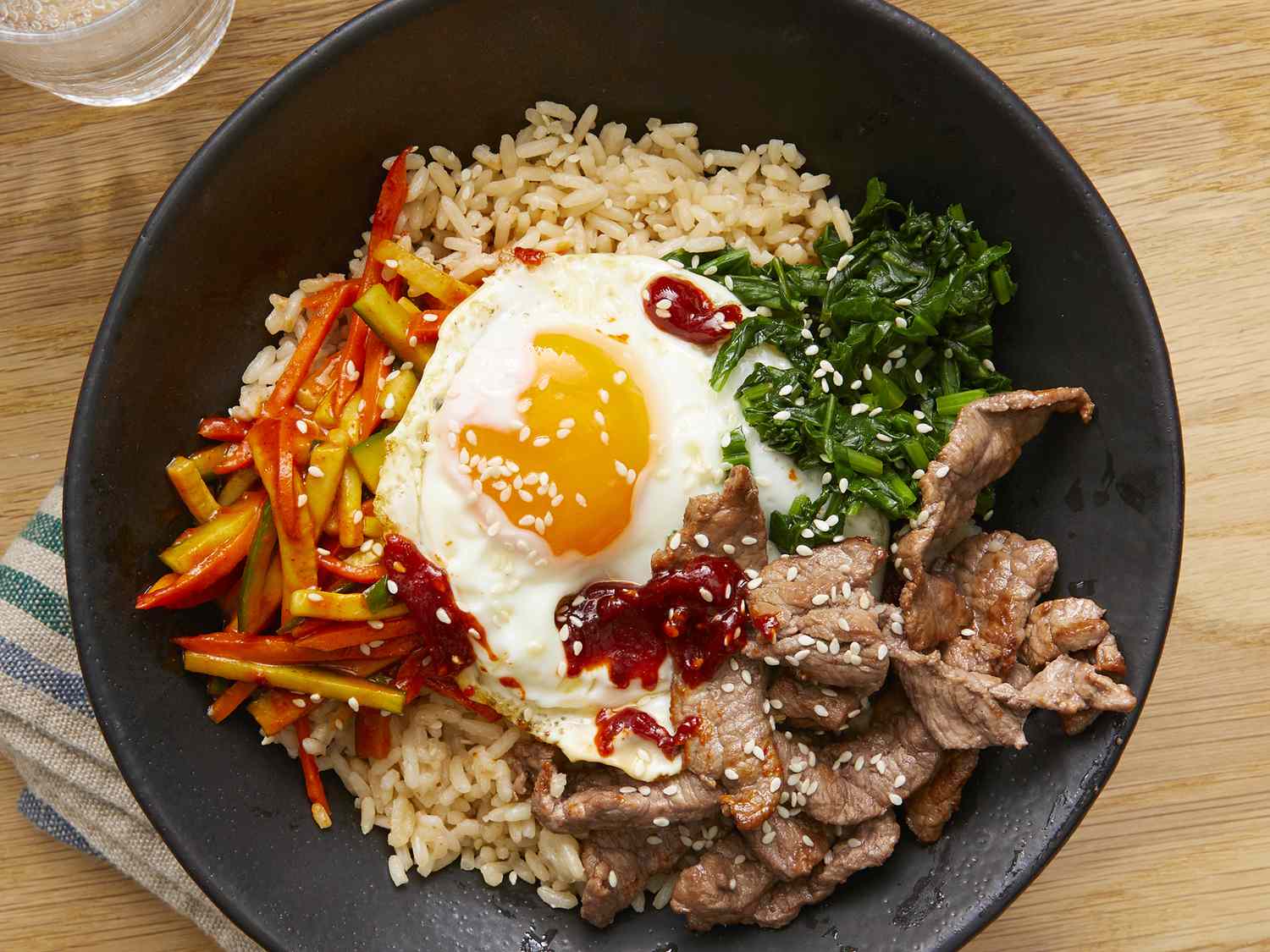
Bibimbap
A colorful rice bowl topped with seasoned vegetables, beef, a fried egg, and spicy gochujang to mix through.
About This Recipe
This classic Korean rice bowl is a vibrant, multi-textured dish that perfectly showcases the balance of fresh vegetables and savory meat. Known for its colorful presentation and popularity, this dairy-free meal combines warm steamed rice with individually prepared toppings, offering a wonderful contrast of textures in every bite.
What makes this preparation truly successful is the deliberate, separate treatment of each component. By blanching and seasoning the spinach and bean sprouts individually, and julienning the carrot, you preserve the distinct crunch and clean flavor of each vegetable. Searing the ground beef with soy, garlic, and sesame oil provides a deeply savory, aromatic base that anchors the fresher elements of the bowl.
To ensure the best results when preparing this dish, slice the carrot into thin, uniform matchsticks so they cook quickly while retaining a pleasant bite. When frying the eggs, aim for a perfect sunny-side-up finish with a runny yolk. This yolk acts as a rich, natural sauce that emulsifies with the spicy gochujang paste when everything is stirred together.
Assemble the bowls by arranging the colorful vegetables and beef in neat mounds over the rice, placing the fried egg right in the center. Serve this dish immediately while hot, encouraging everyone to thoroughly mix the ingredients with the gochujang before eating. For any leftovers, store the seasoned beef and vegetables in separate airtight containers in the refrigerator to keep the flavors fresh.
Ingredients
- 4 cups Steamed rice
- 300 g Ground beef
- 150 g Spinach
- 1 large Carrot
- 150 g Bean sprouts
- 4 large Eggs
- 4 tbsp Gochujang
Instructions
- 1
Season and cook the beef with soy, garlic, and sesame oil.
6 min
- 2
Blanch and season each vegetable separately.
12 min
- 3
Fry the eggs sunny-side up.
3 min
- 4
Arrange rice in bowls with vegetables, beef, and egg on top.
3 min
- 5
Add gochujang and mix everything together before eating.
1 min
Nutrition Facts
560
kcal
Calories
28
g
Protein
68
g
Carbs
20
g
Fat
5
g
Fiber
940
mg
Sodium
Rate This Recipe
Beverage Pairings
Korean dining is built for sharing, and so are its drinks: clean soju passes around the table, and light beer (often mixed with soju as “somaek”) refreshes against barbecue and spice. Barley tea and fresh sodas cool the palate for those skipping alcohol.
Wine, Beer & Spirits
Off-dry fruit balances the sweet-spicy heat of Korean sauces. A little sweetness tempers the chilli heat.
Serve well chilled (8°C).
Clean and neutral, it cuts through fatty barbecue and refreshes between bites. A little sweetness tempers the chilli heat.
Serve chilled in small glasses.
A crisp lager tempers the heat of gochujang and kimchi.
Serve ice-cold.
Dry rosé is remarkably versatile across savory dishes.
Serve well chilled (8–10°C).
Non-Alcoholic
Grassy and clean, it resets the palate across many banchan.
Steep at 75–80°C for 2 minutes.
Tangy and fizzy — a cooling alcohol-free option against spice. A little sweetness tempers the chilli heat.
Serve over ice.
A cooling yogurt drink to soothe the spice. A little sweetness tempers the chilli heat.
Serve cold.
A neutral refresher for a spicy, varied spread.
Serve cold with a citrus twist.
Tips & Guidance
- 1The banchan (vegetable side dishes) should each be seasoned differently — some with sesame oil, some with soy sauce, some with gochugaru. This variety is what makes each bite of bibimbap interesting.
- 2For dolsot bibimbap (stone bowl version), heat the stone bowl on the stove until a drop of sesame oil smokes immediately. Press rice firmly into the bowl and let it sit undisturbed for 3–5 minutes. The result is a golden, crunchy rice crust (nurungji) that is the best part of the dish.
- 3Use gochujang sauce (bibimbap sauce) made by mixing gochujang with sesame oil, sugar, rice vinegar, and a splash of water. Raw gochujang straight from the jar is too thick and intense.
Gochujang is a fermented chili paste with deep umami. This blend approximates the flavor but lacks the fermented complexity.
Both have the sticky texture needed for bibimbap. Long-grain rice does not clump properly and falls apart.
Crumble firm tofu, season with soy sauce, sesame oil, garlic, and gochugaru. Pan-fry until lightly crispy.
- Mixing everything together before tasting. The beauty of bibimbap is the composed presentation — admire it, take a photo if you like, then mix vigorously from the bottom up with chopsticks and a spoon.
- Skipping the fried egg. The runny yolk acts as a sauce that binds all the components together. A set yolk loses this function.
- Using too few vegetables. Authentic bibimbap has 4–6 different banchan (spinach, bean sprouts, zucchini, carrots, mushrooms, radish). Three vegetables is a minimum for proper variety.
Store each component (rice, banchan, protein, sauce) separately. The assembled dish does not store well — the rice absorbs moisture and the vegetables wilt. Individual components keep 3–4 days refrigerated. Cook the egg fresh for each serving.
- Bibimbap Fried Rice — stir-fry leftover rice and banchan together in a hot wok with gochujang sauce and a drizzle of sesame oil.
- Bibimbap Kimbap — roll leftover banchan and rice in seaweed sheets for Korean-style sushi rolls. Slice and serve with soy-sesame dipping sauce.
- Banchan Grain Bowl — arrange leftover vegetable sides over quinoa or farro instead of rice for a lighter meal.
You Might Also Like
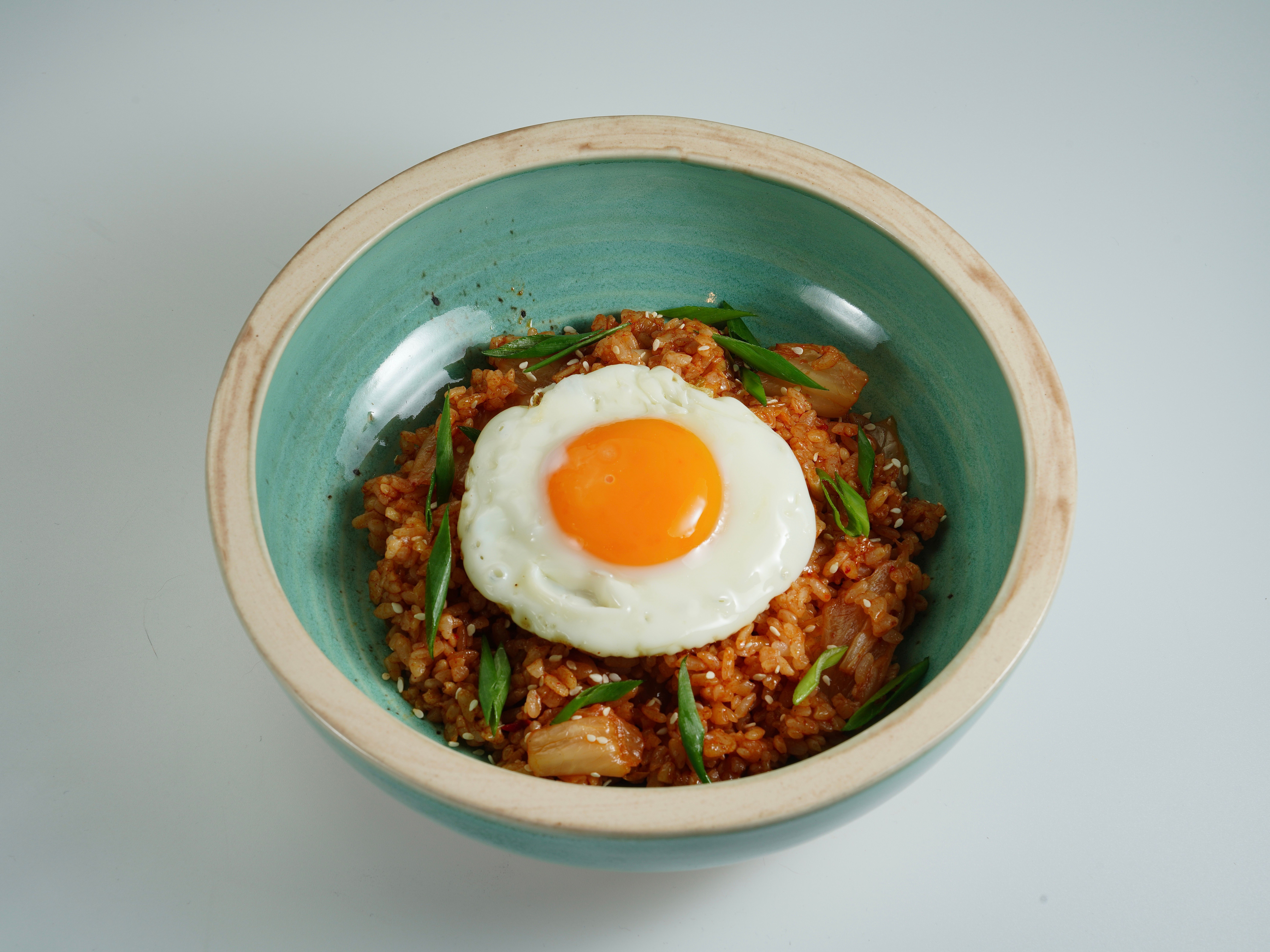
Korean Kimchi Fried Rice
Spicy, tangy kimchi bokkeumbap that transforms a jar of kimchi and day-old rice into a fiery, deeply savory meal in minutes — pure budget comfort food.

Korean Fried Chicken
Double-fried for extra crunch and glazed in a sticky sweet-spicy gochujang sauce.
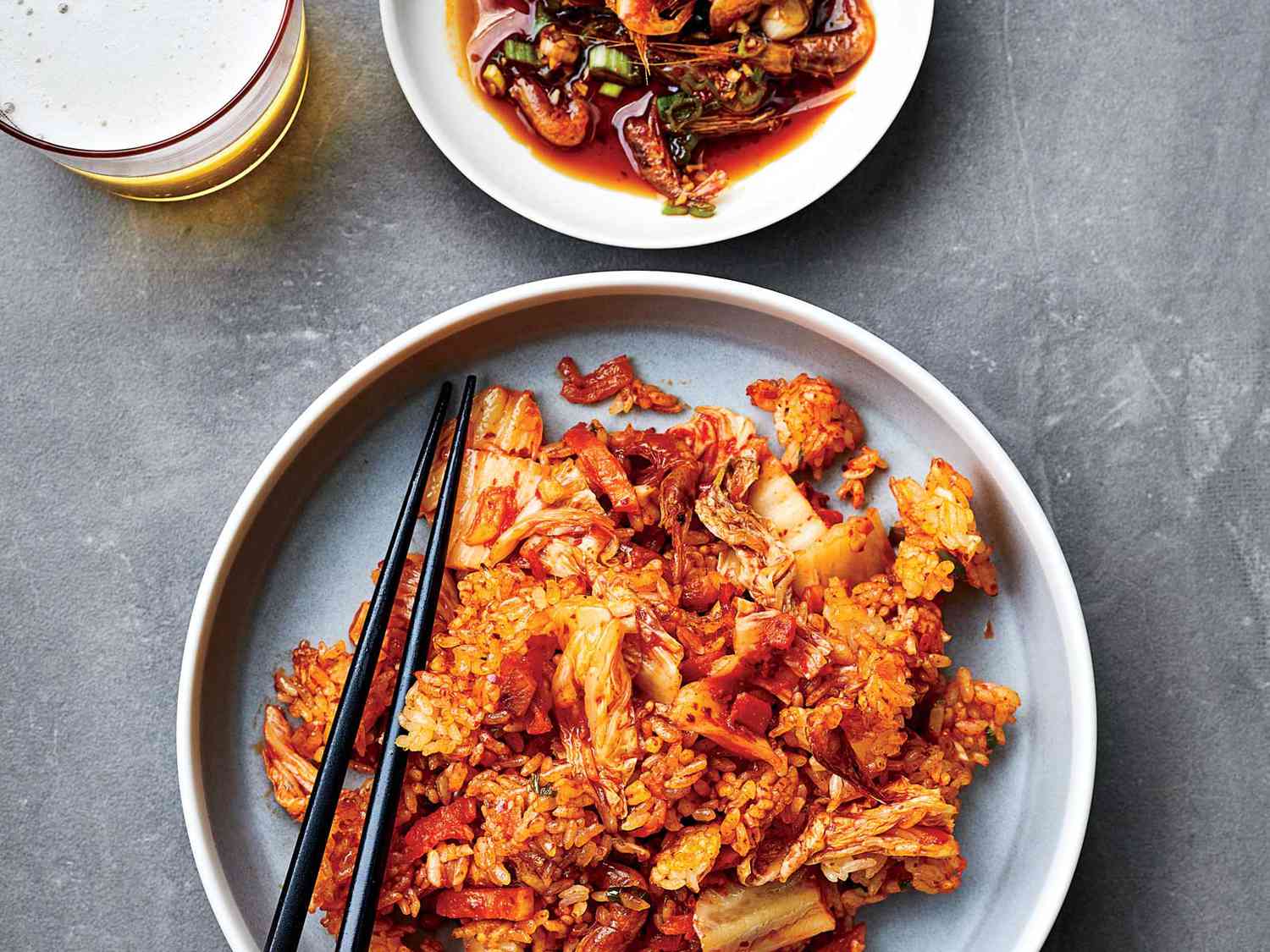
Kimchi Fried Rice
Tangy, spicy fried rice built on ripe kimchi and finished with a runny fried egg — the ultimate fridge-clear-out meal.
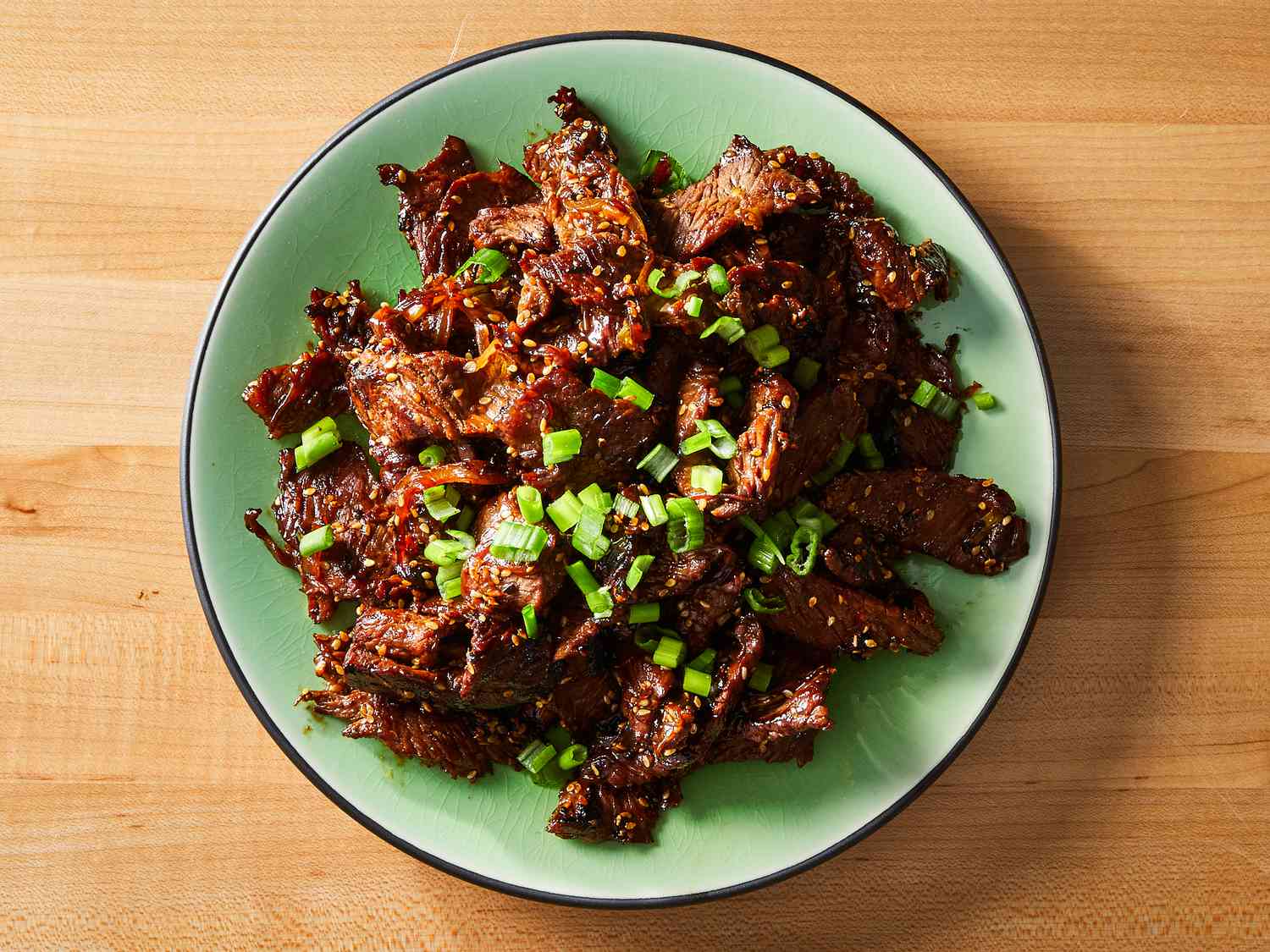
Beef Bulgogi
Thinly sliced beef marinated in a sweet-savory soy-pear sauce, seared hot and fast until caramelized.
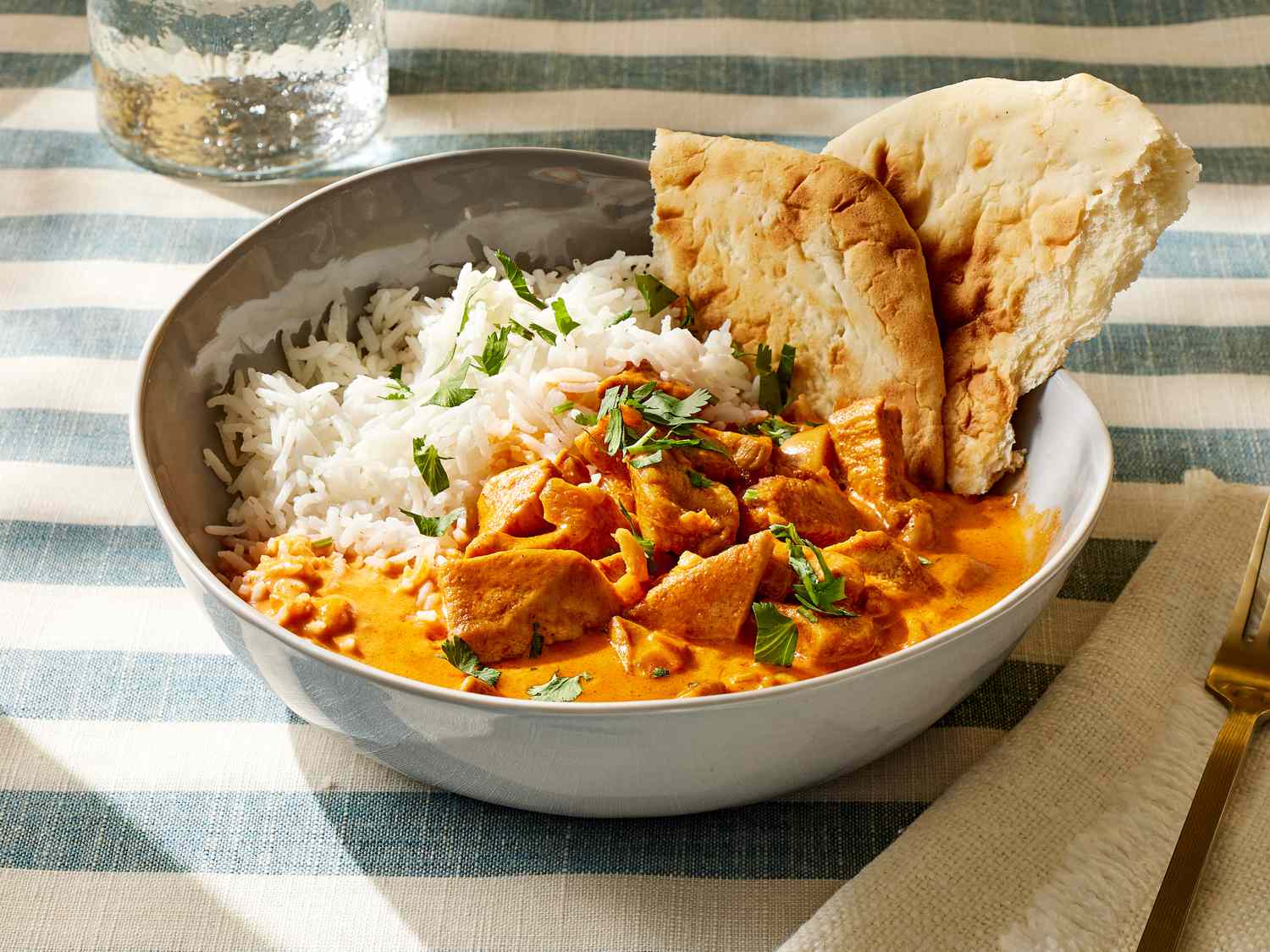
Butter Chicken
Tandoori-spiced chicken simmered in a velvety tomato-cream sauce with fenugreek and warm spices.
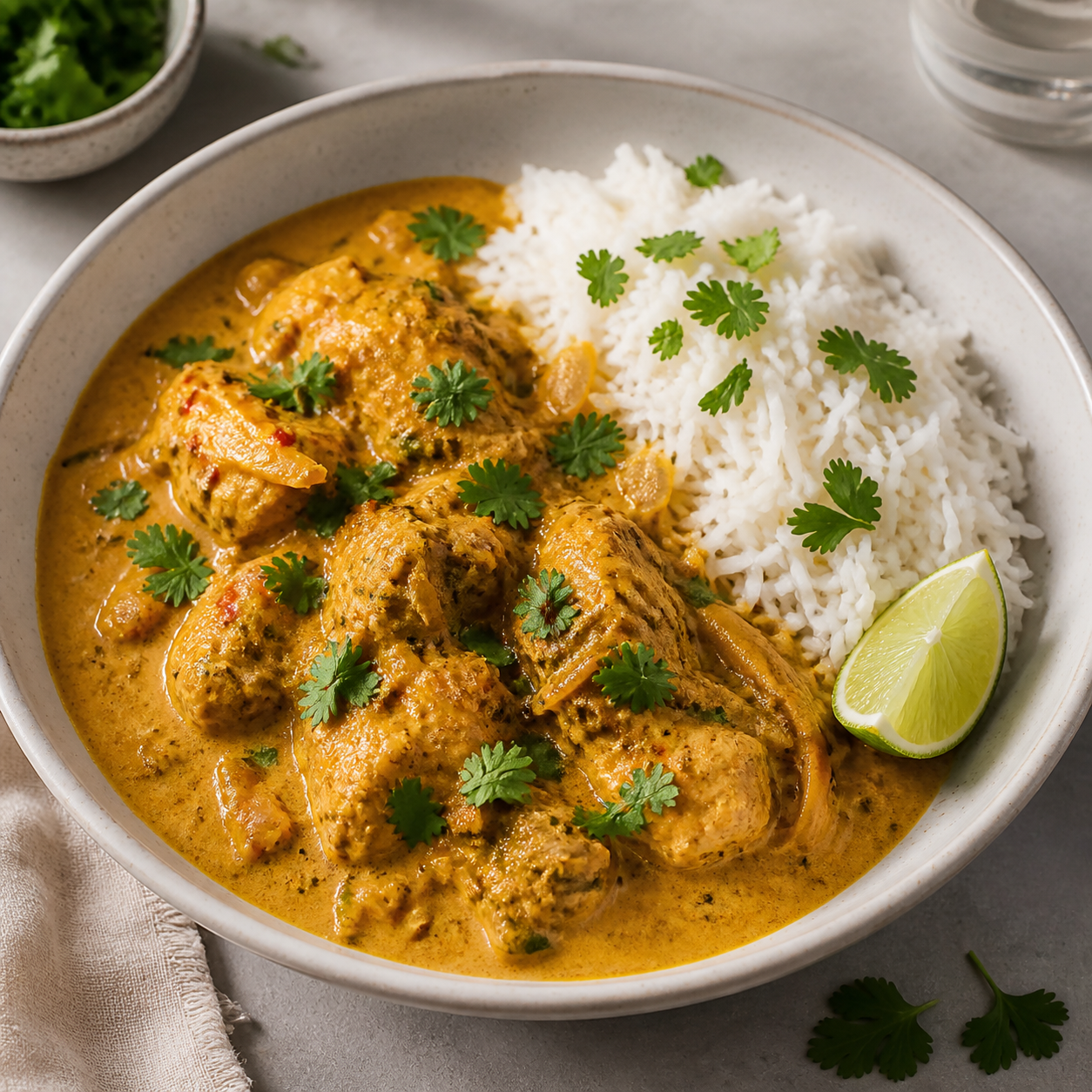
Creamy Slow Cooker Chicken Curry
Tender chicken simmered with onion, ginger, warm spices, and a silky cream finish for a comforting curry with rich flavor.
Explore Related Collections
Cooking Guides
Understanding Cooking Methods: Dry Heat, Moist Heat, and More
Every cooking method changes texture and flavor in a specific way. Knowing which to choose is the key to cooking anything well.
Read guideBuilding Balanced Meals: A Simple Framework
You do not need to count anything to eat well. A simple visual framework does the work for you.
Read guideEssential Kitchen Skills Every Home Cook Should Know
A short list of fundamental skills will do more for your cooking than any gadget. Here are the ones that matter most.
Read guide