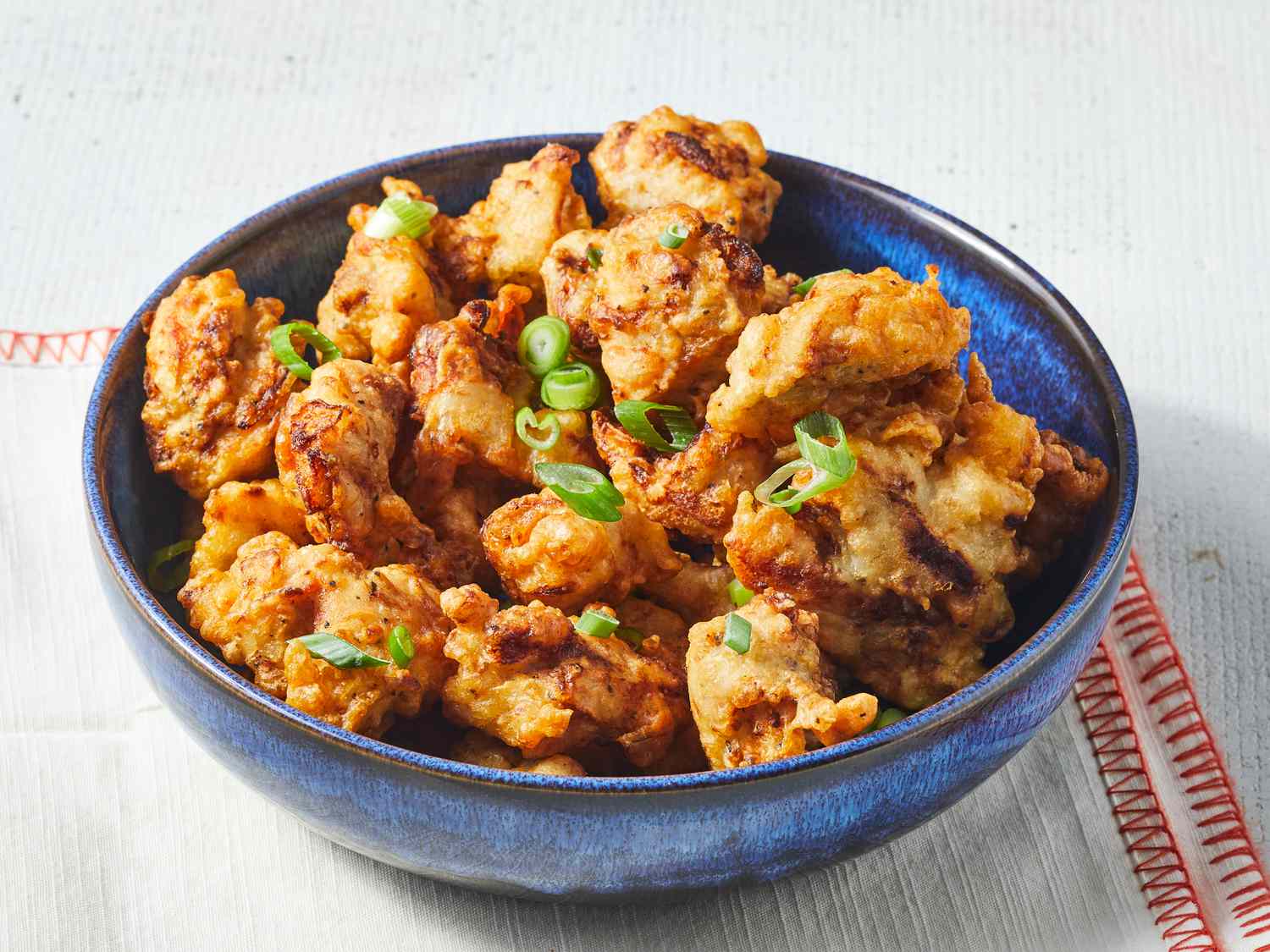
Korean Fried Chicken
Double-fried for extra crunch and glazed in a sticky sweet-spicy gochujang sauce.
About This Recipe
This classic Korean fried chicken delivers the ultimate balance of a shatteringly crisp exterior and a rich, savory-sweet glaze. Characterized by its signature crunch and bold, spicy undertones, this dairy-free dish is a beloved staple of Korean casual dining. It strikes a perfect harmony between the fiery depth of gochujang and the natural sweetness of honey, creating a coating that clings beautifully to every bite.
The secret to this recipe's exceptional texture lies in two key techniques. First, coating the chicken wings in potato starch rather than standard flour creates a remarkably light, delicate crust. Second, a precise double-frying method is used. The initial fry at a lower temperature cooks the meat through, while the second quick fry at a higher temperature drives out any remaining moisture, ensuring the wings stay incredibly crispy even after they are tossed in the warm glaze.
When preparing this dish, maintain steady oil temperatures using a kitchen thermometer, as dropping the wings in all at once can lower the heat too quickly. For a milder variation, you can slightly reduce the gochujang and increase the honey. To preserve the signature crunch, serve these wings immediately while hot, garnished with a sprinkle of sesame seeds, alongside pickled radishes or a cold, refreshing beverage to balance the heat.
Ingredients
- 900 g Chicken wings
- 150 g Potato starch
- 3 tbsp Gochujang
- 2 tbsp Soy sauce
- 3 tbsp Honey
- 4 cloves Garlic
Instructions
- 1
Coat wings in potato starch for maximum crispness.
5 min
- 2
Fry at 170°C, rest, then fry again at 190°C until deeply crisp.
14 min
- 3
Simmer gochujang, soy, honey, and garlic into a glaze.
3 min
- 4
Toss the hot wings in the glaze and top with sesame seeds.
2 min
Nutrition Facts
590
kcal
Calories
34
g
Protein
44
g
Carbs
30
g
Fat
1
g
Fiber
1180
mg
Sodium
Rate This Recipe
Beverage Pairings
Korean dining is built for sharing, and so are its drinks: clean soju passes around the table, and light beer (often mixed with soju as “somaek”) refreshes against barbecue and spice. Barley tea and fresh sodas cool the palate for those skipping alcohol.
Wine, Beer & Spirits
A crisp lager tempers the heat of gochujang and kimchi. Enough structure to stand up to a rich, hearty dish.
Serve ice-cold.
Off-dry fruit balances the sweet-spicy heat of Korean sauces. A little sweetness tempers the chilli heat.
Serve well chilled (8°C).
Clean and neutral, it cuts through fatty barbecue and refreshes between bites. A little sweetness tempers the chilli heat.
Serve chilled in small glasses.
Dry rosé is remarkably versatile across savory dishes. Enough structure to stand up to a rich, hearty dish.
Serve well chilled (8–10°C).
Non-Alcoholic
Grassy and clean, it resets the palate across many banchan. Enough structure to stand up to a rich, hearty dish.
Steep at 75–80°C for 2 minutes.
A cooling yogurt drink to soothe the spice. A little sweetness tempers the chilli heat.
Serve cold.
Tangy and fizzy — a cooling alcohol-free option against spice. A little sweetness tempers the chilli heat.
Serve over ice.
A neutral refresher for a spicy, varied spread. Enough structure to stand up to a rich, hearty dish.
Serve cold with a citrus twist.
Tips & Guidance
- 1Double-fry for maximum crunch. Fry at 325°F for 8–10 minutes to cook through, rest 5 minutes, then fry again at 375°F for 3–4 minutes until deeply golden. The double-fry drives out more moisture and creates an extraordinarily crispy coating.
- 2Use potato starch or cornstarch instead of wheat flour for the coating. Starch-based coatings produce a thinner, crispier, glass-like shell that stays crunchy even under a heavy glaze.
- 3Toss in the sauce at the very last moment and serve immediately. Korean fried chicken sauces (yangnyeom, soy garlic) are designed for immediate consumption — the crispy coating absorbs moisture within 10 minutes.
Approximates the fermented chili flavor. Gochujang has a deeper, more complex sweetness that sriracha lacks, so add a touch of honey.
A vegetarian version that works remarkably well with the double-fry technique. Blanch cauliflower first, then coat and fry.
Rice syrup gives the sauce its characteristic sticky sheen. Corn syrup is the closest substitute; honey adds a distinct flavor.
- Overcrowding the fryer. Too many pieces lower the oil temperature, resulting in greasy, soggy chicken instead of crispy.
- Marinating in buttermilk without sufficient time. Korean fried chicken benefits from at least 4 hours (preferably overnight) in a garlic-ginger-soy marinade.
- Applying the glaze to all pieces at once if serving a crowd. Glaze in batches as people are ready to eat — the coating degrades quickly once sauced.
Korean fried chicken is a serve-immediately dish — the crispy coating does not survive storage well. If storing, refrigerate unglazed pieces for up to 2 days and re-crisp in a 400°F oven for 10 minutes. Apply sauce fresh after reheating. Do not microwave.
- KFC Bao Buns — steam bao buns, fill with chopped reheated chicken, pickled daikon, cucumber, and a drizzle of gochujang mayo.
- KFC Bibimbap — chop leftover chicken over hot rice with sautéed vegetables, a fried egg, and gochujang sauce.
- KFC Salad — slice cold chicken over mixed greens with pickled radish, sesame seeds, and a sesame-soy vinaigrette.
You Might Also Like
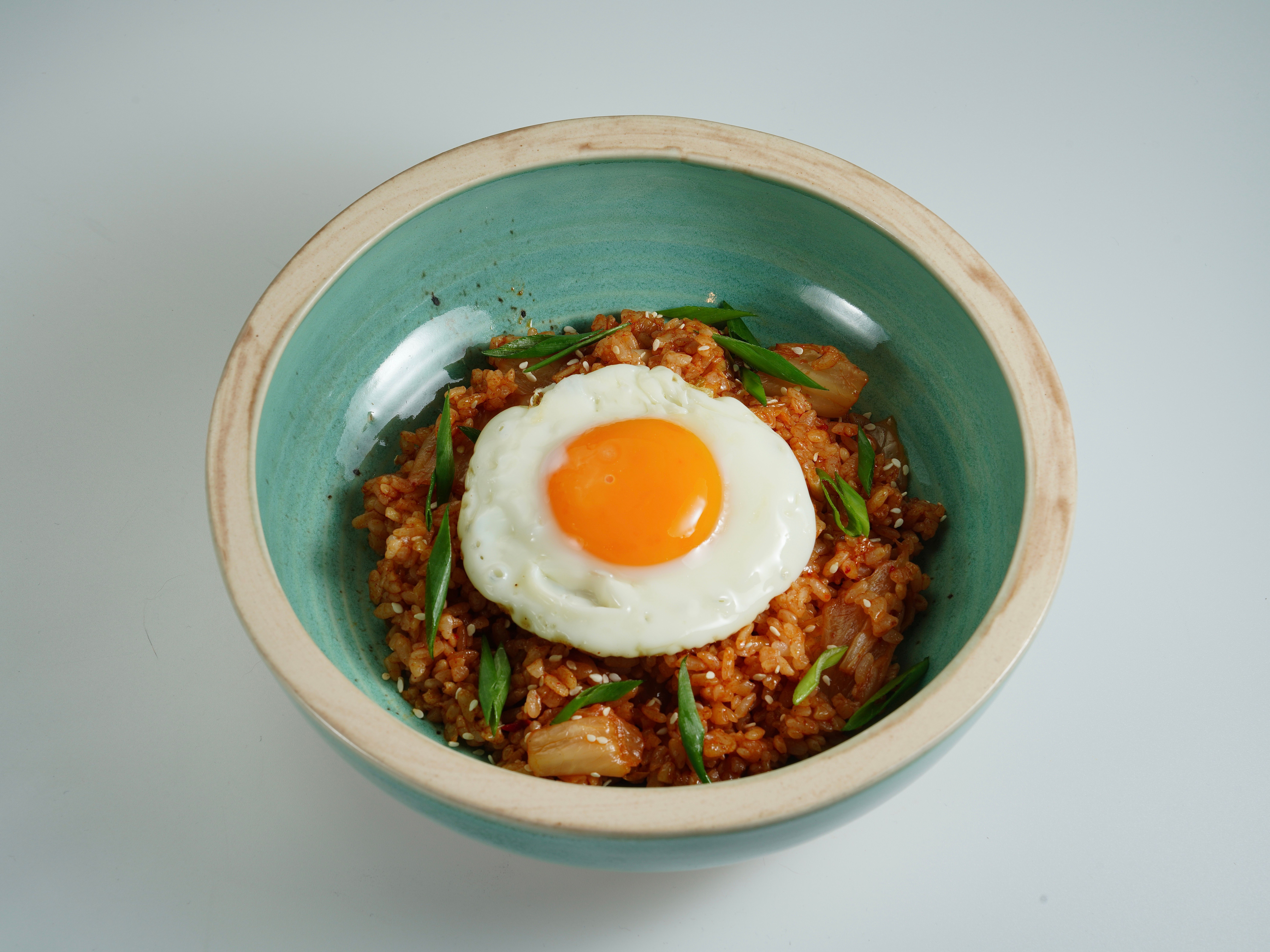
Korean Kimchi Fried Rice
Spicy, tangy kimchi bokkeumbap that transforms a jar of kimchi and day-old rice into a fiery, deeply savory meal in minutes — pure budget comfort food.
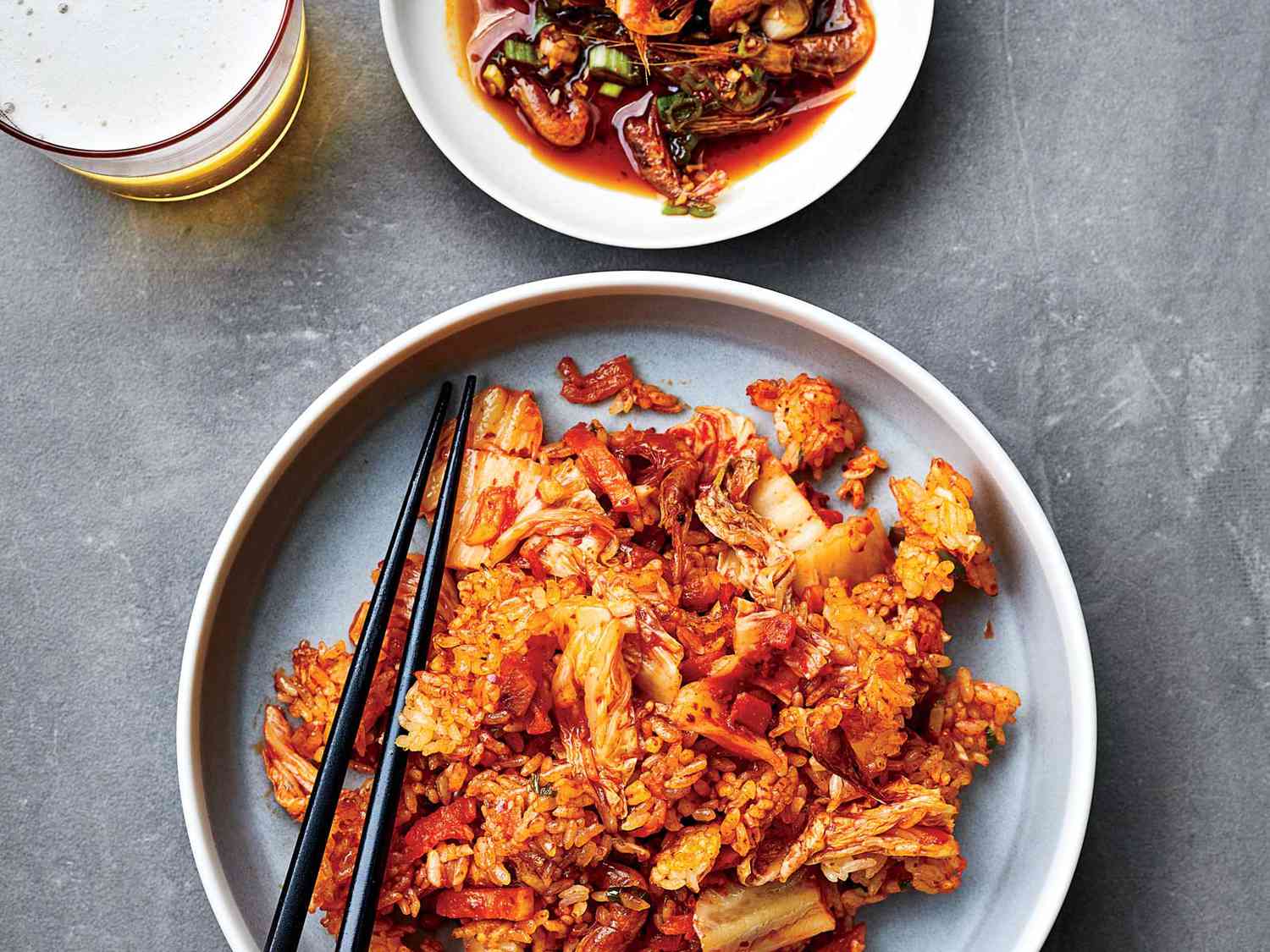
Kimchi Fried Rice
Tangy, spicy fried rice built on ripe kimchi and finished with a runny fried egg — the ultimate fridge-clear-out meal.
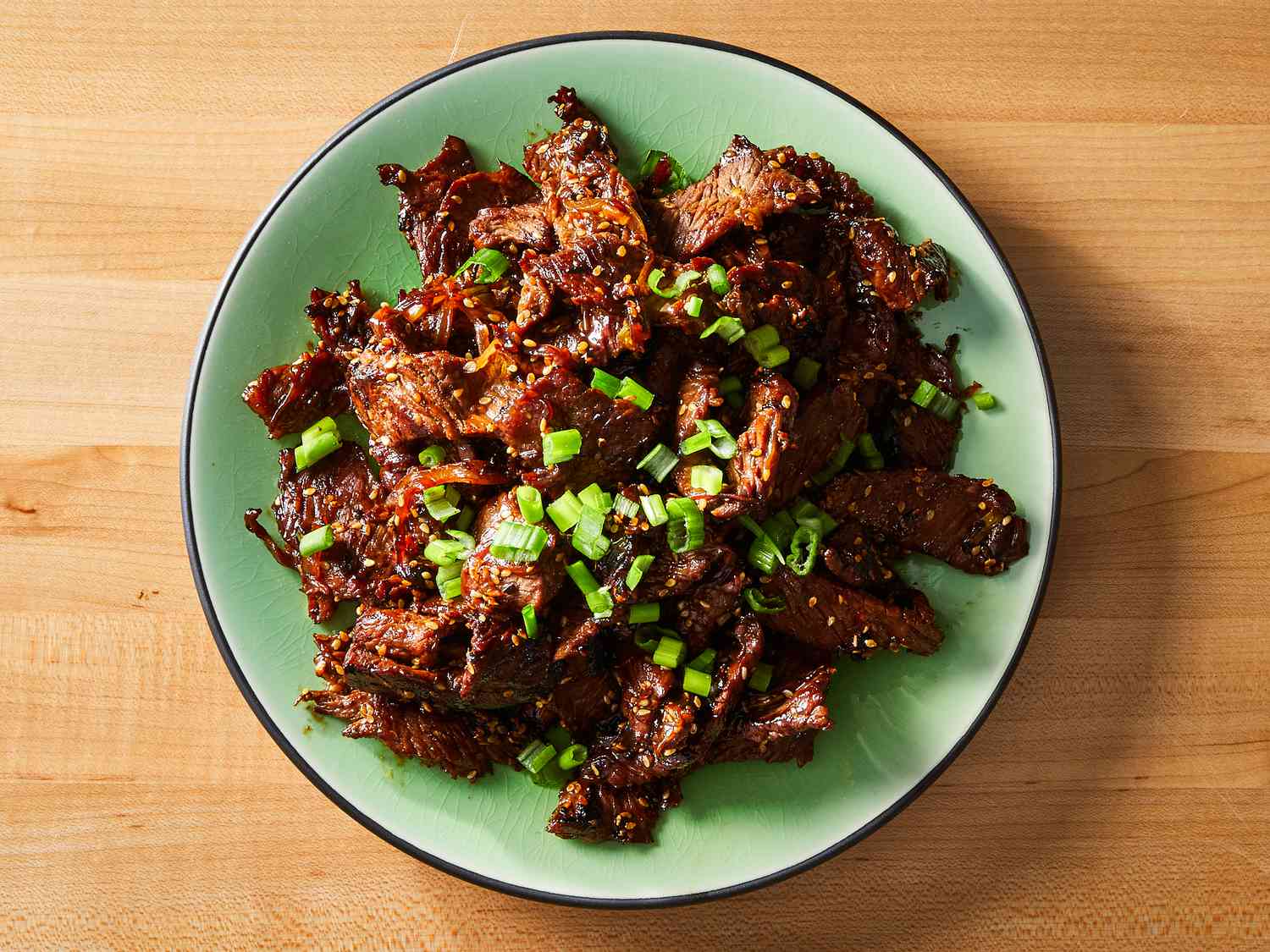
Beef Bulgogi
Thinly sliced beef marinated in a sweet-savory soy-pear sauce, seared hot and fast until caramelized.
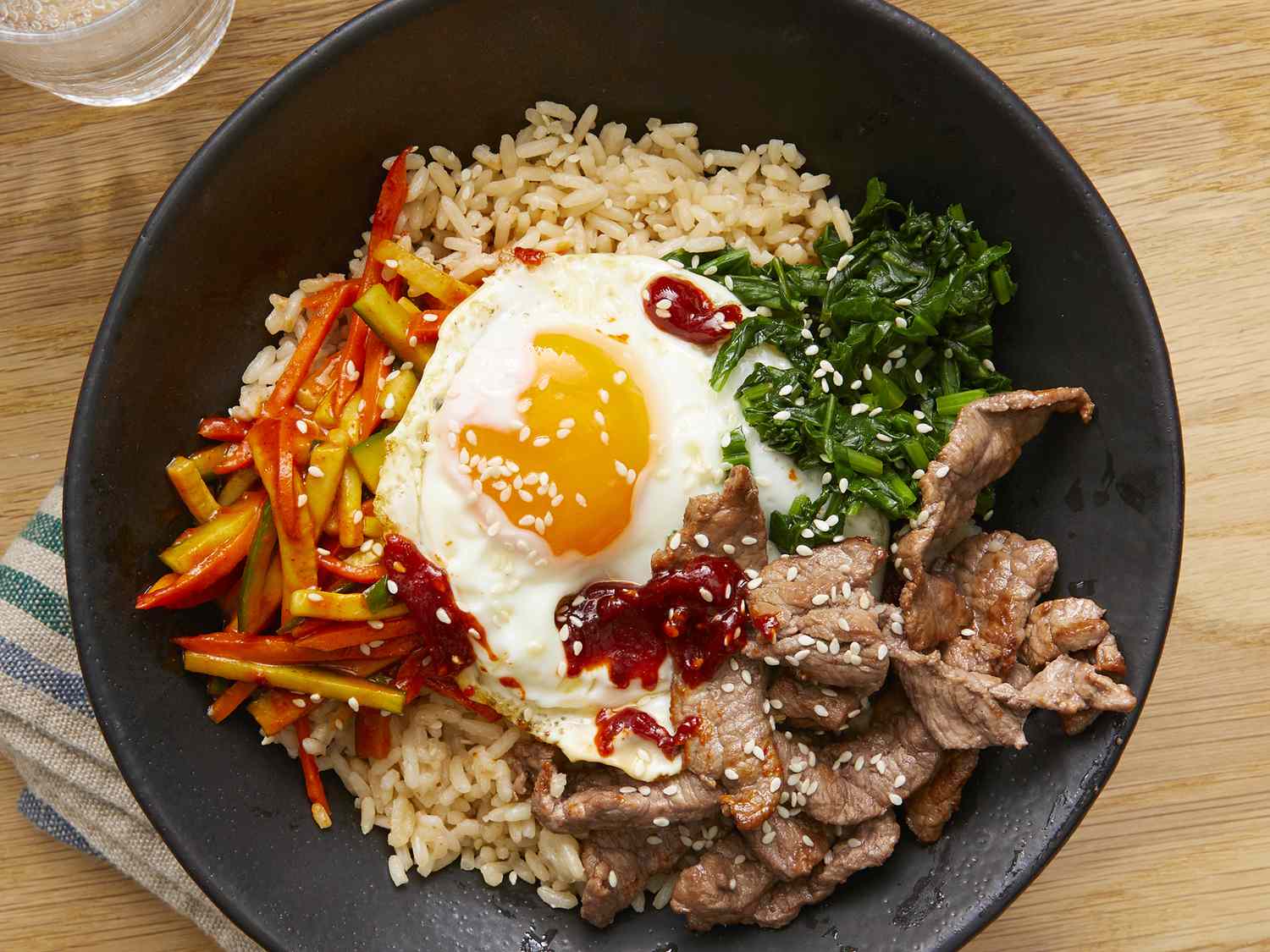
Bibimbap
A colorful rice bowl topped with seasoned vegetables, beef, a fried egg, and spicy gochujang to mix through.
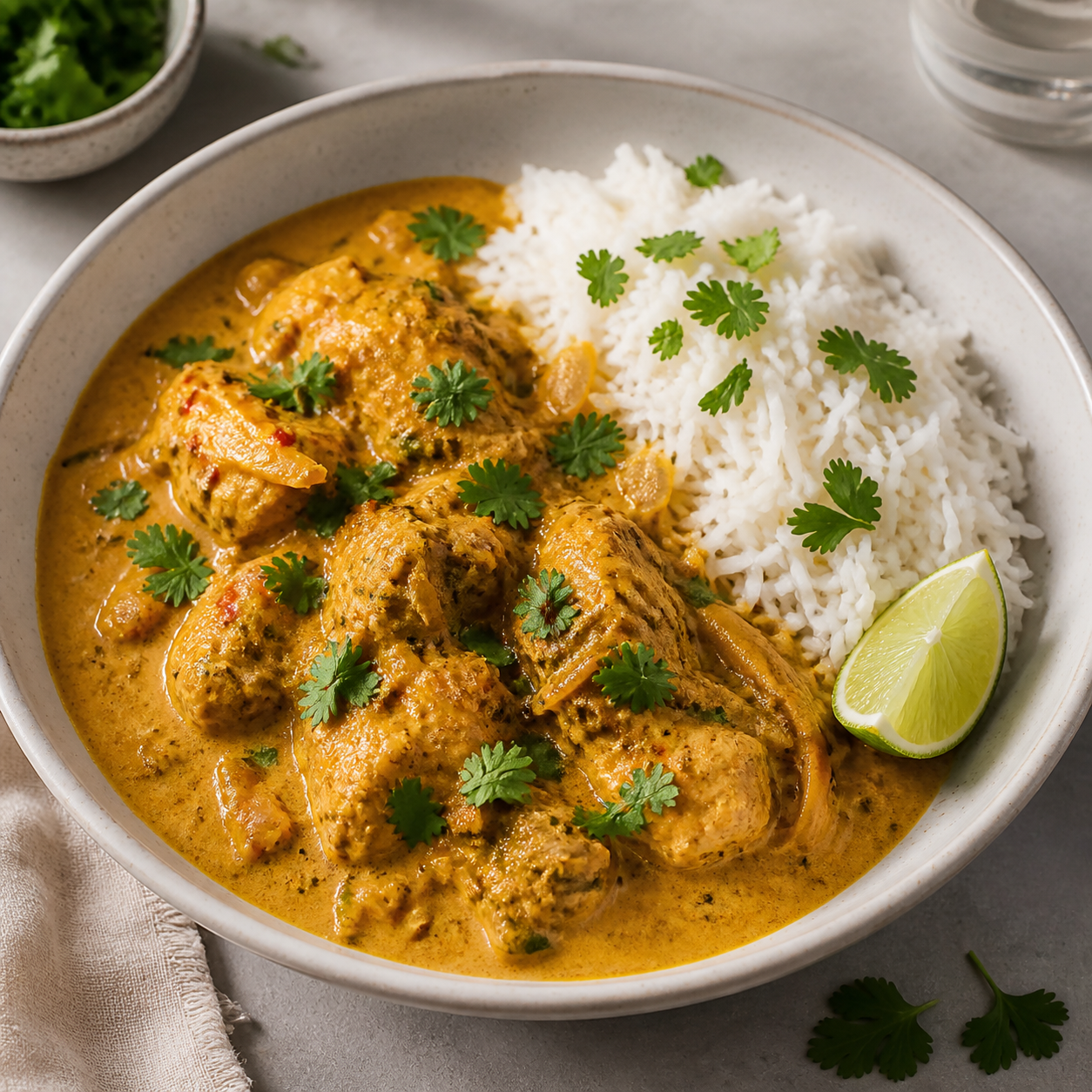
Creamy Slow Cooker Chicken Curry
Tender chicken simmered with onion, ginger, warm spices, and a silky cream finish for a comforting curry with rich flavor.
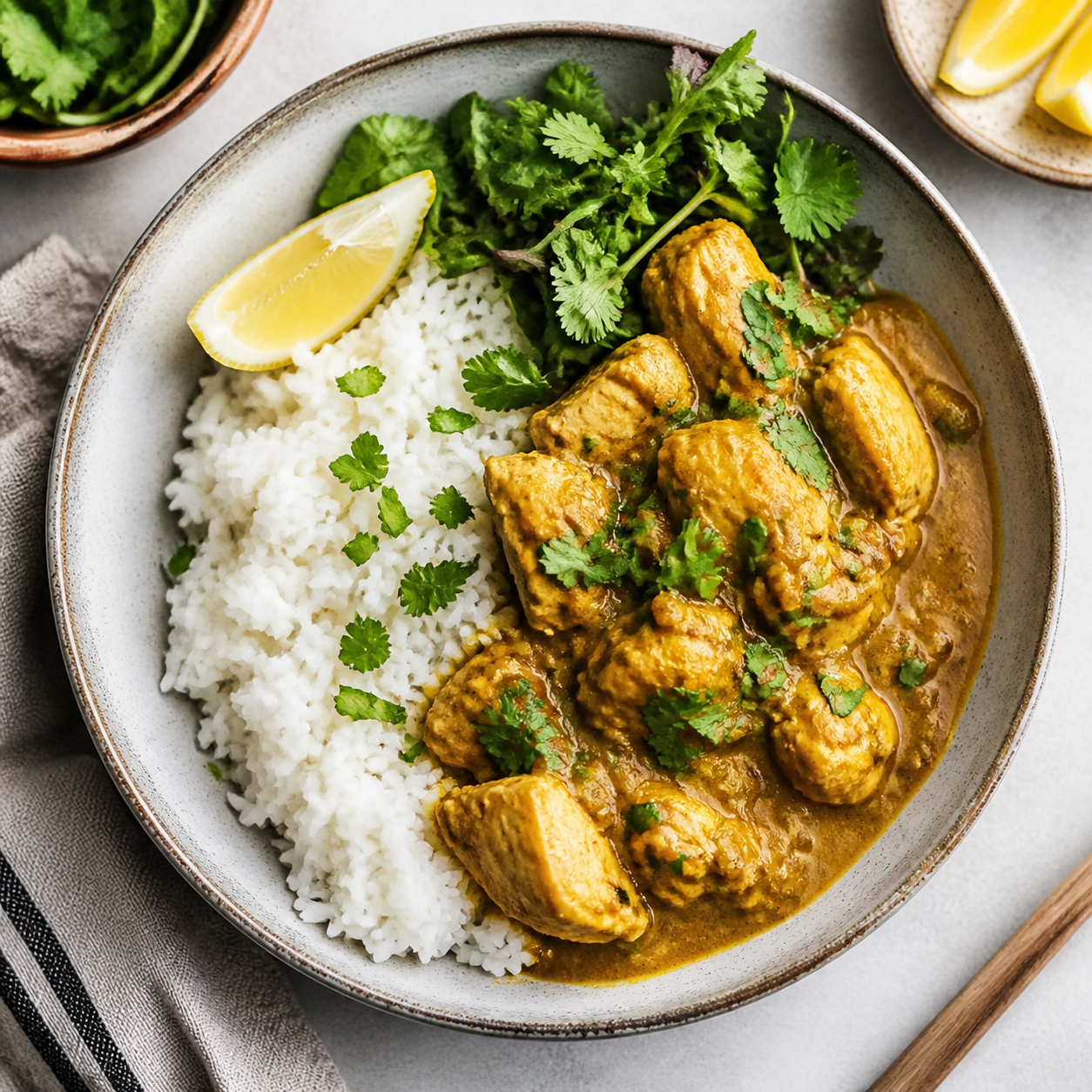
Quick Ethiopian Chicken Curry Rice Bowls
A fragrant, mildly spiced chicken curry inspired by Ethiopian flavors, finished in under an hour and served over fluffy rice for a satisfying weeknight meal.
Explore Related Collections
Cooking Guides
Understanding Cooking Methods: Dry Heat, Moist Heat, and More
Every cooking method changes texture and flavor in a specific way. Knowing which to choose is the key to cooking anything well.
Read guideBuilding Balanced Meals: A Simple Framework
You do not need to count anything to eat well. A simple visual framework does the work for you.
Read guideEssential Kitchen Skills Every Home Cook Should Know
A short list of fundamental skills will do more for your cooking than any gadget. Here are the ones that matter most.
Read guide