Chilean Cuisine
Coastal, earthy, and hearty — Pacific bounty meets Andean warmth.
Introduction
Chilean cuisine is shaped by the country's extraordinary geography — a narrow strip between the Andes and the Pacific, stretching from the Atacama Desert to Patagonia. This dramatic landscape gives Chile access to some of the world's finest seafood, fertile Central Valley produce, and Andean traditions that stretch back millennia. The cooking is hearty, honest, and deeply comforting.
Empanadas de pino (beef, onion, egg, and olive), rich cazuelas (brothy stews), and the legendary curanto (a Chiloé pit-cook of shellfish, meat, and potatoes) capture the Chilean spirit: unpretentious food made exceptional by quality ingredients and time-honored technique.
History
Chilean cuisine draws from Mapuche indigenous traditions, Spanish colonial cooking, and later German, Italian, and Croatian immigrant influences. The Mapuche contributed potatoes (Chile is one of the potato's ancestral homelands), corn, merken (smoked chili flakes), and the concept of the curanto earth-oven. Spanish colonizers brought wheat, cattle, wine grapes, and Mediterranean techniques.
German immigrants in the Lake District introduced kuchen (cakes), sausages, and beer traditions. The country's extraordinary wine heritage — Carménère, the lost Bordeaux grape, found its home here — has elevated Chilean gastronomy on the world stage.
Cultural Context
The once (afternoon tea) is a Chilean institution — a late-afternoon meal of bread, avocado, cheese, cold cuts, and tea or coffee that often replaces dinner. The name supposedly derives from the Spanish word for 'eleven' (once), referring to the eleven letters in 'aguardiente' (spirit).
Fiestas patrias (national holidays in September) revolve around food: empanadas, anticuchos, choripán, and mote con huesillos (wheat berry and dried-peach drink). Wine is integral — Chile is one of the world's great wine-producing nations.
Regional Variations
Empanadas de pino, cazuelas, pastel de choclo, and the city's vibrant market scene at La Vega Central.
The birthplace of curanto — a dramatic earth-oven pit-cook of shellfish, sausage, chicken, and potatoes.
Mining-country cooking: hearty stews, quinoa from the altiplano, and Pacific seafood.
German-influenced kuchen, smoked meats, and fresh trout from Patagonian lakes.
Core Ingredients
Chile's long Pacific coast yields extraordinary diversity: sea bass, razor clams, mussels, abalone, and sea urchin.
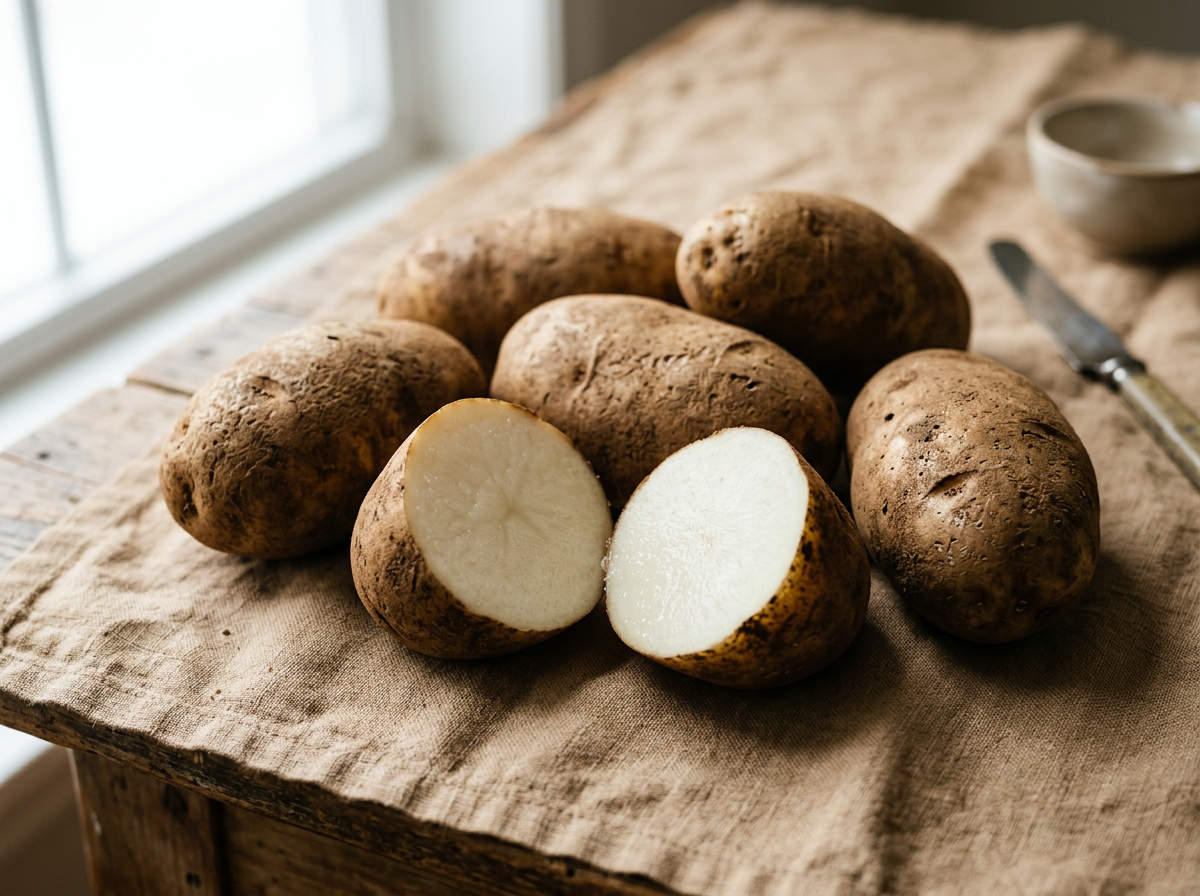
Chile is home to hundreds of native varieties — baked, mashed, in stews, and in the Chiloé milcao.
Sweet and starchy, used in pastel de choclo, humitas, and empanada fillings.
Mapuche smoked chili flakes — Chile's signature spice, adding smoky heat to meats and stews.
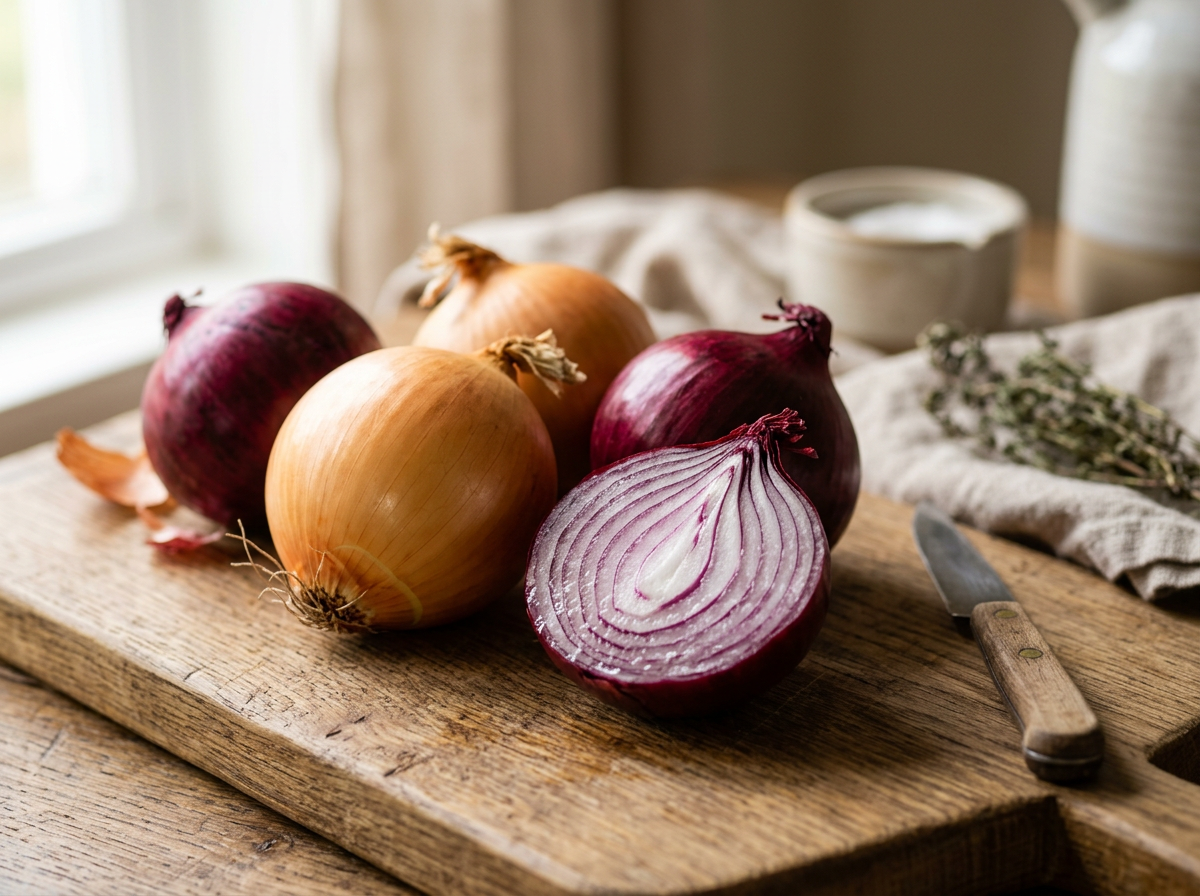
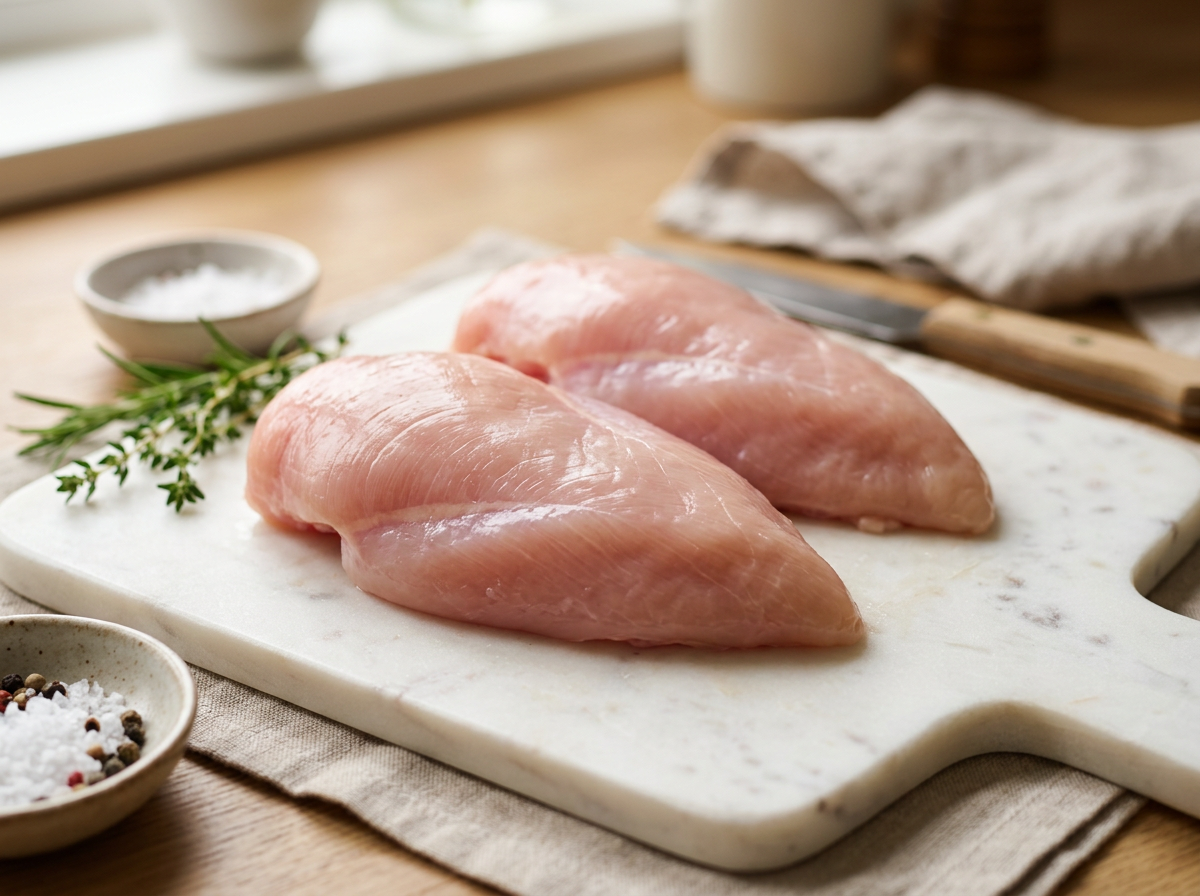
Used in empanadas, cazuelas, and as grilled anticuchos and choripán.
Eaten daily — mashed on bread, in salads, and alongside virtually every meal.
Signature Techniques
A pit is heated with fire-hot stones; shellfish, meat, and potatoes are layered and covered with leaves to steam underground.
Dough is filled with pino (beef, onion, raisins, olive, hard-boiled egg), folded, and baked until golden.
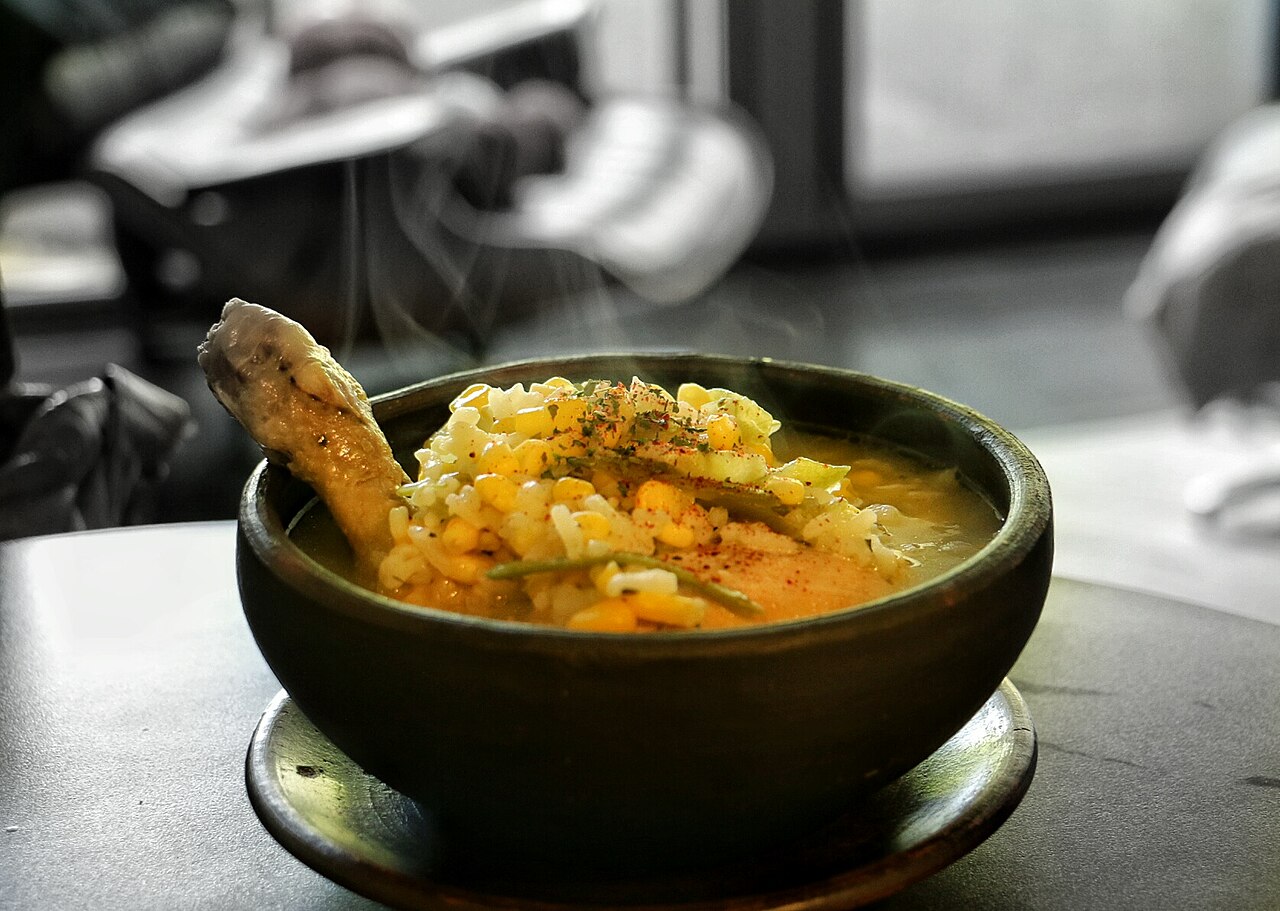
A clear, nourishing broth is built from beef or chicken with potatoes, squash, corn, and green beans.
A savory pino filling is topped with sweet corn purée and baked until the top is golden and caramelized.
Signature Dishes
Baked pastry filled with beef, onion, hard-boiled egg, olive, and raisins — the national snack.
A Chiloé earth-oven feast of shellfish, sausage, chicken, and potatoes — cooked over hot stones.
A clear, comforting broth with a piece of meat, potato, squash, corn, and green beans.
A savory-sweet casserole of ground beef topped with creamy corn purée, baked until golden.
Chile's loaded hot dog — topped with avocado, tomato, mayonnaise, and sauerkraut.
Chilean Recipes to Cook
Key Ingredients to Explore
Cooking Guides You May Like
The Essentials of Caribbean & Latin American Cooking
Bright citrus, smoky spice, and fresh seafood define the cooking of the Caribbean and Latin America. Here is an introduction.
Understanding Cooking Methods: Dry Heat, Moist Heat, and More
Every cooking method changes texture and flavor in a specific way. Knowing which to choose is the key to cooking anything well.
Essential Kitchen Skills Every Home Cook Should Know
A short list of fundamental skills will do more for your cooking than any gadget. Here are the ones that matter most.