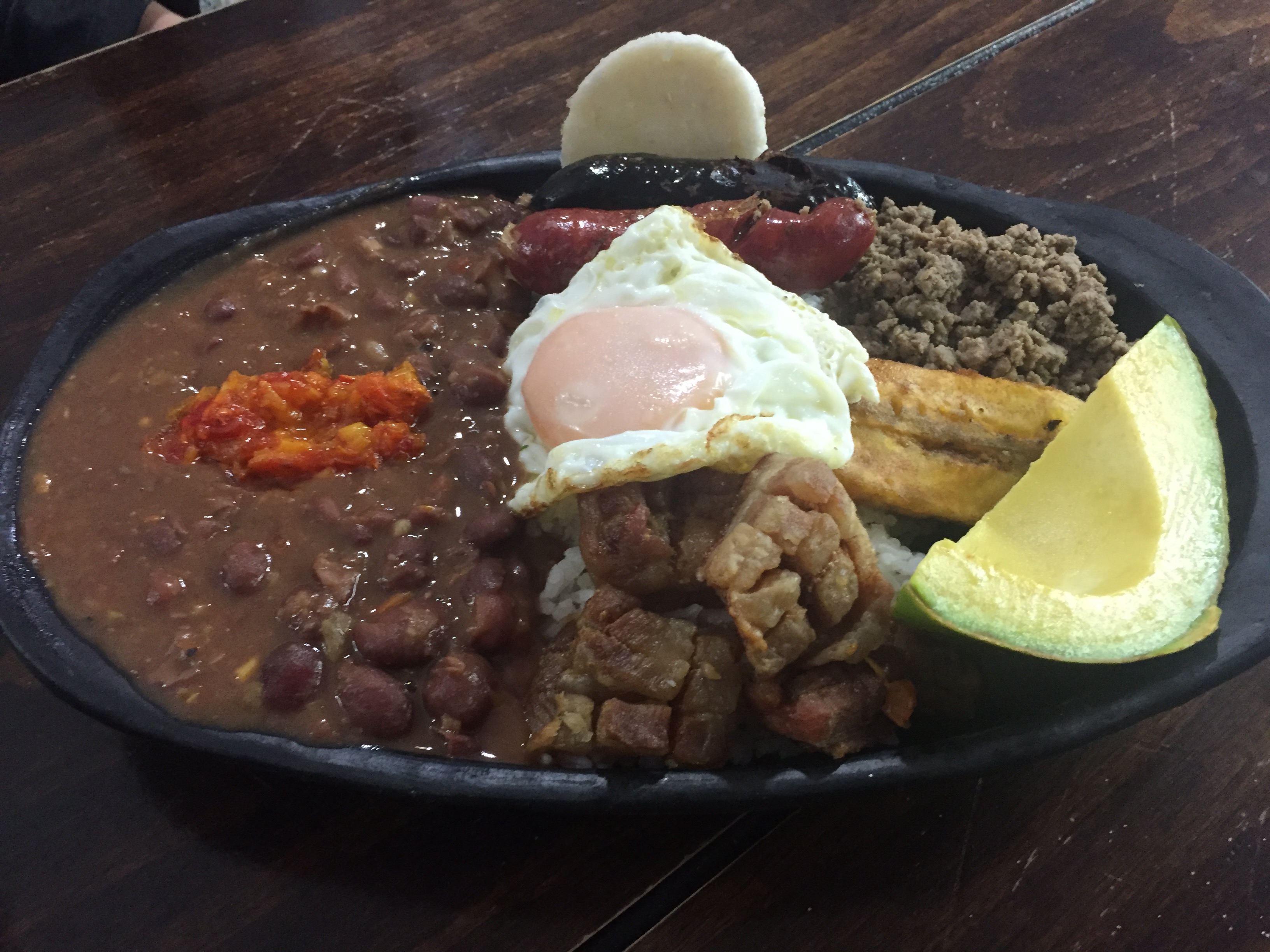
Argentine Cuisine
Built around fire, beef, and conviviality — the warmth of the asado.
Introduction
Argentine cuisine is defined by fire, beef, and an almost ritualistic dedication to the art of grilling. The asado — a slow, social barbecue of beef ribs, chorizo, morcilla, and more over wood embers — is not merely a cooking method but a national institution, a weekend gathering that can stretch from noon until evening. Chimichurri, the sharp herbed sauce that accompanies every cut, is Argentina's liquid gold.
Beyond the parrilla, Argentine cooking reveals Italian-immigrant pasta traditions, the flaky empanadas of the interior, dulce de leche in every imaginable dessert, and the mate ritual that binds friends and strangers alike. The cuisine is generous, unhurried, and deeply social.
History
Argentina's cuisine reflects waves of immigration layered over indigenous and colonial foundations. Spanish colonizers introduced cattle to the vast Pampas, creating the gaucho culture and the beef tradition that defines Argentine food identity. Italian immigration in the late 19th and early 20th centuries brought pasta, pizza, and gelato, which are now as Argentine as they are Italian.
Indigenous peoples contributed maize, squash, and yerba mate. Regional cuisines — the empanadas of Salta, the Welsh tea houses of Patagonia, the Andean stews of the northwest — add diversity to a national cuisine often perceived through the lens of Buenos Aires.
Cultural Context
The asado is Argentina's defining food ritual — typically a Sunday gathering where friends and family spend hours around the grill, sharing cuts of meat, conversation, wine, and mate. The asador (grill master) holds a position of quiet honor.
Mate, the shared herbal infusion drunk from a gourd with a metal straw, is far more than a beverage — it is a symbol of friendship, community, and daily rhythm. Offering mate is an invitation to connection; refusing it is almost unthinkable.
Regional Variations
Beef-centric asado culture, Italian-influenced pizza and pasta, café culture with medialunas and cortado.
Andean influences: empanadas salteñas, locro (corn and bean stew), tamales, and llama meat.
Lamb asado, smoked trout, Welsh-immigrant tea houses, and wild-game preparations.
Guaraní-influenced cooking: chipa (cheese bread), mbejú (starch cake), and river-fish dishes.
Core Ingredients
The centerpiece — grass-fed, expertly grilled, and served in every cut from entraña to ojo de bife.
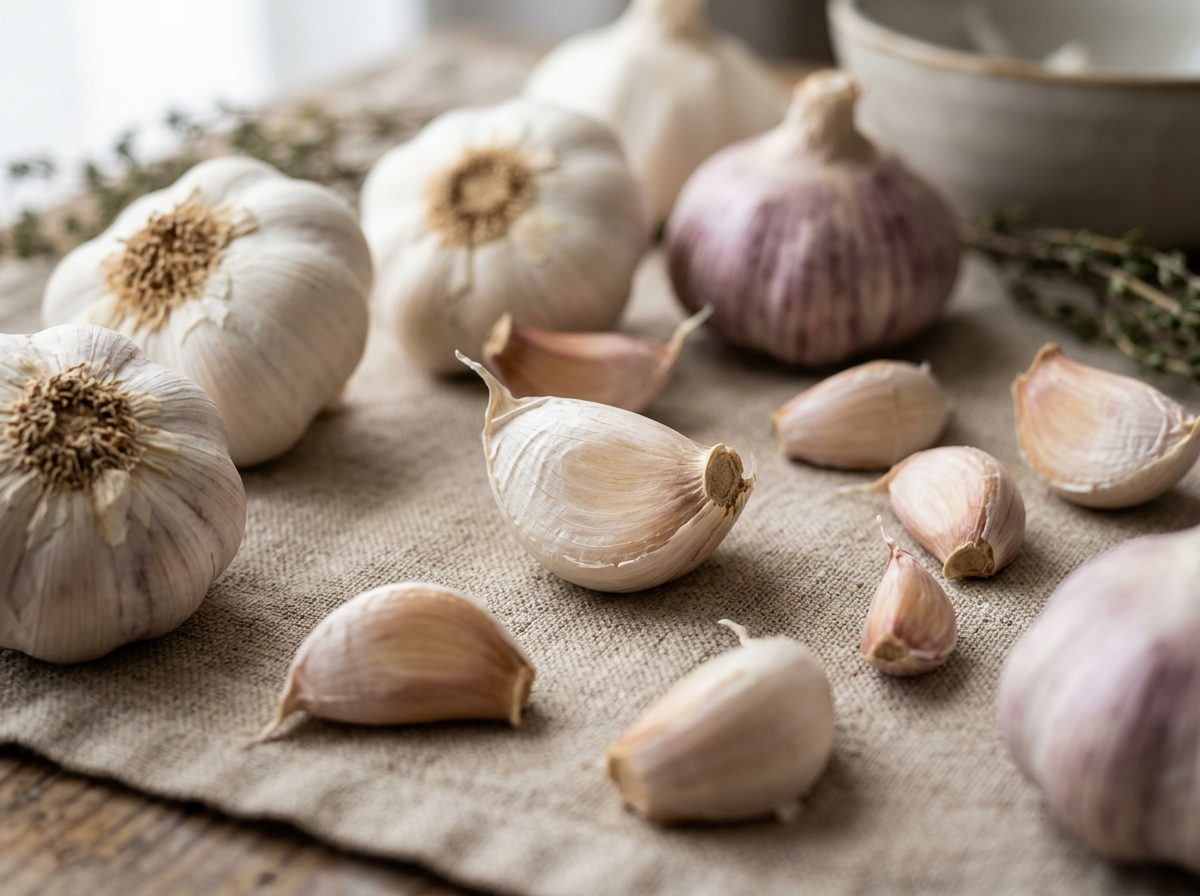
A sauce of parsley, oregano, garlic, olive oil, and vinegar — the essential asado condiment.
Slow-cooked caramelized milk — Argentina's beloved sweet, in desserts, pastries, and straight from the jar.
The foundation of empanada dough, polenta, humita, and locro.
The shared herbal infusion drunk throughout the day — as culturally significant as the asado itself.
Thick provolone grilled until bubbling and charred — a classic asado starter.
Signature Techniques
Meat is slow-grilled over wood or charcoal embers on a parrilla (grate) or cross (asado a la cruz) — the national cooking art.
Hand-crimping the edges of empanadas into decorative patterns that identify the filling inside.
Milk and sugar are simmered for hours, stirring constantly, until thick and deeply caramelized.
Yerba is packed into a gourd, hot water is poured at the correct temperature, and the infusion is shared in rounds.
Signature Dishes
Slow-grilled beef ribs, chorizo, and morcilla over wood embers — the national social ritual.
Hand-folded pastries with fillings varying by region — beef, chicken, ham-and-cheese, or humita.
The bright, herbed oil-and-vinegar sauce that accompanies every piece of grilled meat.
Breaded and fried beef or chicken cutlet — the Argentine take on the schnitzel, often napolitana-style with cheese and tomato.
Sandwich cookies filled with dulce de leche and coated in chocolate or powdered sugar.
Argentine Recipes to Cook
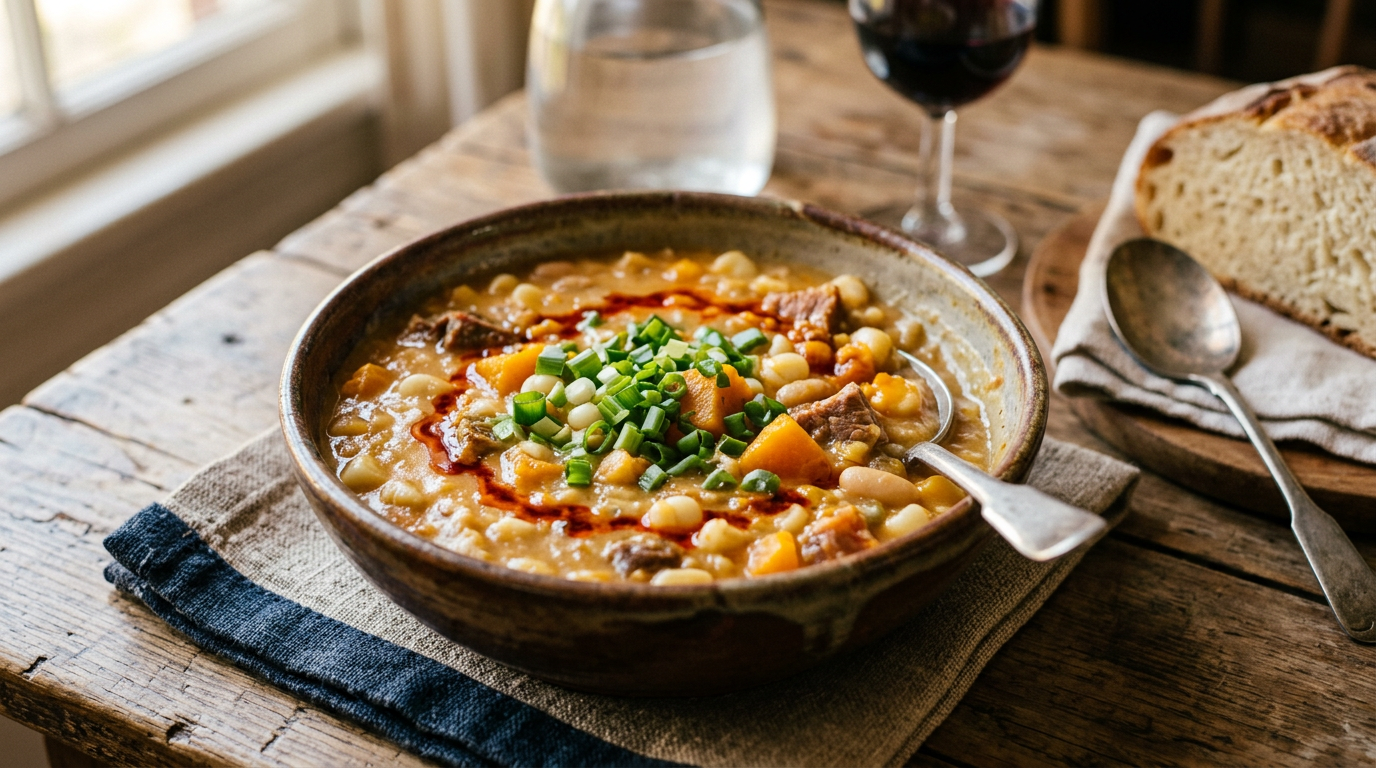
Argentine Locro (Hearty Corn & Bean Stew)
A thick, warming Argentine stew of hominy corn, white beans, squash, and slow-cooked meats — a national dish traditionally eaten on patriotic holidays, rich and deeply comforting.
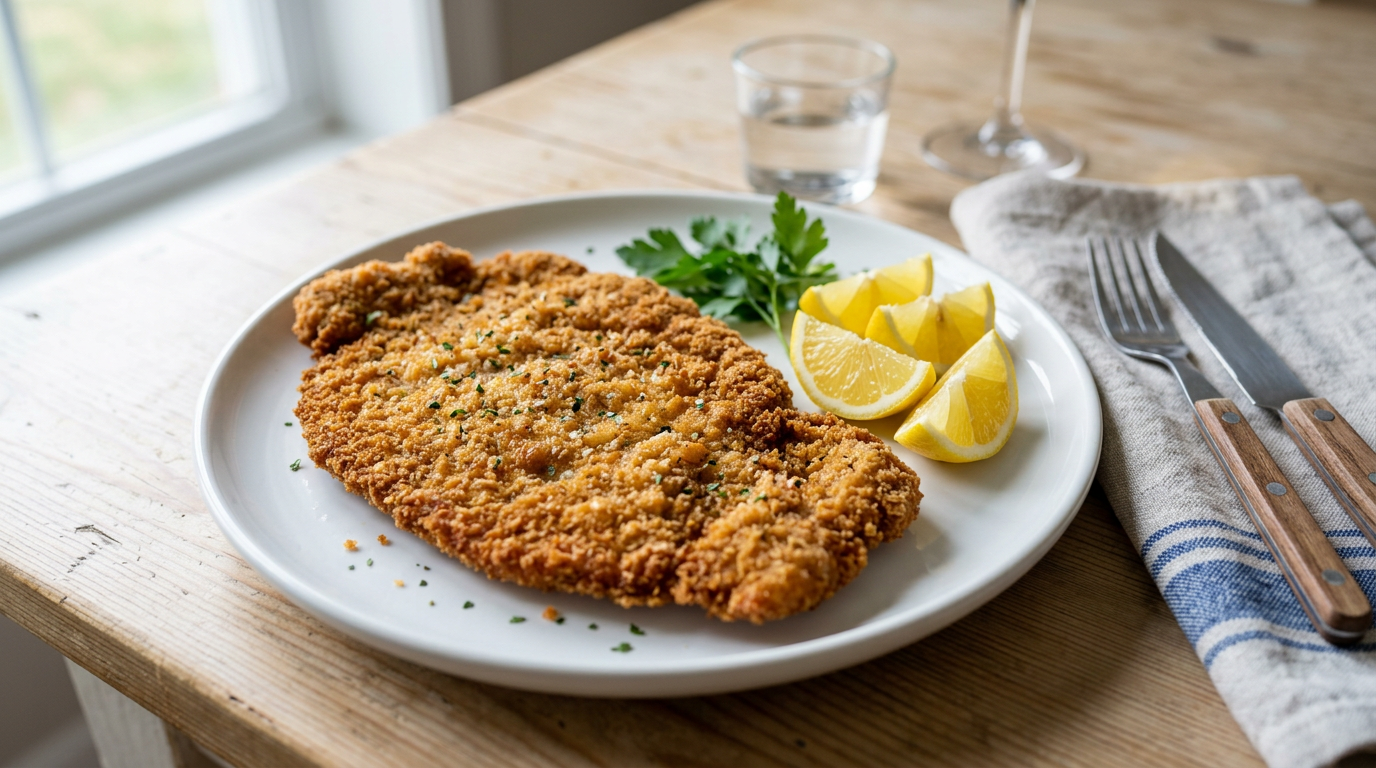
Argentine Milanesa
Thin, crisp breaded beef cutlets seasoned with garlic and parsley — Argentina's most beloved comfort food, golden outside and juicy within, served with lemon wedges and a simple salad.
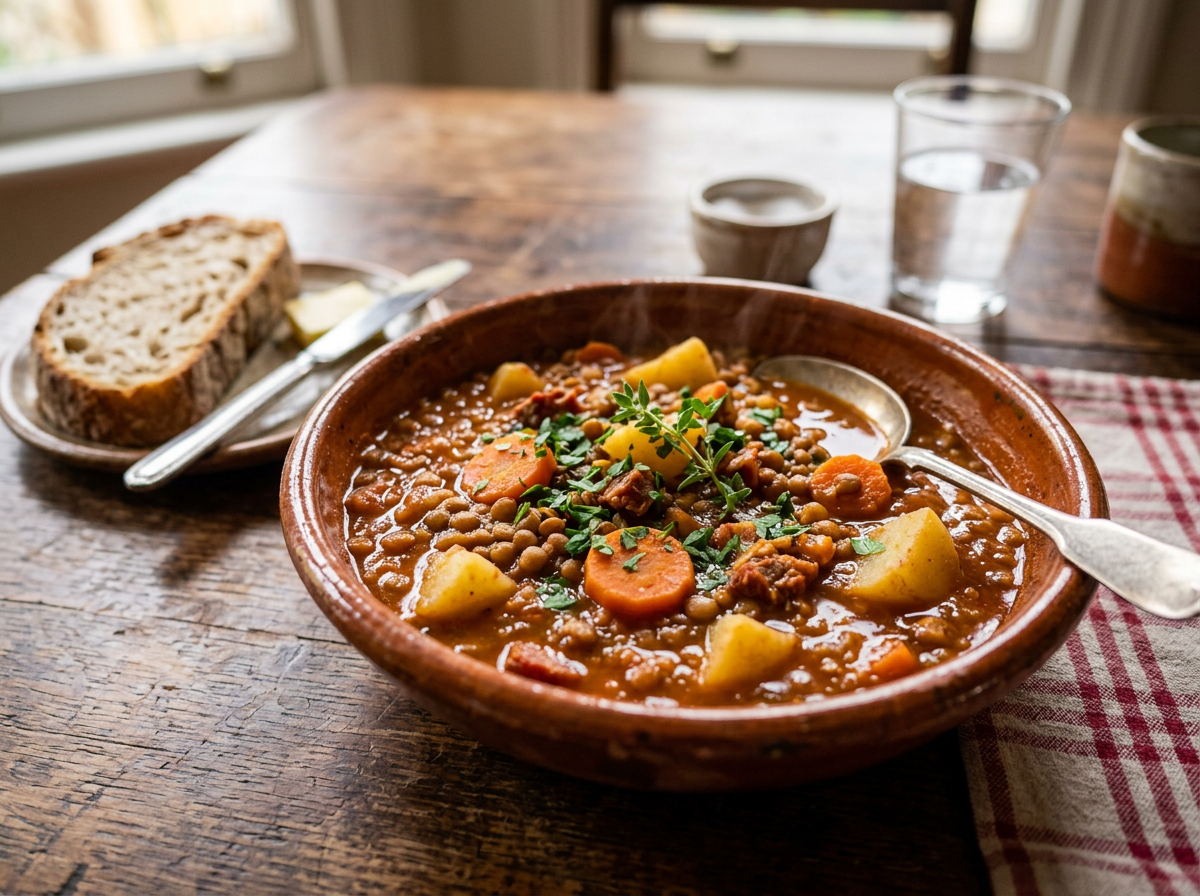
Argentine Lentil Stew (Guiso de Lentejas)
A hearty Argentine lentil stew with potatoes, carrots, and smoky paprika — a one-pot, protein-packed dinner that stretches a few pantry staples into six generous bowls.
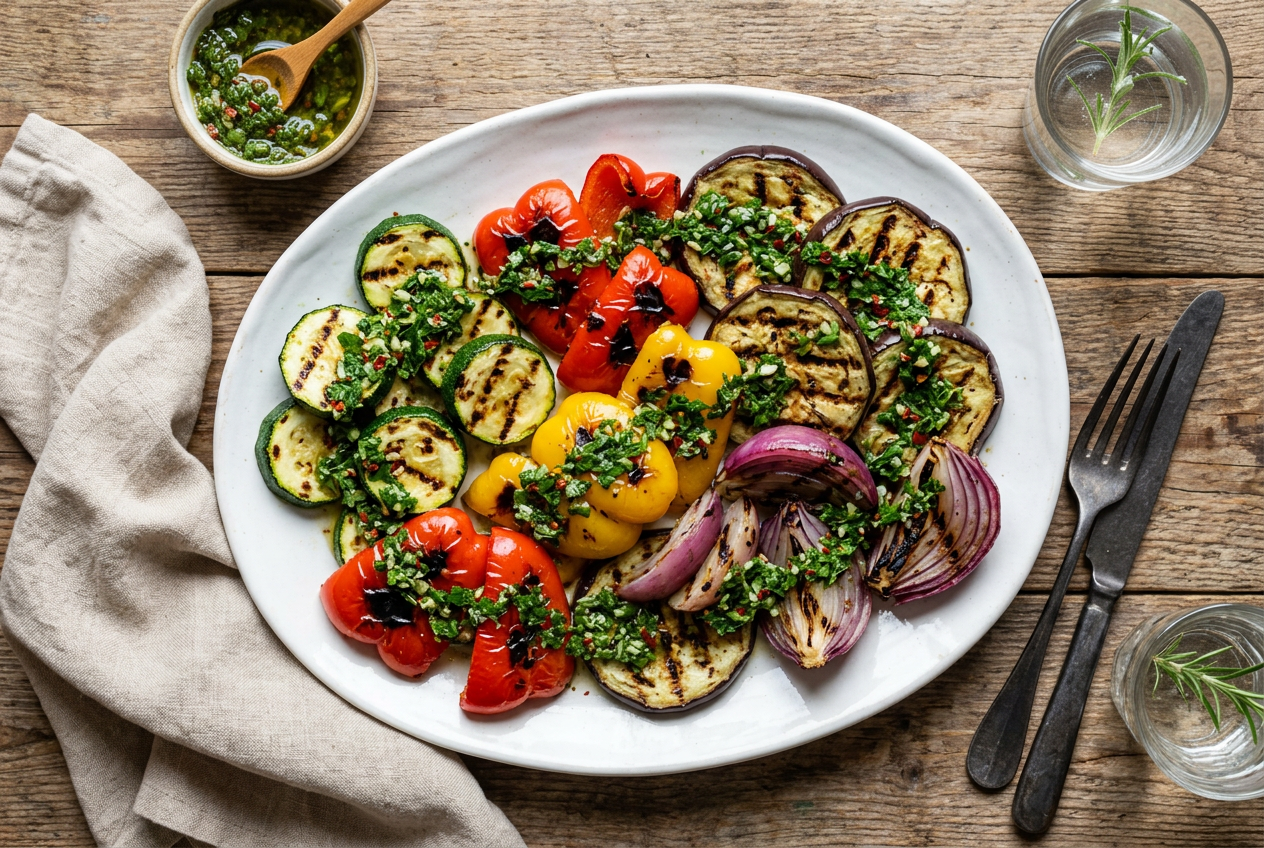
Argentine Chimichurri Grilled Vegetables
A colorful platter of seasonal grilled vegetables drizzled with a fresh, punchy chimichurri — an affordable, naturally vegan dish that showcases simple ingredients at their best.
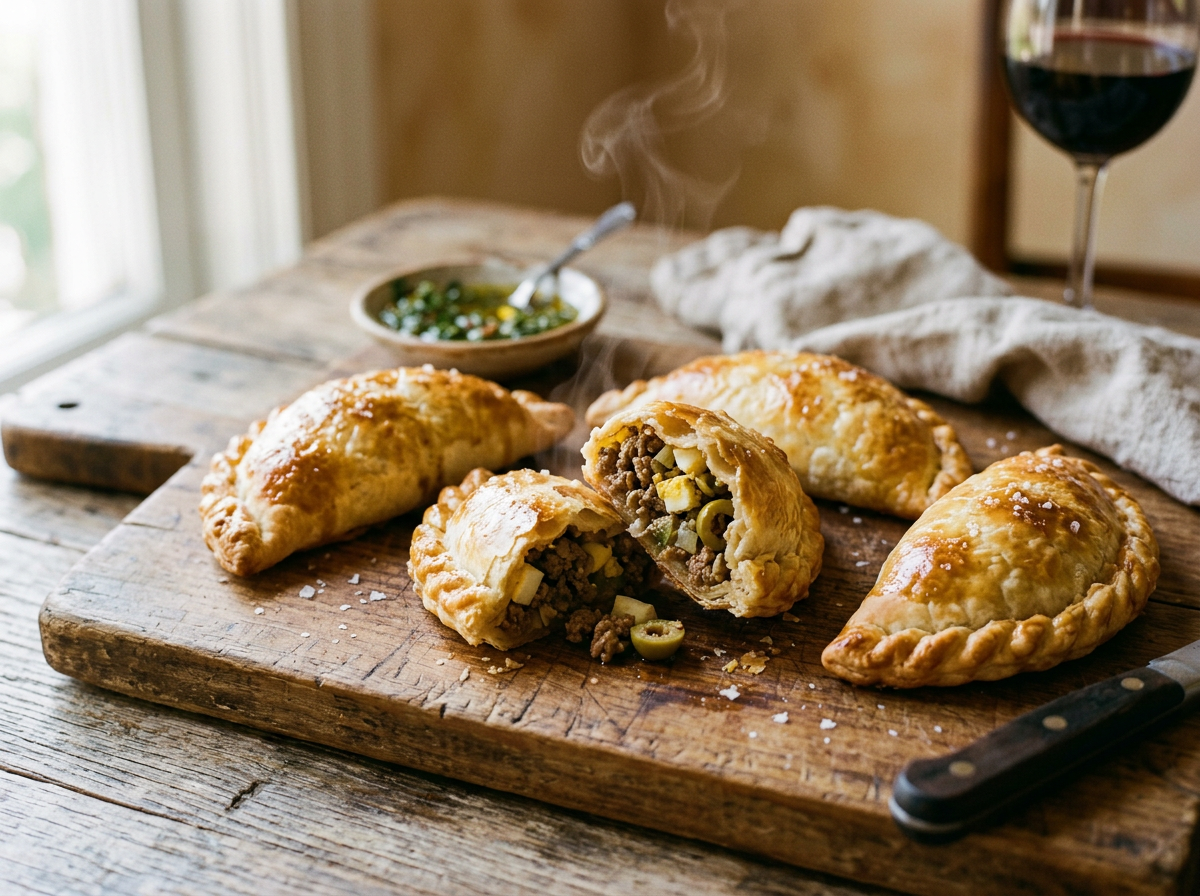
Argentine Beef Empanadas
Golden, hand-crimped Argentine empanadas filled with seasoned ground beef, sweet onion, hard-boiled egg, and olives, then baked until flaky. A national treasure perfect for sharing as a starter or party bite.
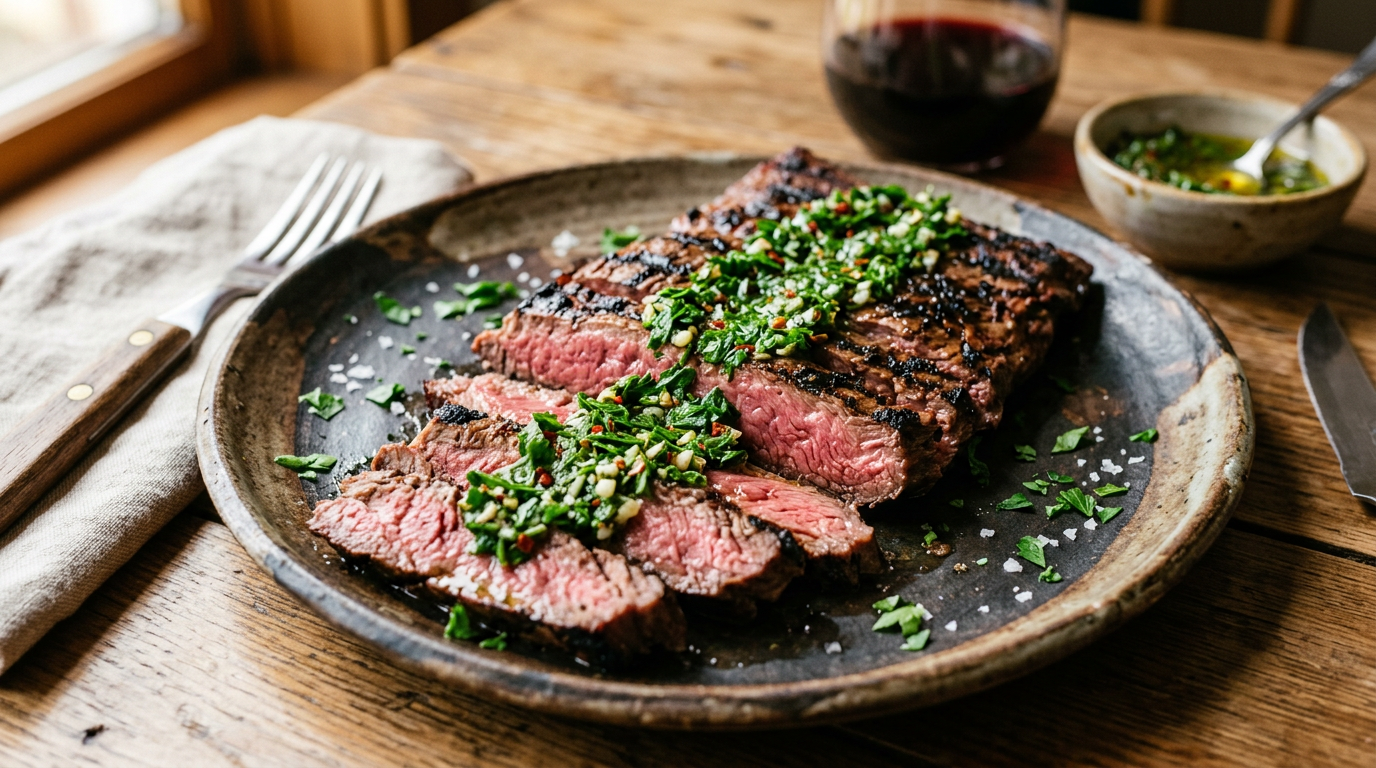
Argentine Chimichurri Skirt Steak
Grilled skirt steak sliced against the grain and blanketed in a bright, garlicky parsley-oregano chimichurri — the soul of the Argentine asado.
Key Ingredients to Explore
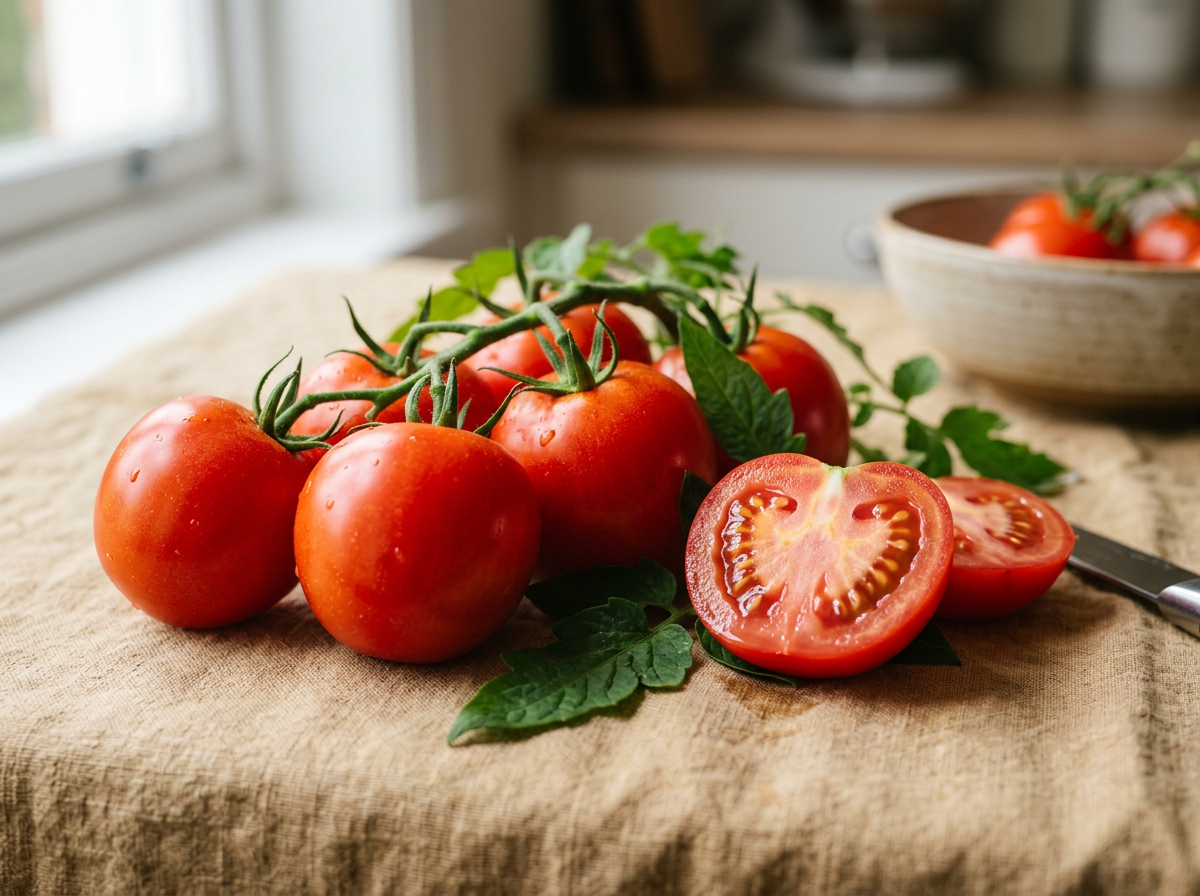

Cooking Guides You May Like
The Essentials of Caribbean & Latin American Cooking
Bright citrus, smoky spice, and fresh seafood define the cooking of the Caribbean and Latin America. Here is an introduction.
Understanding Cooking Methods: Dry Heat, Moist Heat, and More
Every cooking method changes texture and flavor in a specific way. Knowing which to choose is the key to cooking anything well.
Essential Kitchen Skills Every Home Cook Should Know
A short list of fundamental skills will do more for your cooking than any gadget. Here are the ones that matter most.